


















































Fewer affordable housing units but a higher volume of homes could be built under changes proposed to the Isle of Wight’s new local plan.
Full council is set to consider several revisions to the draft Island Planning Strategy (IPS) this evening (Wednesday) in light of a letter from the Planning Inspectorate to County Hall in April which included concerns over housing delivery.
The IPS has been developed to replace the Island Plan Core Strategy 2012 and a draft was previously submitted to the Planning Inspectorate for examination, with hearing sessions taking place earlier this year.


Inspectors identified a shortfall of 394 homes over a 5-year period in the April Post Hearings Letter but a council report due to be presented tomorrow instead puts forward a 315 figure due to the ‘passage of time’ and taking into account the granting of recent planning consents.
The report says 3,691 homes need to be built over five years which includes a buffer amount. It gives a 703 annual new homes requirement and proposes to address the 315 shortfall with ‘adjusted policies’ and by ‘allocating additional sites’.
An appendix to the document sets out eight housing delivery areas including greenfield sites such as land at 155 Staplers Road as well as brownfield locations – for example land at Sandown Airport and behind St Vincents Care Home in Ryde.
The Planning Inspectorate’s letter also said the viability study supporting the local plan should be updated.
A viability study shows a developer is able to meet all of the policy requirements of the local plan, according to the council report.

“Since the last local plan viability report in 2022, a number of development related costs have increased significantly, including build costs and the cost of borrowing development finance,” the report says.
As a result of a newly updated viability report, council officers are now proposing changes to the plan’s policy relating to affordable housing, with some reductions from the current 35% affordable housing requirement for new developments.
Proposed requirements set out in County Hall’s report include a 15% affordable housing share for lower value brownfield zones, 20% for lower value greenfield sites with under 50 units proposed and 35% for higher value sites.
The report says:
“Whilst this proposed reduction will decrease the number of affordable homes that some schemes will deliver on site, the alternative of maintaining the policy requirement of 35 per cent affordable housing across the whole Island (at the deeper discounts from market value set out in Policy AFF1) has been demonstrated as unviable in some locations and ‘marginal’ in others.
“Were the council to not alter Policy H5 in line with the viability advice, then the strong likelihood is that the policy, and therefore plan, would be found unsound by the Planning Inspectors.”
The document is at pains to point out that the new local plan’s ‘deeper discounts’ for affordable housing would remain unchanged by the reductions.
“So, whilst the number of affordable homes would reduce, the discount from market value would still be at the ‘Island affordable’ levels set out in Policy AFF1,” it says.
Other changes proposed on the back of the Inspectorate’s letter include deleting a ‘net zero carbon and lowering energy consumption in new development’ policy due to viability considerations and reducing the new plan’s ancient woodlands buffer from a minimum of 50 metres to a minimum of 15 metres.
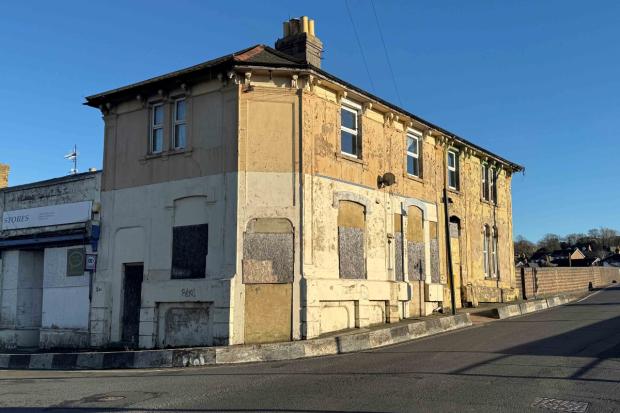
Earlier this month, the policy, finance and resources committee considered the revisions and recommended them to full council, subject to 2 alterations: removing an 18-unit Former Ryde Theatre allocation and increasing the windfall allowance from 110 homes annually to 115 each year over 5 years.
Windfall sites refer to housing delivered on sites with a net gain of less than ten units.








Quite simple really, developers don’t make money out of building benefit hutches.
Just as well really as at least “less affordable” homes will be bought by those that pay their own way.
Clever. We’re already over-run with expensive houses that no-one waNts and we desperately need truly affordable places. So how exactly is this new policy turn helping? Ah, it’s what the developers are prepared to build.
exactly – we dont want to attract the welfare dependent social underclass to the island
Wait until next weeks budget, that will put the
cat among the pigeons.
Higher council taxes for more expensive properties
is on the cards.
They’re are plenty of unaffordable houses for sale on the island so why build more? Better to stop building them on green belt & stop flooding the market. Second home owners have been scared off buying them so who will?