








































After an exhausting overnight count in Newport, Conservative Andrew Turner won the Isle of Wight constituency 25 years ago today.
The declaration finally came late in the afternoon of 8th June 2001 following one of the longest and most chaotic election counts in the Island’s modern political history.
Conservative candidate Andrew Turner defeated sitting Liberal Democrat MP Peter Brand by 2,826 votes, regaining the constituency for the Conservatives after just 4 years of Liberal Democrat control.


Turner secured 25,223 votes against Brand’s 22,397, with Labour’s Deborah Gardiner finishing 3rd on 9,676 votes. At the time, UKIP candidate David Lott’s 2,106 votes attracted relatively little attention. 25 years later, with Reform now a major force in Island politics, the result looks rather different in hindsight.
The result marked another swing in the Isle of Wight’s long-running Conservative-Liberal political rivalry. The Island had previously been represented by Liberal MP Stephen Ross from 1974 until 1987 before Peter Brand regained the seat for the Liberal Democrats in 1997.
The election campaign itself was fiercely contested. At the time, the Isle of Wight constituency was the largest parliamentary seat in England by electorate, with more than 104,000 registered voters spread across the Island. Turnout eventually fell to 60.8%, more than 11% lower than the high-profile 1997 election.
Yet one of the most memorable aspects of the election came after polling stations had closed.
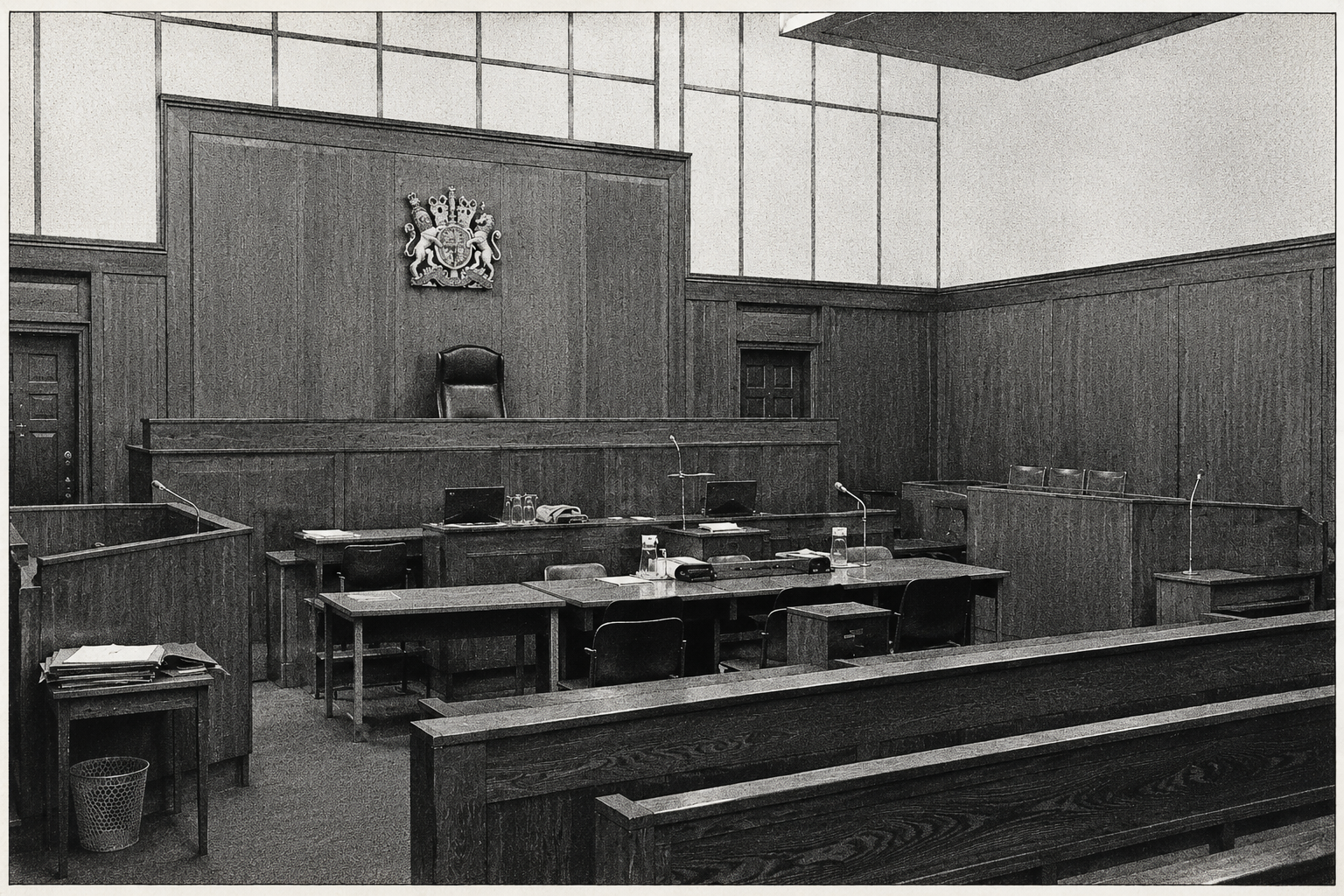
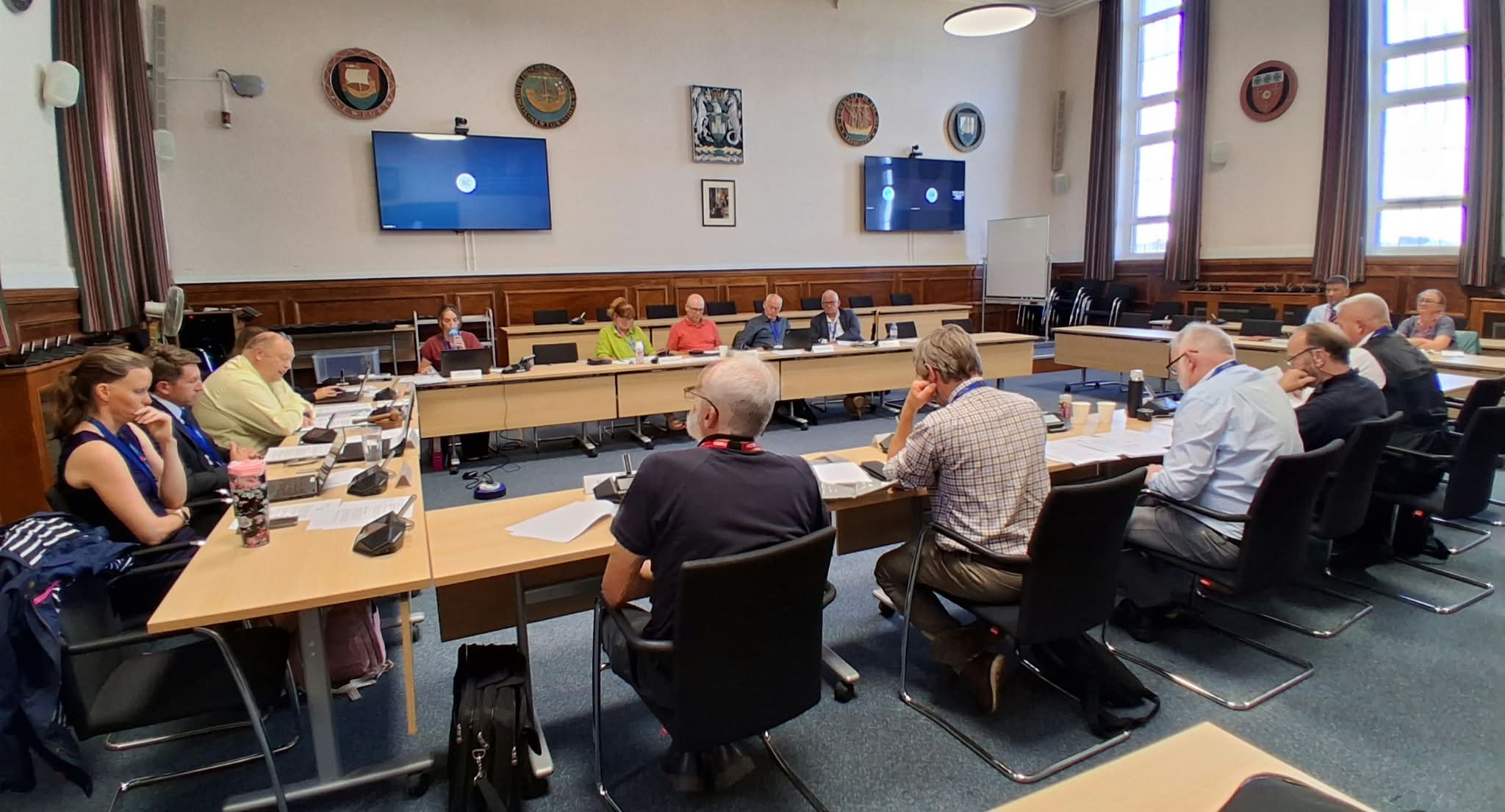
The parliamentary election count had been combined with the Isle of Wight Council election count, creating huge logistical pressure on staff at Newport Guildhall. As counting continued through the night and into the following day, exhaustion reportedly began affecting election workers.

Eventually, the count had to be suspended for around 45 minutes during the early hours of Friday morning. Returning officer Bernard Quoroll later explained that many counting staff were suffering from exhaustion after dealing with ballot papers from all 48 wards as well as the parliamentary election itself.
As the delay dragged on, the Isle of Wight became one of the very last constituencies in the country still waiting to declare a result. While the national outcome had long since been decided elsewhere, counting continued inside Newport Guildhall as weary staff worked through thousands of ballot papers.
The delay prompted jokes that the Island was ‘still counting’ while the rest of the country already knew the national result.
When the declaration finally came on Friday afternoon, Turner emerged victorious with a swing of 6.6% from the Liberal Democrats to the Conservatives. Jubilant Tory supporters greeted the result as the party regained a seat it had lost in 1997.
Brand accepted defeat graciously, acknowledging the national mood and admitting the Liberal Democrats had not managed to persuade enough voters to back them again locally.
Turner went on to hold the Isle of Wight constituency for 16 years before standing down ahead of the 2017 General Election. The Conservatives retained the seat until the historic single-member Isle of Wight constituency was abolished and divided into 2 seats before the 2024 election.