























































A new partnership between the University of Portsmouth and Isle of Wight Tomatoes aims to reduce food waste, improve crop forecasting and help boost domestic sales through the use of data analytics and machine learning.
The collaborative project will see researchers work alongside the Arreton-based grower to develop predictive models capable of forecasting everything from crop growth to customer demand.
The initiative has been made possible through a Knowledge Transfer Partnership (KTP), with researchers hoping to create a single forecasting system that combines crop production, sales and distribution data to support smarter decision-making.


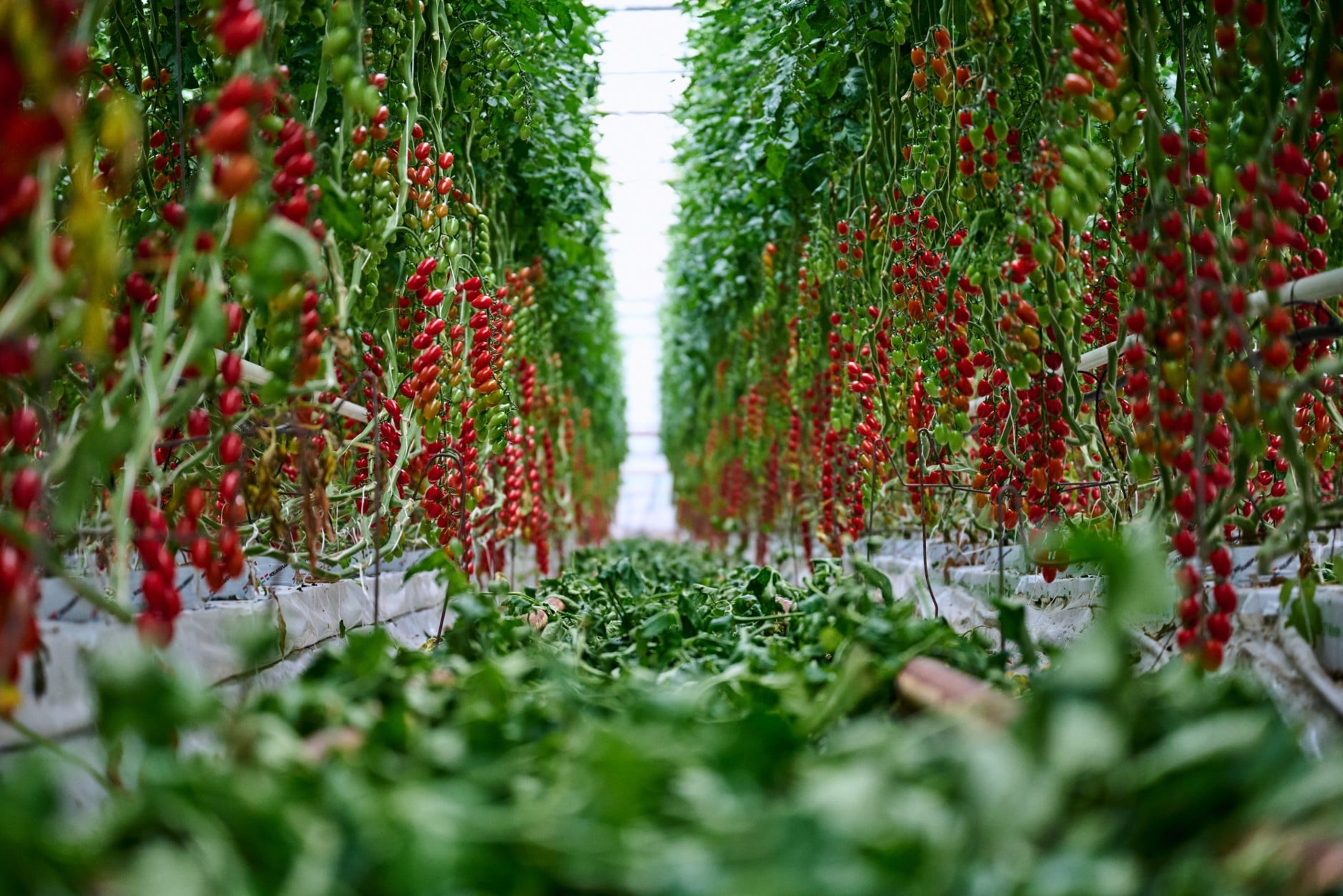
Isle of Wight Tomatoes, which has sustainability at the heart of its operations, already makes use of tomatoes that do not meet supermarket cosmetic standards by turning them into products such as sauces and passatas through its onsite kitchen.
The company says the latest project supports its ambition of becoming a zero-waste business.
The research is being led by Dr Huijing Chen from the University of Portsmouth’s School of Organisations, Systems and People, alongside Professor Chris Simms from the Faculty of Business and Law and Dr Edward Smart from the Faculty of Technology.
The team will analyse historical data to identify patterns that influence both crop yields and customer demand, including weather conditions, promotions and major sporting events such as the FIFA World Cup and Wimbledon.
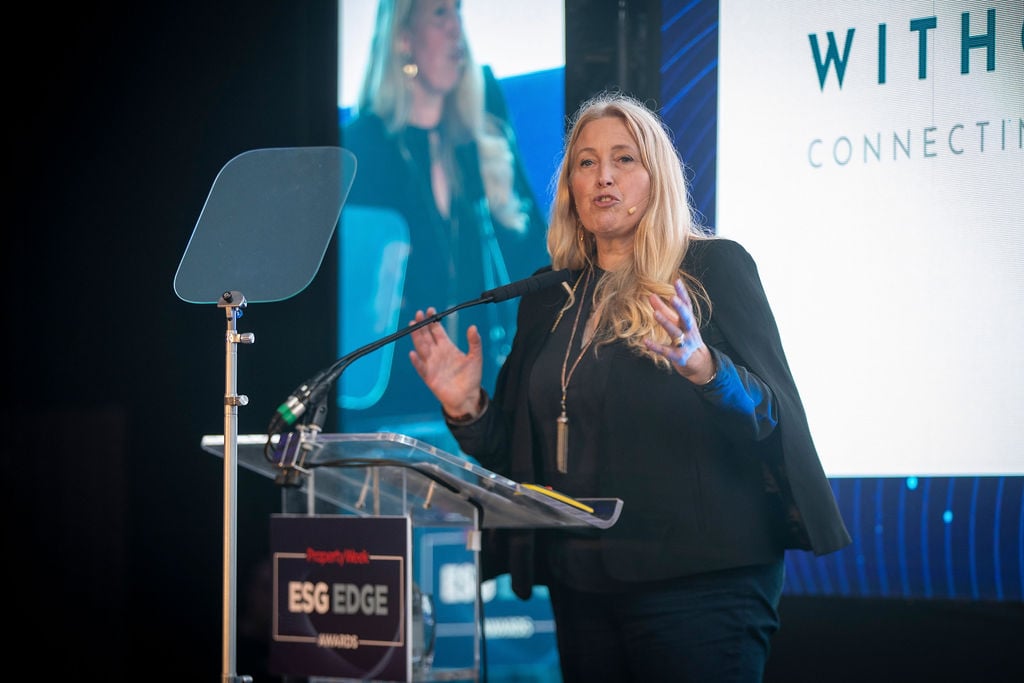
Dr Huijing Chen, Associate Professor in Management Science at the University of Portsmouth, has said:
“This project is about using data to take the guesswork out of tomato production. As fresh tomatoes are perishable, getting the balance between supply and demand right is essential – both for reducing waste and driving profit.
“What’s fascinating is how many factors can influence that balance; seasonal weather can affect how crops grow, while events like the World Cup or Wimbledon can shift consumer demand overnight. By analysing past data, we can identify those patterns and make smarter, more proactive decisions.”
The funding will support the development of advanced analytics and machine learning technology, bringing together crop growth and sales forecasting into one system.
The partners believe the project could not only improve efficiency at Isle of Wight Tomatoes but also provide benefits for the wider horticultural industry.
Paul Thomas, Managing Director of Isle of Wight Tomatoes, has said:
“One of the most valuable aspects of this project is the range of challenges that data can help address. On one side, we’re looking at demand patterns across a range of customers in different categories – which can vary significantly – and using those insights to shape smarter commercial strategies.
“On the other, there’s a broader opportunity to support UK production and reduce dependence on imports. Helping UK retailers source domestically isn’t just good for business, it’s good for sustainability and national food security too.”
As well as reducing waste through more accurate forecasting, Isle of Wight Tomatoes says it hopes the technology will support international growth while helping the business capture 10% of the UK domestic market.
The project forms part of the University of Portsmouth’s wider Knowledge Transfer Partnership programme, which supports innovation between academic researchers and businesses through projects worth more than £4 million.









Who needs A.I for such
Food waste to birds, job done.