













































Hidden within Billingham Manor are stories of a doomed king, a murdered woman and a card player said never to have found peace.
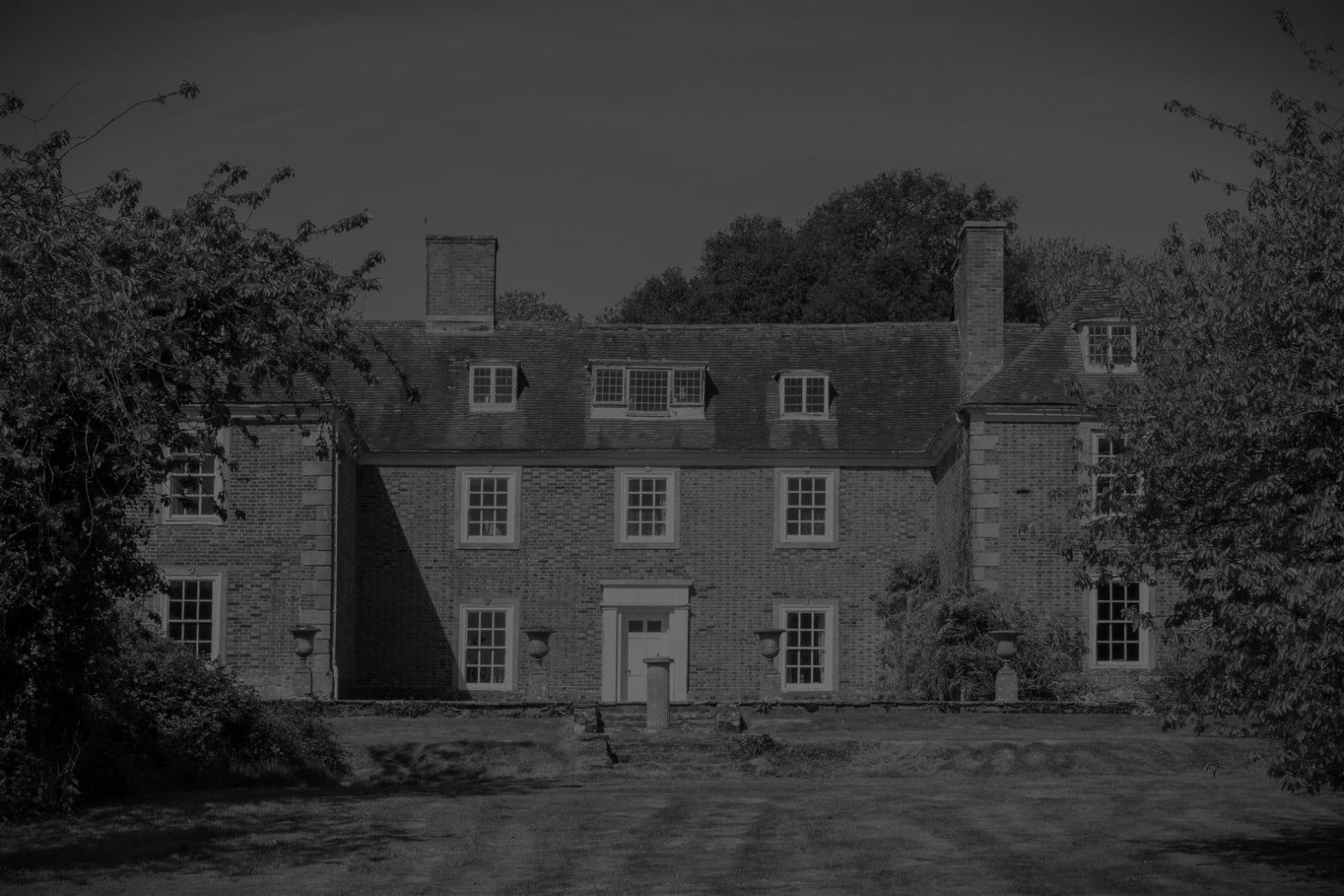
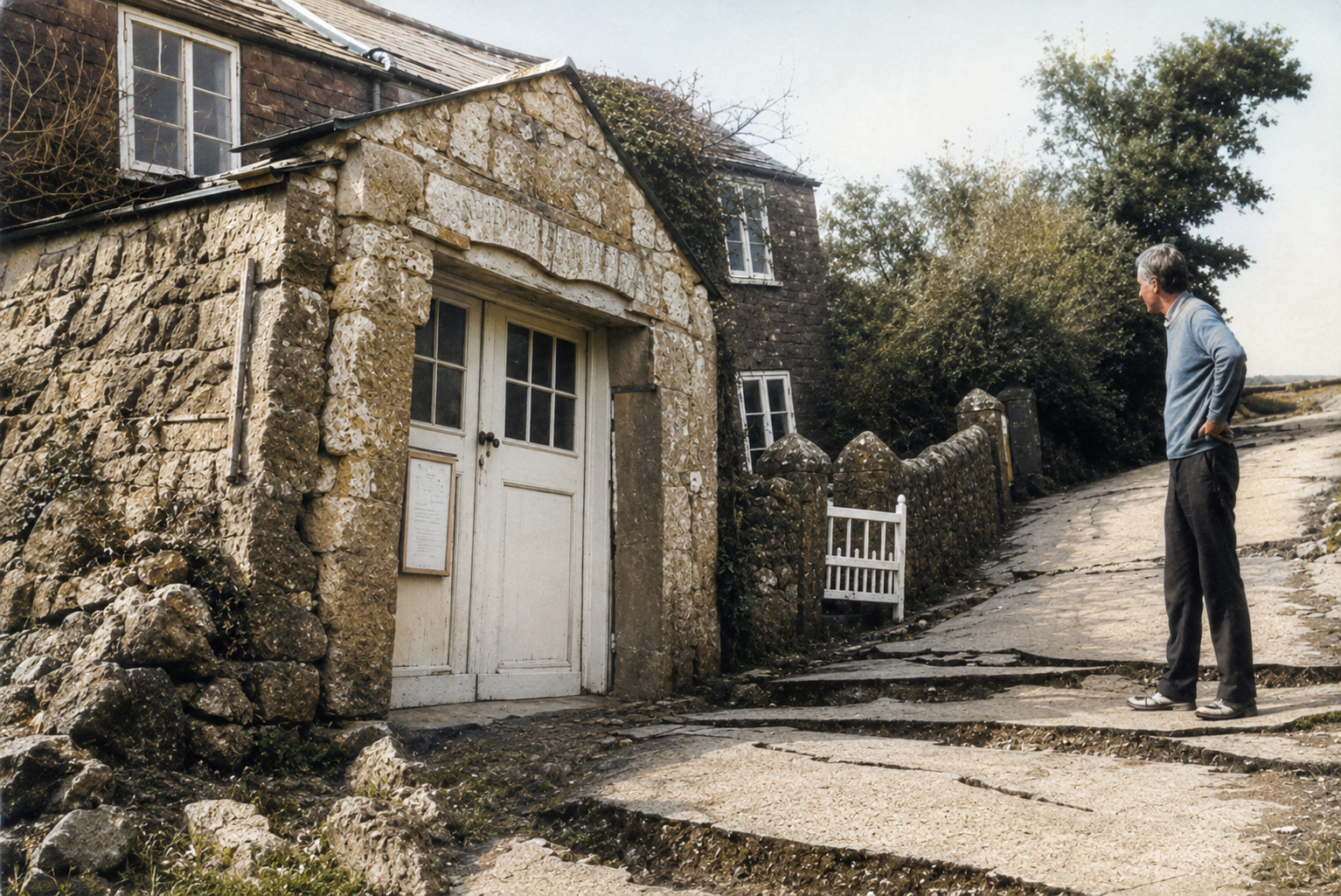
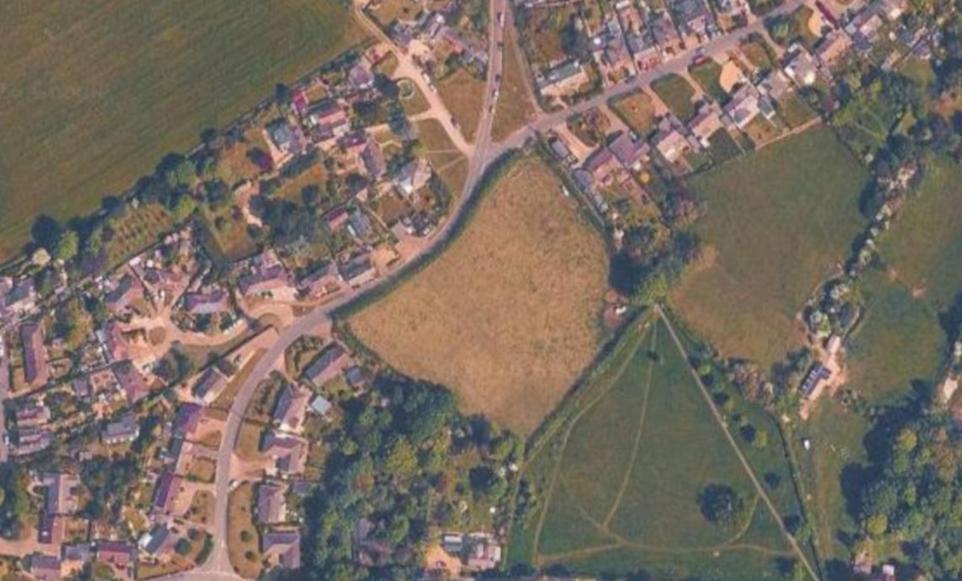
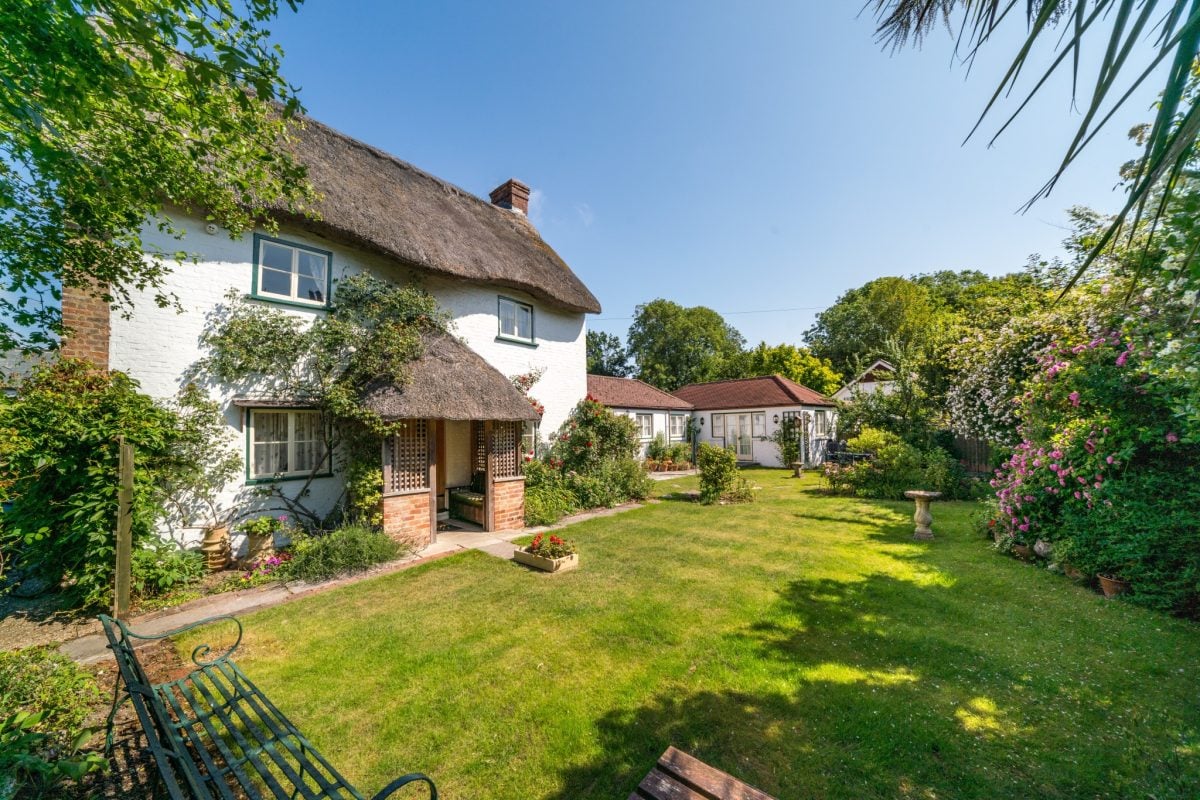
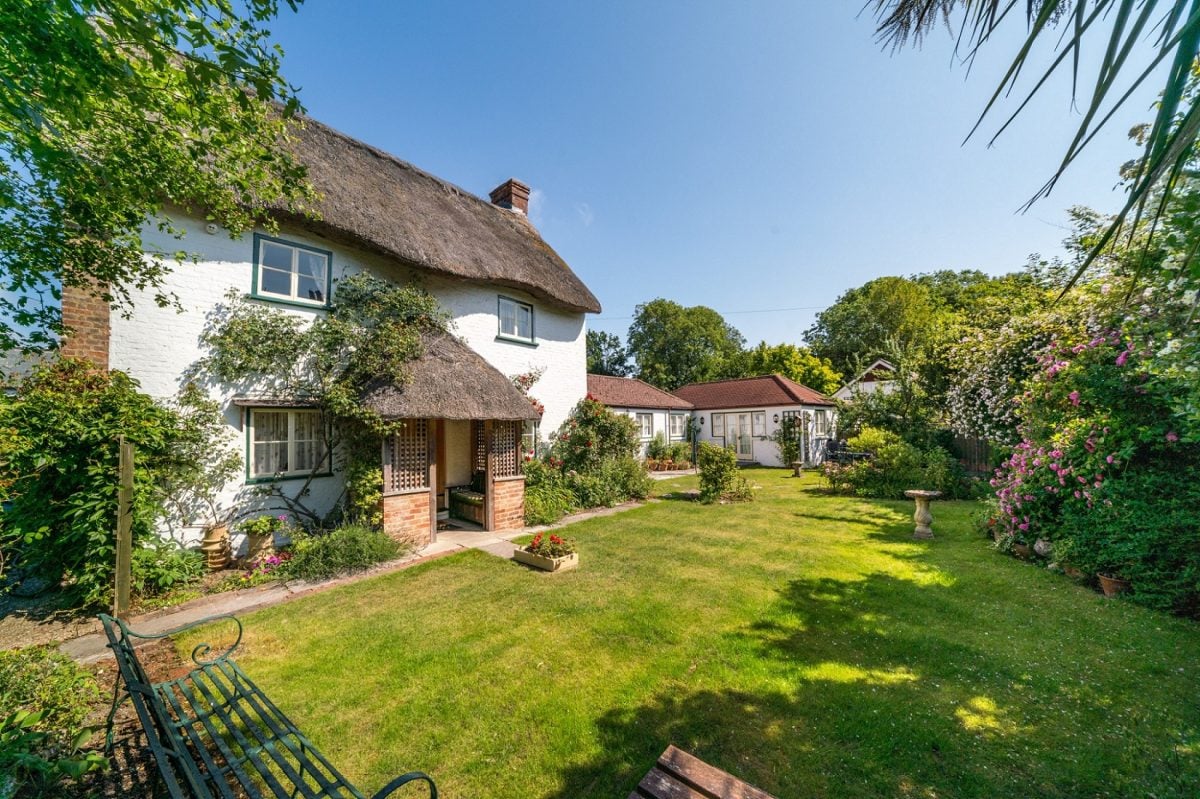
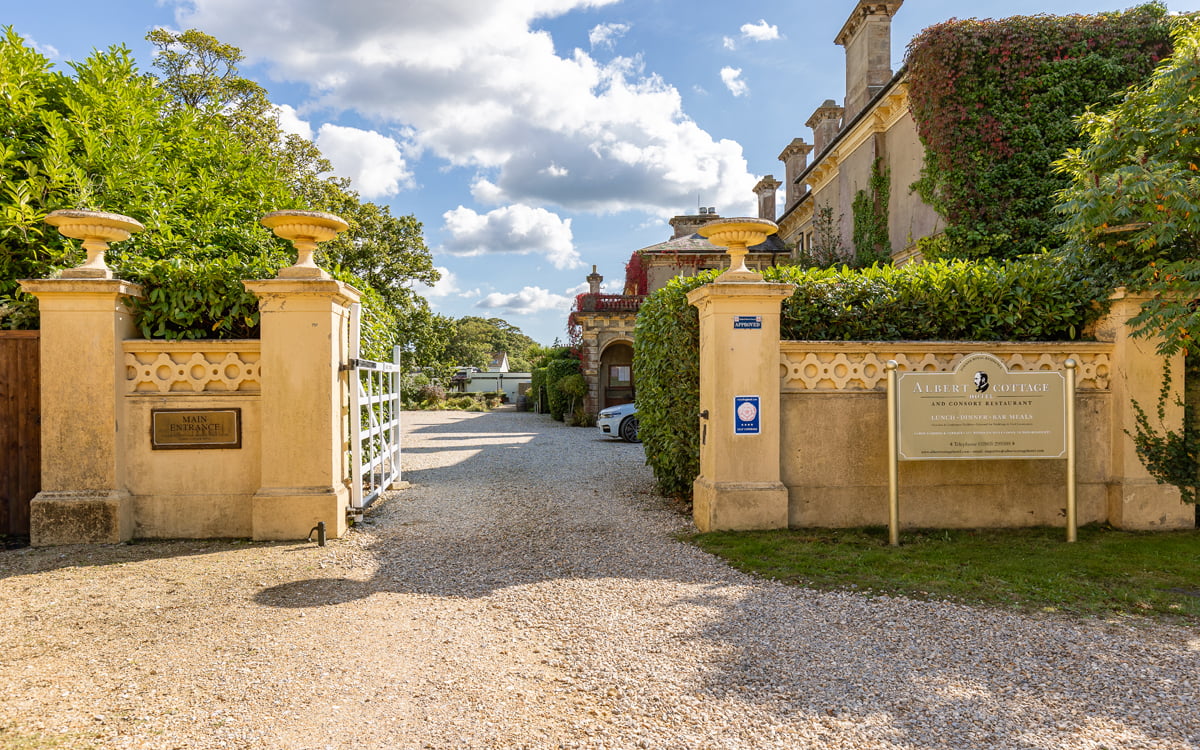
Standing quietly among the rolling countryside near Chillerton, Billingham Manor is one of the Isle of Wight’s finest Jacobean houses. Built in 1631 on the site of an earlier manor, it was home to generations of the Worsley family before passing through a succession of distinguished owners. Beautifully preserved today, it conceals hidden staircases, secret rooms, priest holes, sliding panels and even a revolving bookcase, features that have fuelled stories of mystery for centuries.
The manor has witnessed some of the Island’s most important moments in history and welcomed a remarkable cast of owners and visitors. Yet alongside its documented history grew another tradition altogether, passed down in whispered stories of ghostly apparitions, tragic romance and unexplained happenings.


A Civil War escape, a hidden panel and an apparition said to have appeared centuries after Charles I’s execution.
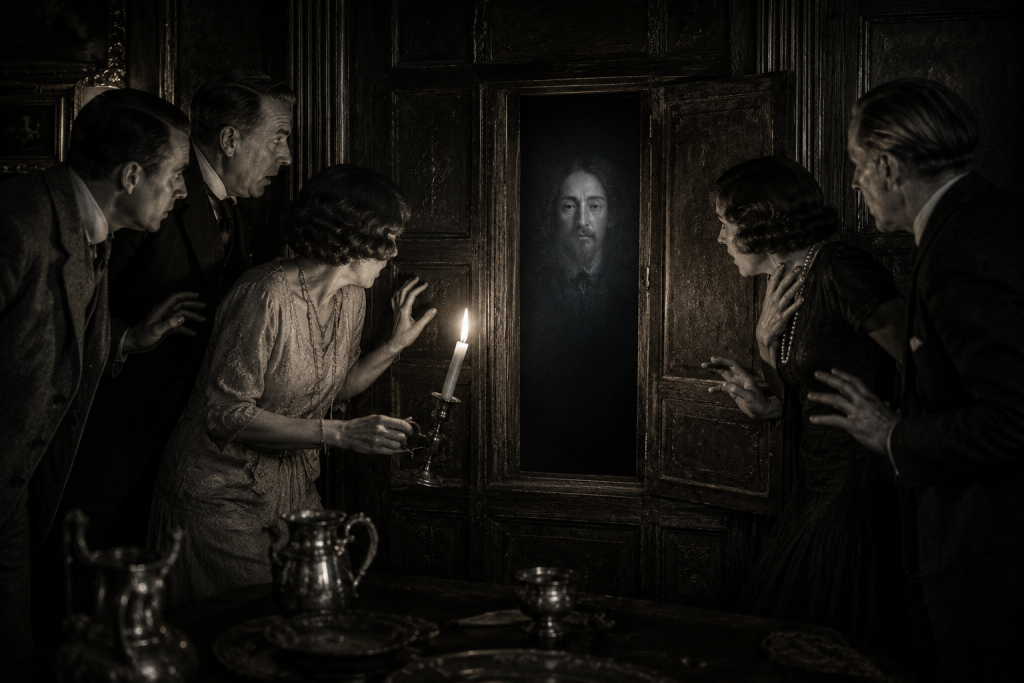
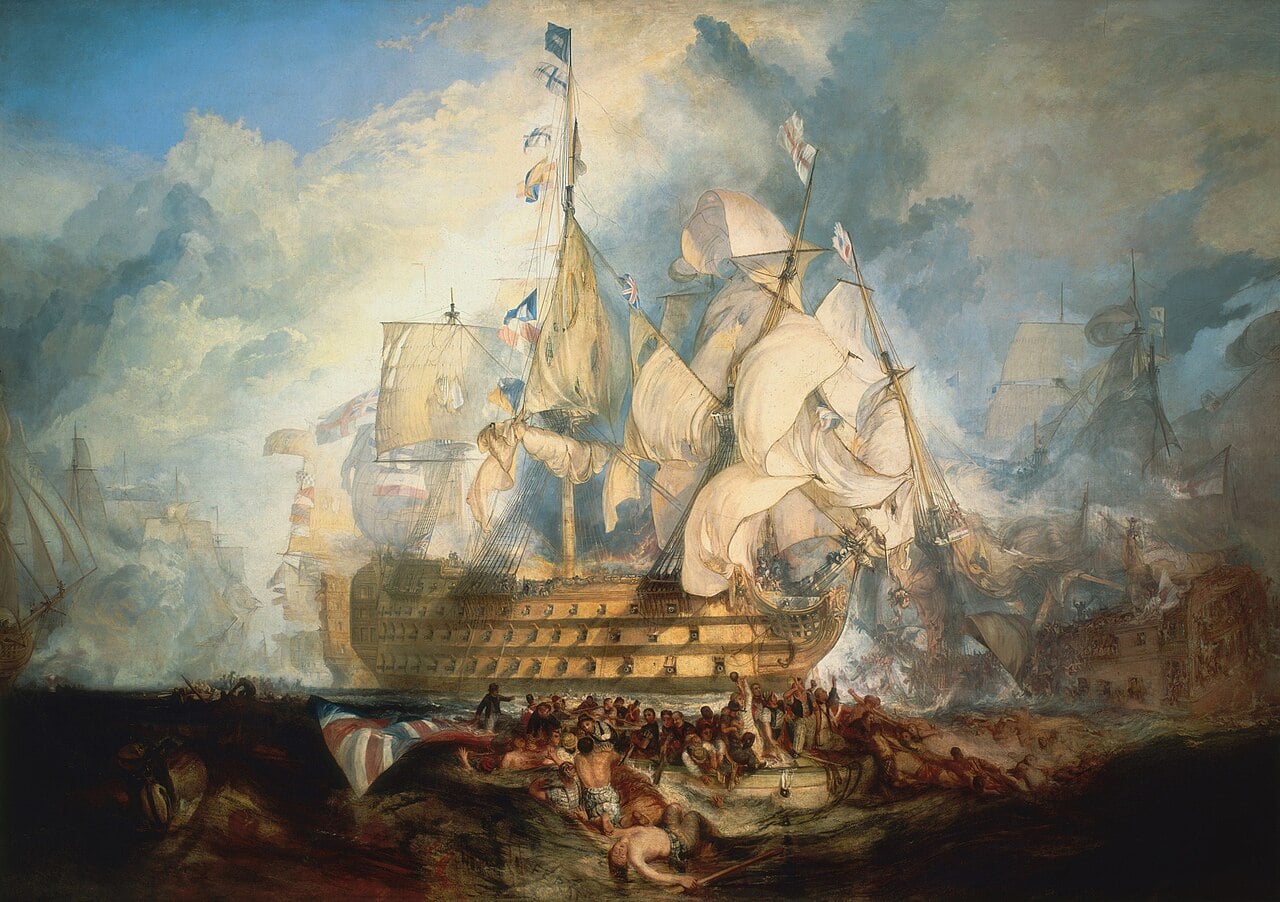
The oldest and perhaps most remarkable story centres on King Charles I. Following his defeat in the English Civil War, the King was imprisoned at Carisbrooke Castle in 1647. According to long-standing Island tradition, he briefly escaped and rode to Billingham Manor, where loyal supporters intended to hide him before helping him reach a waiting ship bound for France.
A concealed sliding panel within the house was said to provide the perfect hiding place while preparations for the escape were completed. The plan never came to fruition. Growing impatient with the delay, Charles supposedly abandoned the attempt and returned voluntarily to Carisbrooke Castle. Two years later, he was tried for treason and executed outside the Banqueting House in Whitehall.
More than 250 years later, Irish writer and diplomat Sir Shane Leslie rented the manor. One evening, members of the household were disturbed by unexplained noises before noticing a strange light shining through the concealed panel in the dining room. When it was opened, Leslie later claimed those present saw the severed head of King Charles I suspended within the hidden space.

Local tradition held that the apparition appeared whenever an execution took place on the Isle of Wight. Leslie later checked the date and discovered that a prisoner had indeed been executed at Parkhurst Prison on that very day.
THE GREY LADY
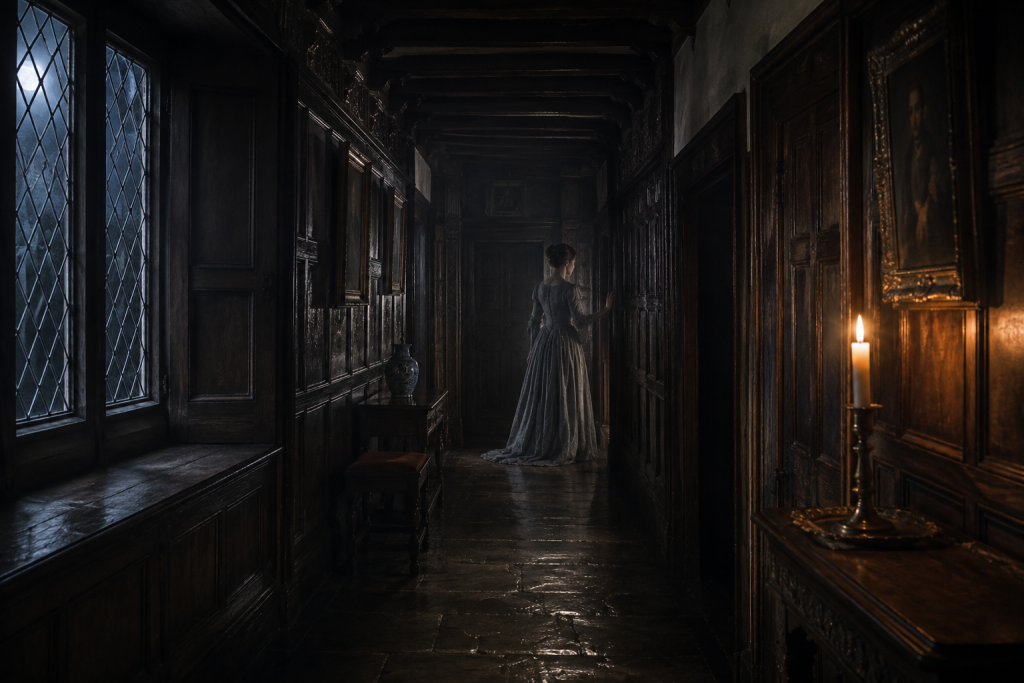
A tragic love affair is said to have left Billingham Manor with its best-known ghostly resident.
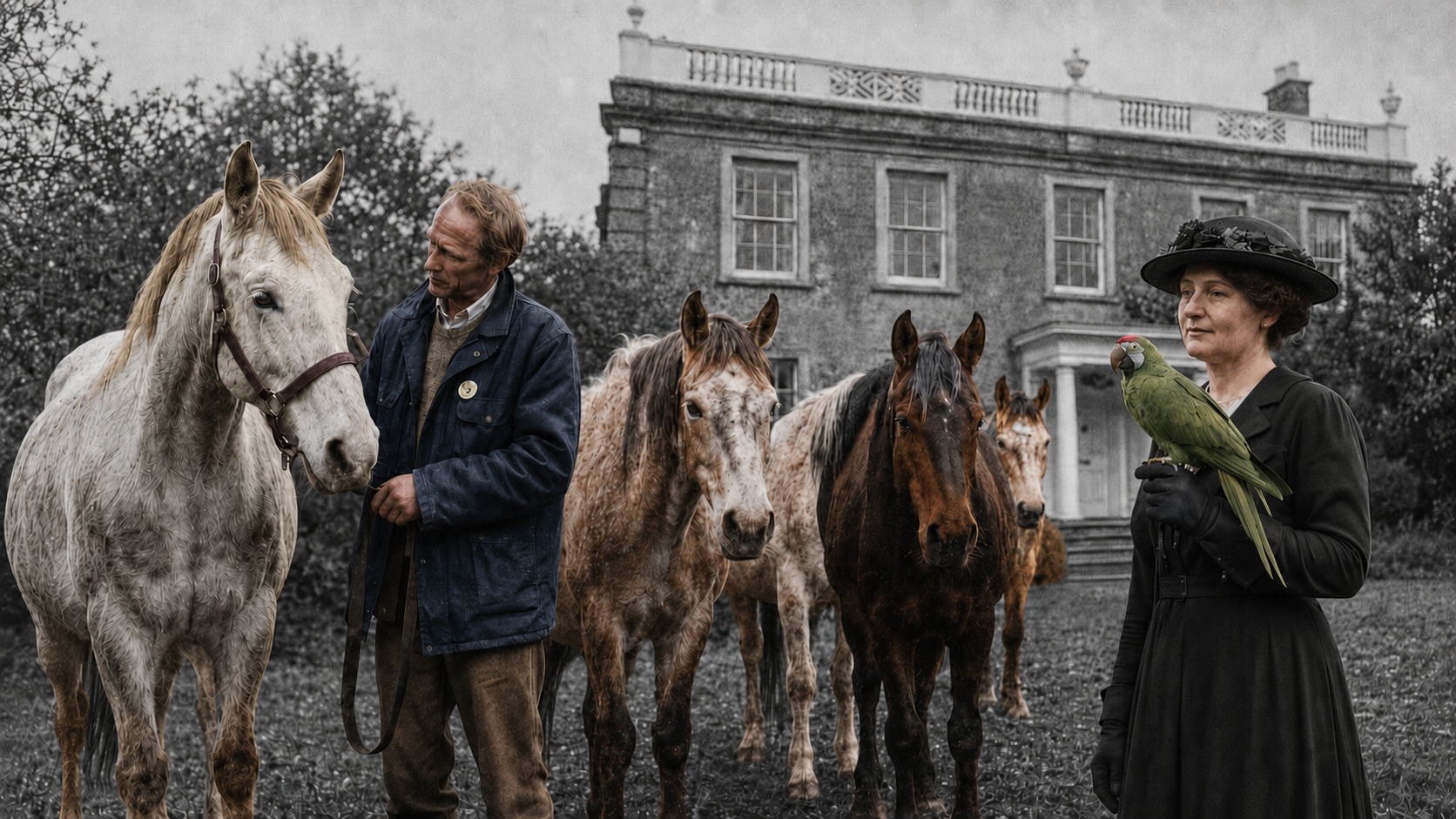
If Charles I is Billingham Manor’s most famous ghostly visitor, its best-known resident is the Grey Lady.
According to the legend, Jane Leigh of Idlecombe fell in love with Edward Worsley while he was living at the manor. The affair ended in tragedy when Jane’s husband discovered the pair together. A sword fight followed. Edward escaped, but Jane was killed. From that day onwards, her spirit was said to wander the house dressed in grey, forever searching for the man she loved.
The legend attracted renewed attention in 1978 during a séance held at Billingham Manor, when psychic medium Margo Williams claimed to receive a desperate message she believed came from Jane herself.
“I entreat thee please, please do not kill him. I love him… Release me. Release me I entreat thee.”
Williams believed Jane’s spirit had remained within the house for centuries before finally finding peace. She also associated the distinctive scent of Madonna lilies, reported by numerous visitors over the years, with the Grey Lady’s presence.
THE CARD PLAYER’S CURSE
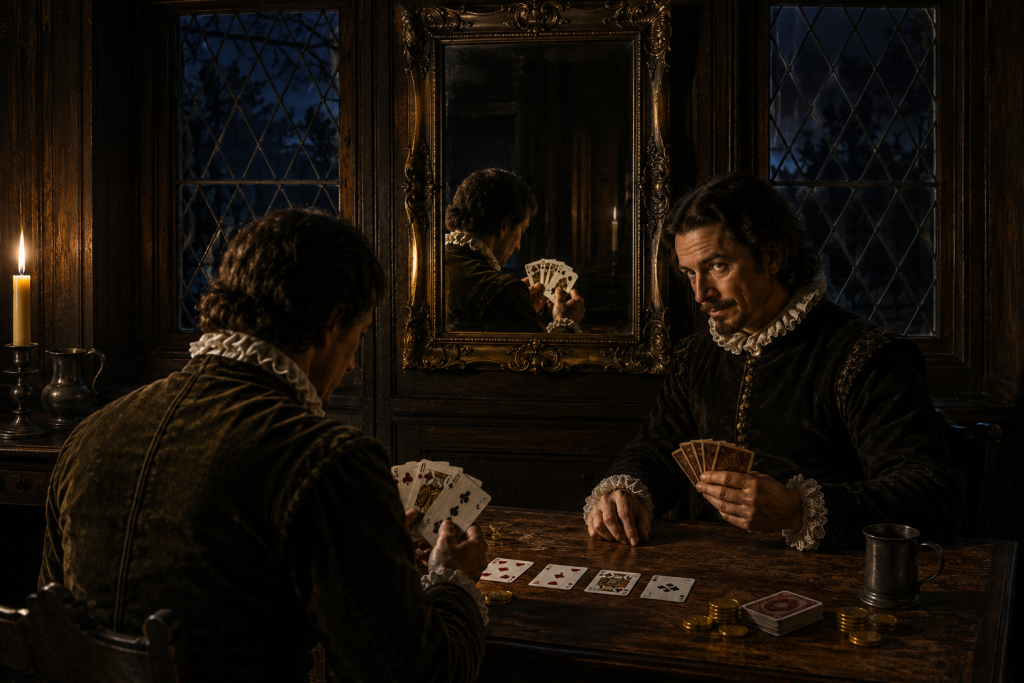
Legend claims one man’s dishonesty at the card table condemned him to haunt the manor long after his death.
The séance also revived another long-standing story involving Francis Worsley, a former resident whose fate was said to be bound to Billingham Manor.
According to tradition, Francis devised a simple but devastating way to cheat at cards. He deliberately seated his opponent beneath a mirror hanging on the wall between two windows, allowing him to watch the reflection of the other man’s hand while keeping his own concealed. Armed with that unfair advantage, Francis won such a considerable sum of money that his ruined opponent later took his own life with a pistol.
Local tradition held that Francis paid dearly for his deception. Rather than finding peace after death, his spirit was said to remain imprisoned within Billingham Manor for around 150 years, condemned to wander the house until the debt of his dishonesty had finally been repaid.
If you know of any other ghost stories linked to Billingham Manor, share them in the comments below.