
























A total of 6 known Isle of Wight men fought at Trafalgar, with 3 serving aboard Nelson’s flagship, HMS Victory.
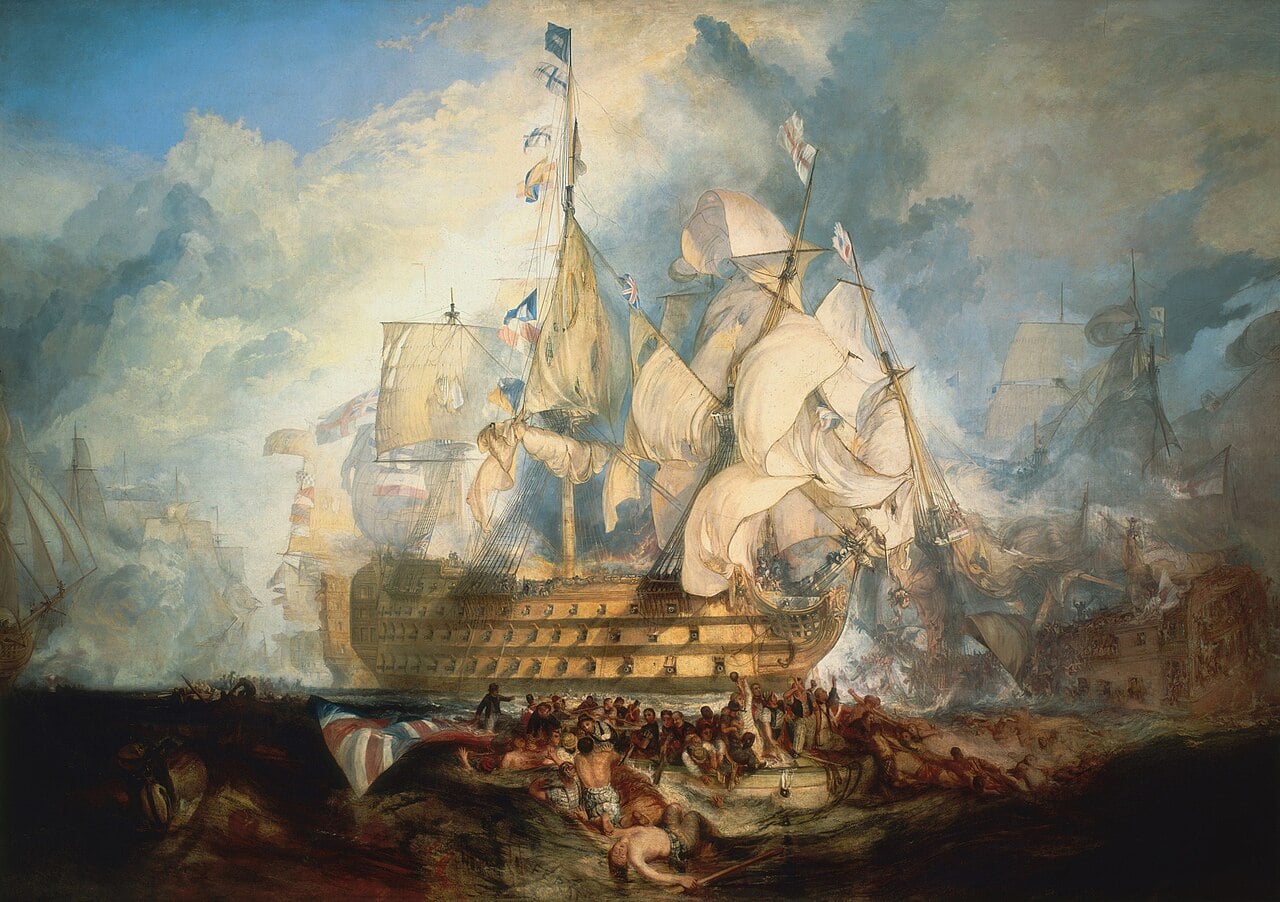
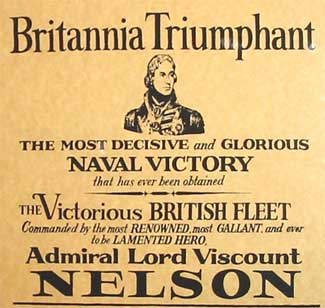
Every year on 21st October, Trafalgar Day commemorates Britain’s greatest naval victory. Off Cape Trafalgar, Admiral Lord Nelson led 27 British ships against a combined French and Spanish fleet of 33. His daring attack shattered the enemy line, securing Britain’s command of the seas.
Although Nelson himself was mortally wounded as victory was won.


Life on the Isle of Wight was closely bound to the sea. Fishing, coastal trade, shipbuilding and Portsmouth’s naval dockyard ensured many Islanders found themselves serving in Nelson’s fleet.
For some, naval service was a career. Others faced the threat of the press gangs, who patrolled Britain’s coasts searching for experienced seamen. Men could be seized from merchant ships, quaysides or even waterfront taverns and compelled to serve aboard Royal Navy warships.
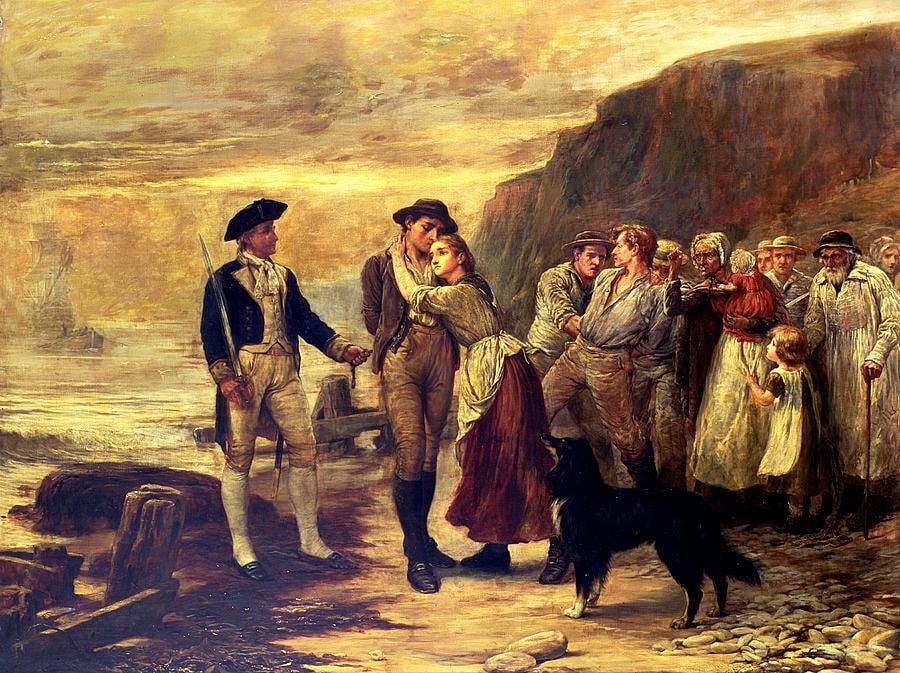
Whether any of the 6 known Isle of Wight men at Trafalgar entered the Navy in this way is unknown, but it was a reality familiar to many seafaring families.
Among the thousands of officers, seamen and marines who fought that day were at least 6 men from the Isle of Wight. Three served aboard HMS Victory, another 2 fought on Admiral Cuthbert Collingwood’s HMS Royal Sovereign, while a sixth was aboard HMS Achille.

The most distinguished of the Island contingent was John Clavell, born at Calbourne. He entered the Royal Navy as a boy and spent more than 20 years at sea before Trafalgar, serving in the Mediterranean, taking part in the occupation of Toulon, the capture of Corsica and the Battle of Cape St Vincent.
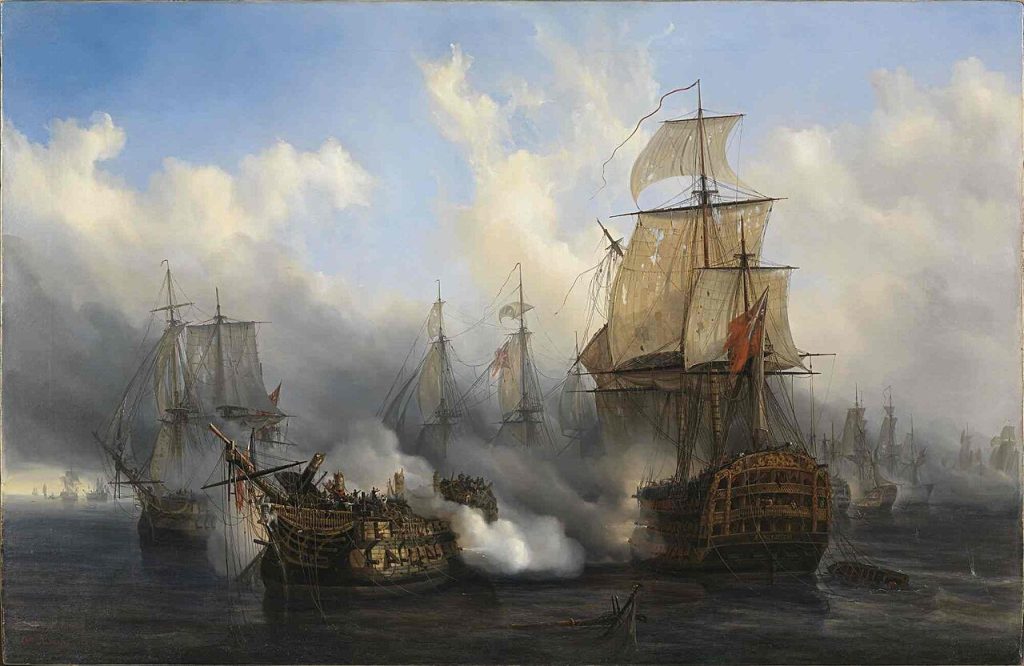
By 1805, Clavell had risen to become First Lieutenant of HMS Royal Sovereign, Admiral Collingwood’s flagship. As First Lieutenant, he effectively ran the 100-gun warship, ensuring Collingwood’s orders were carried out throughout the battle. Collingwood thought so highly of Clavell that – when transferring his flag to Royal Sovereign – he personally requested Clavell should accompany him, describing him as “my right arm, and the spirit that puts every thing in motion”.
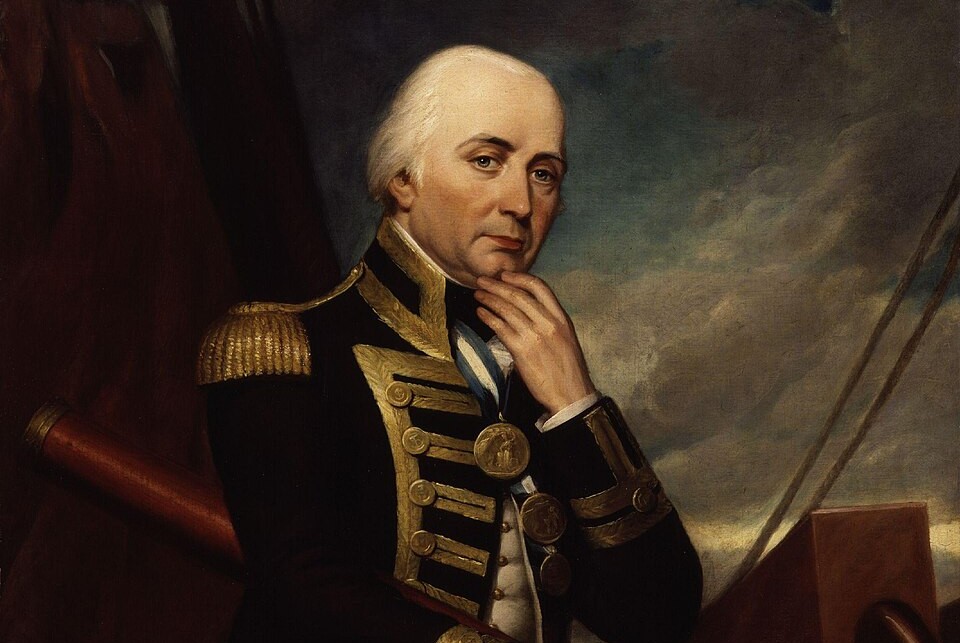
When Royal Sovereign became the first British ship to smash through the combined French and Spanish line at Trafalgar, Clavell was at the centre of the action. He was wounded in the head but remained at his post throughout the battle. His conduct earned immediate recognition, with promotion to Commander the following day.
Clavell later became a Post Captain, commanded several warships and ended his career as Captain at Greenwich Hospital. He and his wife, Catherine Bulley, raised 13 children. Their daughter Jane Newnham Collingwood Clavell married the Rev. Edward Austen, a son of Admiral Sir Francis Austen and nephew of the novelist Jane Austen, while other children married into prominent naval families.
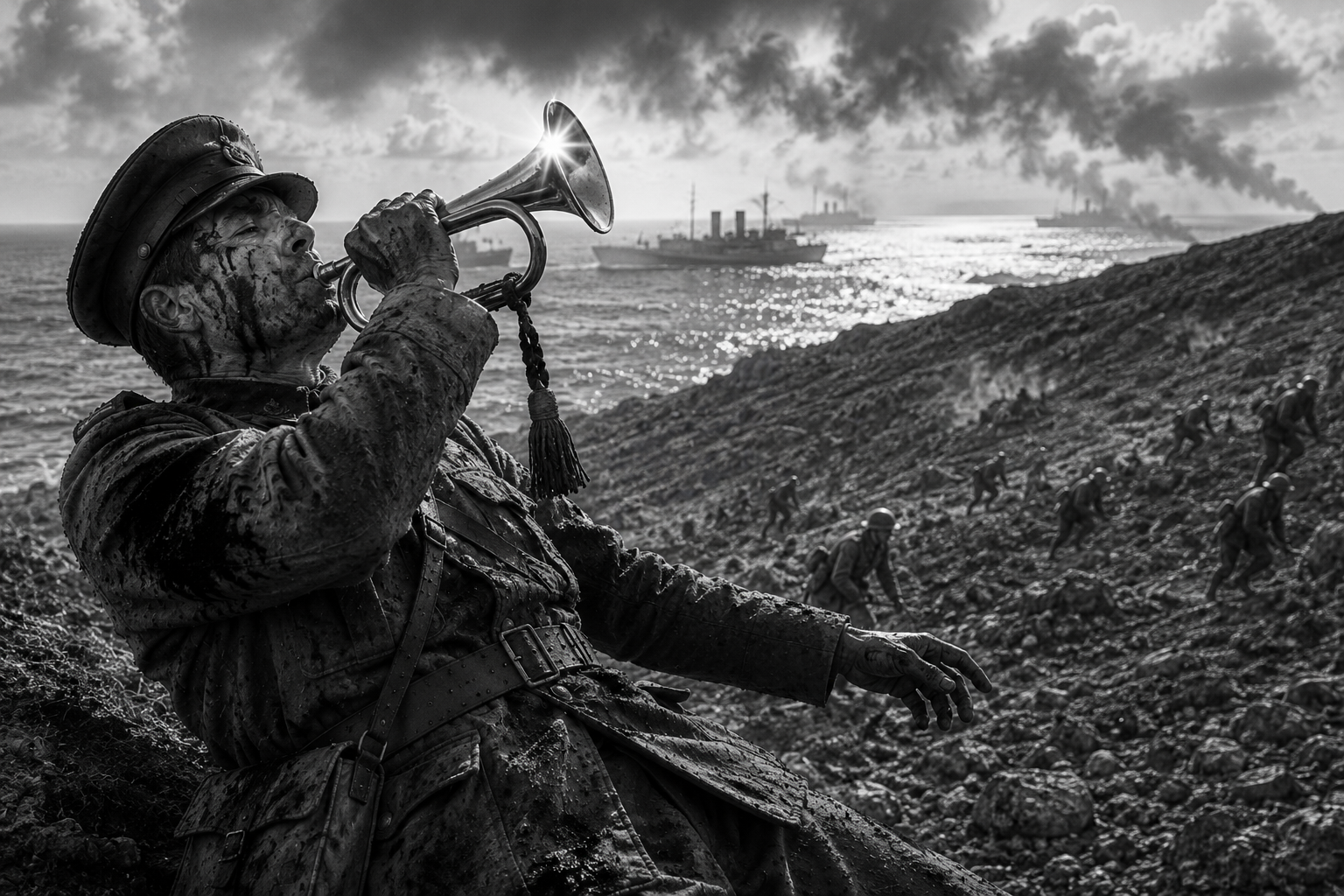
Three Newport men served aboard Nelson’s own flagship. Phineas Board held the unusual position of trumpeter. In battle, recognised trumpet calls relayed commands across a ship where cannon fire drowned ordinary speech. As Victory fought through the enemy line, Board helped keep communications flowing.
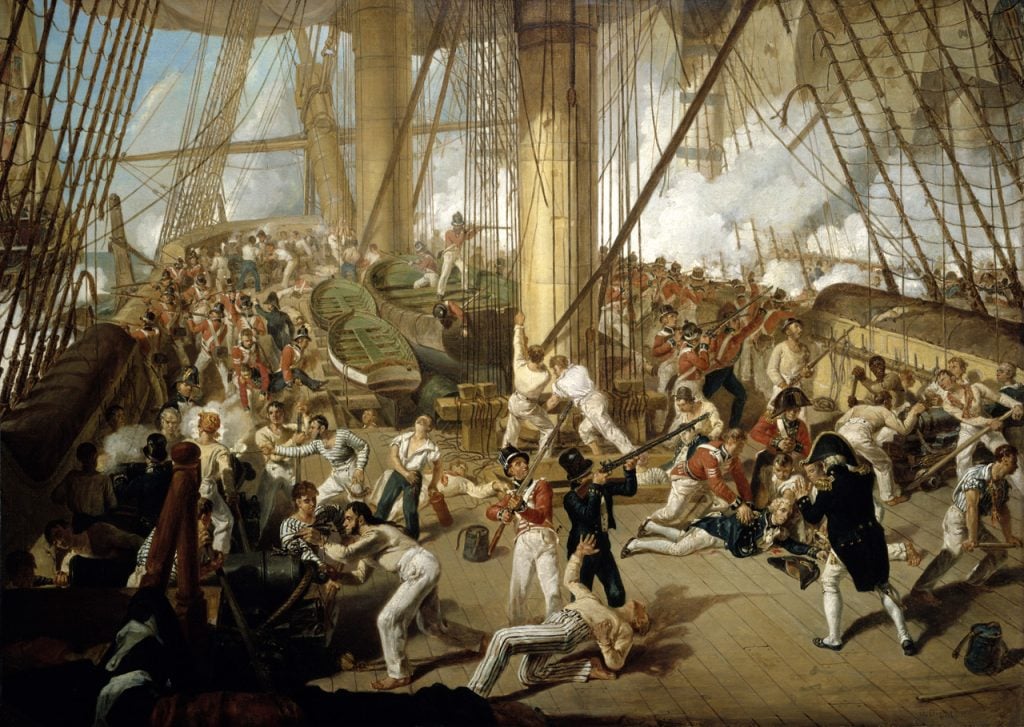
Alongside him was Able Seaman Isaac Saunders. Able Seamen formed the backbone of every warship’s crew, handling sails, working the guns and keeping the ship fighting despite casualties and damage.
The third Newport sailor aboard Victory was Quarter Gunner William Terrant. Quarter Gunners maintained the ship’s artillery, ensuring guns, powder and equipment remained ready for action aboard one of the Royal Navy’s most powerful warships. Terrant survived Trafalgar and went on to enjoy a long naval career, eventually returning to serve aboard Victory years later.
Another Newport man, Abraham Shipman, served as an Able Seaman aboard HMS Royal Sovereign. Shipman would have been among the experienced sailors serving the guns as Collingwood’s flagship endured devastating enemy fire before delivering the first crushing broadside of the battle.
The youngest known Island participant was John McDonald, a 20-year-old Ordinary Seaman aboard HMS Achille. Although still learning his trade, he was expected to assist gun crews, work aloft and obey orders instantly under fire. Achille became heavily engaged during the fighting, placing even its youngest crewmen in the thick of the action.
Do you have an Isle of Wight ancestor who fought at Trafalgar? Let us know in the comments below.