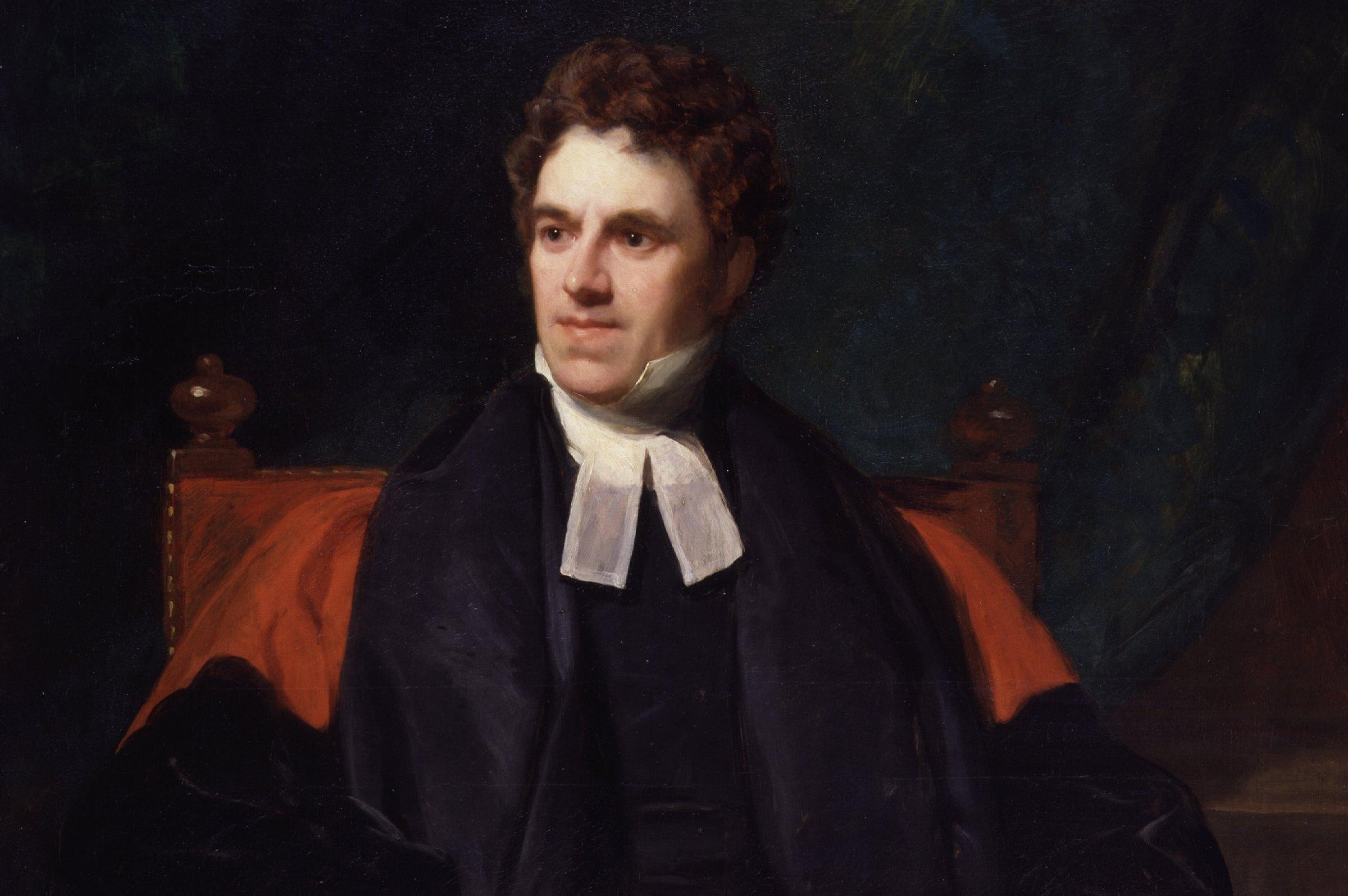



















































The inspirational headmaster at the heart of Tom Brown’s Schooldays was born in Cowes in 1795, before going on to reshape education for generations.
Every year on 5th October, World Teachers’ Day celebrates the people who shape future generations. Few have left a greater mark than Dr Thomas Arnold, whose ideas transformed Britain’s schools.
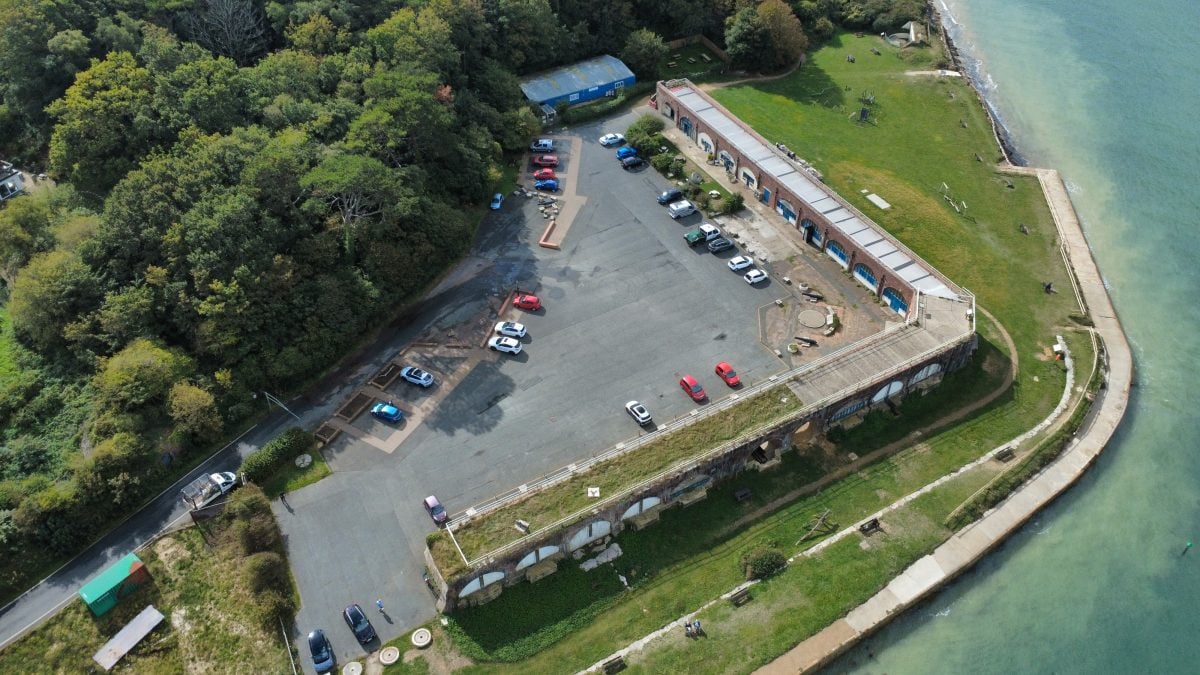
Thomas Arnold was born on 13 June 1795 at Westbourne House in Cowes. His father, William Arnold, was Collector of Customs, responsible for supervising shipping, collecting duties and combating smuggling along one of Britain’s busiest stretches of coastline. He also served as the town’s Postmaster.


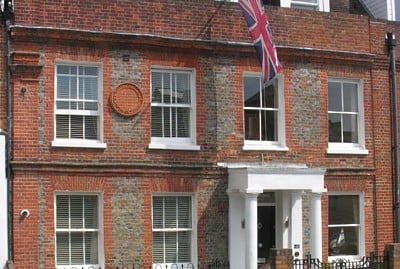
Arnold’s academic talents took him to Winchester College and then Corpus Christi College, Oxford. After graduating, he established a small school at Laleham, where he developed ideas that challenged the accepted purpose of education. He believed schools should prepare young people for lives of service and public duty, placing the formation of character above the mere accumulation of knowledge.
In 1828, he was appointed headmaster of Rugby School, which had a reputation for poor discipline and bullying. Public schools at the time were often criticised as violent, unruly places that did little to prepare boys for adult life. Arnold believed schools should do far more than teach academic subjects. His aim was to hasten the transition from impulsive boyhood to responsible adulthood, producing young men whose character matched their learning.
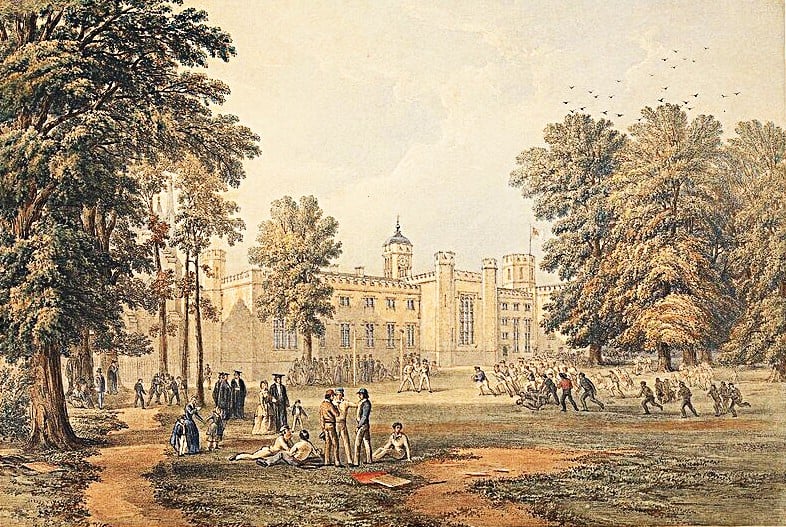
He famously summarised his priorities as “first, religious and moral principle; secondly, gentlemanly conduct; thirdly, intellectual ability.” Academic success mattered, but the formation of character, moral earnestness and gentlemanly conduct mattered more.
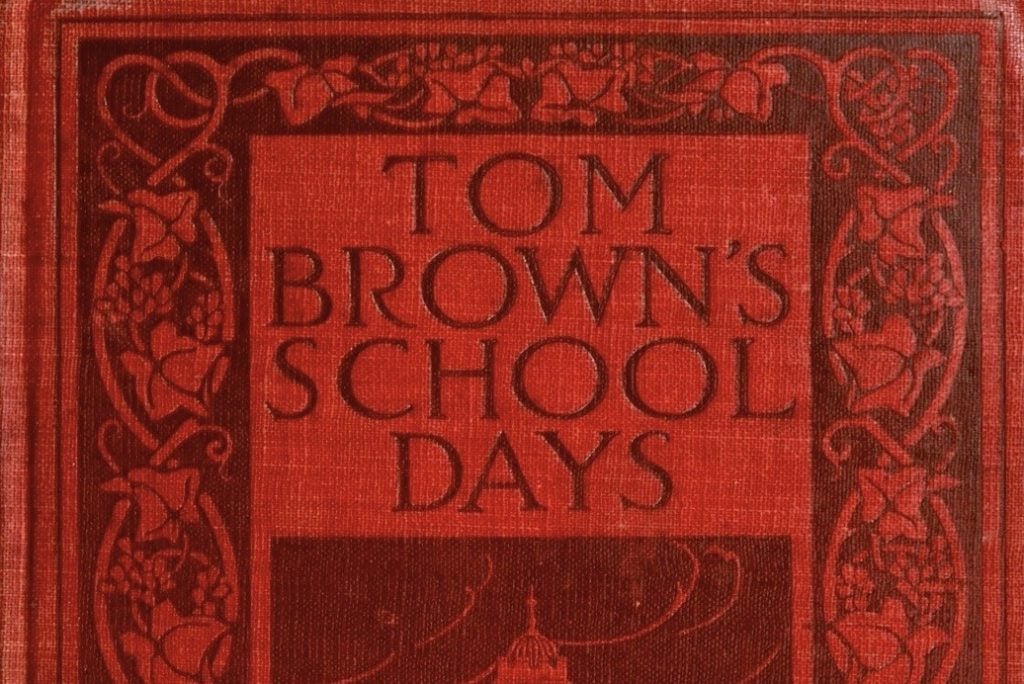
Although Tom Brown’s Schooldays was published in 1857, 15 years after Arnold’s death, former Rugby School pupil Thomas Hughes based its inspirational headmaster on the man who had shaped his own life. Drawing on his experiences at Rugby, Hughes portrays Arnold as a wise and respected headmaster whose fairness, authority and Christian character shape generations of pupils.
The novel became one of the great Victorian bestsellers, established the school story as one of Britain’s most popular literary genres and was translated into numerous languages, introducing Arnold’s educational ideals to generations of readers.

Arnold believed boys learned responsibility by being trusted with it. He gave senior pupils genuine authority through the prefect system, believing the moral tone of a school depended upon boys learning the government of self before exercising authority over others.
Anyone who served as a school prefect experienced one of Thomas Arnold’s most enduring ideas. His reforms spread from Rugby to schools across Britain and beyond.
He also believed a headmaster’s influence extended far beyond the classroom. Masters were expected to know their pupils personally, encourage strength of character and moral courage, and take an interest in their welfare, laying the foundations of modern pastoral care.
Arnold also broadened the curriculum. While Latin and Greek remained important, he gave history a far more prominent place, believing it encouraged independent judgement, public duty and responsible citizenship.
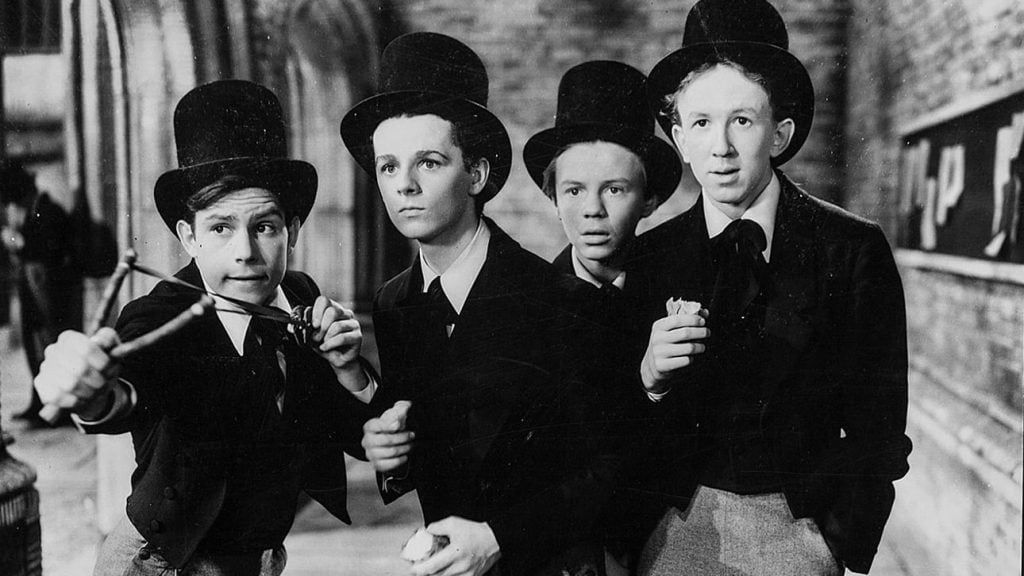
Thomas Hughes later described Arnold simply as “a man to be trusted”, perhaps the greatest compliment a former pupil could pay his teacher.
Arnold’s influence spread far beyond Rugby as many of the masters who worked under him became headmasters themselves, carrying his ideas into schools across Britain and the wider Empire. His educational philosophy also impressed Pierre de Coubertin, helping shape the ideals behind the modern Olympic movement.
In 1841 Arnold was appointed Regius Professor of Modern History at Oxford, where he continued writing and lecturing until his sudden death on 12 June 1842, one day before his 47th birthday.
Millions know Dr Arnold through Tom Brown’s Schooldays. Far fewer know that the man who inspired him was born in Cowes.