













































Before Harvest Festivals filled the churches, Isle of Wight farming communities celebrated the end of the harvest with feasting and song.
In the 18th and 19th centuries, Harvest Home was the highlight of the Island farming year. It marked the moment when the last of the corn had been safely gathered and another harvest had been secured before autumn weather could destroy weeks of hard work.
For labourers it meant a welcome evening of food and drink after one of the busiest periods of the year. For farmers, it was an opportunity to thank those whose efforts had brought in the crop.


The fullest description of an Isle of Wight Harvest Home was recorded by Calbourne-born writer William Henry Long in 1886. Born in the West Wight village in 1839, Long spent part of his childhood on the Island before moving to the mainland. His affection for the Isle of Wight never faded and, by the time he published his famous dictionary of Island dialect and customs, he realised many of the traditions he had known were already rapidly disappearing.
Harvest demanded every available pair of hands. Alongside the regular farm workers came extra hands hired specifically for what was known as the “harvest month”. Carpenters, blacksmiths and other tradesmen were also expected to help if threatening skies put the crop at risk. Until every field had been cut and the corn safely stacked, there was no room for delay.
The farmer provided food throughout the harvest for both his regular workers and those employed for the season. The final Harvest Home supper therefore served not only as a celebration, but also as a thank-you to everyone whose labour had secured the crop.
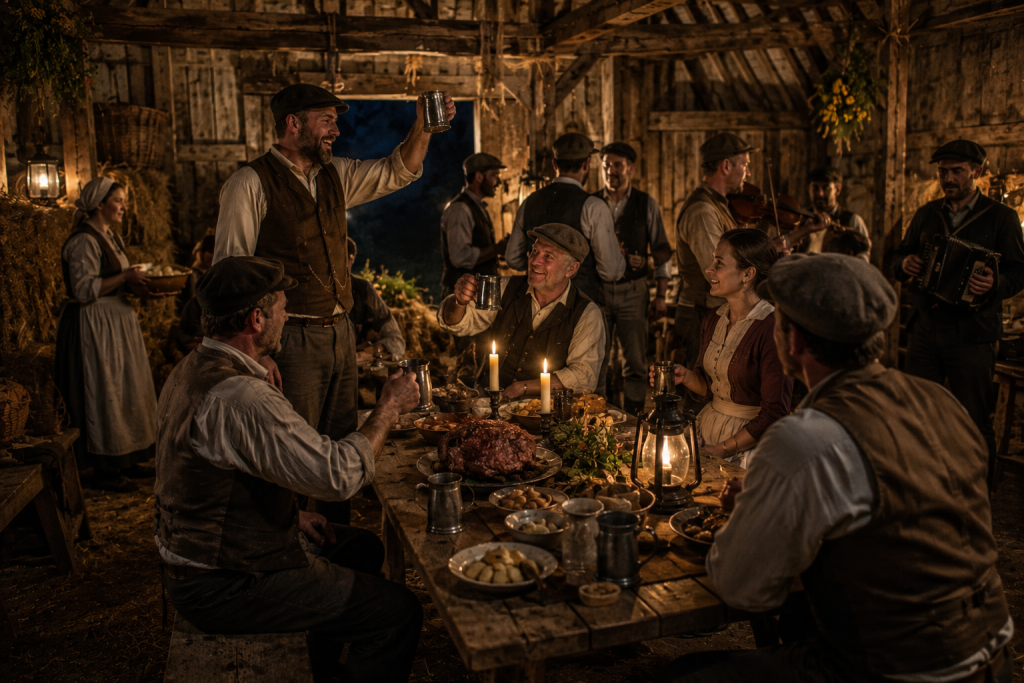
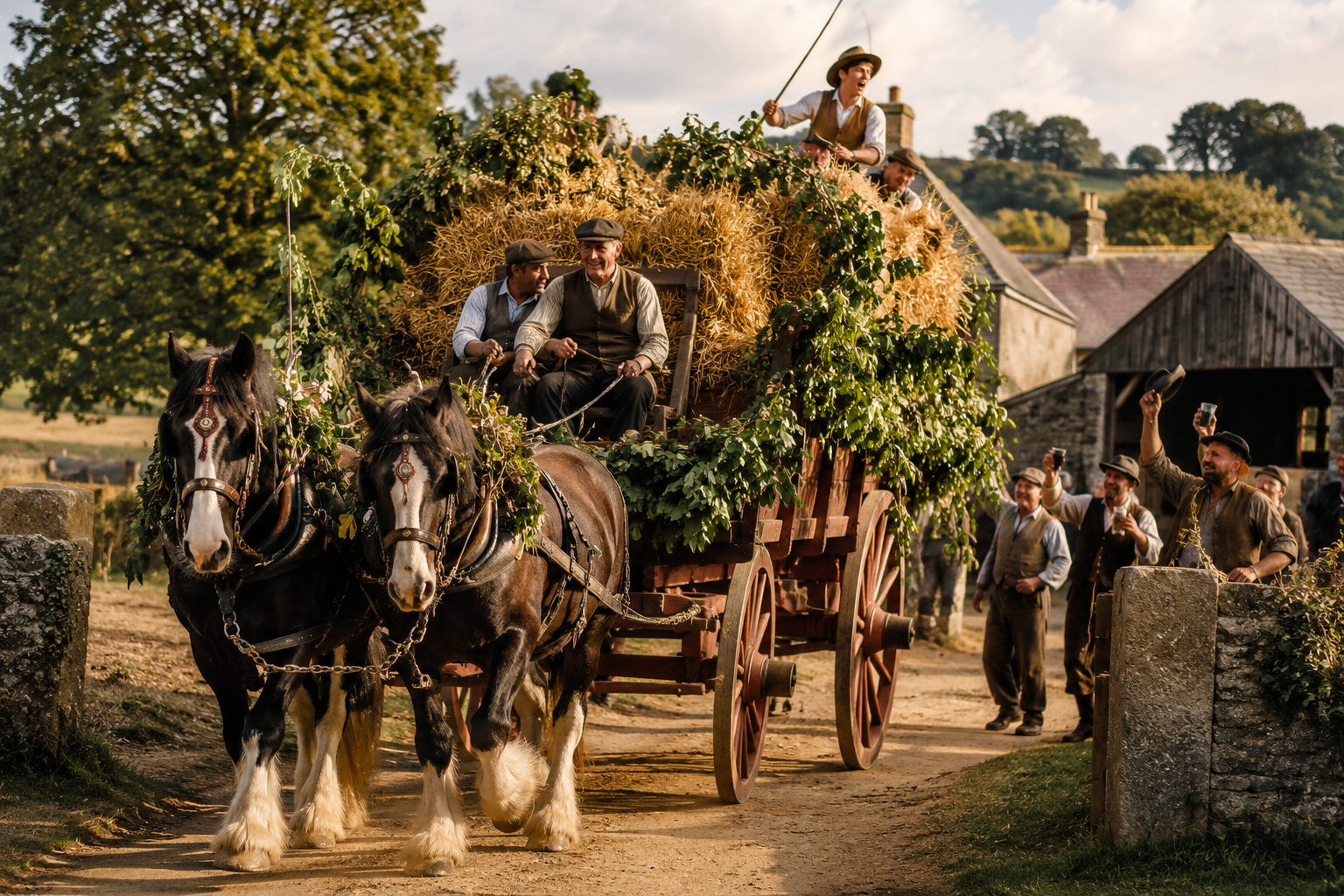
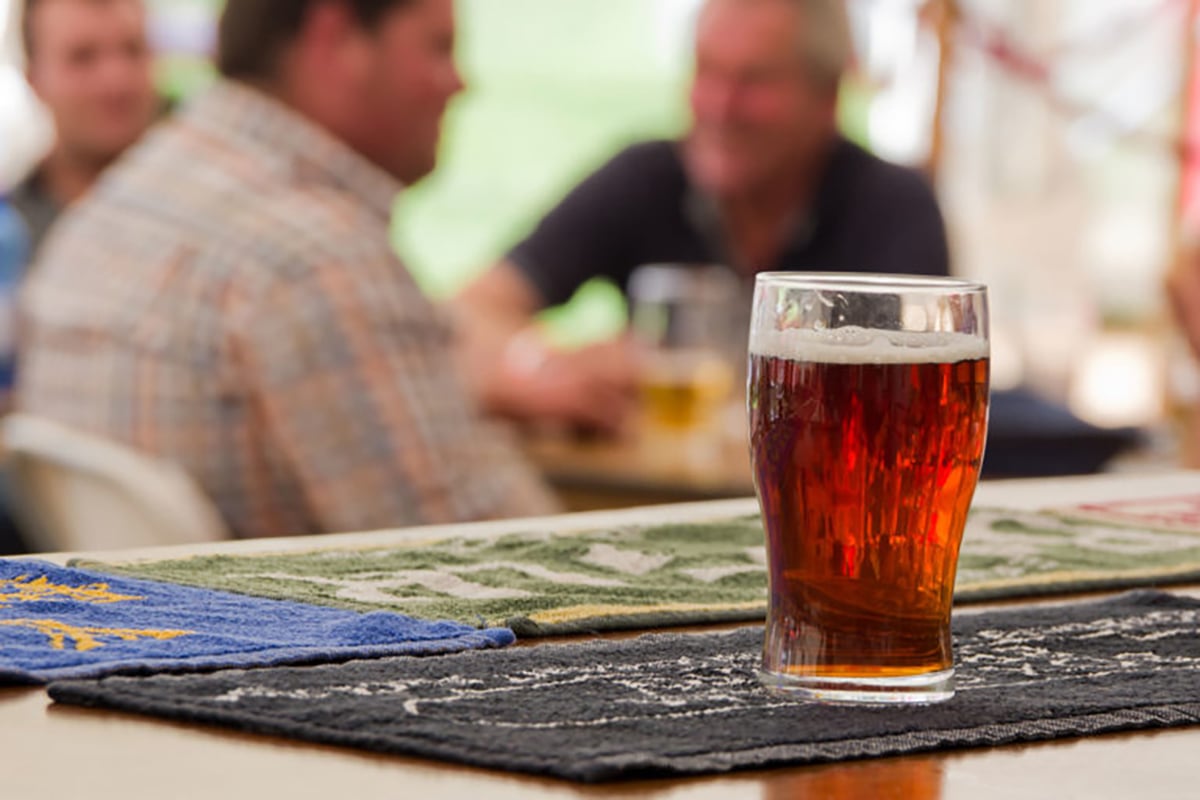
With the final wagon loaded, work paused long enough for those gathered to share a “puncheon” of nammet beer. Green boughs were fixed to the last load before the horses set off for the farm, turning an ordinary wagon into a symbol of another successful harvest. The final journey was often accompanied by raucous singing and hearty cheers.

Long recorded that the completion of individual wheat and barley fields was sometimes marked with a pint or two of strong beer and a few songs beside the wagons. These smaller gatherings acted as a foretaste of the real Harvest Home, building anticipation until the entire harvest had finally been completed.
When the final wagon reached the rick yard, the farmer’s wife and neighbouring women had laid out the feast. Long recalled long tables groaning with food and ale, with labourers, farm servants and local tradesmen all taking their places alongside the farmer, or “meyaster”.
The meal reflected the importance of the occasion. Roast and boiled beef were followed by pies, vegetables and generous helpings of plum pudding, washed down with gallons of strong beer.
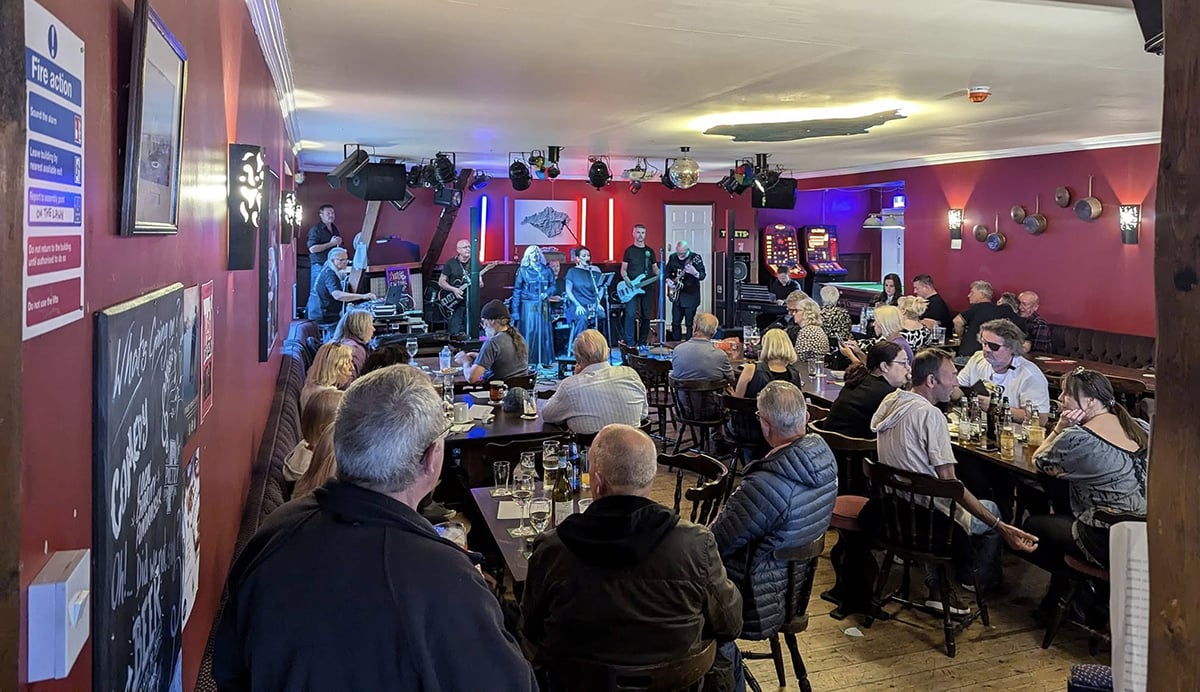
But Harvest Home was never just about eating. Music formed an essential part of the evening and followed rituals that had been handed down through generations.
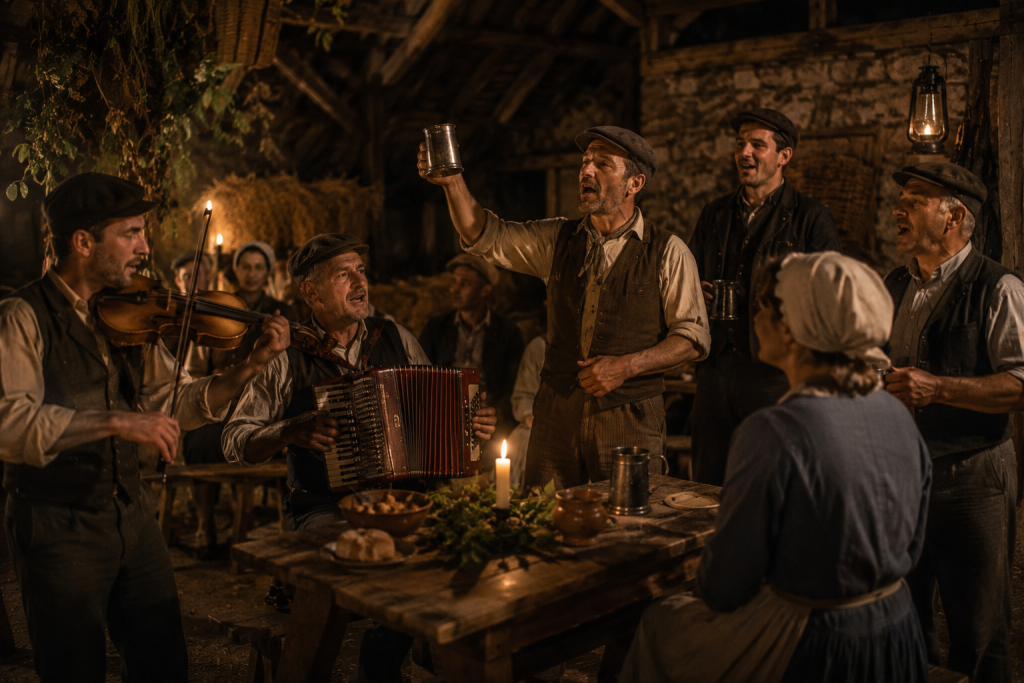
One of the best-known songs began with the words, “Here’s a health unto our master”. It was sung as a series of toasts, first honouring the farmer and then his wife, with everyone expected to raise a glass after each verse. The familiar chorus urged the company to “drink, boys, drink”, while some versions included an additional verse thanking the farmer’s wife for keeping the workers well fed throughout the harvest.
Long also preserved songs that reflected everyday life in the fields. One follows the harvest from the sharpening of reap hooks in the early morning, through long hours cutting corn beneath the summer sun, to the welcome arrival of “nammet time”, when bread, cheese and ale were brought out to the workers. It ends with the satisfaction of the harvest completed and the celebrations beginning.
Not every favourite was about harvesting. Humorous dialect songs such as Lumps o’ Pudden’ celebrated hearty country appetites, while other popular numbers, including Will the Weaver, Whistle, Daughter, Whistle, The Little Cappender and The Jovial Sportsmen, helped turn Harvest Home into a lively evening of communal singing that often continued long after supper had ended.
The songs changed slightly from village to village, but their themes remained much the same: gratitude for a successful harvest, respect for the farmer, pride in hard work and appreciation of the men and women whose labour had filled the barns.
The last sheaf of corn was often treated with particular importance, sometimes woven into an ornamental harvest knot or corn dolly to preserve until the following spring. Decorations of flowers, ribbons and greenery adorned the final wagon, while speeches and further toasts rounded off the evening.
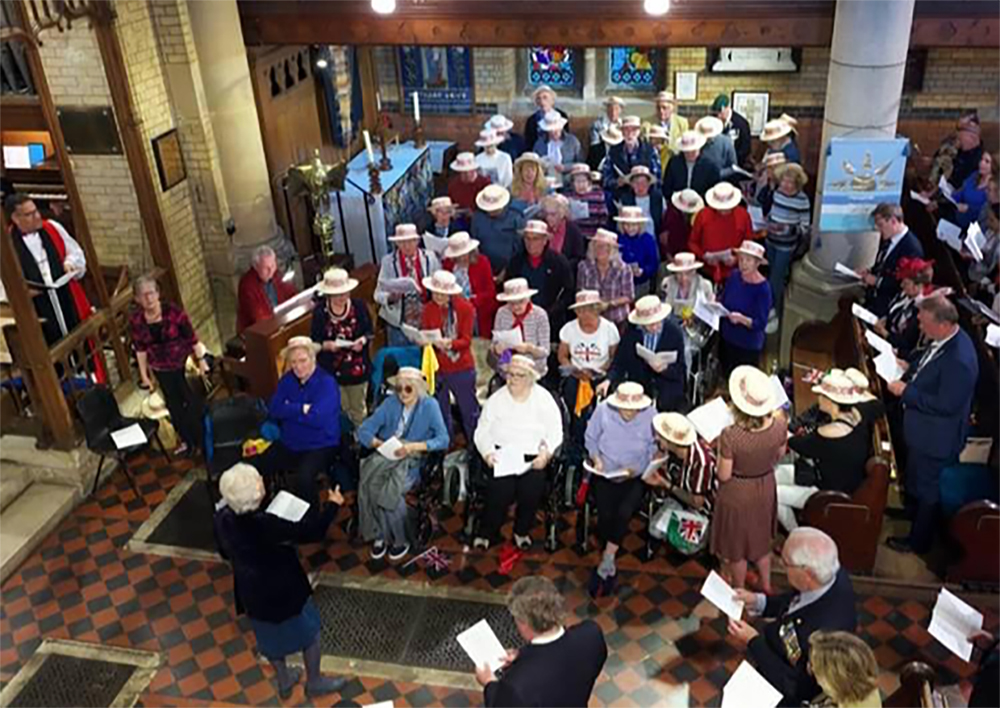
By the middle of the 19th century another harvest tradition was becoming increasingly familiar. Churches across the Island began holding Harvest Festival services, decorating their interiors with sheaves of corn, fruit, vegetables and flowers in thanksgiving for the year’s bounty.
For a time the older Harvest Home and the newer church festival coexisted comfortably. Families might attend the Harvest Festival service while still looking forward to the traditional farm supper later in the season. Gradually, however, the church celebration became the more enduring custom as rural life began to change.
Mechanisation transformed farming. Horse-drawn wagons disappeared, combines replaced teams of labourers, and harvests that once took weeks were completed in a matter of days.
As farming changed, Harvest Home quietly disappeared from the Isle of Wight, leaving William Henry Long’s account as the fullest record of a celebration that had once marked the end of every harvest.