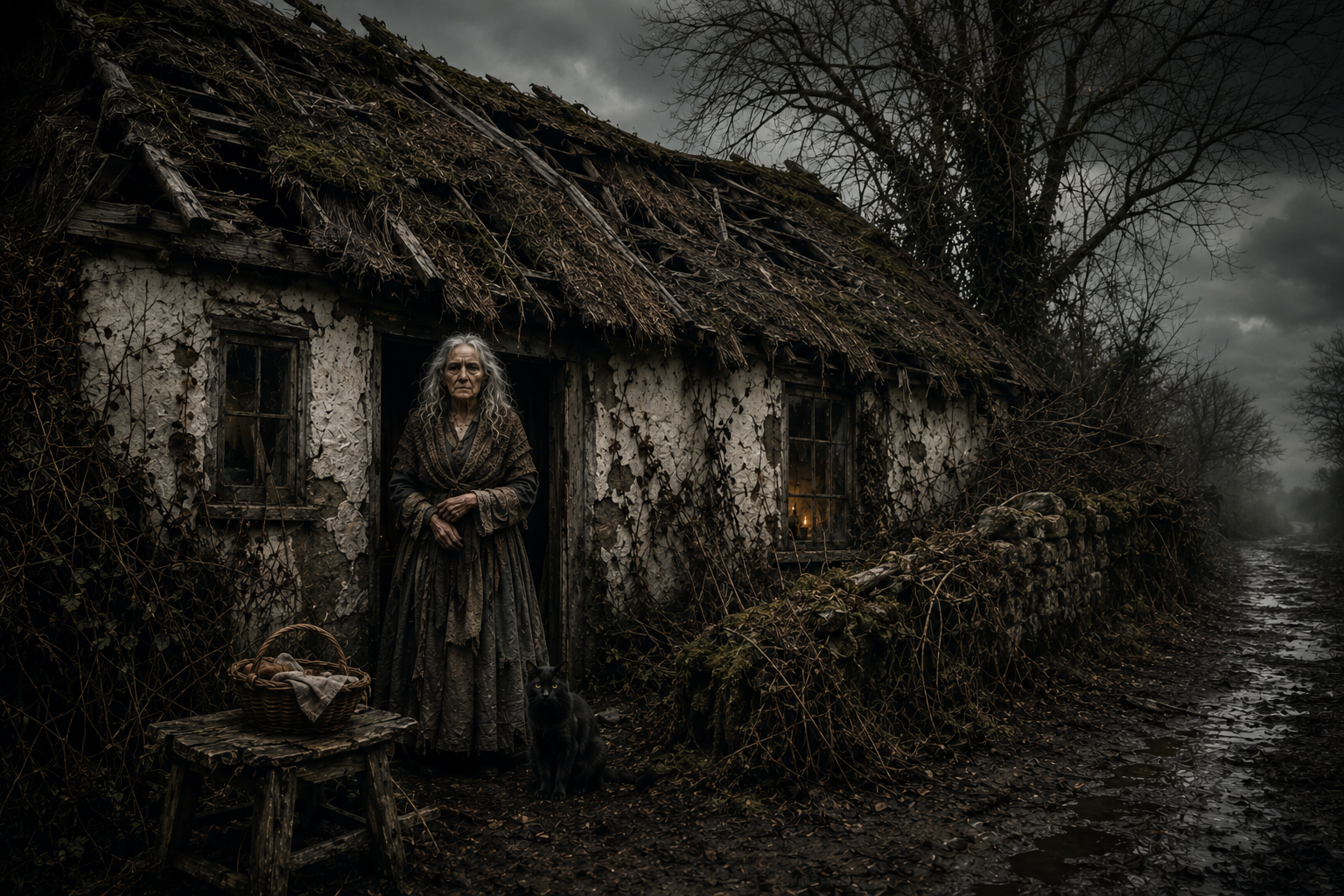








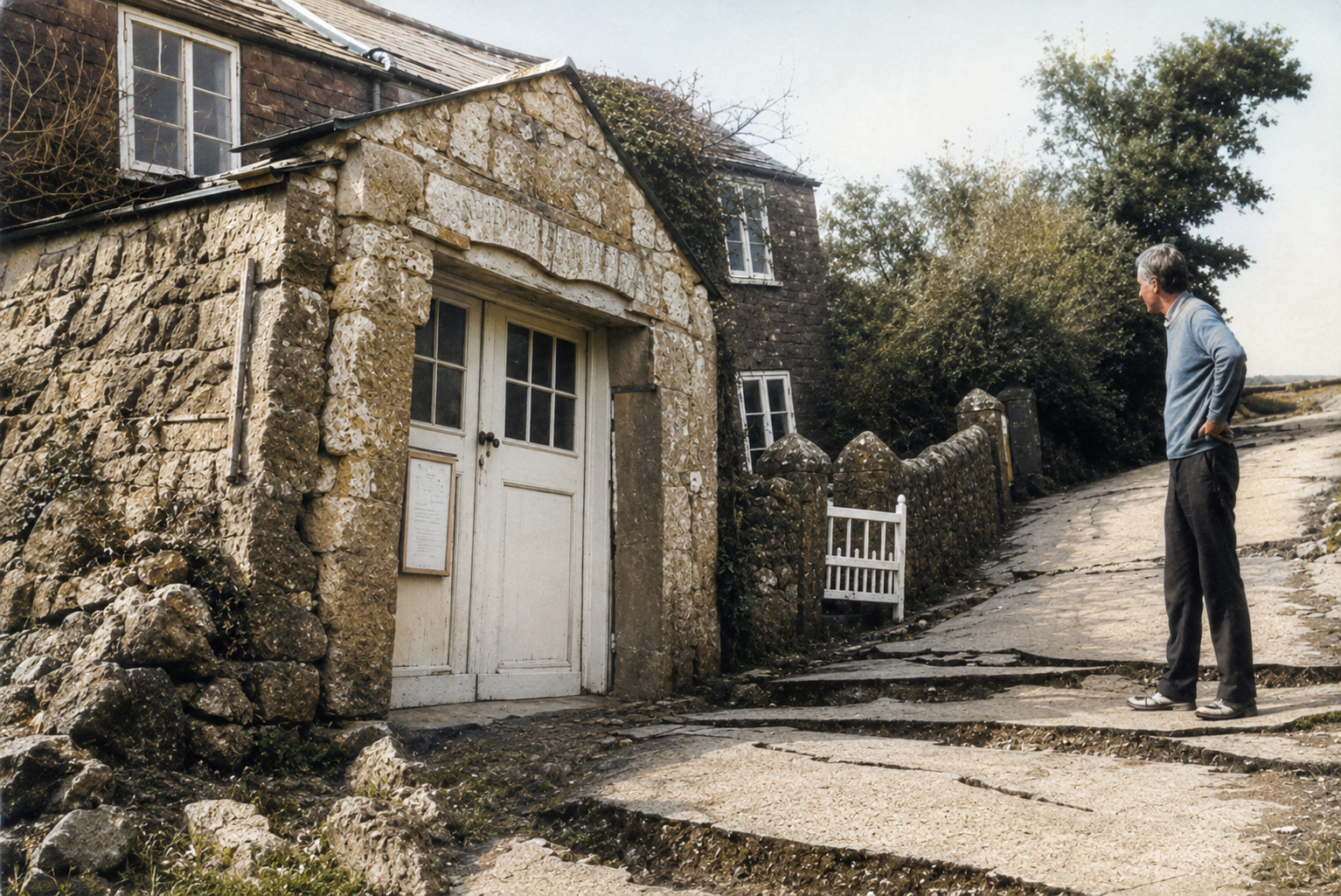











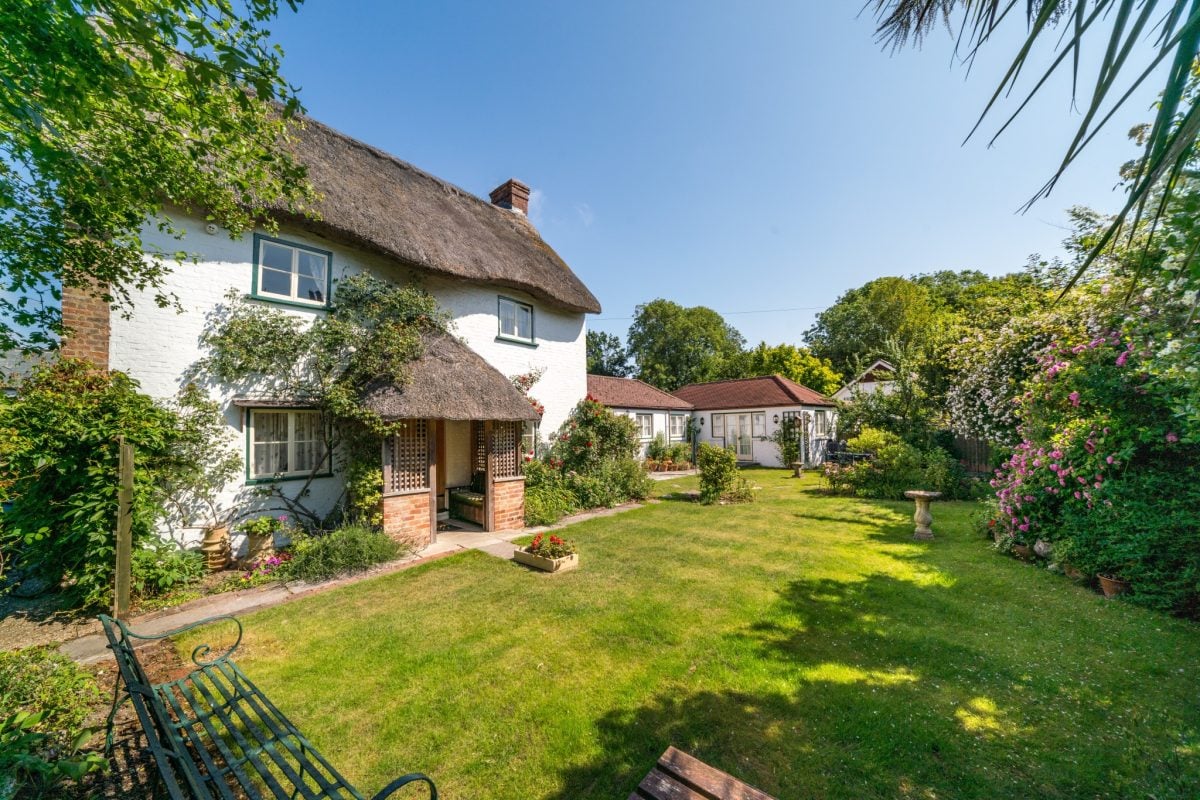















On the outskirts of Bembridge, a lone dwelling was once home to a woman many believed to possess strange supernatural powers.
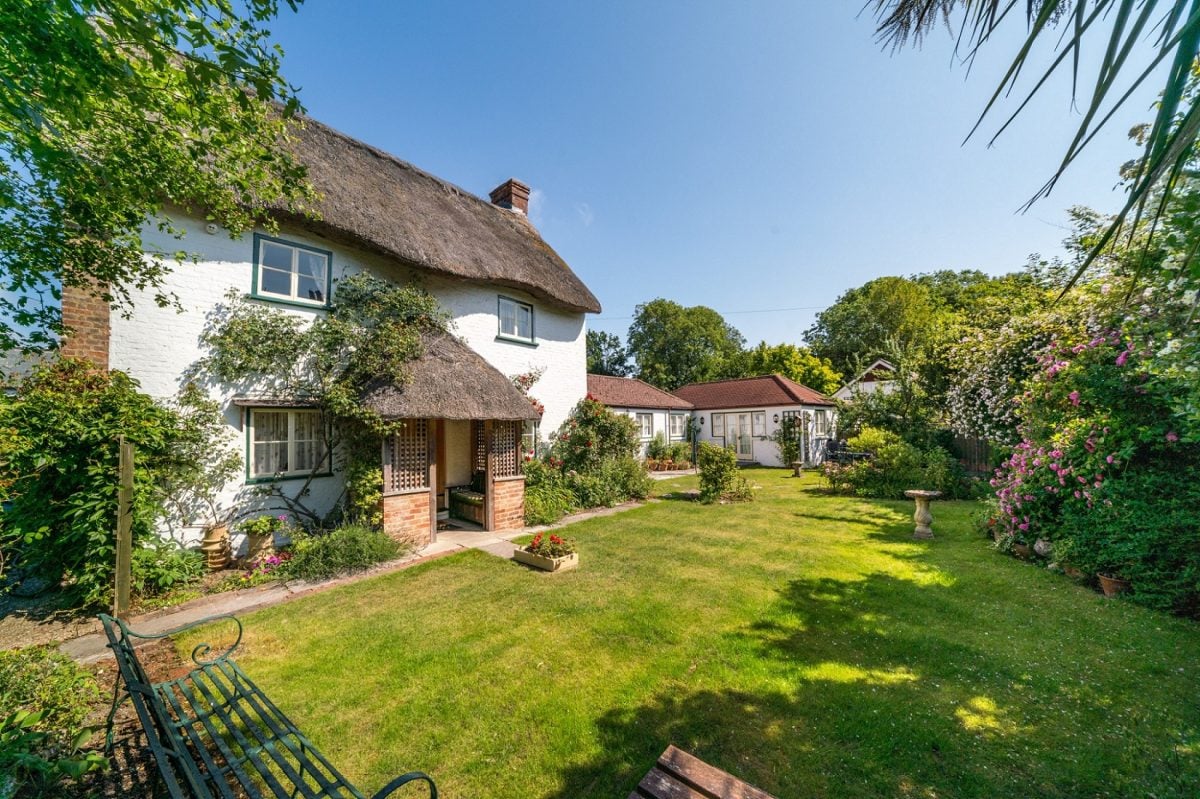
Few Islanders willingly crossed the threshold of the small thatched cottage that stood alone near Bembridge Farm. Neighbours left food outside its door rather than hand it to its occupant. Some sought her help when illness struck; others believed she could bring sickness and misfortune to anyone who incurred her wrath.
Villagers whispered about the bottles hanging from her chimney and the dolls she kept inside the cottage, blaming her for unexplained illness and sudden tragedy. She became known as the Isle of Wight’s last witch.


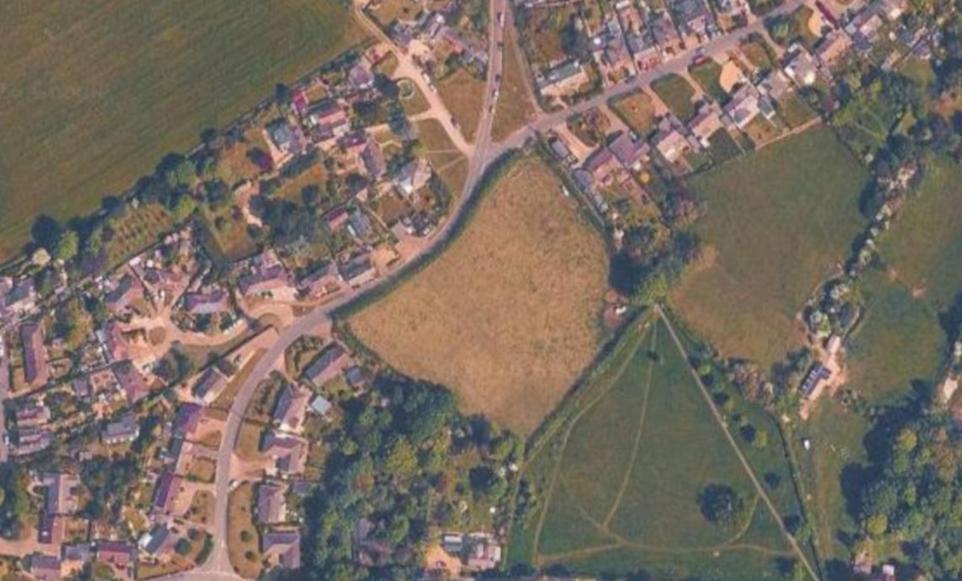
Molly Downer is believed to have been born in 1762 and died in 1831, spending the latter part of her life at Witches Hatch on Hillway, where her reputation took hold.
Molly was the illegitimate daughter of the Reverend Barwis of Niton, who left her only a modest annual allowance after his death – barely enough to survive.
In her younger years, she bore little resemblance to a witch. She was tall and graceful, with fair hair, striking blue eyes and a lively personality. She dressed neatly, enjoyed company and was said to have welcomed the attention of men, although she never married.
Her closest female companion became involved in an adulterous relationship – something Molly found unforgivable. Over the years she withdrew almost completely from society. Eventually, she rarely ventured beyond Witches Hatch and its tangled garden.
Neighbours learned to respect her strange routines. Food and other necessities were left on a broken stool outside the cottage, with payment collected after Molly had retrieved the goods.
Even a charitable woman who regularly supplied her with reading material usually exchanged it through a hollow in the boundary wall, where one book would quietly disappear before another took its place. Invitations inside the cottage were rare.
Those who did venture through the door found a house surrendered to neglect. Dust coated the furniture, cobwebs stretched across the rooms and spiders were left to spin undisturbed wherever they pleased. Hanging from the chimney were several bottles containing strange unknown substances.
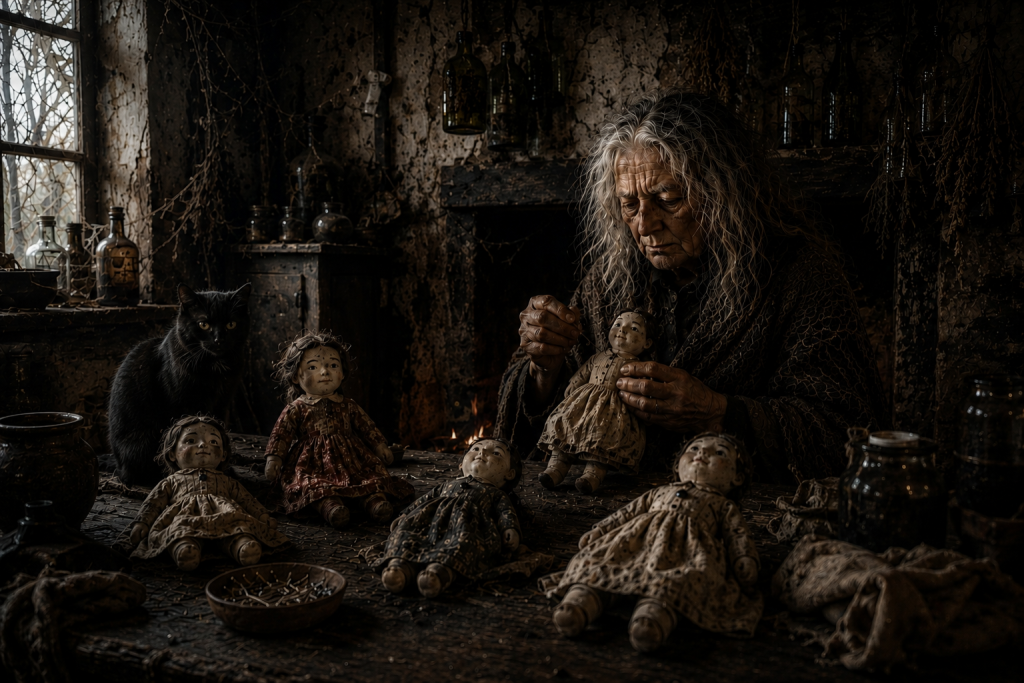
Scattered around the room stood 14 carefully dressed dolls. According to local gossip, Molly spent hours changing their clothes before moving pins from one part of their tiny bodies to another. It was widely believed that each doll represented a real person, and that every pin brought pain, illness or misfortune to the unfortunate soul it symbolised.
As those stories spread through Bembridge, almost every unexplained illness, accident or stroke of bad luck found its way back to Molly Downer’s cottage. Some locals even regretted the passing of the old ordeals once used to expose suspected witches, believing they would have proved Molly’s guilt.
One story was oft repeated. A young woman named Harriet repeatedly mocked the elderly recluse until Molly finally cursed her, declaring that if good fortune ever came Harriet’s way she would die before she could enjoy it.
Years later, Harriet was struck by paralysis, losing the power of speech and much of her mental ability. When she died, on the very day she was due to inherit a legacy of £20 – a small fortune at the time – many villagers regarded this as proof that Molly’s curse had been fulfilled.
Yet fear was only part of Molly’s reputation. People also visited her in the hope she could cure ailments that defeated conventional medicine.
She was known as a charmer, one of the folk healers who remained part of rural life well into the 19th century. Elsewhere, they were often known as ‘cunning folk’, using charms, prayers and traditional remedies alongside herbs and simple medicines. Even Bembridge’s schoolmaster was said to believe in Molly’s powers.
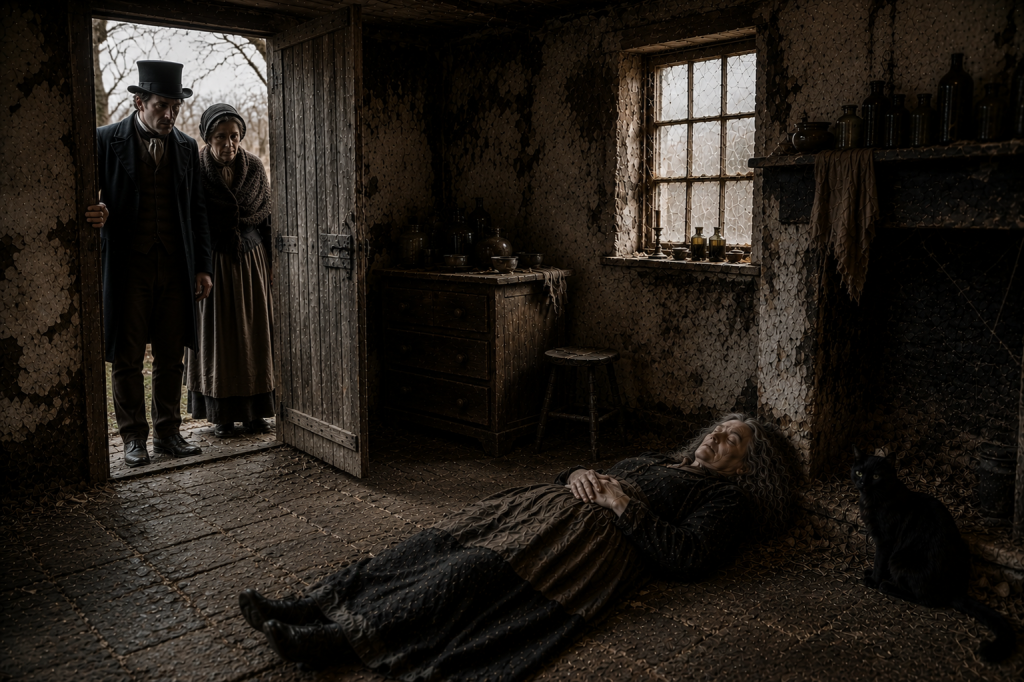
Concern grew when the woman who regularly exchanged books with Molly found they had disappeared from their usual place. She called at Witches Hatch but received no reply. Neighbours gathered and – after repeated knocks were answered only by silence – forced open the cottage door.
Molly was lying dead on the floor of the back room. There was no sign of violence. Her clothes had been carefully arranged around her, her hands folded across her body, her eyes closed and her mouth shut, almost as though someone had prepared her for burial. Yet every door and window remained fastened from the inside.
Many believed she had stashed away money somewhere in the cottage. Every corner was searched. The parish minister even ordered Molly’s body to be examined before burial in case valuables had been concealed within her clothing.
Nothing was found. Molly was dressed once more, returned to her coffin and buried in Brading churchyard, where no headstone marked her grave.
It has been claimed that Molly left everything she owned to Sir Henry Thompson, the first vicar of Bembridge, only for Witches Hatch to be burnt to the ground on his orders in 1835.
Much of Molly Downer’s story survives because it was recorded in The Isle of Wight Miscellany, a weekly publication printed in Ryde by E. Hartnall in 1844.
Molly Downer has not been forgotten. Her name has inspired a locally brewed beer and, more recently, a musical.