









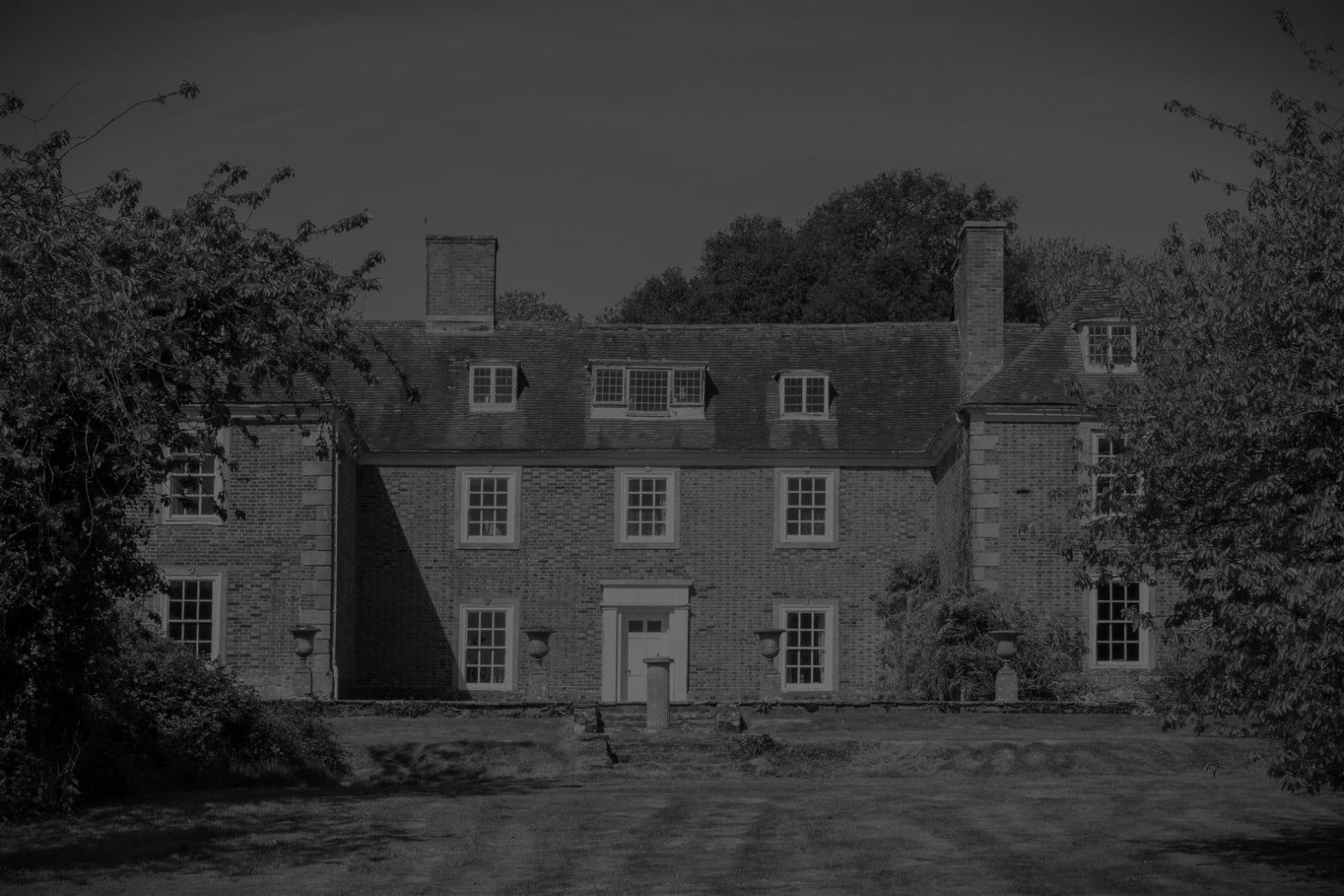































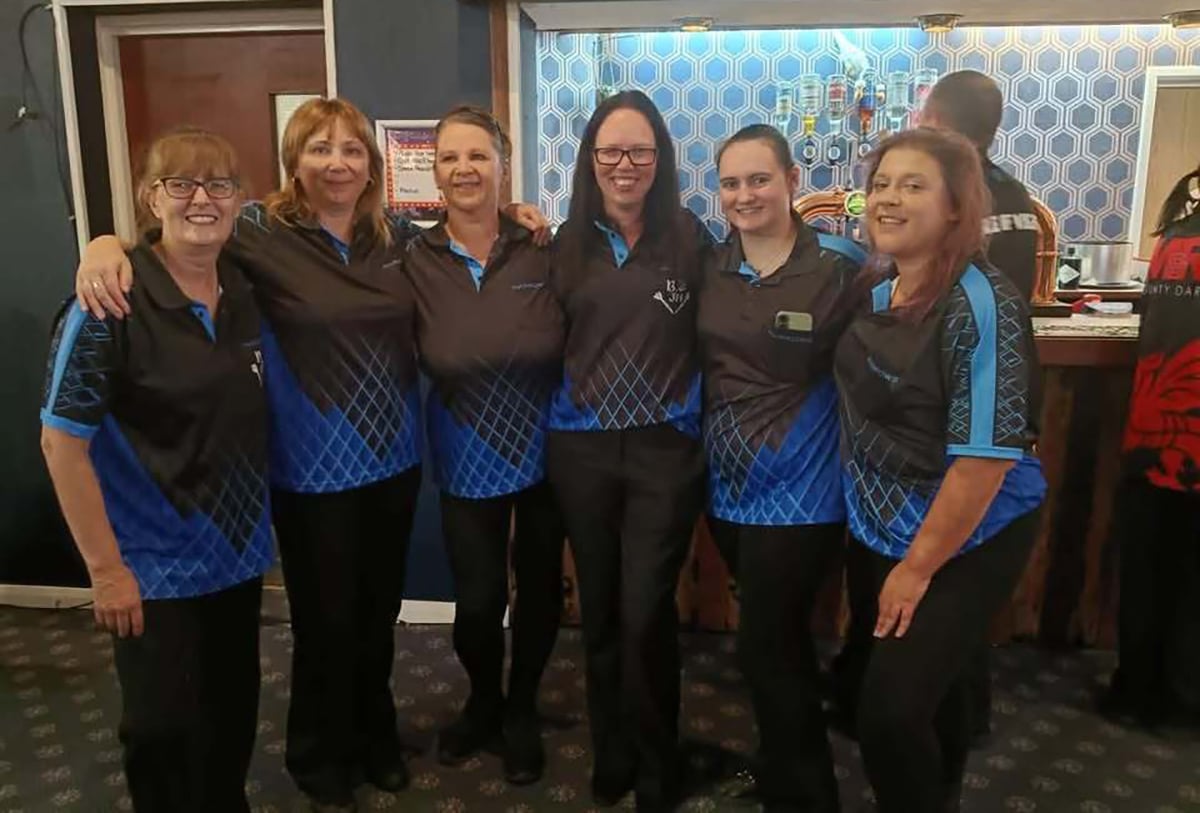








Before creating Winnie the Pooh, Alan Alexander Milne came to Osborne House to recover from the physical and mental toll of the Great War.
When the First World War began, Queen Victoria’s former home became the King Edward VII Officers’ Convalescent Home, where hundreds of officers recovering from wounds, illness and exhaustion rebuilt their strength before returning to military service or civilian life.
Among them was Lieutenant A. A. Milne, years before he became one of Britain’s best-loved authors…


By 1914, Milne had already established himself as one of Britain’s rising literary talents. A graduate of Trinity College, Cambridge, he had built a successful career as a playwright, journalist and humourist, becoming a regular contributor to Punch magazine, where his wit and gentle humour won a growing audience.
Like so many of his generation, however, he set aside his writing to volunteer for military service, receiving a commission in the Royal Warwickshire Regiment before serving as a signals officer on the Western Front.

By the summer of 1916, Milne’s war had come to an abrupt halt. Not through enemy fire, but because trench fever, a debilitating disease spread by body lice that caused high fever and weeks of exhaustion, had left him dangerously ill. Evacuated from France, his next destination was the Isle of Wight.
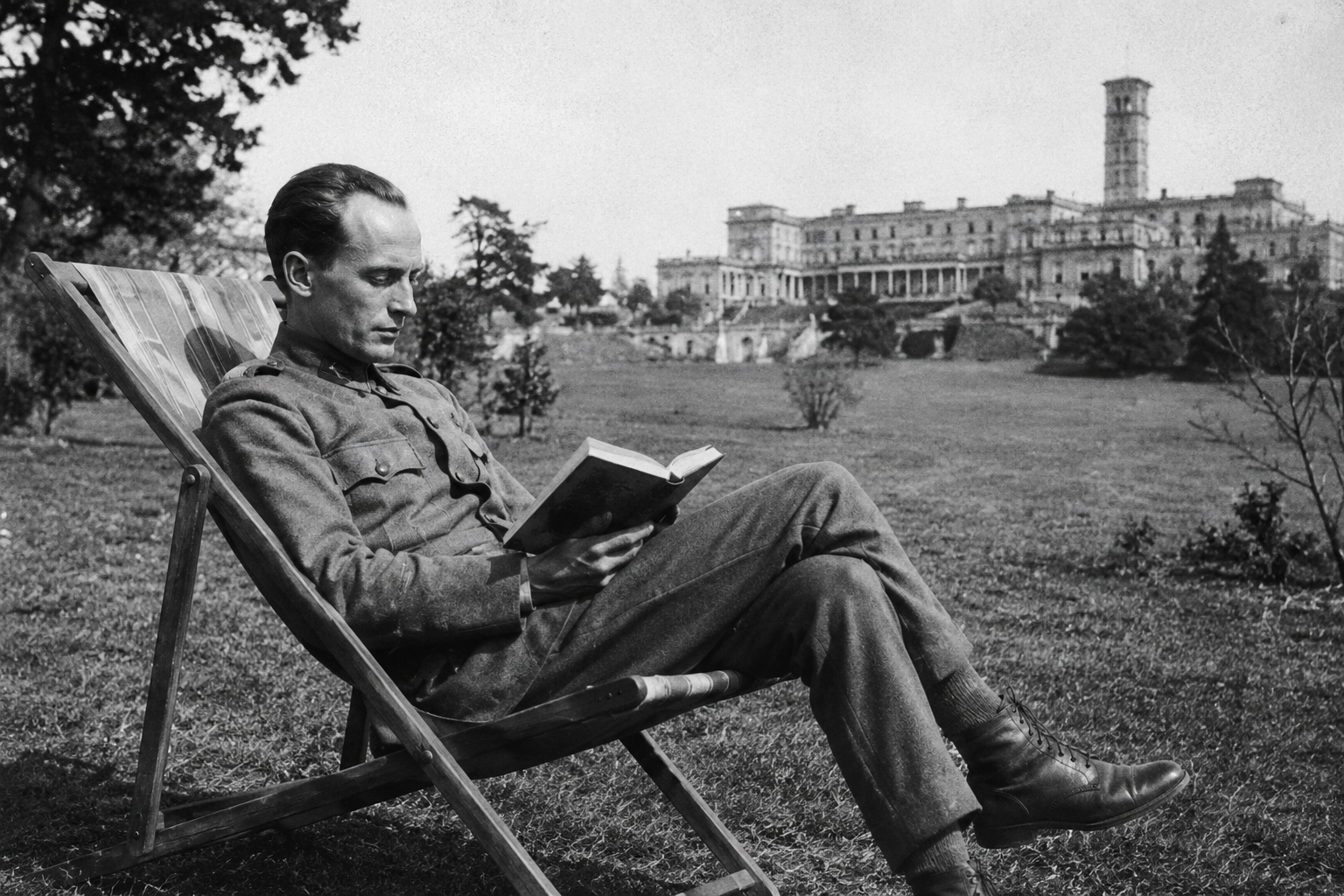
Milne spent the next 3 weeks recovering at Osborne House. Later, he remembered the quiet routine of convalescence with obvious affection.
“We ate, slept, read, played games gently…”
Article continues below this advertisement

He also recalled the simple pleasure of sitting in a deckchair with a novel, enjoying “the knowledge that one is safe from the reproaches of conscience”, something unimaginable only weeks earlier in the trenches of France.
The room assigned to Milne had another distinguished occupant. Robert Graves had been so badly wounded on the Somme that his family received official notification that he had been killed, and reports of his death were published before the mistake was discovered. Recovering together in a bedroom once occupied by one of Queen Victoria’s children, the 2 young writers formed a friendship that endured for the rest of their lives.
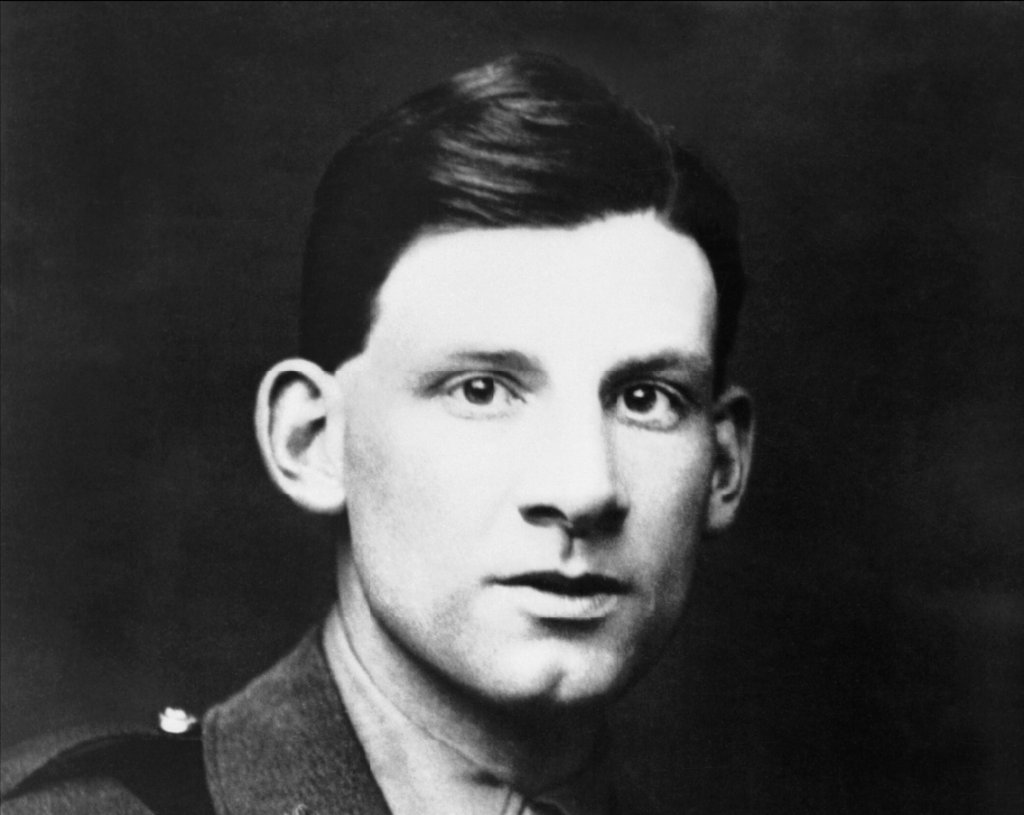
Every officer arriving at Osborne came under the care of Georgina Haines, one of Britain’s most distinguished nurses. Having nursed King Edward VII through the emergency operation that saved his life before his coronation, she had been personally chosen by the King to become matron when the convalescent home opened in 1903. Throughout the First World War, she supervised the care of officers returning from France, Gallipoli and other theatres of war, earning the Royal Red Cross for her outstanding service.
The home’s management committee was chaired by Sir Frederick Treves, the renowned surgeon who had saved King Edward VII’s life and earlier cared for Joseph Merrick, the ‘Elephant Man’, ensuring Osborne benefited from the highest standards of medical care.
Recovery extended well beyond the wards. The magnificent Durbar Wing, built for Queen Victoria to entertain Indian princes and dignitaries, had been converted into hospital accommodation, while the surrounding 350-acre estate became part of the treatment itself. Patients arriving by train at Cowes or Wootton stations were met by the home’s own cars before being driven through Osborne’s gates. Large, airy bedrooms, many overlooking the Solent, offered a world away from the trenches.
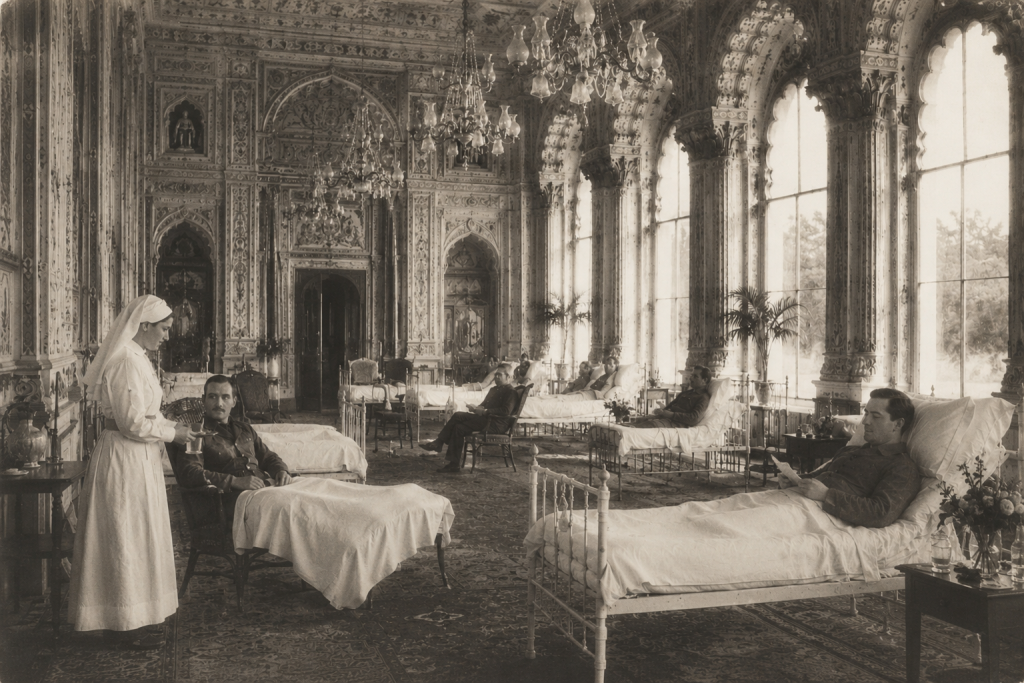
Mornings might begin with massage, physiotherapy or electrotherapy before gentle exercise in the gardens and parkland. Afternoons could be spent playing golf, tennis, croquet or bowls, while evenings brought concerts, amateur theatricals, cinema shows and access to a well-stocked library. Officers’ wives were encouraged to take part in the home’s social life, helping restore a sense of normality after the hardships of war.
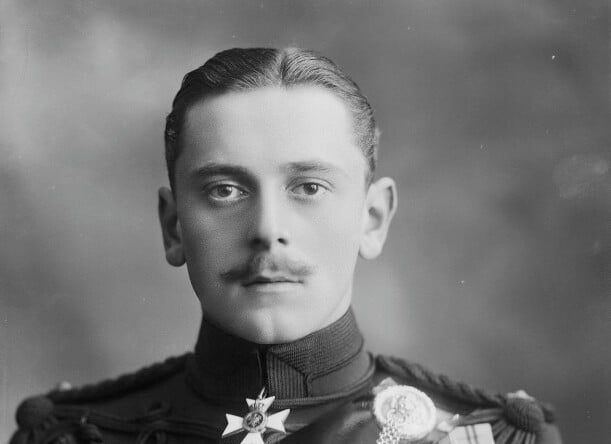
Watching over the estate was Princess Beatrice, Queen Victoria’s youngest daughter and Governor of the Isle of Wight. She understood better than most the price of war. Widowed after Prince Henry of Battenberg died on active service in West Africa in 1896, she suffered another devastating loss in October 1914 when her youngest son, Lieutenant Prince Maurice of Battenberg, was killed during the First Battle of Ypres aged just 23. As her mother’s former home cared for wounded officers returning from the front, Beatrice was mourning a son who would never return.
Milne never returned to front-line service. Declared unfit for further combat, he spent the remainder of the war in military intelligence before returning to his writing career. The conflict profoundly changed his outlook, and he later became a committed advocate for peace.
10 years after his World War I sojurn at Osborne House, Alan Alexander Milne’s Winnie-the-Pooh was published – and the rest is history.