




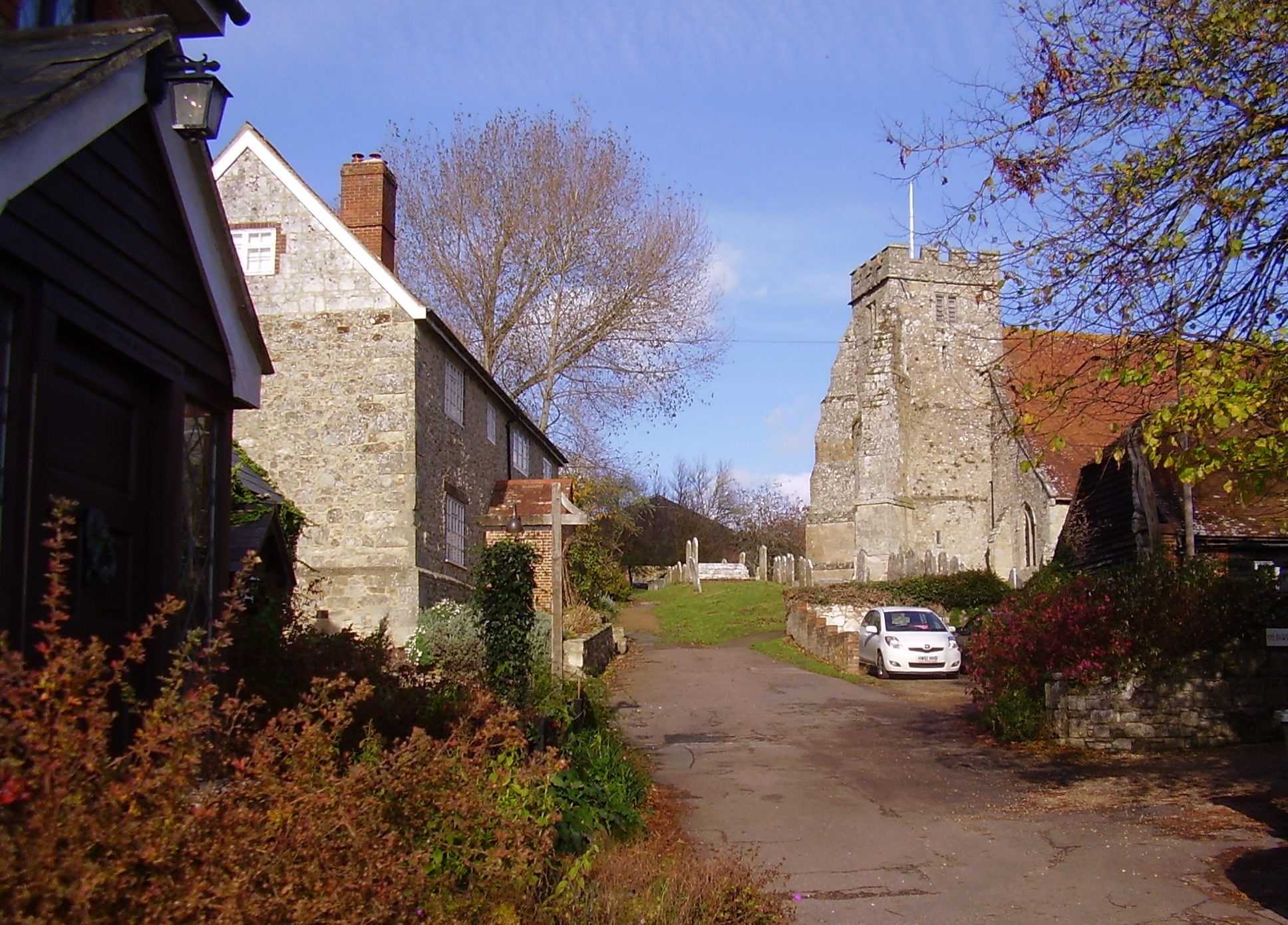


























The story of Ashey begins among the Bronze Age barrows that crown Ashey Down.
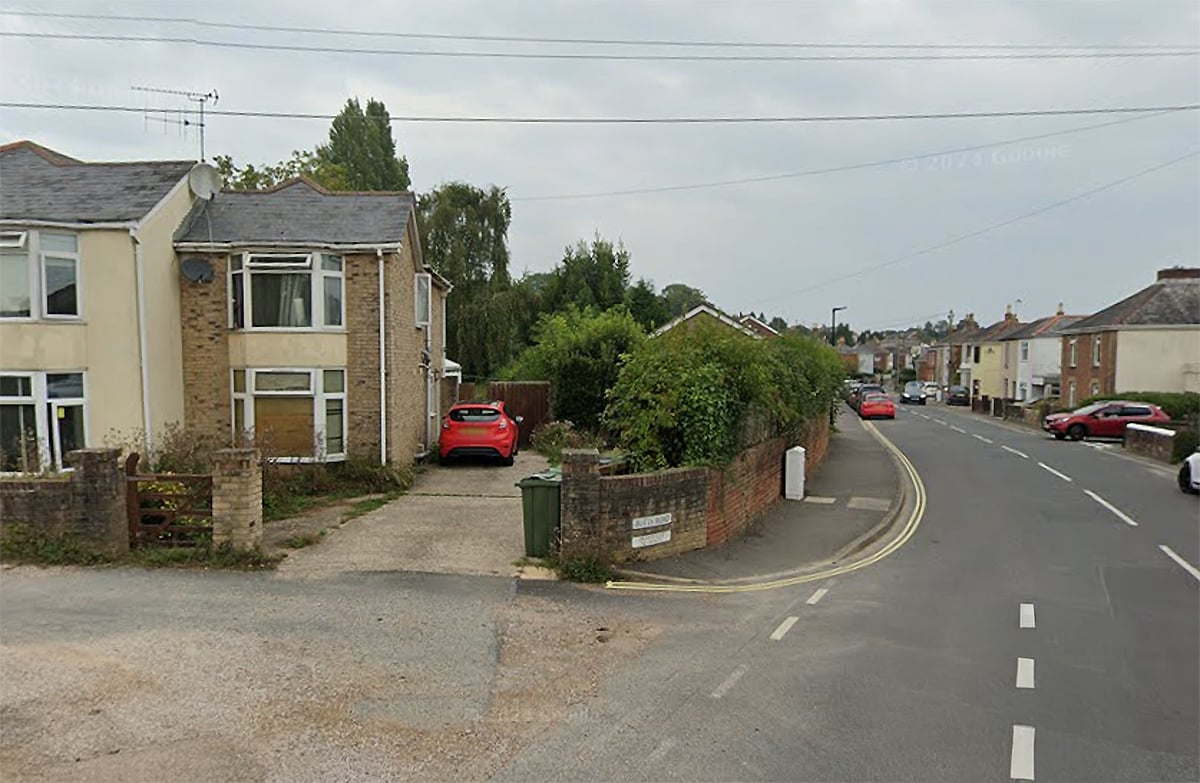
Today, Ashey is a scattered settlement on the road between Newport and Ryde. Yet the landscape around it has been continually reshaped for almost 4,000 years, from Bronze Age burial ground through a Victorian railway and racecourse.
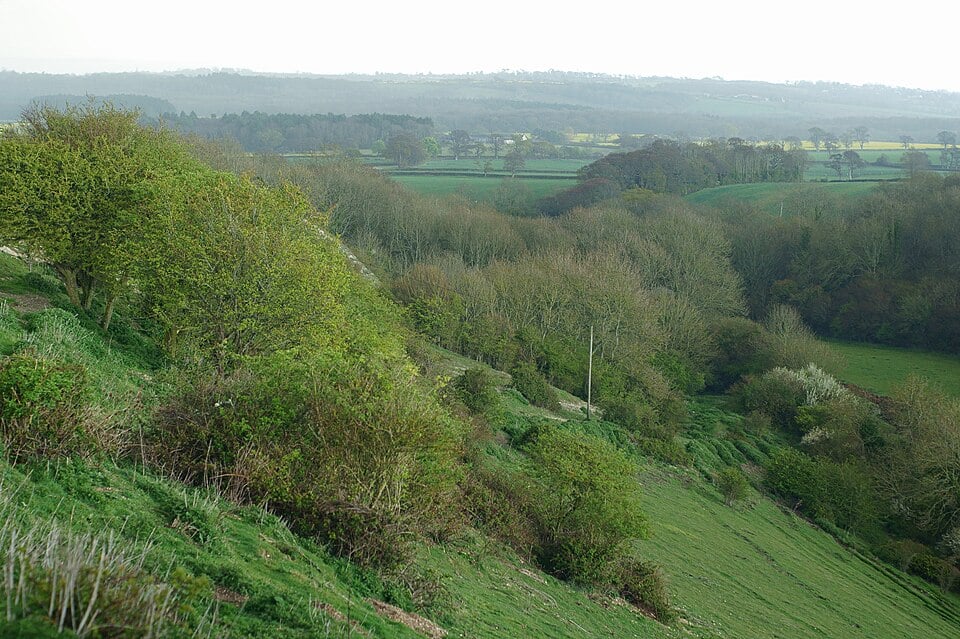
High above the houses, nineteen Bronze Age burial mounds form one of the Isle of Wight’s largest prehistoric barrow cemeteries. Standing on Ashey Down, they command sweeping views across the eastern Isle of Wight and the Solent. Their number suggests the ridge was one of the Island’s most important Bronze Age ceremonial landscapes.


Ashey Down has long inspired stories. In 1969, Dr White of St Helens and his wife reported seeing unexplained lights while driving across the ridge before inexplicably losing their bearings. Their experience was later recorded by paranormal investigator Peter Underwood in Ghosts of Hampshire and the Isle of Wight, who described it as the greatest mystery of their lives.

The medieval history of Ashey centres on East Ashey Manor, one of the Island’s most important estates. The name is generally believed to derive from Old English, referring to an enclosure or clearing among ash trees. Owned by Wherwell Abbey before the Dissolution of the Monasteries, the manor later passed into private ownership. The estate stretched to the Solent, received income from the Ryde to Portsmouth ferry crossing, and surviving earthworks and fishponds still mark the medieval settlement.
Ashey became a civil parish in 1894, covering a much wider rural area than the scattered settlement itself. At the 1931 census it had a population of 1,499 before being divided between Ryde and Newchurch two years later.
When philosopher John Stuart Mill climbed Ashey Down in the early 19th century, he found a “truly magnificent view” stretching across Brading Harbour, Sandown Bay and the eastern Solent. He also remarked that the 1735 chalk seamark was already covered with the names of visitors. With gentle humour, he observed that “John Browns and Dick Smiths” had done so in the hope that “something of them though it be but a thumb-nail shall survive them”.

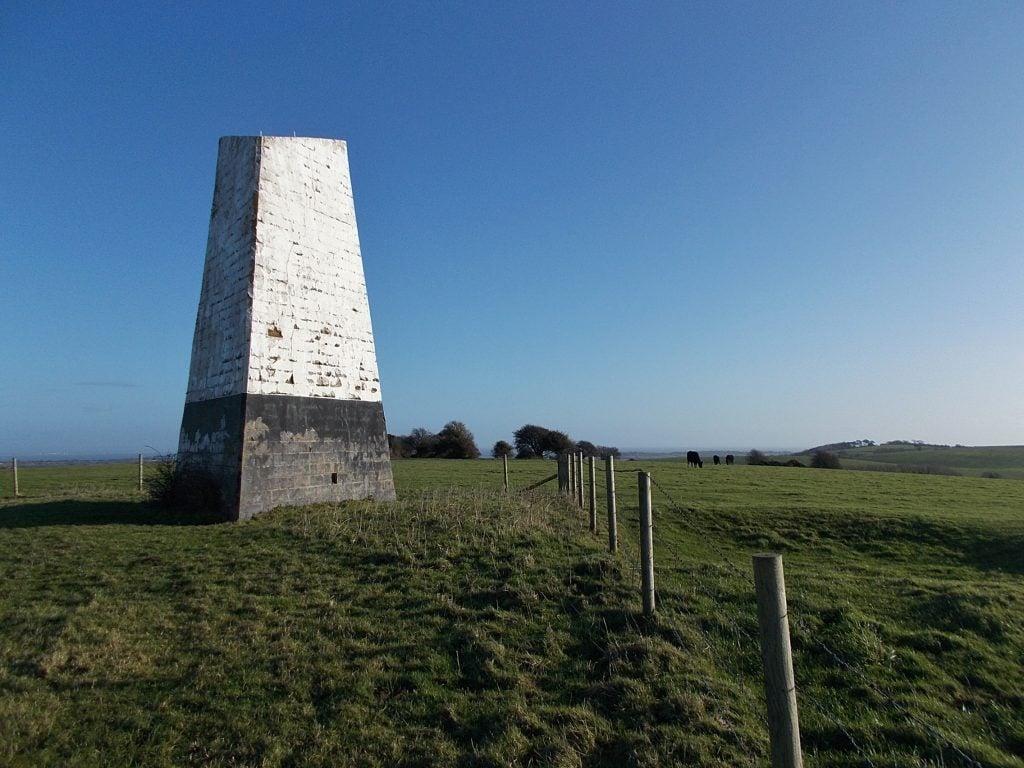
The seamark served a practical purpose. Erected in 1735, it guided shipping through the eastern Solent. During the Napoleonic Wars the ridge became part of the semaphore communication network, relaying reports of shipping and naval movements between Portsmouth and military commanders. From the ridge, observers watched fleets sail from Portsmouth for blockade duty and war, while later generations witnessed the great Spithead Fleet Reviews assembling in the Solent.
No individual shaped modern Ashey more than George Young. He became the principal investor in the Ryde and Newport Railway in 1873. After buying West Ashey Farm and the adjoining chalk quarry, he routed the railway through his estate while the quarry supplied ballast for the line. Young believed Ashey could grow into a substantial new settlement centred on the railway, but his financial collapse brought those ambitions to an end.
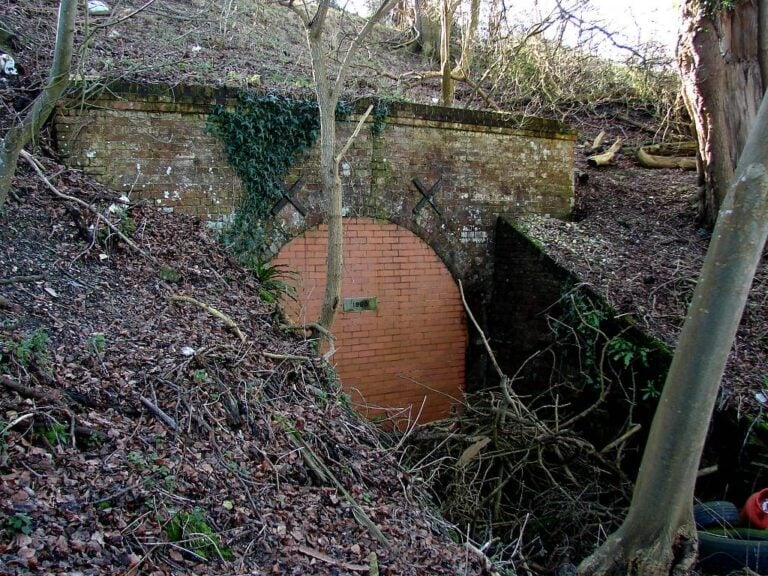
To serve the quarry, a mineral branch passed beneath Ashey Road through the Isle of Wight’s shortest railway tunnel. Only 43 yards long, the brick-lined tunnel survives today. Young died bankrupt before seeing any part of his wider vision realised.
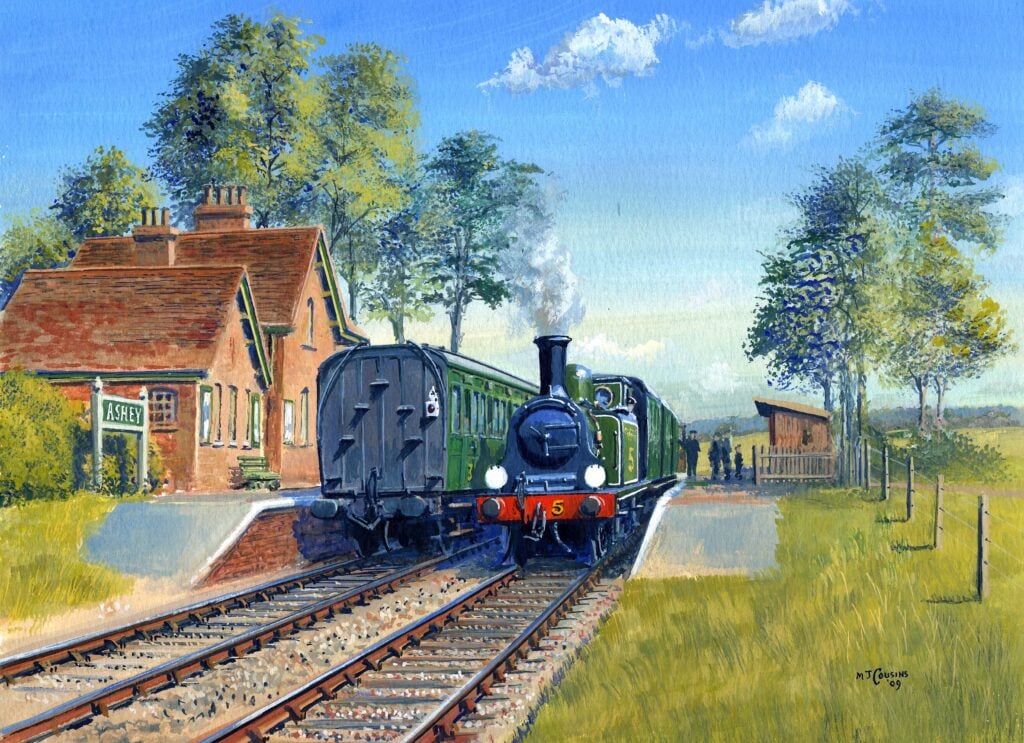
The railway transformed Ashey. The station became an important crossing point on the Ryde to Newport line, carrying local passengers and the thousands who travelled to the racecourse. The line closed in 1966, apparently bringing Ashey’s railway history to an end.
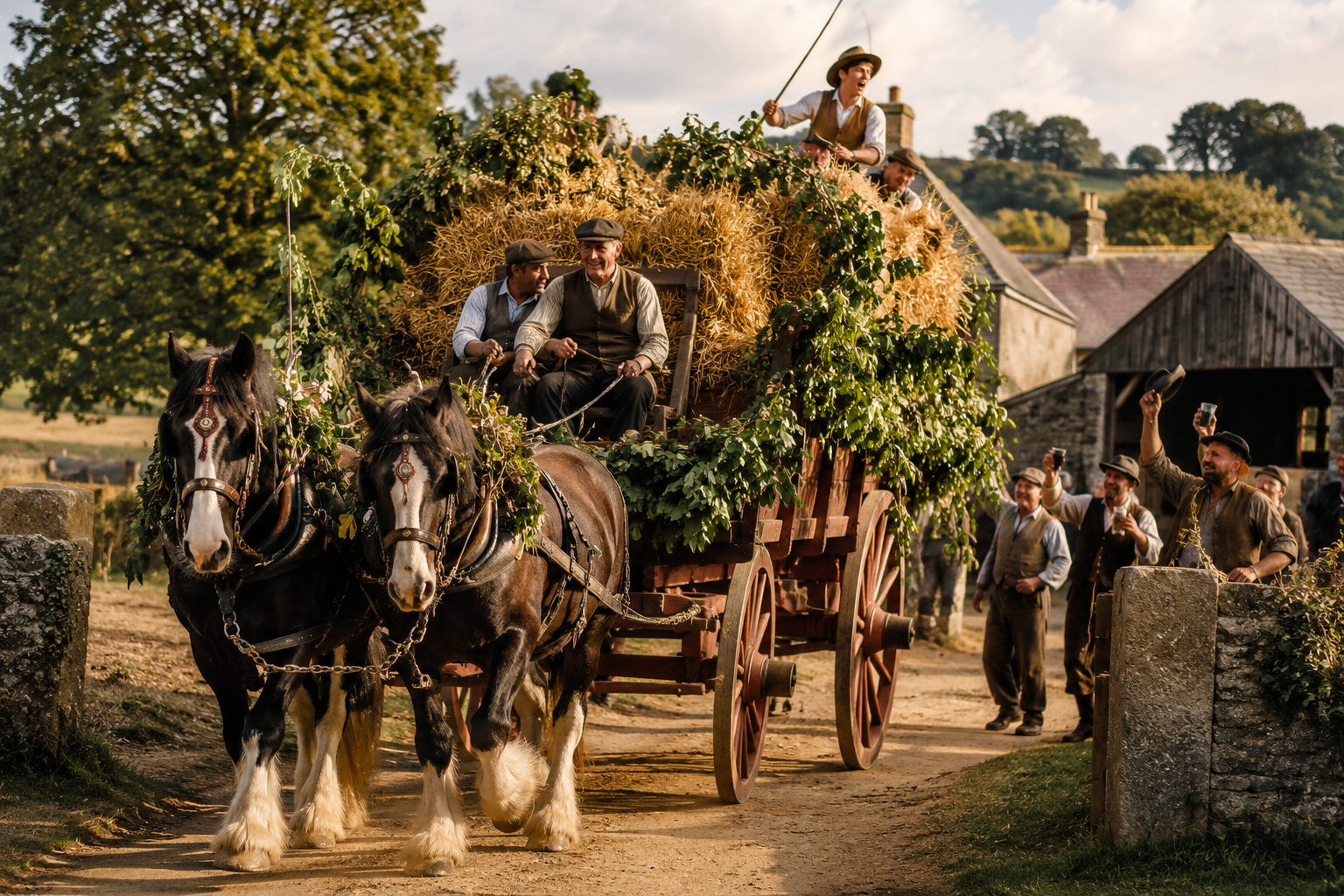
Horse racing brought a different kind of excitement. Racing began in 1882 and quickly became one of the Island’s biggest sporting attractions, attracting crowds of up to 3,000 people. By the 1890s, some races carried prize money approaching £100. Race days transformed the normally quiet down into a temporary town as special trains delivered racegoers from across the Isle of Wight and the mainland, while bookmakers, refreshment stalls, side shows and confidence tricksters did brisk business. The contrast was so great that several swindlers received sentences of hard labour after cheating unsuspecting visitors.
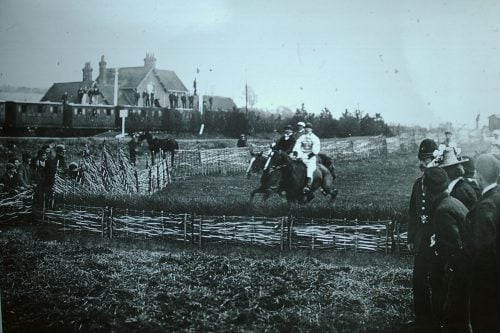
Fire destroyed the grandstand in 1929, although racing continued into the early 1930s. Today, the annual Isle of Wight Grand National and Ashey Scurry ensures horses still race across the fields at West Ashey.
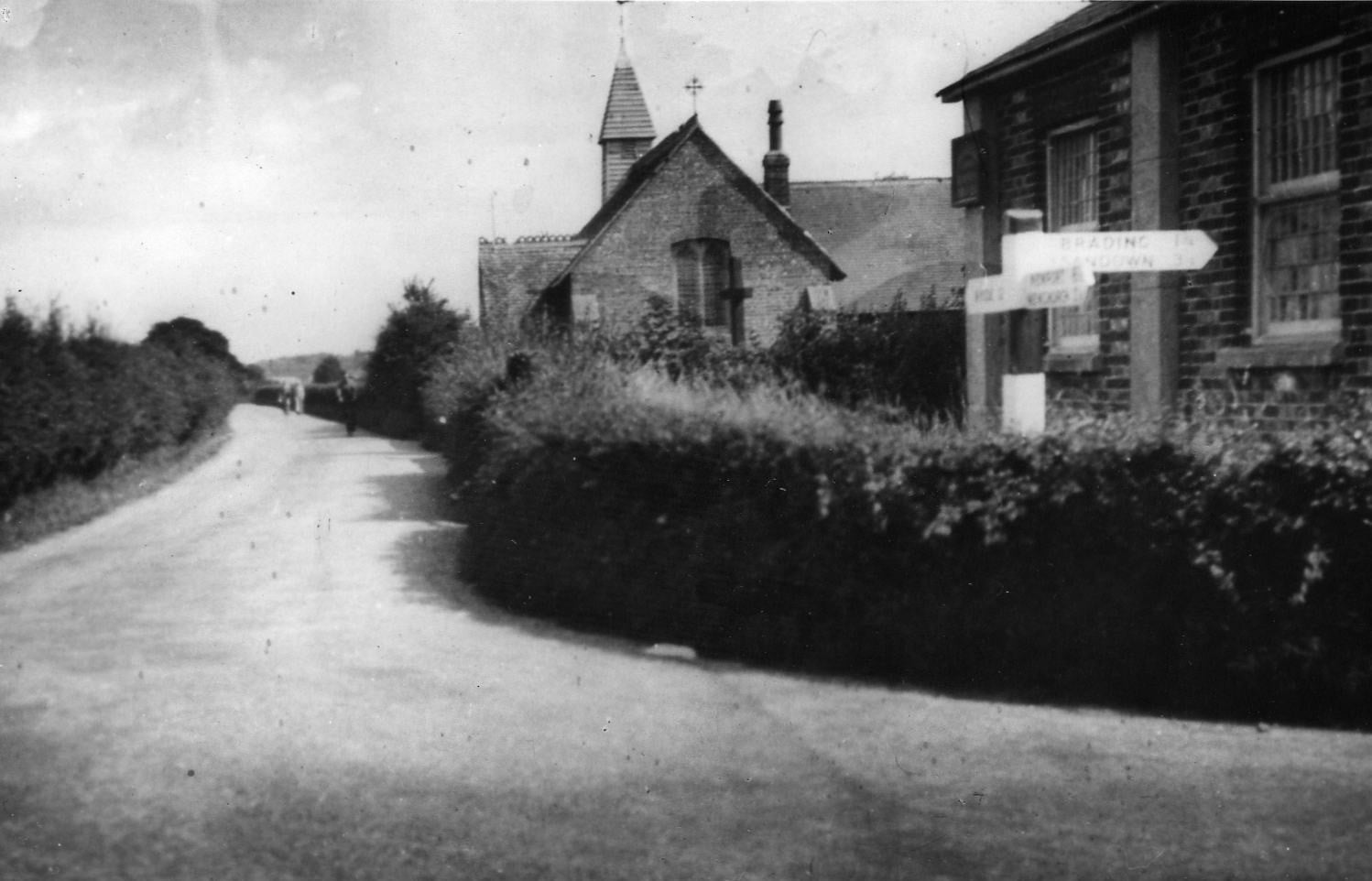
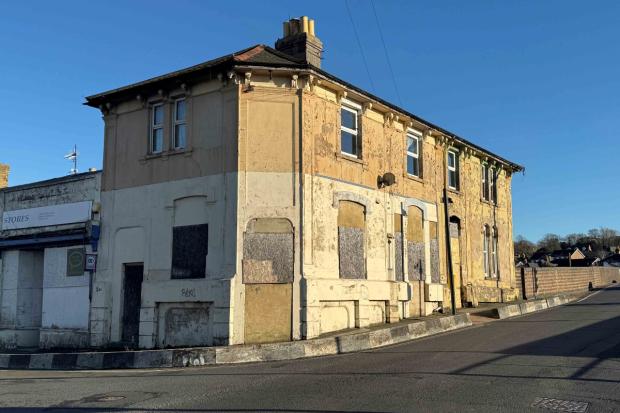
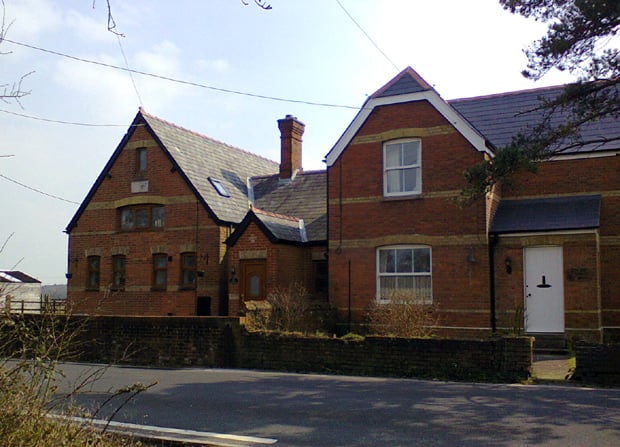
Ashey gained its own school in June 1876 when the Ryde School Board opened a mixed school for 70 children together with a teacher’s house. Miss Marion Bayne became its first schoolmistress, but the school never reached its intended size. Average attendance had fallen to just 29 pupils by 1916, when the County Education Committee ordered its closure. Many of the remaining children travelled by train to continue their education elsewhere.
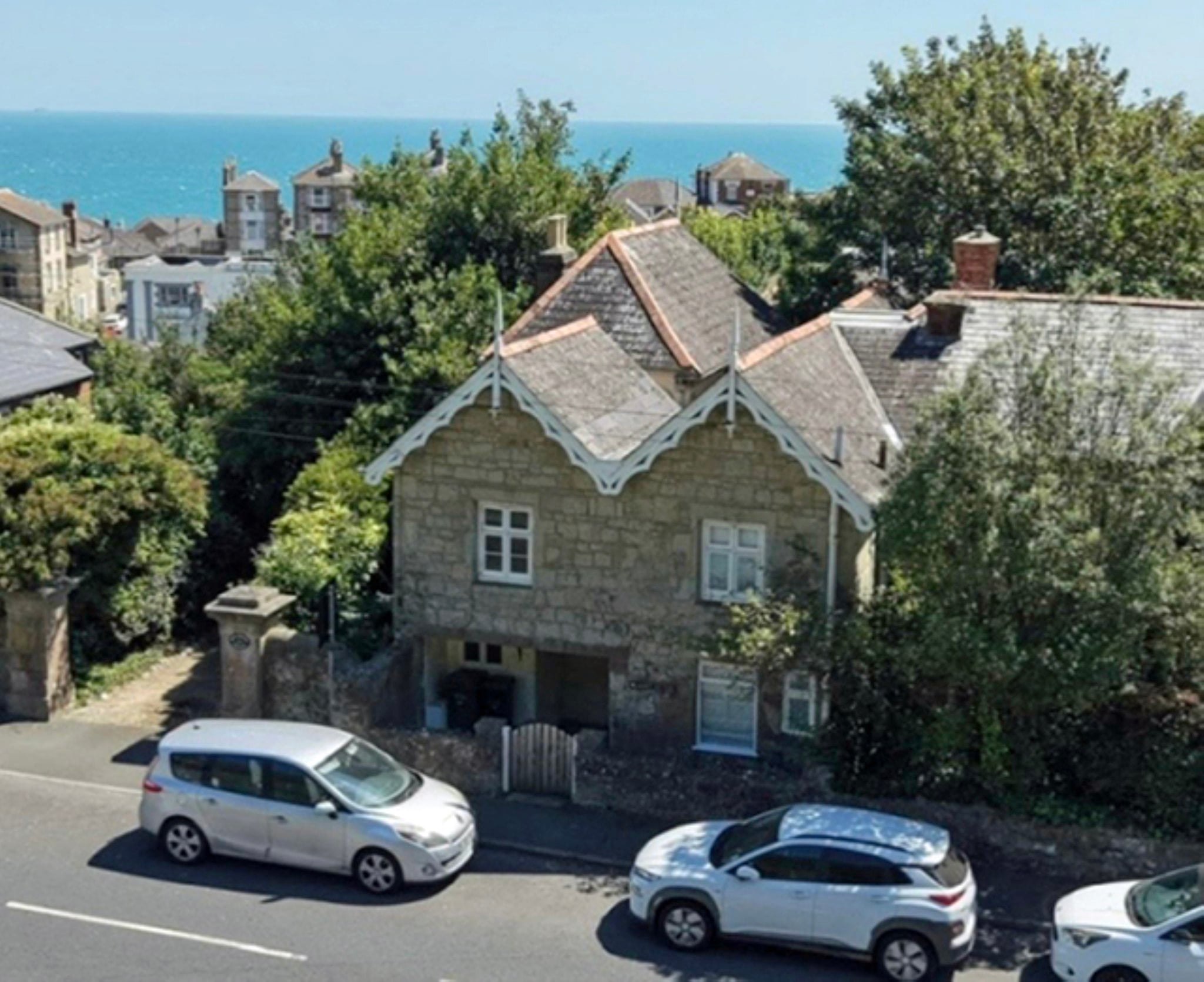
Religion also found a place in the growing settlement. St Matthew’s Mission Church was built to serve Ashey’s scattered community. A small cemetery was laid out beside the corrugated-iron church, which has since been converted into a private dwelling.
Three years later, following the smallpox outbreak of 1919, the empty school became the Isle of Wight’s designated Smallpox Hospital. Ryde Borough Council strongly opposed the hospital because it stood beside Ashey Farm, an important supplier of milk to the town, fearing public confidence in the dairy industry would suffer. The County Council refused to change course, and the hospital remained in use until the disease was eradicated. Meanwhile, springs on Ashey Down supplied Ryde’s Victorian waterworks, providing the growing town with a reliable public water supply.
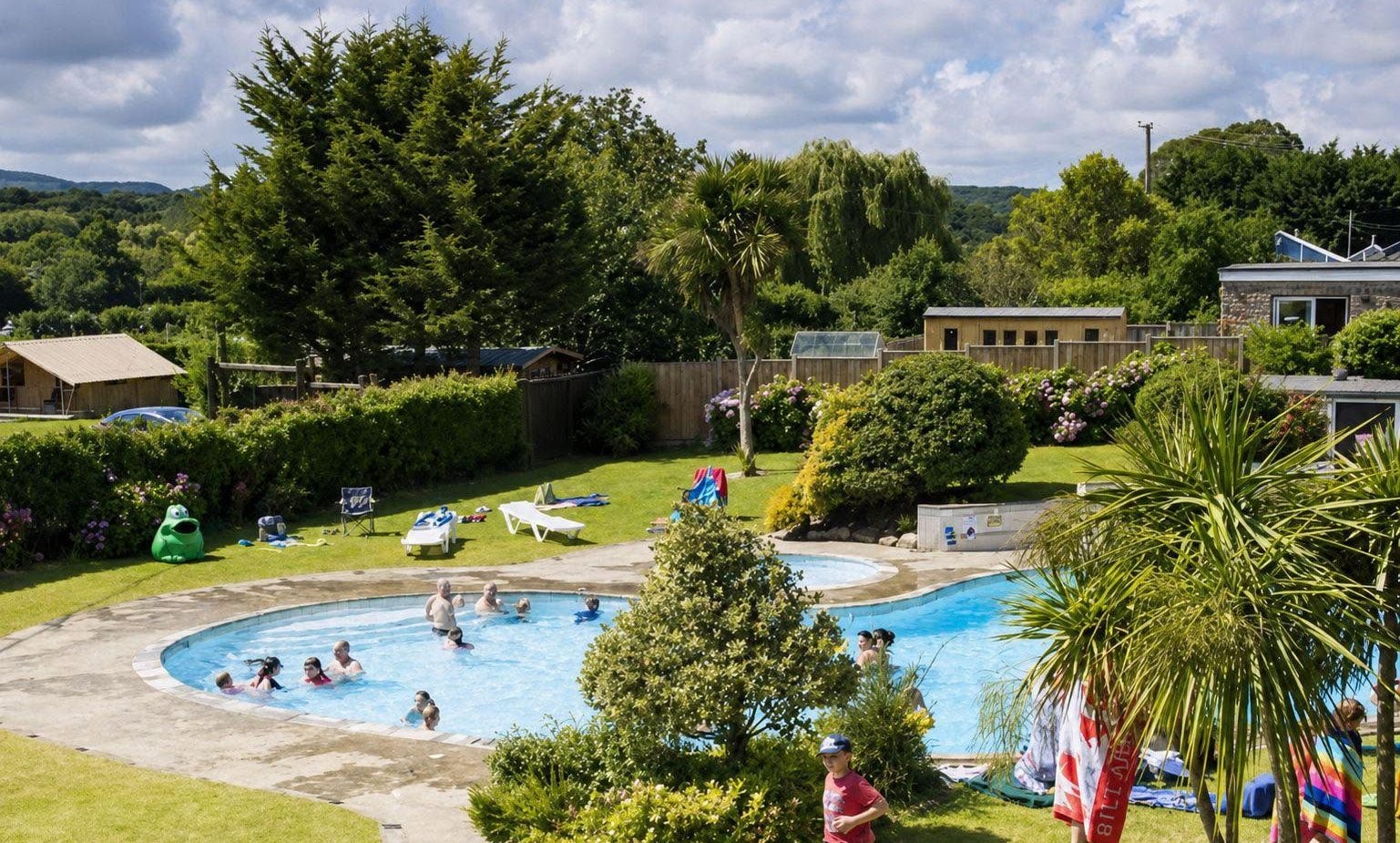
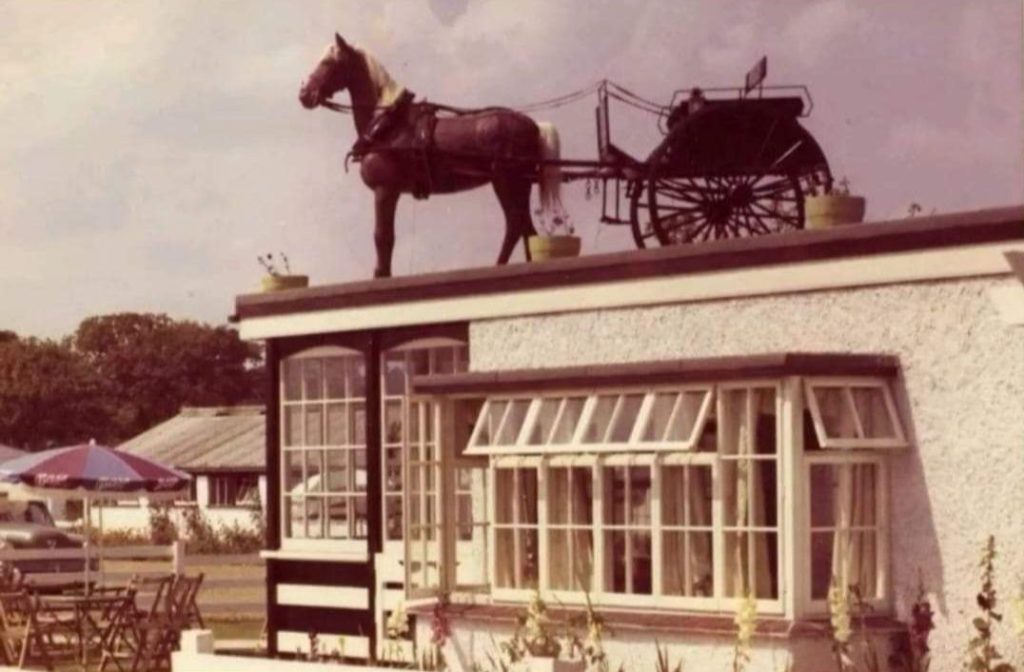
The quiet countryside around Ashey later became home to one of the Island’s most unexpected entertainment venues. The Ponda Rosa transformed a former pig farm into a popular destination. Roy Castle, Kenny Ball and The Wurzels were among the famous acts to appear there before the venue closed in 2017.
The railway George Young championed closed in 1966. Today, steam trains once again call at Ashey and, nearly 60 years after British Rail sold the station into private ownership, the original station buildings and station house are back in railway ownership following their acquisition by the Isle of Wight Steam Railway.