













































The outbreak of the Great War transformed the Isle of Wight from a holiday resort to a military stronghold.
In the final days of July 1914, the Isle of Wight was enjoying another busy summer season. Hotels were full, pleasure steamers crossed the Solent, and visitors crowded the promenades. Then Europe lurched into war. Foreign visitors hurried home, soldiers took up defensive positions and Islanders began preparing for a conflict that would touch almost every family.
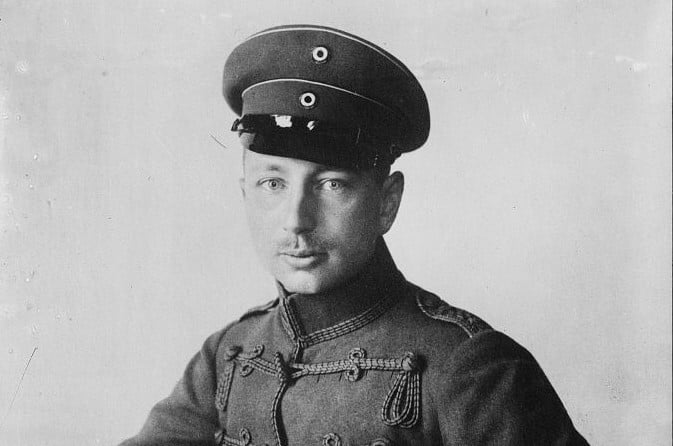
One of the first signs of how quickly events were unfolding came on 27th July. Prince Joachim of Prussia, the Kaiser’s youngest son and a regular summer visitor to Shanklin, received an urgent telegram recalling him to his regiment. He hurried from the Royal Spa Hotel to Ryde Pier, caught the last boat to Portsmouth and returned to Germany. A week later, Britain declared war.


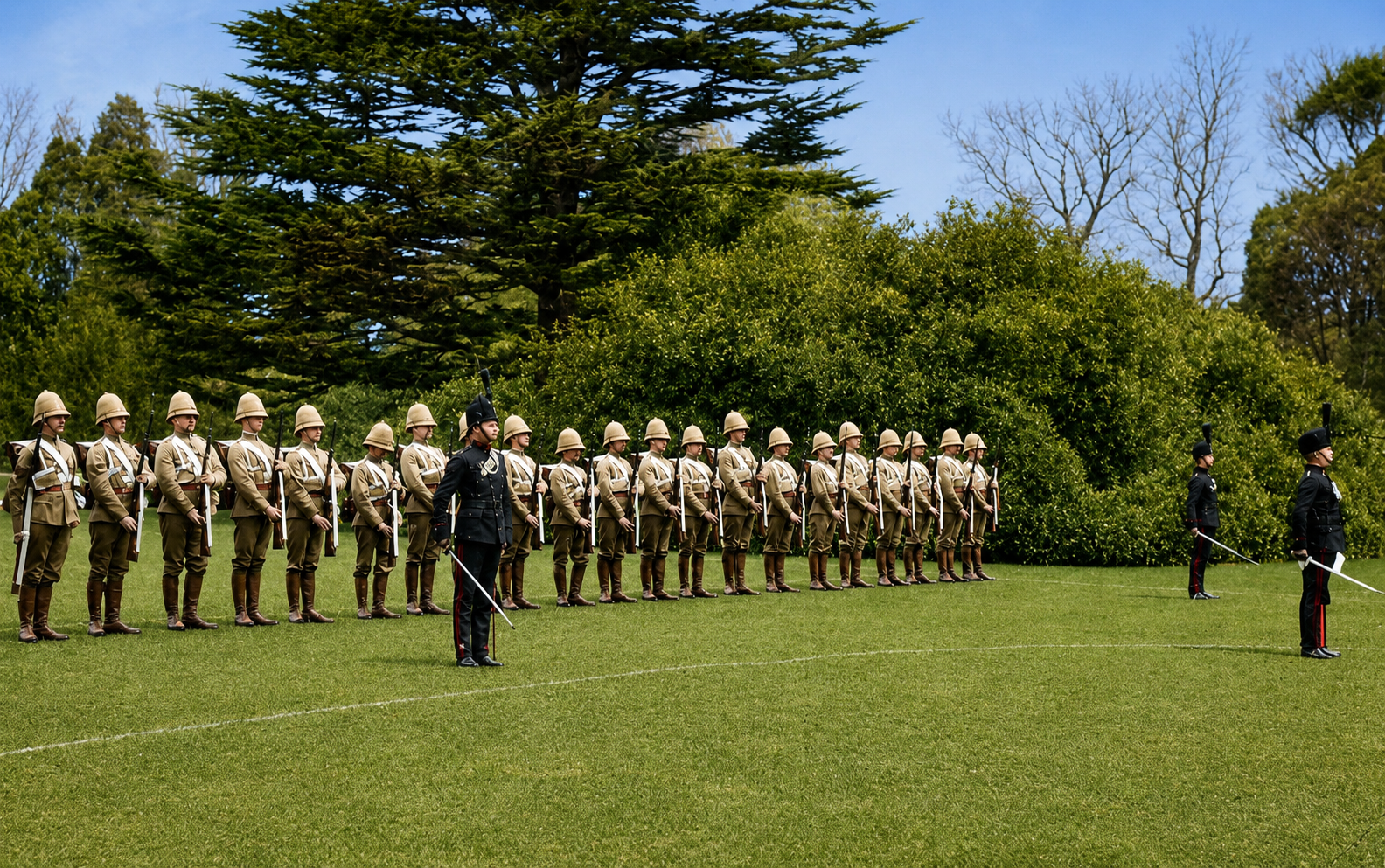
The Island’s position guarding the eastern approaches to Portsmouth meant it immediately became part of Britain’s frontline defences. The Special Service Section of Princess Beatrice’s Isle of Wight Rifles had already been called up on 29th July. Once mobilisation was complete, the battalion relieved the Royal Fusiliers in the Island’s forts, allowing the regular soldiers to leave for France, while Territorial troops took over coastal defence positions along the southern shore. Many of those answering the call had only days earlier been working in the Island’s hotels, shops and on its farms.
Civilian life changed just as quickly. German and Austrian visitors hurried home, while many of the German waiters employed in Island hotels disappeared after receiving warnings from relatives on the Continent. Soldiers sent to arrest them found most had already gone. Under the Alien Restriction Order, many long-established foreign residents, including hotel proprietors, chefs, governesses and tradespeople, also had to leave.
Military patrols soon became a familiar sight. One group of Territorials, believing they were hidden during a night patrol near the Undercliff, stopped for a cigarette. They had failed to notice a Royal Navy torpedo boat lying just offshore. The captain reported the breach of blackout regulations and the embarrassed soldiers escaped with nothing more than a sharp reprimand.
Recruiting for the Isle of Wight Rifles was initially slower than hoped. Appeals urged members of sports clubs, rowing clubs and miniature rifle clubs to enlist, while Newport Rowing Club captain W. G. Purkis called on fellow oarsmen to join the battalion. One poster warned the Rifles remained 500 men below strength and declared that failing to enlist would reflect on “the manhood of the Island”. Volunteers eventually came forward in growing numbers before many were directed into Lord Kitchener’s New Army.
By September, Ryde looked less like a seaside resort than a garrison town. Thousands lined bunting-filled streets as the 8th Battalion Hampshire Regiment marched through the town, whistling and singing Who’s Your Lady Friend? Young women handed the soldiers apples, plums and chocolate before they mingled with the crowds after refreshments at the Town Hall. For many, the war still seemed a great adventure.

Within weeks, casualty lists and letters from the Front began telling a different story. One Ryde sergeant described three days and nights under relentless shellfire during the fighting on the Marne, writing of shattered villages and homeless women and children wandering among the ruins. Stoker Bernard Richards later described “the most awful week of my existence” after surviving the defence of Antwerp before being interned in Holland.
As more men left the Island, those at home found their own ways to serve. Quarr Abbey converted much of its monastery into a hospital for wounded servicemen at its own expense. The British Red Cross launched fundraising appeals, while the Isle of Wight Times encouraged women to make clothing for wounded troops. Volunteers collected homemade jam for sailors serving with the Fleet and one Ryde doctor offered free treatment and medicines to the families of serving soldiers and sailors.
Even so, Ryde continued welcoming holidaymakers, steamer services remained largely unchanged and Islanders were reassured there were no food shortages or disruption to communications.
In July 1915, after months of training, the 1st Battalion of Princess Beatrice’s Isle of Wight Rifles boarded the Aquitania for Gallipoli. The younger soldiers greeted the news with cheers. The veterans of South Africa remained silent. Ahead lay Gallipoli.