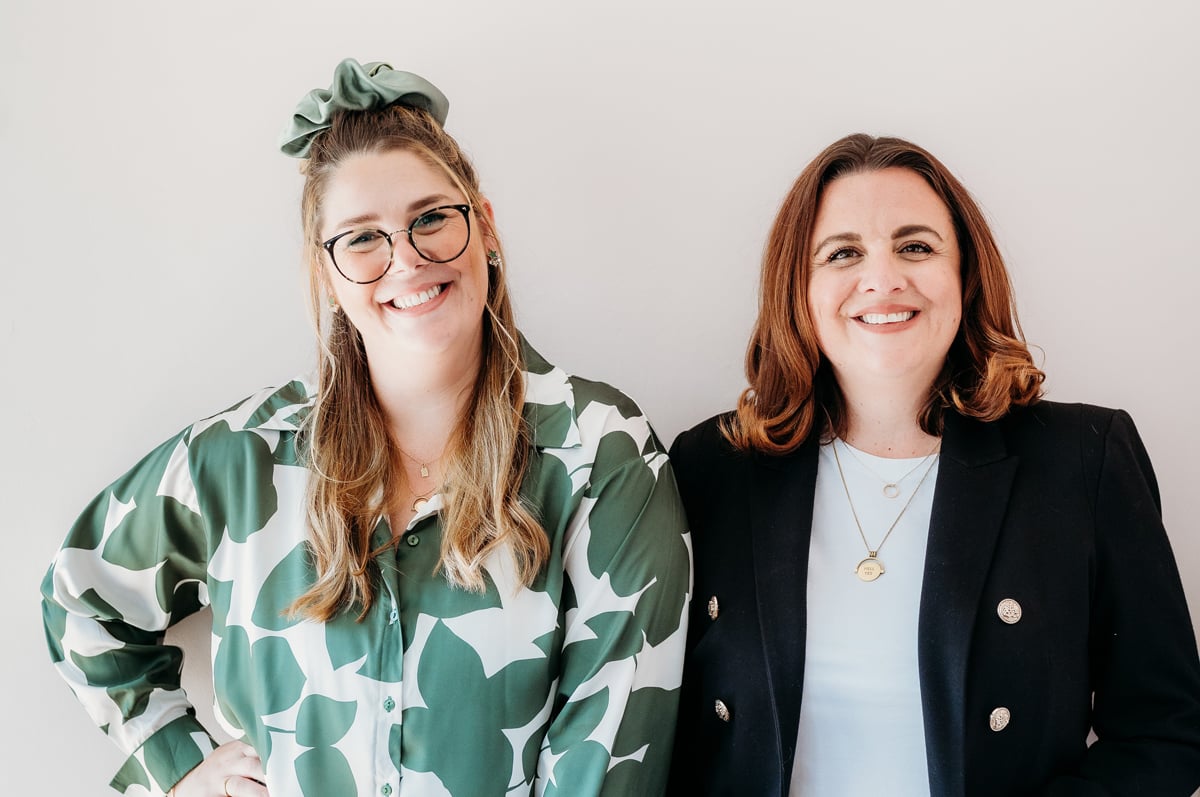


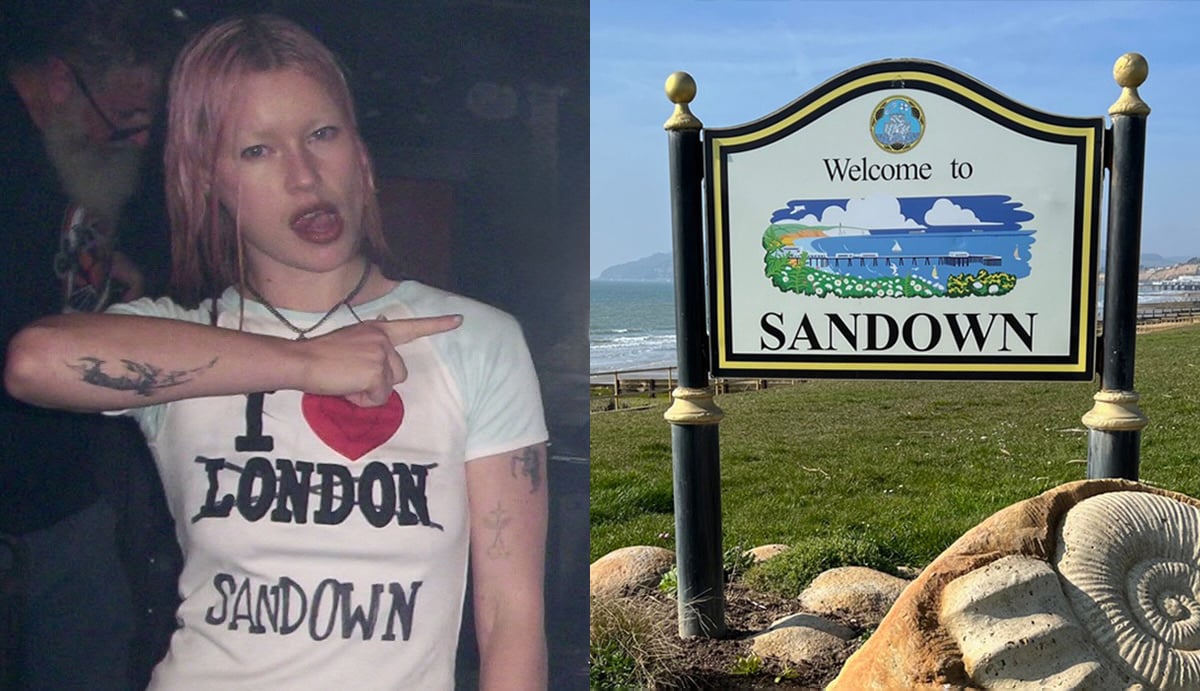




























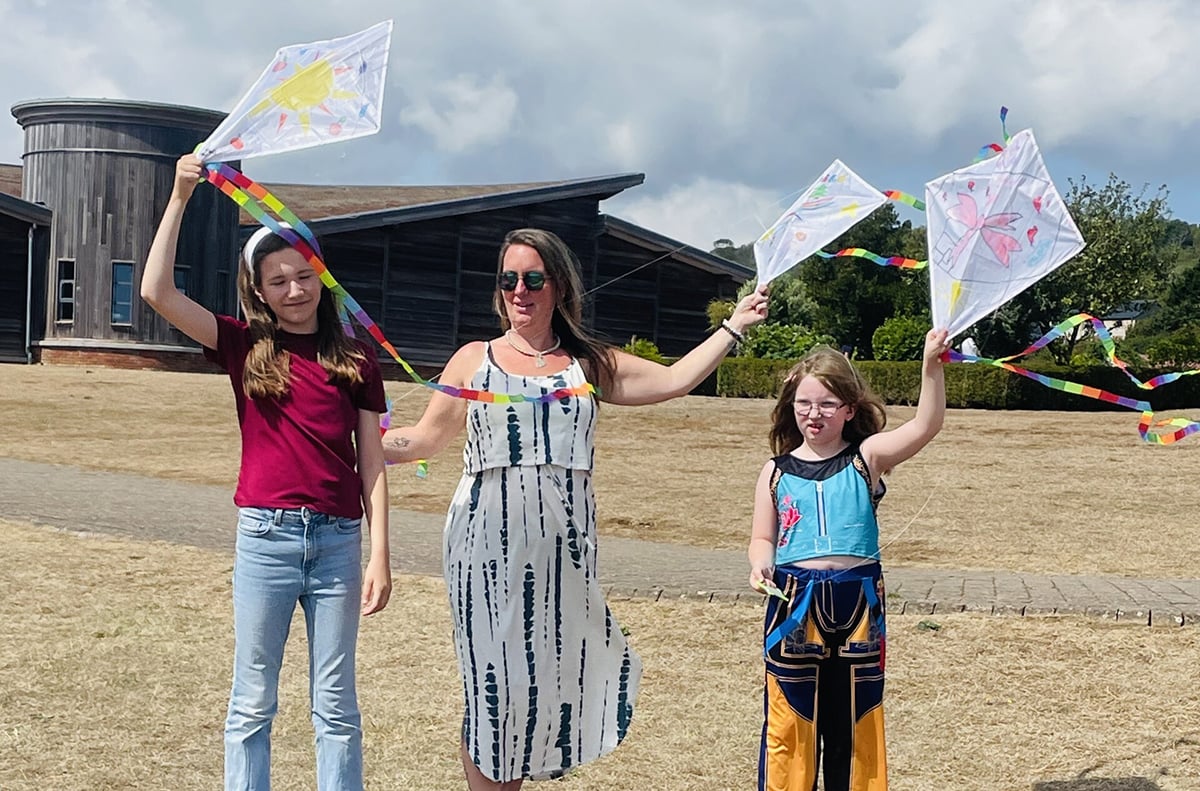









2 sisters who grew up seeing discarded balloons and plastic washed up on Isle of Wight beaches are now behind what is being described as the world’s first fully biodegradable balloon.
Charlotte Melia and Christie-Lee Molgaard, who both attended Sandown High School, have developed Bioloon alongside scientists at Imperial College London.
The breakthrough product has its roots on the Isle of Wight, where Charlotte launched children’s party business Dazzle & Fizz from her kitchen table in 2011 – with just £48.50 in the bank and while 8 months pregnant.


That business eventually grew into international events company D&F Creative and went on to fund the research behind Bioloon.
Charlotte, co-founder and CEO of Bioloon, has said:
“Everything started on the Isle of Wight. I launched Dazzle & Fizz here in 2011 with £48.50, doing children’s parties, and I was eight months pregnant at the time.
“That Island business grew into D&F Creative, an international events company, and it’s the business that funded the Imperial research behind Bioloon.
“So a world-first material science breakthrough has its roots in a kitchen-table start-up on the Island. Christie and I are proud Island girls, and we want everyone here to know this story is theirs too.”
Article continues below this advertisement

The idea for a biodegradable balloon emerged after years working in the events industry, where the sisters saw large quantities of balloons being discarded once celebrations were over.
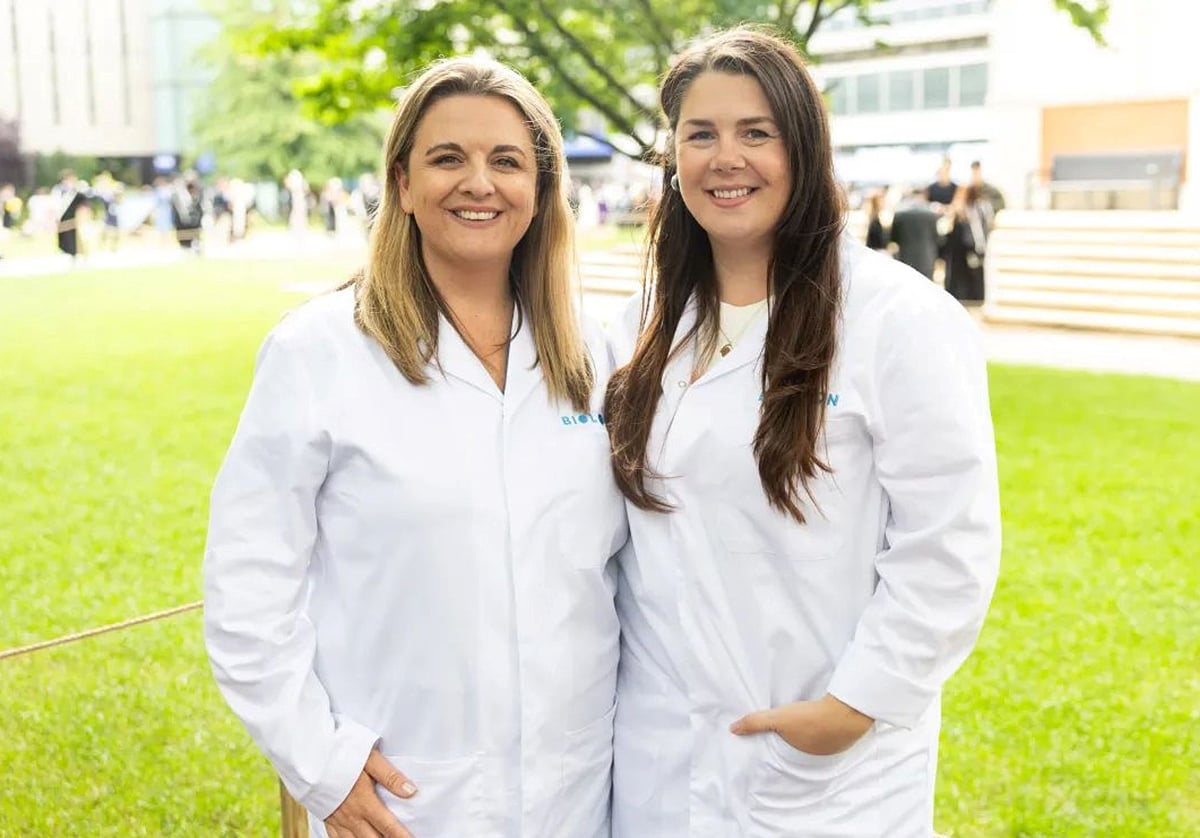
Charlotte has said a turning point came after a major event when she found herself surrounded by thousands of popped balloons and decided there had to be a better alternative.
For Christie-Lee, the problem also had a much more personal connection to growing up by the coast.
Christie-Lee Molgaard, co-founder of Bioloon, has said:
“I grew up on the Island’s beaches and I’m raising my own family here now, so this coastline is part of who I am.
“Even as a child I noticed what washed up after a storm: deflated balloons, faded ribbons and plastic tangled in the seaweed. You never forget seeing a balloon string wrapped around a seabird.
“When we started asking whether latex balloons really biodegrade, I already knew where they ended up. Bioloon is for the beaches I grew up on and the ones my children play on today.”
The sisters took the problem to scientists at Imperial College London and, around 3-and-a-half years later, the collaboration resulted in Bioloon.
Bioloon uses natural rubber but a different manufacturing process which scientists say avoids harmful additives used in conventional balloon production. Researchers say the balloon fully biodegrades within 9 months, compared with conventional balloons which can take years to break down.
Charlotte has described Bioloon as a CleanTech venture, with ambitions to move the product from the laboratory into the commercial market.
In recent weeks, the sisters have appeared on BBC One’s Sunday Morning Live and BBC News, with the project also attracting international coverage.
Scientists have said the balloon is expected to become commercially available within the next 2 years.