




































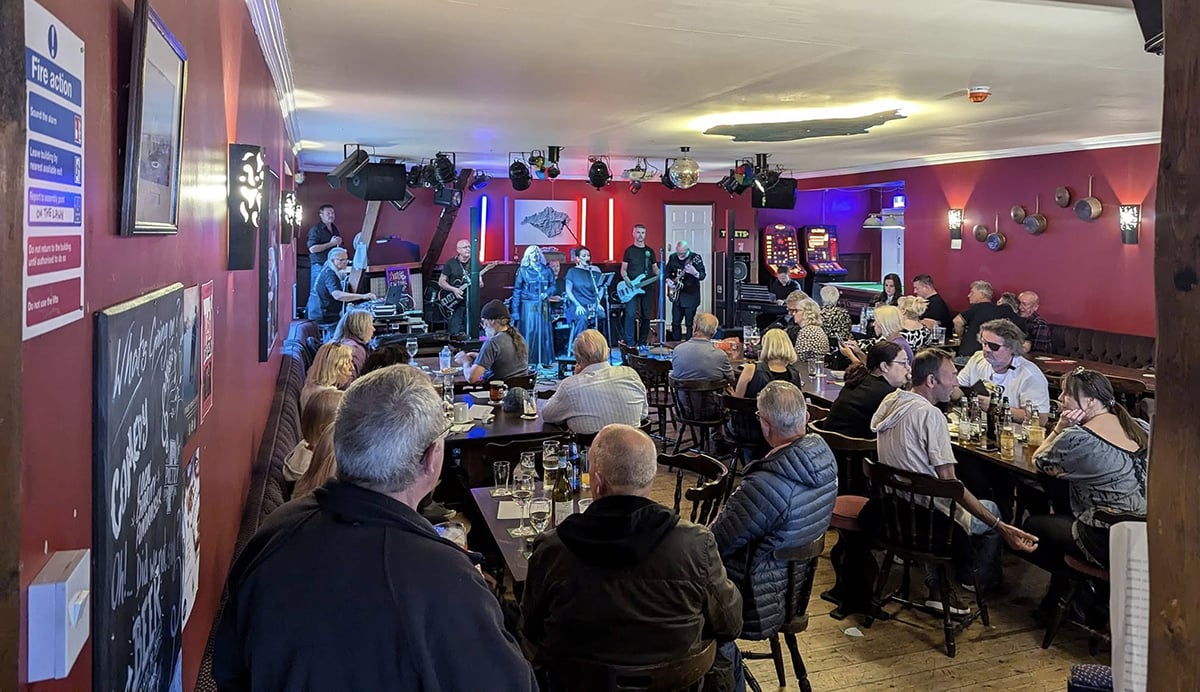















Popular community events across the Isle of Wight could be forced to move, scale back or disappear altogether following a major increase in the cost of hiring council-owned land – with organisers warning that charges of up to £1,600 are simply unaffordable.
Concerns over the Isle of Wight Council’s new amenity land charges were raised at last Thursday’s (24th September) Environment and Community Protection Committee meeting, less than a month after the new fees came into force.
As previously reported by Island Echo, the revised charges were introduced on 1st September as the cash-strapped authority seeks to generate additional income and meet the increasing cost of maintaining parks and recreation facilities.


Under the new structure, a small event with up to 250 attendees costs £250 a day, a medium event of between 250 and 500 people costs £500, while a large event attracting more than 500 people costs £1,500.
Non-refundable administration fees of £50, £75 and £100 respectively are charged on top, meaning a large community event using council land can face a bill of £1,600.
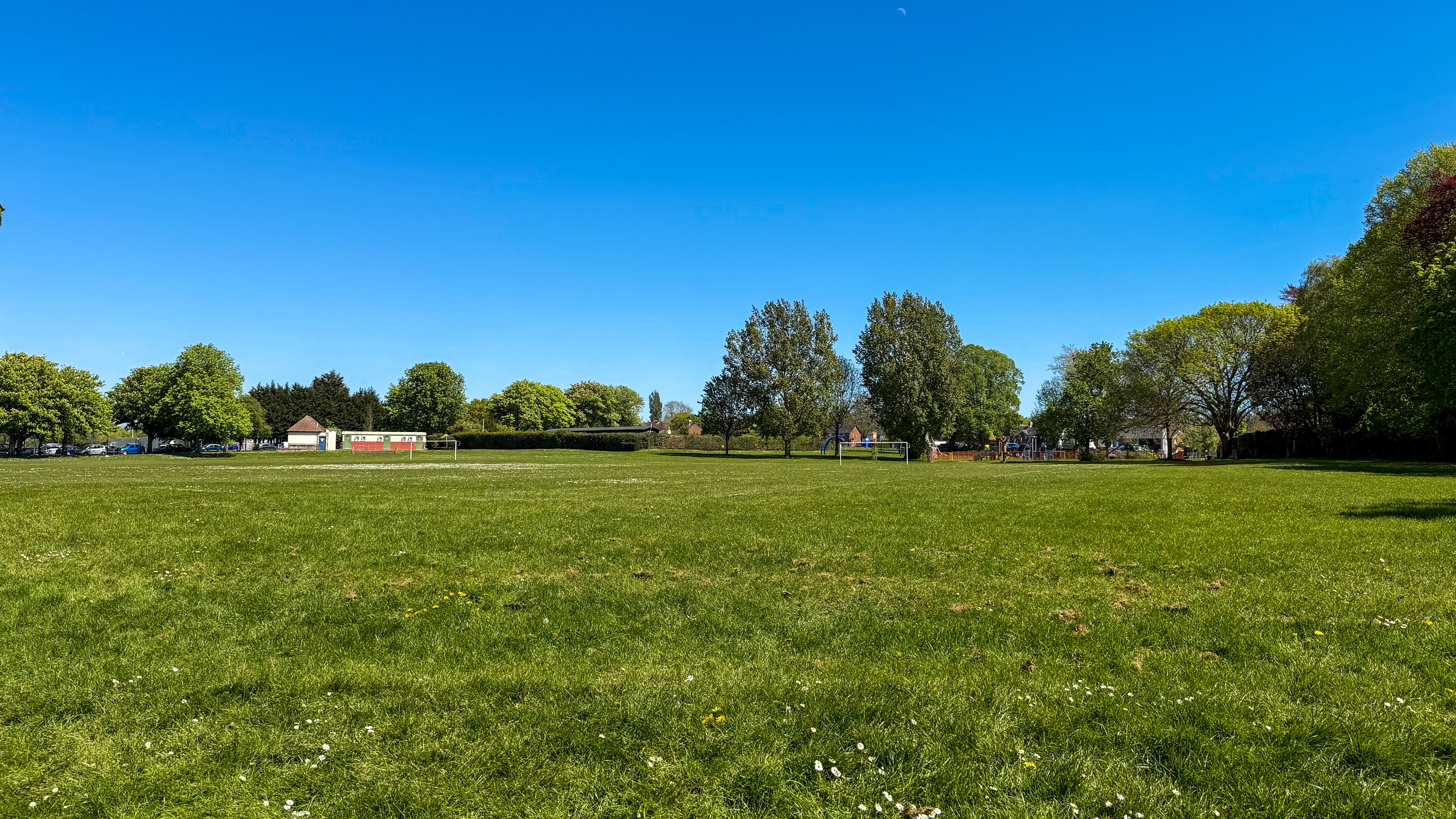
The council has said the increases are part of efforts to protect community assets and reduce the financial burden on taxpayers amid significant budget pressures. However, community organisers and councillors say the new charges risk having the opposite effect – with events already choosing not to use council land or postponing altogether.
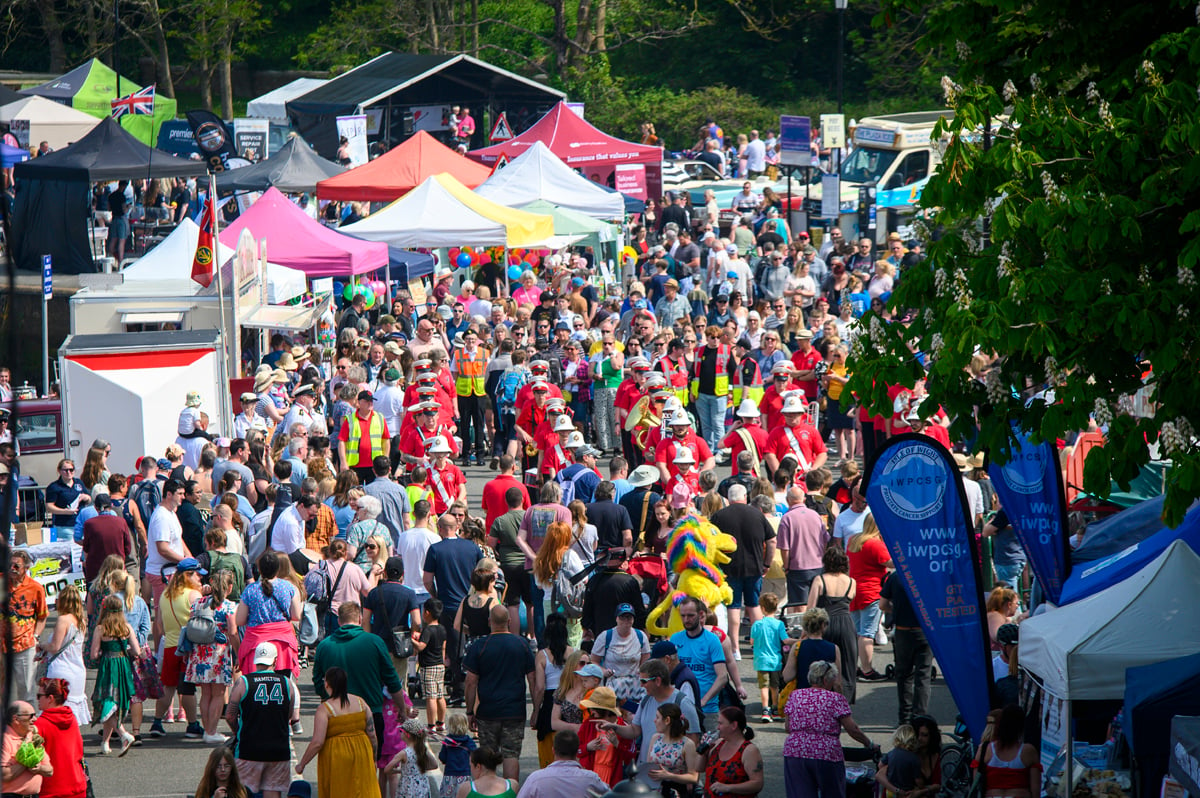
Helen Norsworthy, Vice Chair of Newport Carnival & Community Events Association, told Thursday’s meeting that Riverfest – the popular free community event held at Newport Quay – could become unviable. She said the association had previously paid £406 for the day, but feared the cost could now reach £1,600.

Helen said:
“Last year, I think it was £406 for us, and going on what’s just happened with the car show, it’s going to go to £1,600, and that will mean we can’t do it.
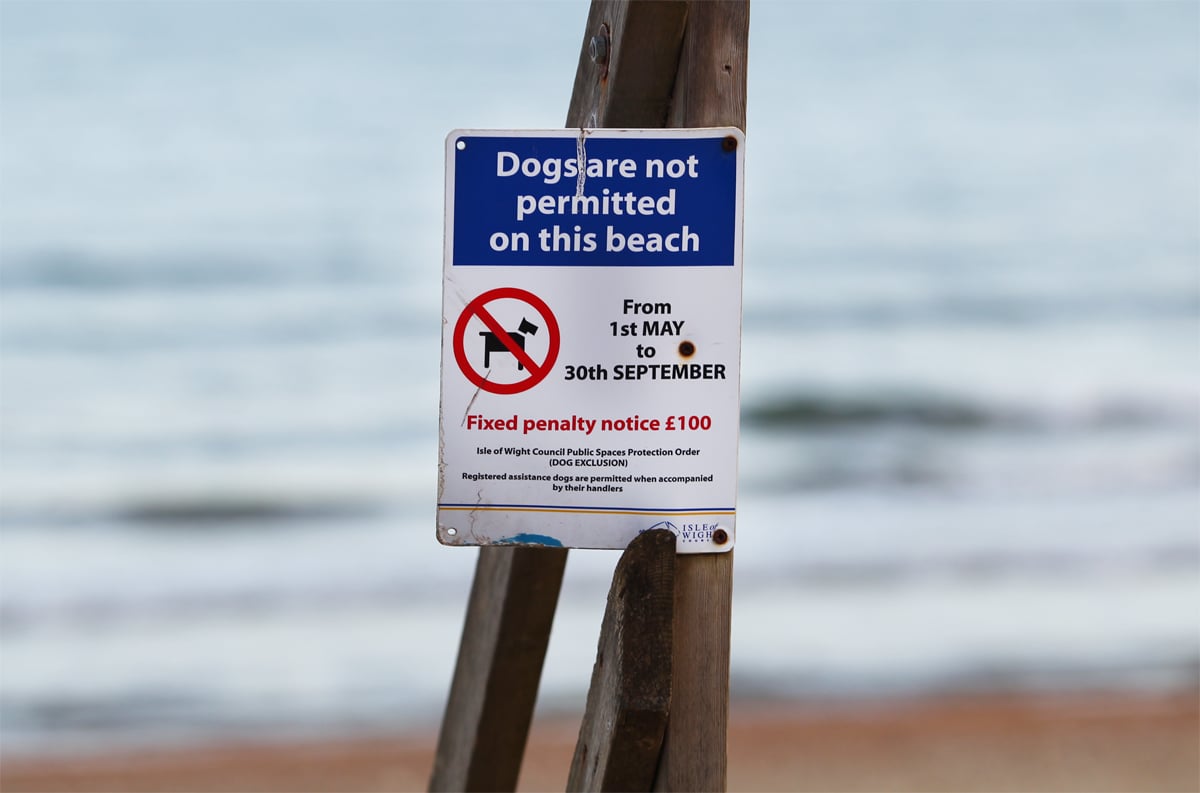
“It’s the same with the regatta at Sandown, with the hire for the beach, for children to run races on the beach, and for many other charities.
“I think it’s going to end up that we will just have to stop doing them, which is really sad, because they’re free events for people on the Island, children and families.
“That’s why we do this. So we’d like to be able to keep it going.”

Riverfest brings thousands of people into Newport and is organised by volunteers, with the event relying on fundraising and donations.
Councillor Karen Lucioni, Chair of the Environment and Community Protection Committee, acknowledged the concerns being raised by community organisers and confirmed the council does not currently have a standalone amenity land hire policy differentiating between commercial, charitable, community and non-profit users.
The impact of the new charging regime is already beginning to be felt elsewhere.
Organisers of Appley Day have postponed their 2026 event until 2027, saying the Isle of Wight Council amenity land hire fee had increased by more than 1,000% compared with last year. Announcing the decision, organisers said the increase was “unaffordable for a small, community event organised by volunteers”.
The Isle of Wight Classic Motor Show has also been caught by the changes.
The event, held in Ryde earlier this month, traditionally makes use of areas along the length of the Esplanade. After being faced with the increased cost of using council land around Ryde Superbowl, organisers decided simply not to use that section of land – saving themselves the hire fee of £1,600 but leaving the council without the associated income.

They still had to pay £1,600 for the use of Newport Quay, an unexpected additional cost of £1,200 – which eats into the available funds for next year’s event.
The likes of Sandown Bay Regatta and Shanklin Regatta could face a similar problem in 2027. The free family event includes beach games alongside entertainment and stalls on Sandown Esplanade. Organisers face the cost of hiring the beach rising from around £406 to £1,500, with the £100 administration fee potentially taking the total to £1,600.
Other community events using council land, including the Steampunk Festival at Eastern Gardens in Ryde, will also be affected by the new charging structure.
At Thursday’s meeting, Councillor Vix Lowthion called for the authority to develop a policy that distinguishes between commercial operators and charitable, not-for-profit and community events. She argued that charging significantly more does not necessarily mean the council will receive significantly more income if organisers instead cancel events or move them onto land owned by somebody else.
Councillor Lowthion said:
“For Riverfest, for example, thousands of people come into Newport for that one day. They pay for parking. We get the money from that. They spend money in the shops.
“And yet, as we heard, there’s a very real chance that Riverfest will not happen, or if it does, it will happen on the town council land, and we will lose completely that income that we would’ve got from our parking, as well as the income from that.
“I would like us to look at developing a policy which differentiates between commercial and charity, not-for-profit community events.”

She pointed to other local authorities including Oxford, Harrow, Southwark and Cambridge which she said operate differentiated policies.
Councillor Lowthion also highlighted an event moving away from Los Altos in Sandown, arguing that the authority was already losing income as a consequence of the changes.
She added:
“I appreciate on the paper it looks like £26,000 savings and £60,000 savings. I’m afraid the evidence around us says we are losing, crashing that income.
“I would like to see the impact on our income.
“But actually, I think that if we delay, we will see those events cancelled.”
Councillor Ed Blake supported calls for the issue to be examined, suggesting the council should look more widely at how its land could generate income – including potential temporary camping uses – rather than considering individual charges in isolation.
Natasha Dix, Service Director for Waste, Environment and Planning, said a forthcoming budget paper could include a recommendation for the Policy, Finance and Resources Committee to develop a wider charging policy as part of the budget-setting process.
Simon Moon, Strategic Director of Community Services, had earlier cautioned that any policy affecting charges and council income was also likely to be of interest to the Policy, Finance and Resources Committee.
The council’s published amenity land information confirms that its application process covers parks, beaches and open spaces and includes everything from small community occasions and fetes through to larger commercial events.
For now, however, the same new charging structure is leaving organisers of some of the Isle of Wight’s best-known free community events questioning whether they can afford to continue using council-owned land.