

































Royalty, aristocracy and ordinary Islanders were brought together by a war fought 6,000 miles from home.
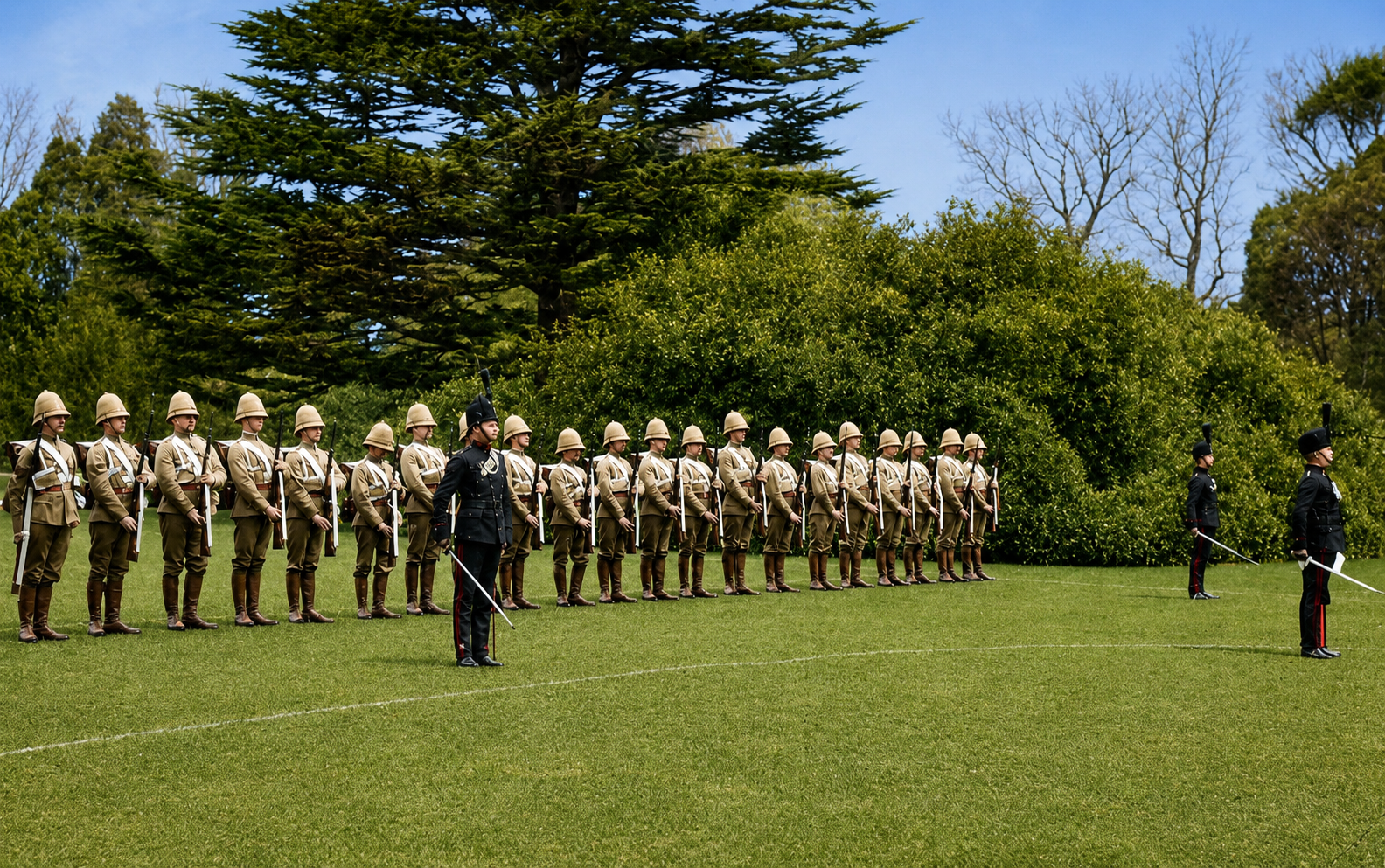
On 1st February 1900, Princess Beatrice inspected 21 Isle of Wight volunteers in the grounds of Osborne House before thanking them for stepping forward to serve. Her late husband, Prince Henry of Battenberg, had been the Honorary Colonel of the Isle of Wight Rifles, making it a deeply personal occasion. Lady Seely, whose son Jack would also serve in South Africa, presented every volunteer with a wristwatch before Princess Beatrice handed each man a pipe and a woollen cap for the long voyage ahead.
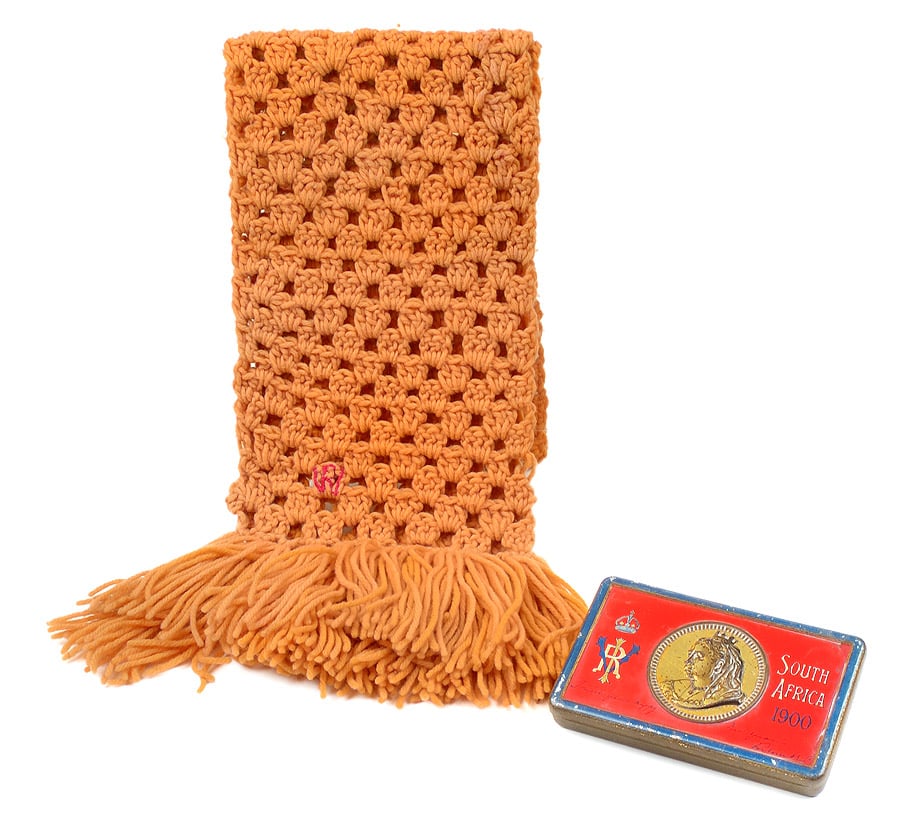
Watching from a window overlooking the parade was Queen Victoria, spending the final year of her reign at Osborne. She followed the war closely and crocheted eight khaki scarves embroidered with her royal cypher. They were later presented to soldiers for acts of bravery and distinguished service. After the inspection, the volunteers were welcomed into the house before continuing to Southampton. Few volunteer battalions anywhere in Britain received such a royal send-off.


Britain’s early setbacks in South Africa had forced the Government to appeal for volunteer reinforcements, and almost every fit member of the Isle of Wight Rifles stepped forward. Those selected were not professional soldiers but ordinary Islanders. They came from farms and workshops, from shops, building sites and offices, training as part-time Riflemen before returning to their civilian jobs. Within days they would be sailing alongside aristocratic officers such as Jack Seely, supported by one of the Island’s leading families and encouraged by Queen Victoria and Princess Beatrice.
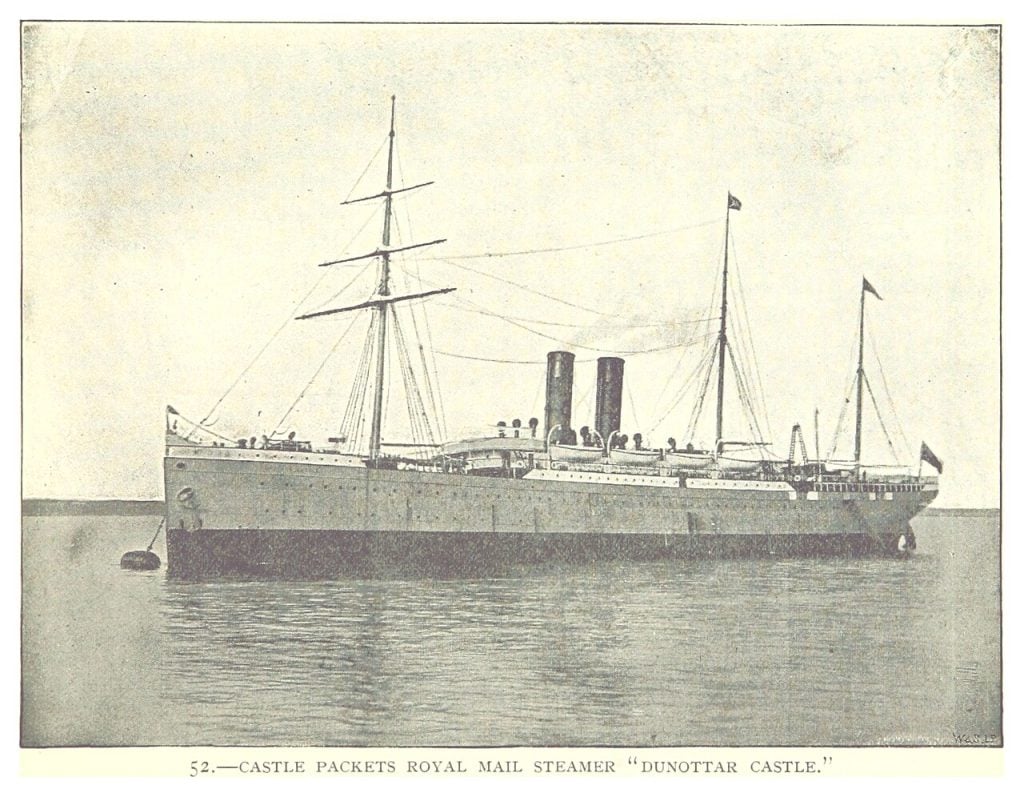
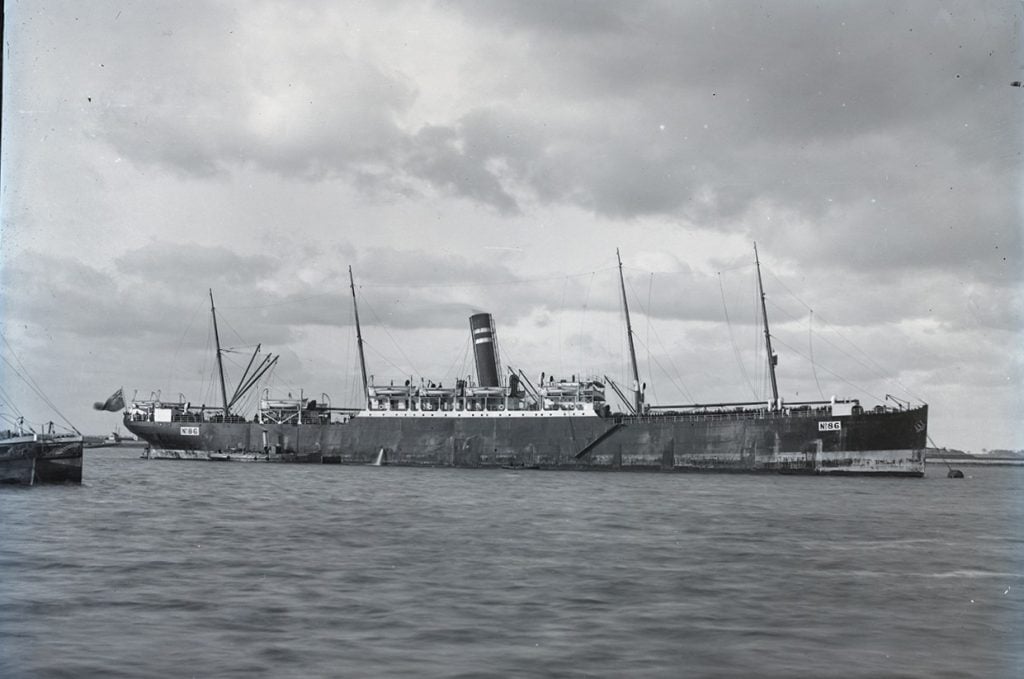
The volunteers boarded the RMS Dunottar Castle at Southampton on 11th February. The voyage to Cape Town lasted more than three weeks. Farm workers, craftsmen, clerks and shop assistants who had spent most of their lives on the Isle of Wight suddenly found themselves bound for the vast landscapes of southern Africa. Families gathered on the quayside to watch the troopship sail, not knowing whether they would ever see their sons, husbands and brothers again.
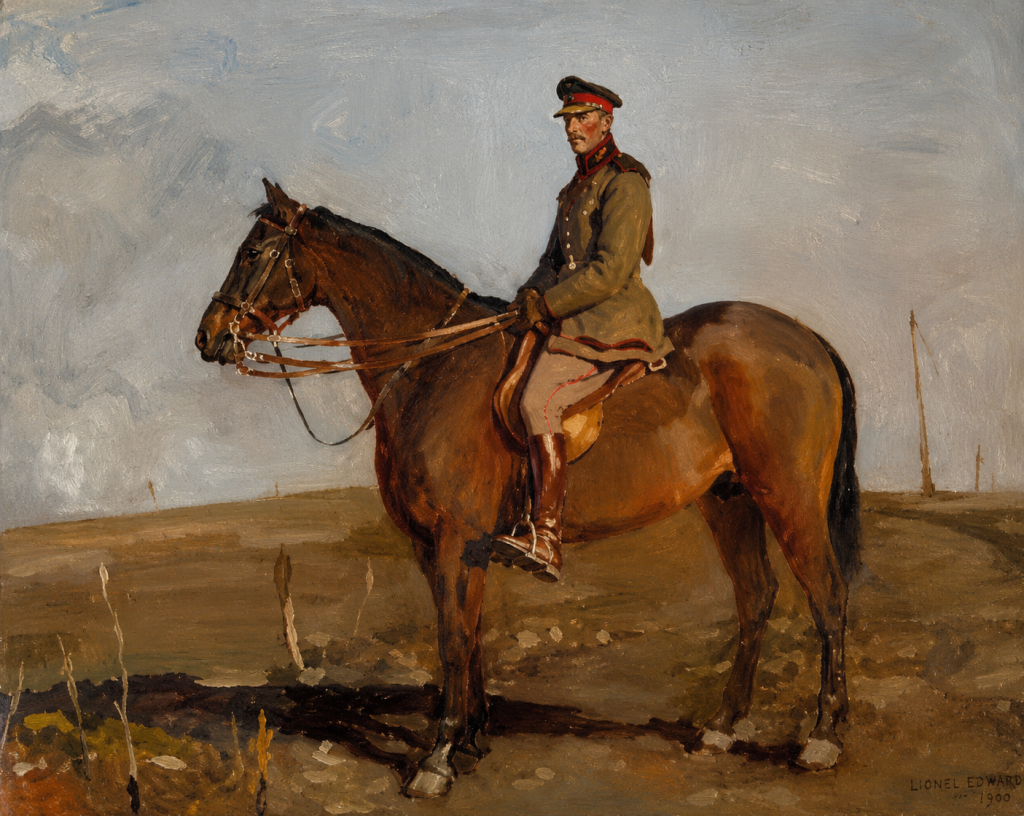
Southampton was also the departure point for Captain John “Jack” Seely of the Hampshire Yeomanry, youngest son of Sir Charles and Lady Seely. He arrived at the docks with his favourite horse, Maharajah, a little white Arab that had carried him for years. Army officers refused to let the horse board, arguing that its brilliant white coat would make it an obvious target for Boer marksmen.
Seely had no intention of leaving Maharajah behind. Instead, the horse was simply dyed brown before horse and rider finally sailed together. The unusual solution worked perfectly, and Maharajah remained Seely’s constant companion throughout the campaign. Seely later recalled that they often slept side by side beneath the South African sky.
The Isle of Wight Riflemen reached Cape Town early in March expecting to reinforce the 2nd Battalion of the Hampshire Regiment. By the time they arrived, however, the battalion had already marched north with the British advance. Instead, the Islanders spent weeks marching across South Africa before finally catching up with their comrades.

Few of their duties brought glory. The Riflemen escorted Boer prisoners, guarded vulnerable railway lines, protected supply columns and helped move artillery across the vast South African landscape. Without that work, however, the British Army could neither advance nor keep its troops supplied.
Meanwhile, Jack Seely was earning a reputation as one of the war’s most courageous young officers. During fighting at Dewdrop, one of the Leicestershire Yeomanry was wounded. Seely and Trooper Pike from Ventnor carried the injured man for six or seven miles before returning to the fighting. Pike later recalled that Seely then led an attack on a Boer position the Grenadier Guards had failed to capture the previous day, describing him as “one of the best Yeomanry officers in the service”.
Seely was mentioned in despatches, awarded the Distinguished Service Order and, during the ‘Khaki Election’ of 1900, discovered that the voters of the Isle of Wight had elected him as their Member of Parliament while he was still serving in South Africa.
One achievement entered the regiment’s history. After almost 30 hours continuously on duty, the Riflemen marched from Pretoria carrying full equipment and covered around 35 miles in little more than 12 hours. It was believed to have been one of the longest forced marches completed by British troops during the Boer War.
The first contingent returned aboard the Lake Erie in May 1901 after more than a year overseas. They brought home the battle honour South Africa 1900-01, later incorporated into the cap badge of the Isle of Wight Rifles. The campaign brought recognition as well as tragedy. Colour Sergeant W. Weeks was mentioned in despatches for distinguished service, while Corporal A. Arnell and Rifleman C. Kelson later died from illnesses contracted during the campaign.
While the first contingent was returning home, the War Office authorised a second Active Service Section from the Isle of Wight Rifles. Once again there was no shortage of volunteers, but only 10 men were accepted and, after medical examinations, just 3 were passed fit for service. The Boer War exposed the poor physical condition of many British recruits and helped spark a national debate about public health.
Queen Victoria died at Osborne House on 22nd January 1901 before the Boer War had run its course. Jack Seely returned to the Isle of Wight as a decorated soldier and the Island’s Member of Parliament, and peace was finally declared on 31st May 1902.