




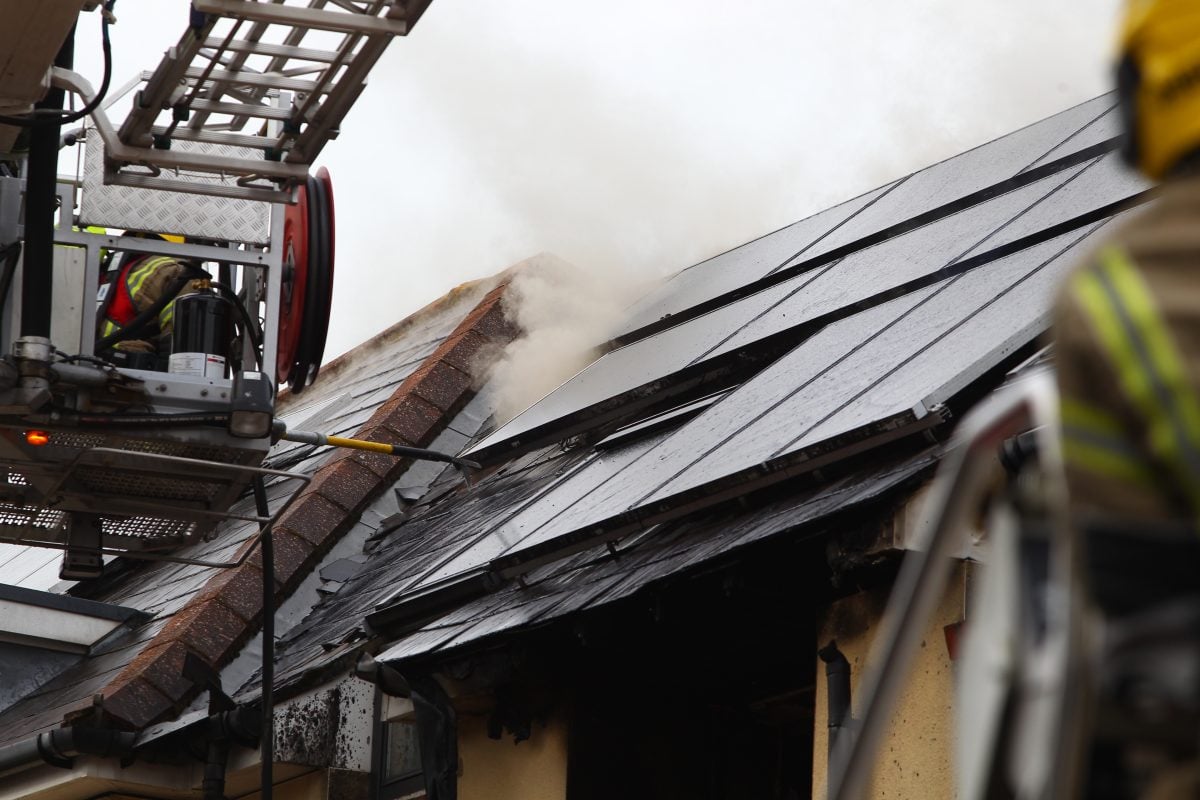








































Around 1,200 hours of fire service resources were swallowed up by the devastating Headon Warren wildfire, newly published figures have revealed – although the full financial cost of the 5-day emergency has still not been made public.
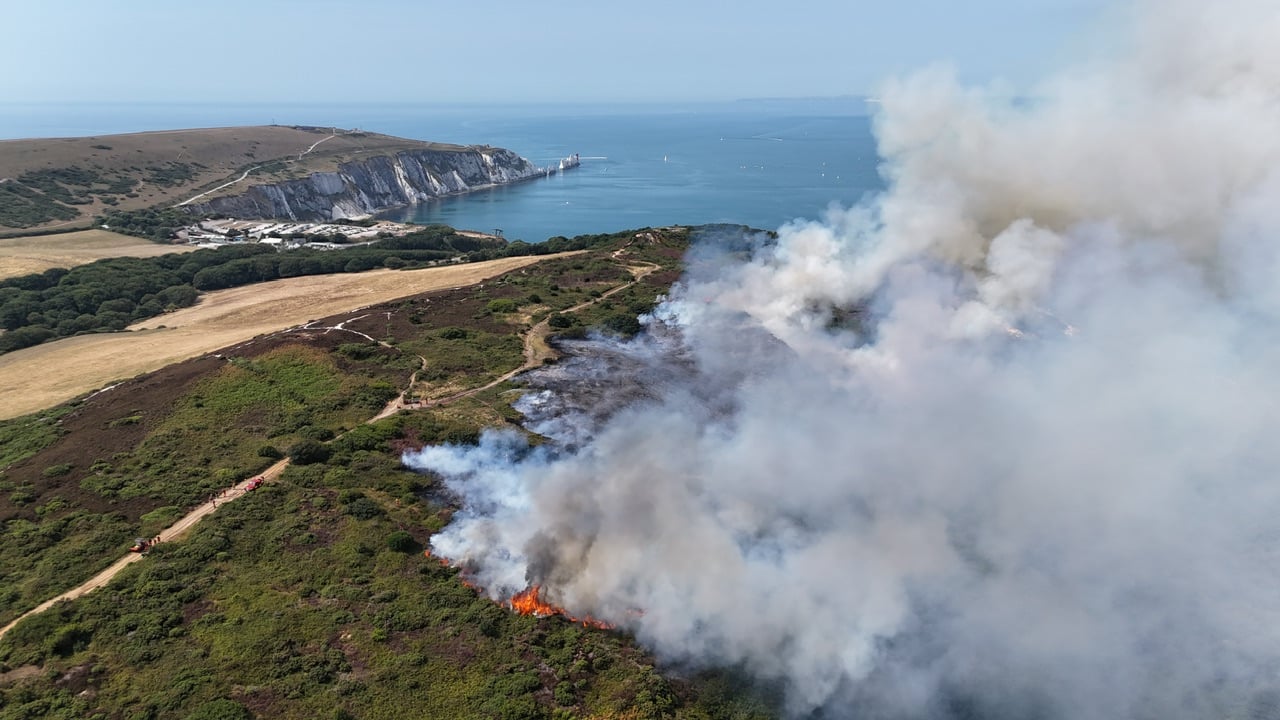
The major wildfire broke out at Headon Warren in the West Wight on 23rd July, triggering a huge multi-agency response involving crews from the Isle of Wight and several mainland fire and rescue services.
Hampshire & Isle of Wight Fire and Rescue Authority’s latest budget report reveals that the Headon Warren fire was the Service’s largest incident since 2019 and involved approximately 1,200 hours of resource time. It was overtaken shortly afterwards by the A31 wildfire in the New Forest, which required around 5,500 hours of resource time as well as national resilience support.


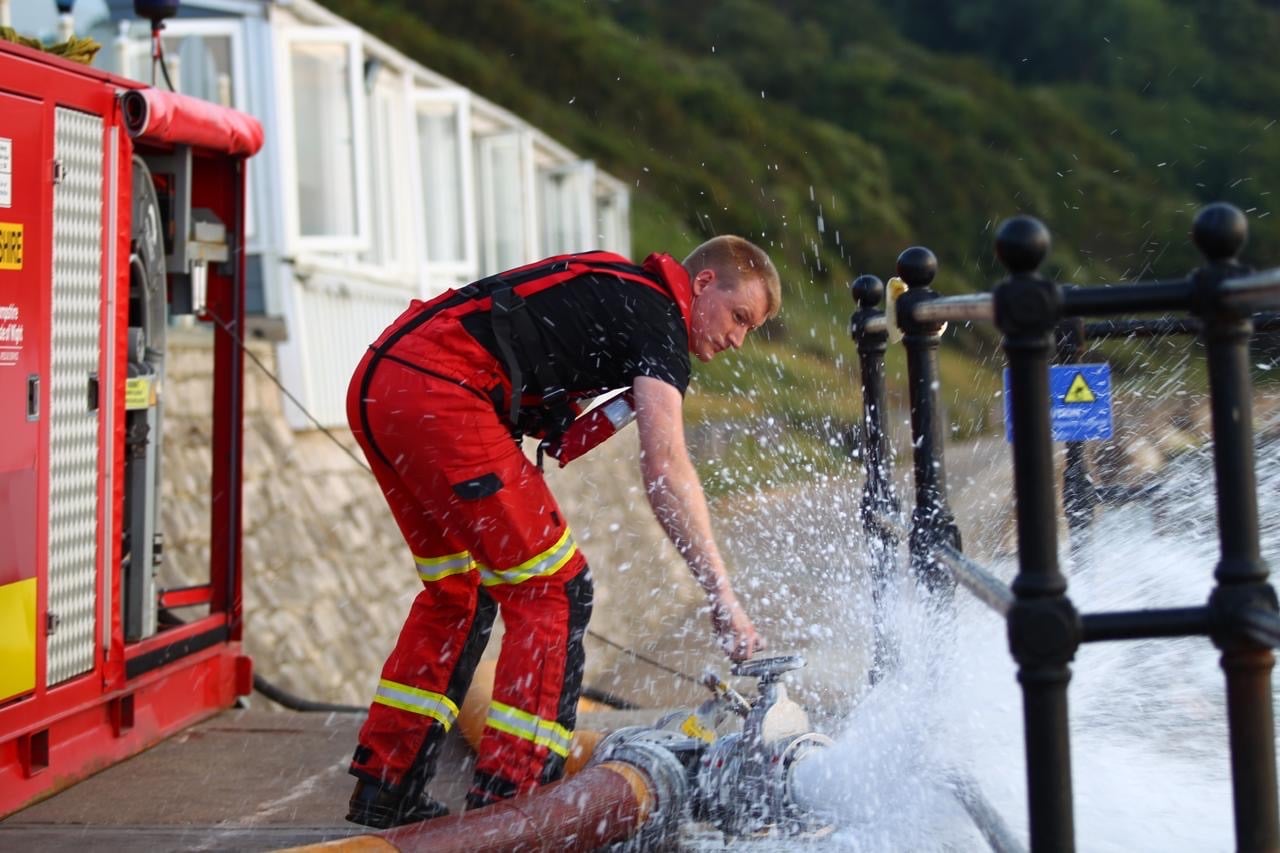
Headon Warren began shortly after 09:00 and developed into a major incident, with around 80 firefighters involved at its height. Crews faced severe difficulties getting water to the remote fire ground, with High Volume Pumps brought across from the mainland to pump seawater around 3km uphill.
A helicopter equipped with a Bambi Bucket was also drafted in, with the National Trust funding the aircraft at a cost of around £12,500.
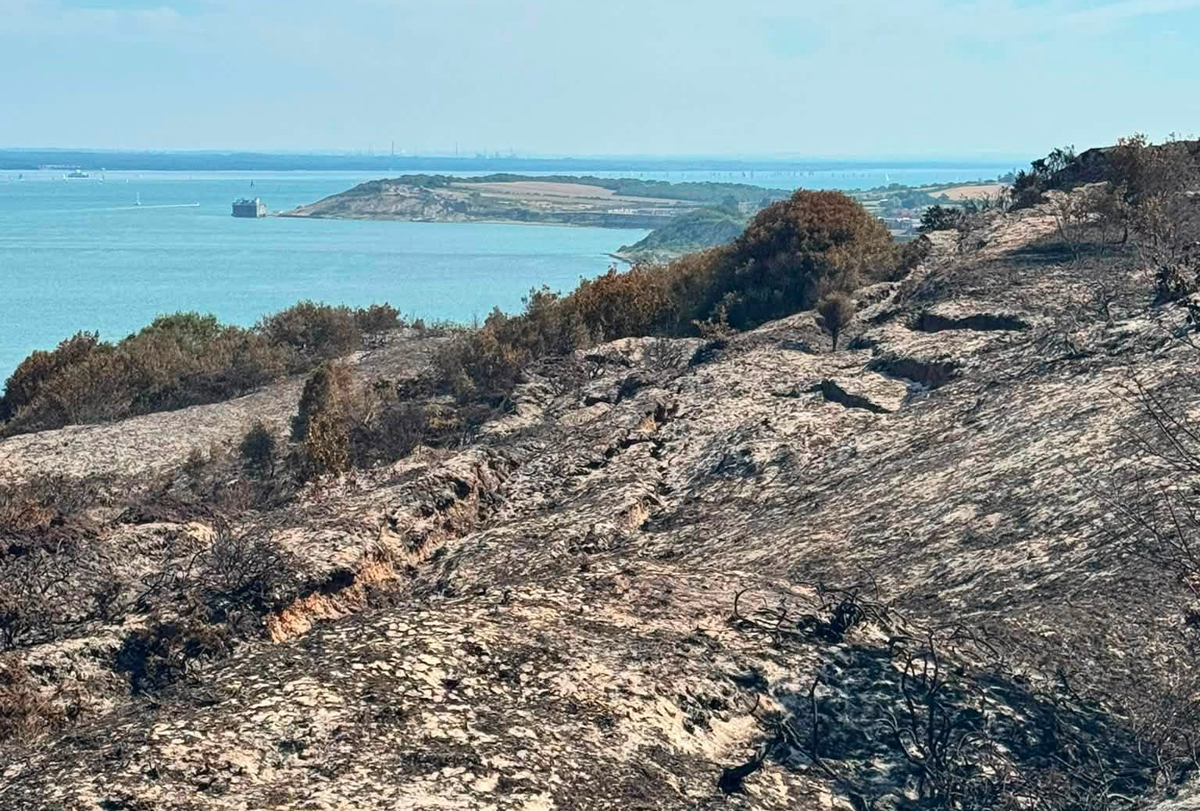
Around 8 hectares of Headon Warren’s 20 hectares of nationally important heathland were destroyed – approximately 40% of the habitat.
The resource figure has emerged after Isle of Wight councillors specifically sought information on what the Headon Warren response cost the public purse.

In July, the Council’s Environment and Community Protection Committee requested a briefing from Hampshire & Isle of Wight Fire and Rescue Service together with an estimated cost of the incident.
The latest fire authority report does not provide a standalone financial cost for Headon Warren. Instead, it says the full financial impact of the exceptional summer period is still being assessed and will be reported to the Authority in December.
Across July and August, the Service responded to around 1,400 fires in the open, including 75 incidents classed as wildfires – an increase of around 52% compared with the same period in 2025.