












































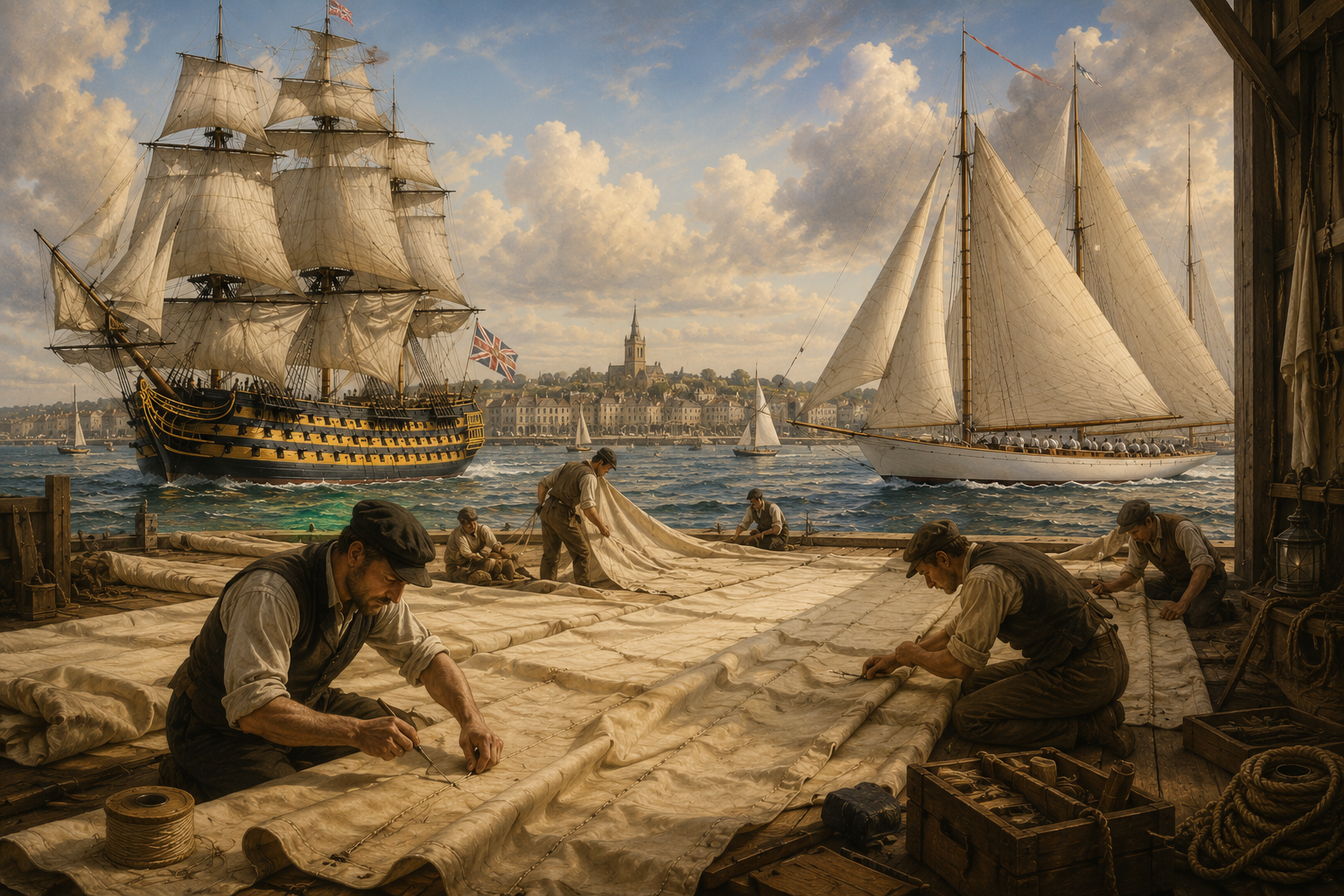

Founded in Cowes in 1790, Ratsey & Lapthorn helped power HMS Victory, Royal yachts and more America’s Cup winners than any other sailmaker.
When Lord Nelson sailed into the Battle of Trafalgar aboard HMS Victory, some of the sails carrying Britain’s most famous warship into action had been made in Cowes. It was an early milestone in a remarkable story that would see Ratsey & Lapthorn become the world’s oldest sailmaker and one of the most respected names in international yacht racing.
Over the following 230 years its products would power naval vessels, royal yachts, record-breaking racing yachts and some of the most successful America’s Cup challengers and defenders ever built.


One of the firm’s earliest and most remarkable achievements came through its connection with HMS Victory. In 1795, Lord Collingwood of the Admiralty became a strong advocate of the sails being produced by Ratsey, believing them to be stiffer and better made than many of their rivals. The recommendation led to the Cowes sailmaker supplying some of the sails carried aboard Nelson’s flagship.
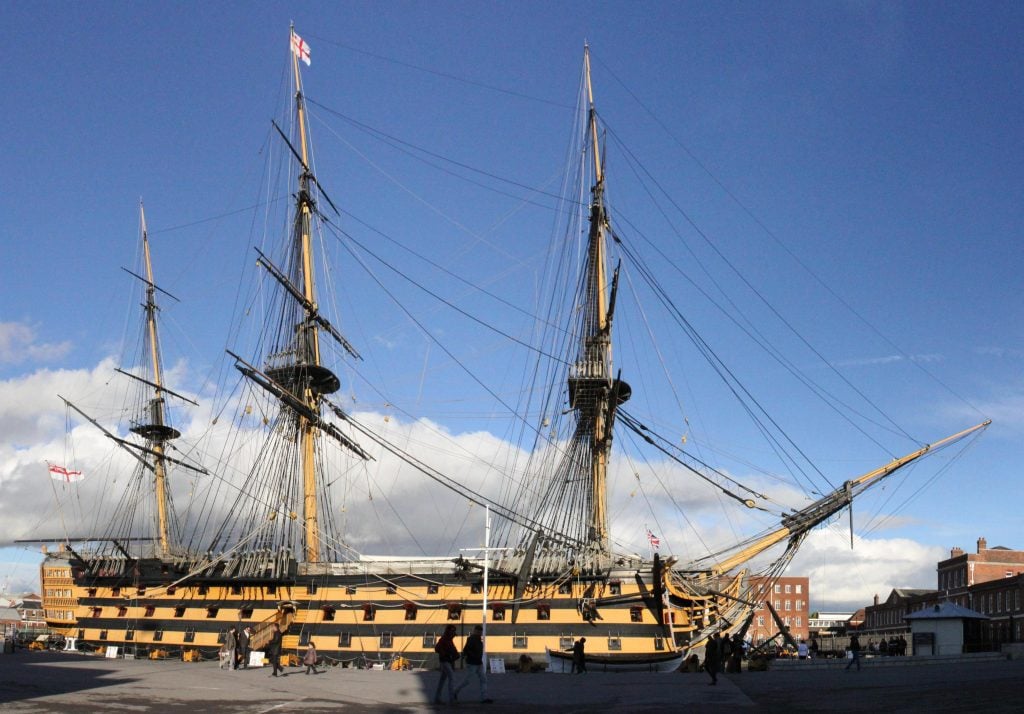
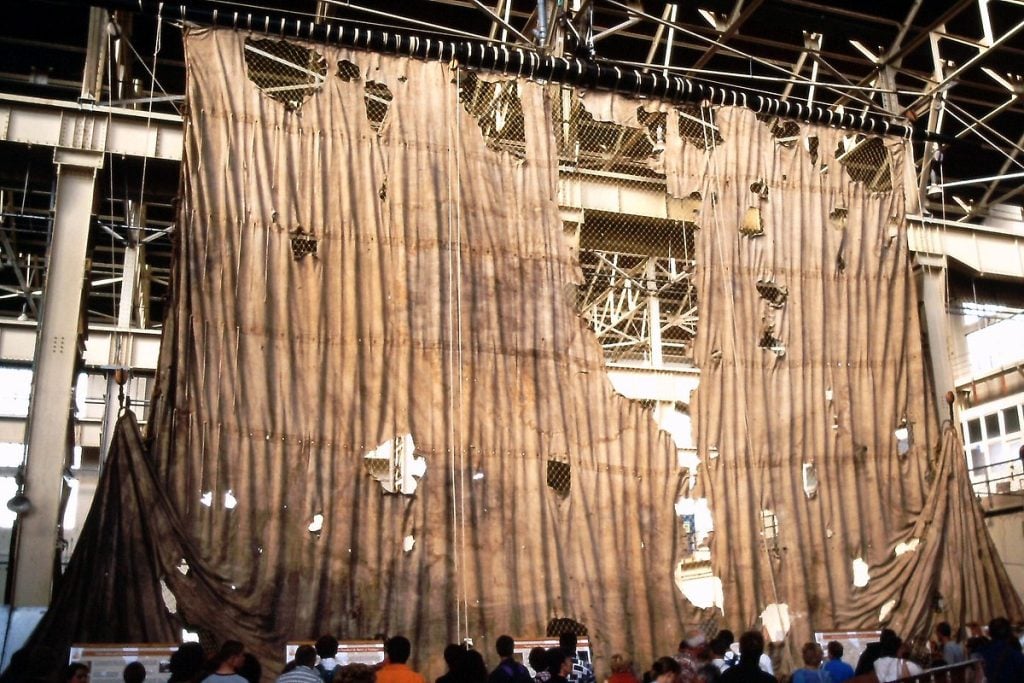
When HMS Victory sailed into the Battle of Trafalgar in 1805, Ratsey-made sails were among those helping drive Britain’s most famous warship towards one of the most decisive naval victories in history. More than 2 centuries later, a topsail from Victory survives in Portsmouth’s National Museum of the Royal Navy, complete with cannonball holes sustained during the battle.
During the 19th century, Cowes emerged as the centre of British yacht racing. The Royal Yacht Squadron attracted royalty, aristocrats and wealthy yacht owners from across Europe, while the town’s regattas became among the most prestigious events in the sailing calendar. Ratsey’s sail loft developed alongside that growth, earning a reputation for quality and innovation. Access to some of the finest cotton imported from Egypt and Sudan enabled the company to produce sails regarded as stronger and faster than many competitors could offer.
The Ratsey family’s royal connections extended beyond the sailing world. On 21st November 1840, Mrs Ratsey, wife of sailmaker Restall Ratsey, was appointed wet nurse to the infant Victoria, Princess Royal, the eldest daughter of Queen Victoria.
A second sailmaking dynasty entered the story in 1825 when James Lapthorn established a loft in Gosport. The 2 firms operated independently for more than 60 years before merging in 1889 to form Ratsey & Lapthorn Ltd, creating one of the most influential sailmaking companies in the world.

The merger coincided with the golden age of yacht racing and, in particular, the rise of the America’s Cup. Ratsey & Lapthorn supplied sails for generations of challengers and defenders, including the famous Shamrock, Valkyrie and Endeavour campaigns that became synonymous with British attempts to win the trophy.
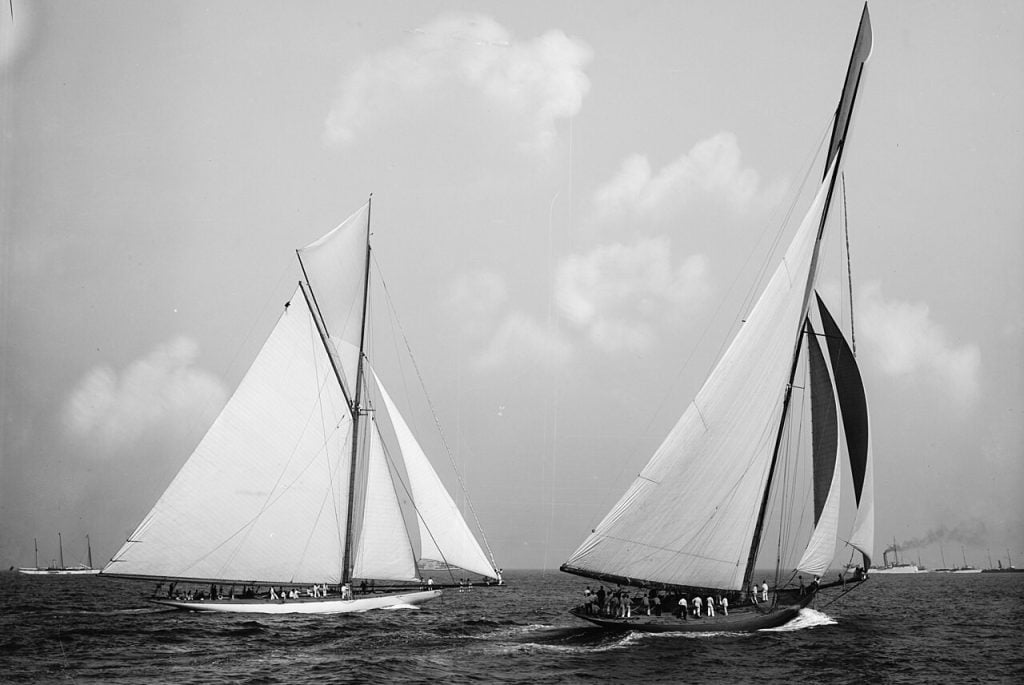
The company ultimately supplied more winners of the famous “Auld Mug” than any other sailmaker in history. The Ratsey family’s involvement extended far beyond manufacturing, with family members sailing aboard Cup yachts and working closely with owners, designers and crews in pursuit of victory. Among them was Tom Ratsey, born in 1851, whose contribution to the competition was so significant that he remains the only Englishman ever inducted into the America’s Cup Hall of Fame.
By the beginning of the 20th century, Ratsey & Lapthorn’s reputation had spread so far that a sail loft was established on City Island, New York. Employing more than 100 craftsmen, it helped make the Cowes-founded business the largest sailmaker in the world.
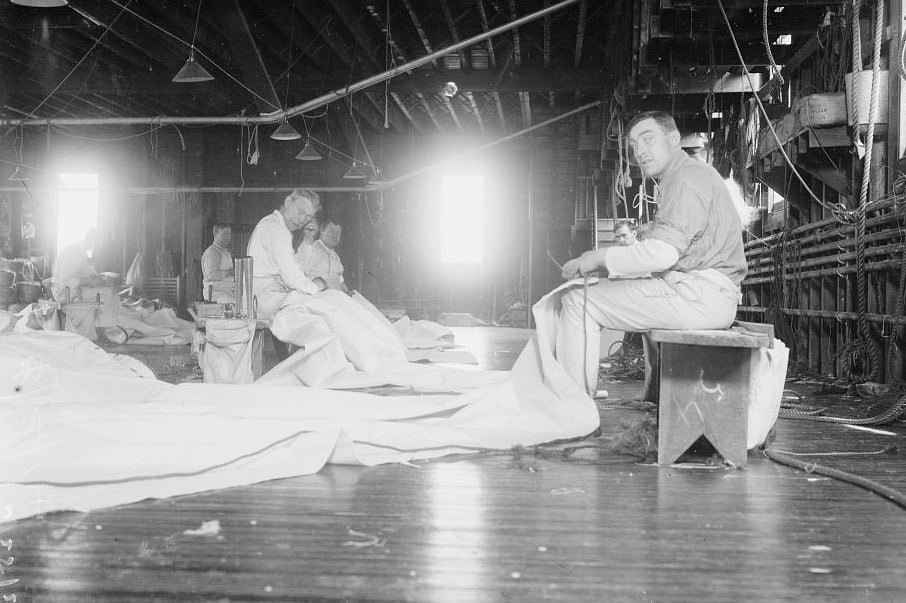
Friendly rivalry developed between the Cowes and New York lofts, driving constant innovation. During Sir Thomas Lipton’s Shamrock IV challenge, the New York loft developed an unusually large jib topsail which sailmakers back in Cowes nicknamed “The Yankee”.
The company’s influence extended beyond the sail loft. Thomas Ratsey purchased the racing yacht Dolly Varden in 1888 and used her as a test bed for new sail designs. Following extensive modifications, she became one of the most successful racing yachts of her era. Both King George V and the legendary yacht designer Uffa Fox sailed aboard her, while her original tiller arm remains on display at Ratsey & Lapthorn’s Cowes offices.
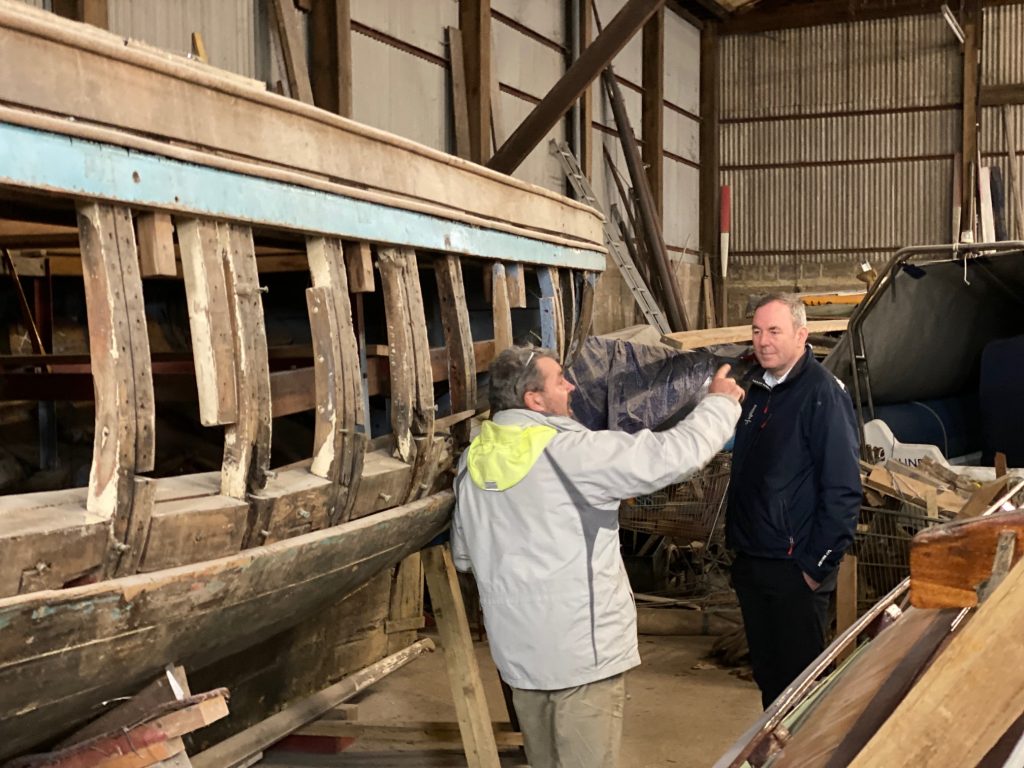
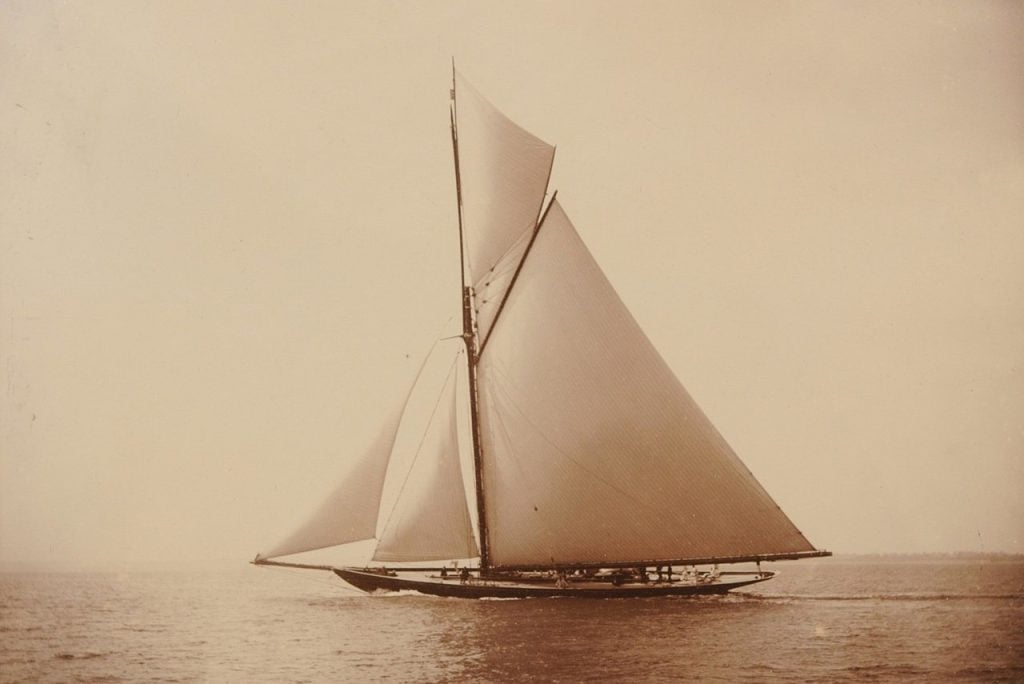
Royal patronage added further prestige. Among the vessels carrying Ratsey sails was Britannia, King George V’s famous racing yacht. Launched in 1893, Britannia won more than 230 races during a career spanning 4 decades and remains one of the most celebrated yachts ever built.
Although sailmaking has changed dramatically over the past century, Ratsey & Lapthorn continues to operate from The Sail Loft at Somerton Works in Cowes. Modern materials and computer-aided design have replaced many traditional methods, but the company still supplies sails for classic yachts, superyachts and racing vessels around the world. New investment in 2017 helped revive the historic brand, which now also operates from Barcelona while maintaining its historic Cowes base.
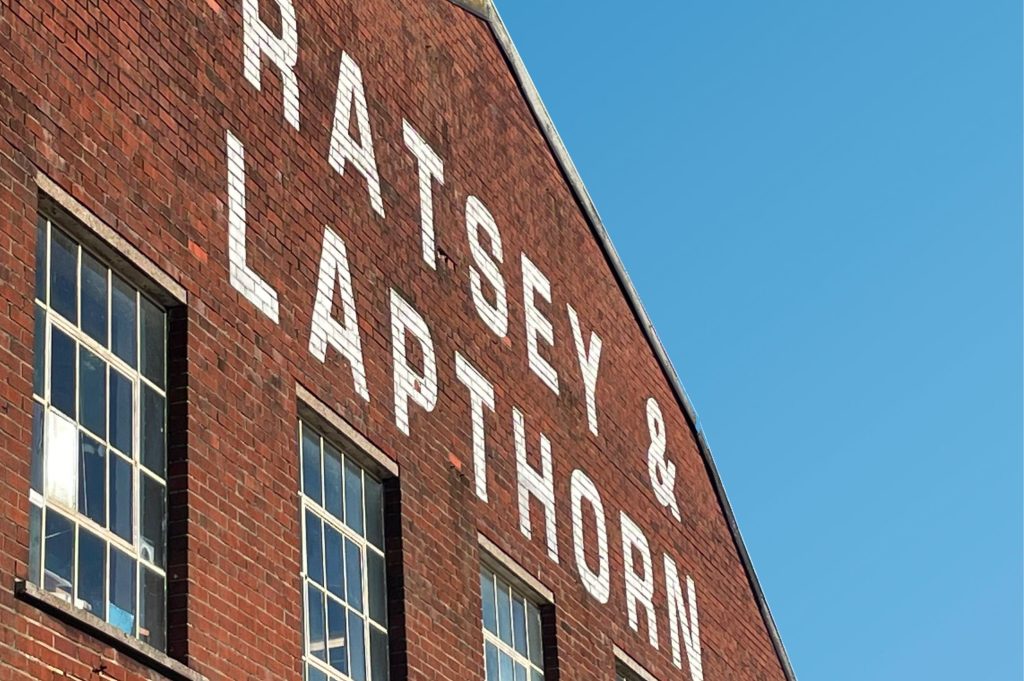
More than 230 years after George Rogers Ratsey opened his sail loft, Ratsey & Lapthorn remains one of the few companies able to trace an unbroken history from HMS Victory to the modern America’s Cup. Few Isle of Wight businesses can match a record that includes Nelson’s flagship, King George V’s Britannia, the world’s largest sail loft and more America’s Cup winners than any rival sailmaker.











Great story a reminder of the days when this country was
Great Britain.
Keep them coming.
Great firm great story