


































A devastating gun explosion at Fort Redoubt on 25th June 1901 – 125 years ago today – killed 4 Royal Artillery soldiers during a live firing exercise above Freshwater Bay.
The blast shattered the quiet of West Wight shortly after midday as troops carried out target practice at the clifftop battery overlooking the Channel.
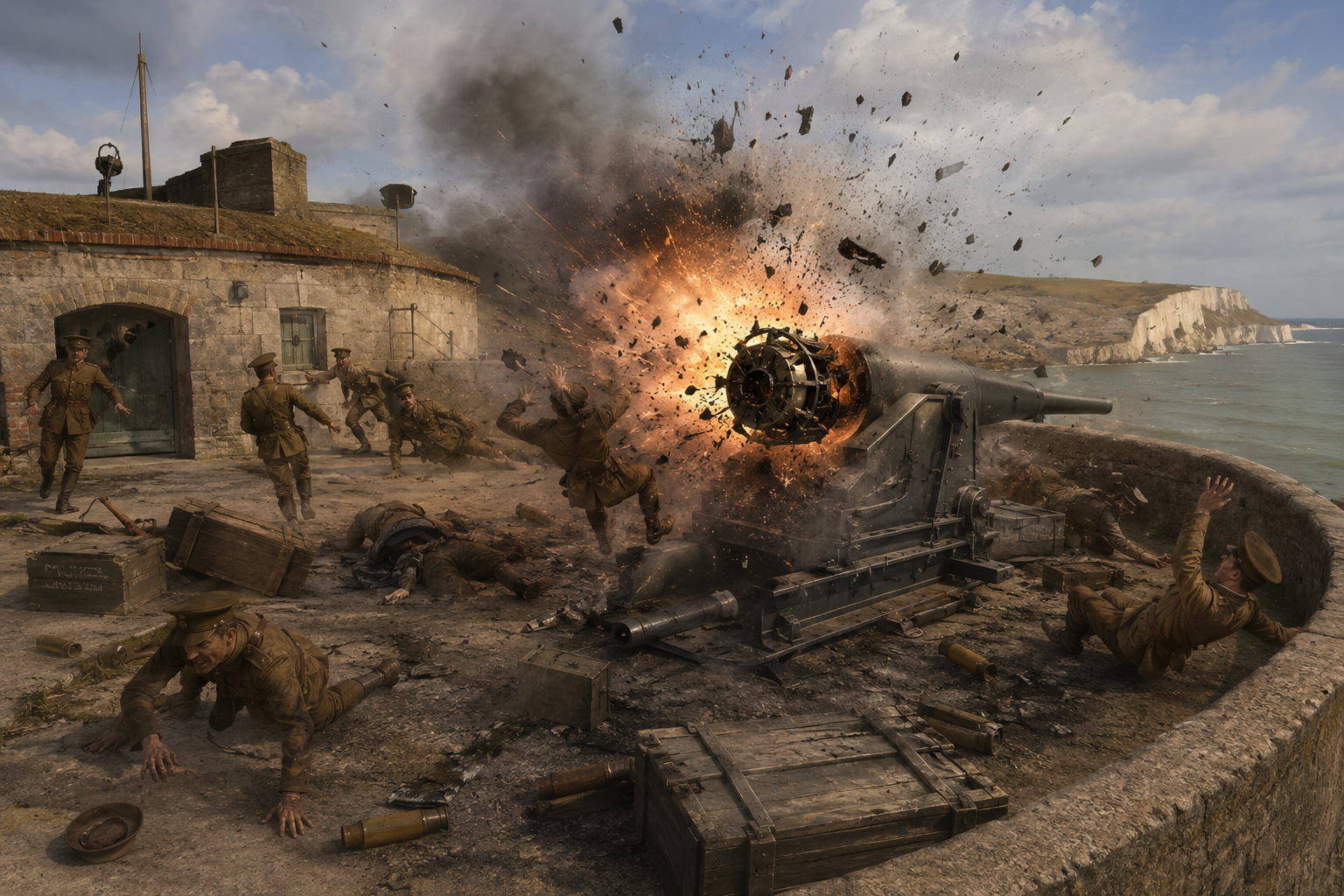
Without warning, the breech mechanism of a 12-pounder quick-firing gun exploded with enormous force, creating one of the worst peacetime military disasters in Isle of Wight history.


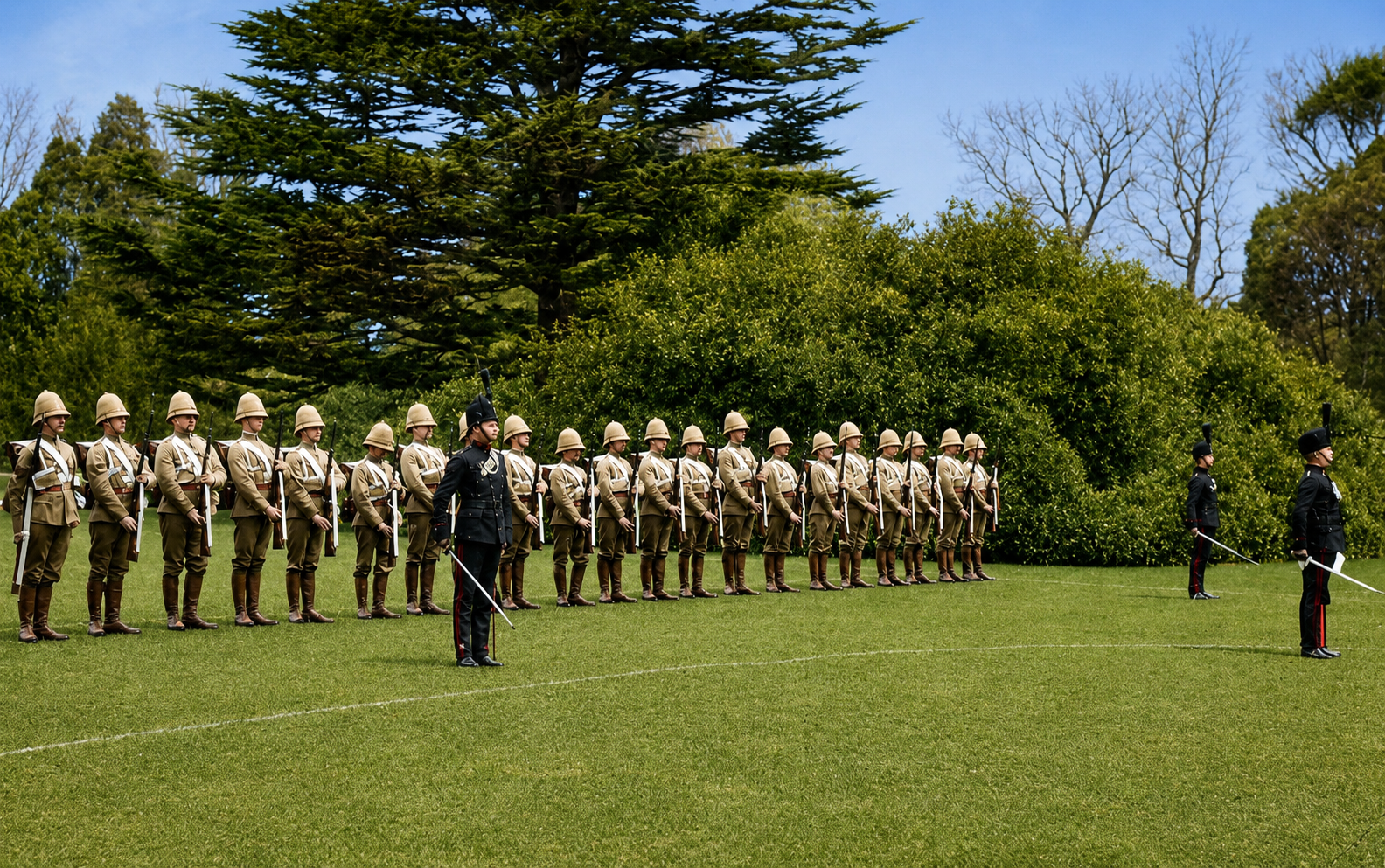
Killed in the explosion were Captain Arthur Le Mesurier Bray, 33, Gunner Charles Dornan, 20, Gunner Charles Rickets, 29, and Bombardier Murdoch Macdonald, 23. All were serving with the Royal Artillery and had formed part of a 20-man training detachment stationed at Fort Redoubt.
The soldiers had been firing at moving targets out at sea when disaster struck. Witnesses described a deafening explosion that echoed across Freshwater and Totland as smoke and metal fragments swept through the gun emplacement.
The breech block and screw from the rear of the gun were blown out with devastating force. Men standing nearby had little chance of escape. Several other soldiers suffered serious injuries, with some losing limbs in the carnage.
News of the catastrophe spread rapidly across the Island. Soldiers from nearby forts at Golden Hill, Fort Victoria and Fort Albert rushed towards Fort Redoubt while ambulances and medical staff were summoned to the isolated battery above the bay.
The injured were taken to the military hospital at Golden Hill, where doctors and nurses worked through the afternoon treating survivors. Scenes of shock and confusion unfolded as military authorities attempted to understand how such a catastrophic failure could have happened.

The accident caused particular concern because the 12-pounder quick-firing gun was regarded as a reliable and widely used coastal defence weapon. Early investigations focused on whether the breech had failed mechanically or whether the shell itself had detonated inside the gun barrel.
In the days that followed, the Isle of Wight witnessed remarkable scenes as more than 1,500 soldiers took part in the funeral procession for the dead servicemen. Troops marched through Freshwater behind the coffins while large crowds gathered to watch the sombre spectacle, many removing their hats as the procession passed.
The 4 soldiers were buried at All Saints Church in Freshwater, where their graves still survive today in the churchyard behind the church.
For many years, however, the graves fell into neglect and became difficult to find among overgrown headstones. Their story might easily have faded from memory altogether were it not for the efforts of West Wight resident Simon Hatch.
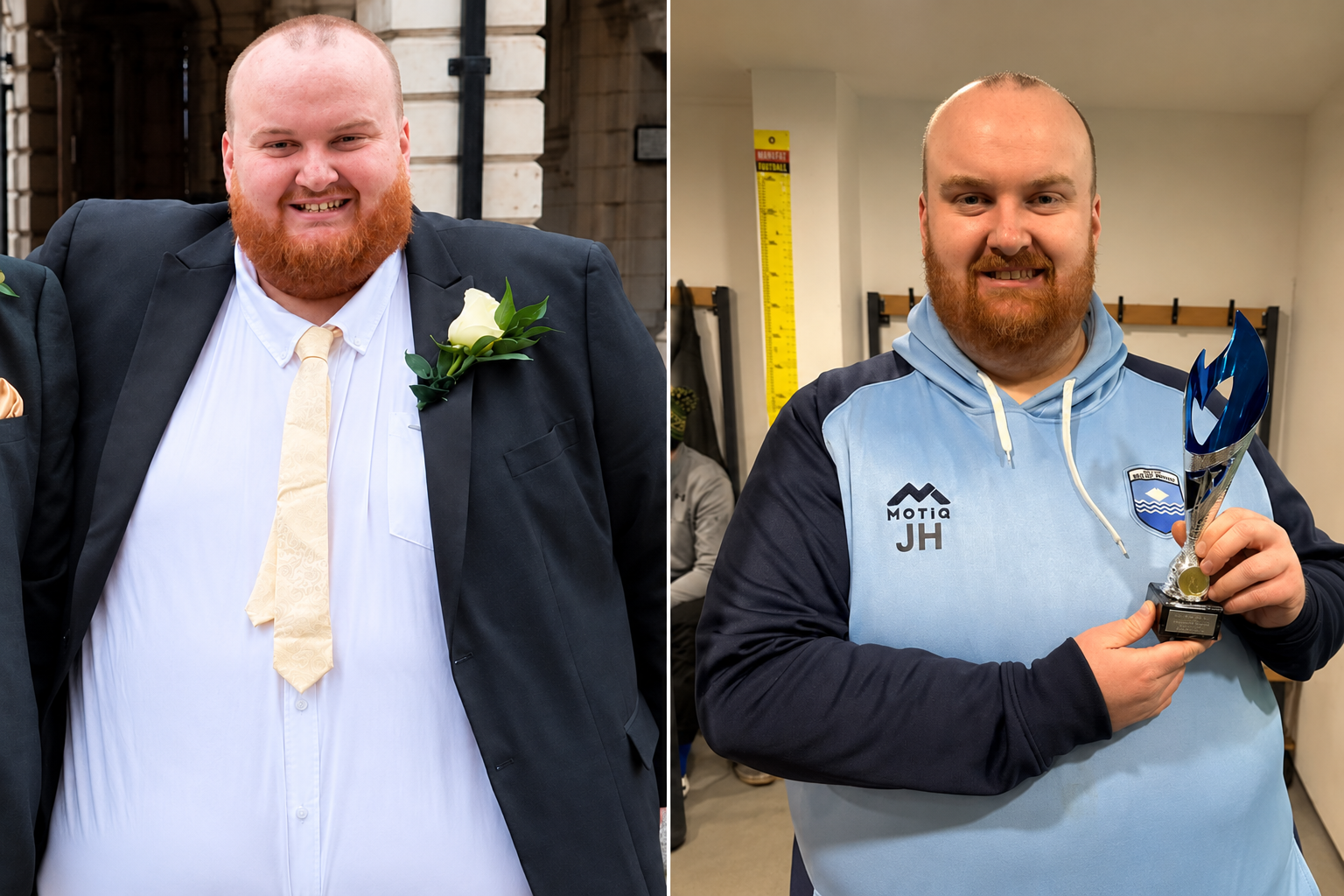
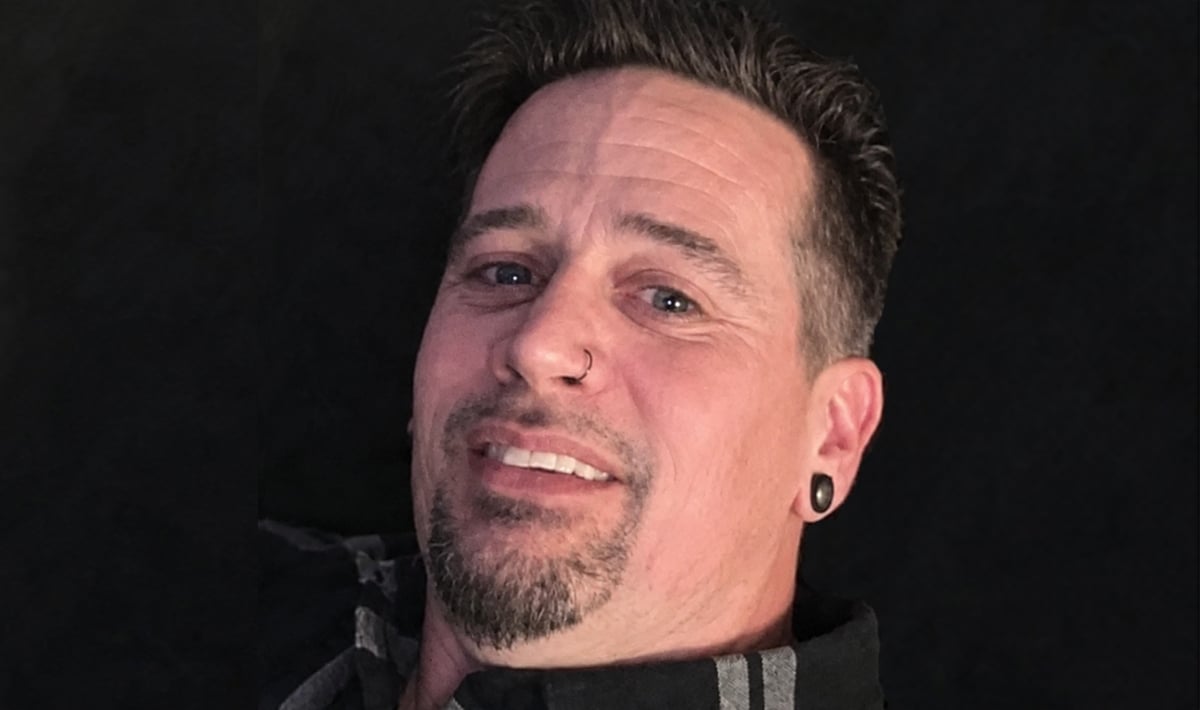
Mr Hatch, who has lived at Fort Redoubt for more than a decade and helps care for the historic building, became fascinated by the disaster after learning about the explosion. After spending days searching the churchyard, he eventually located the graves of the 4 soldiers and began tending them regularly.
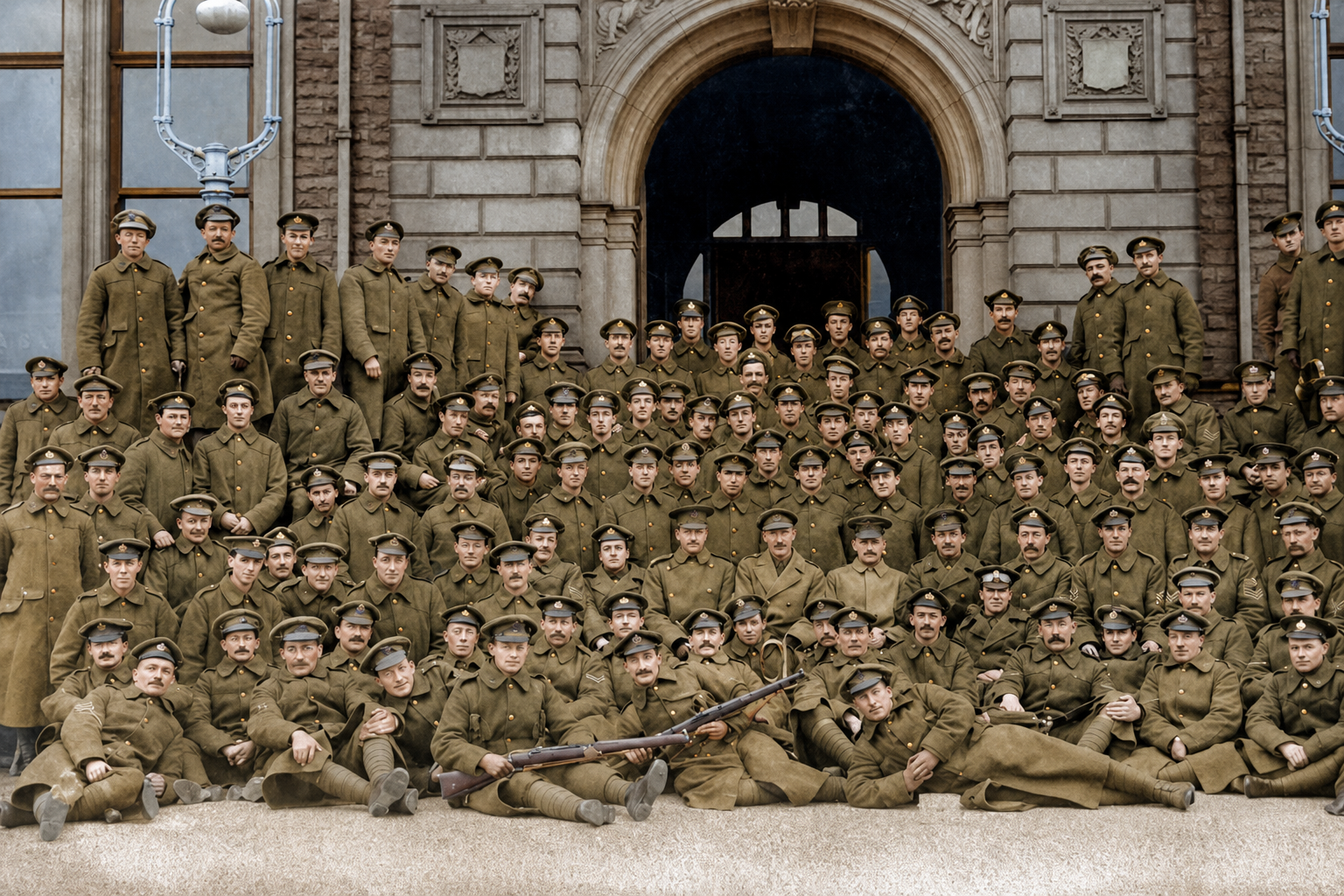
He now refers to the dead servicemen affectionately as “my boys” and flies the flag at Fort Redoubt at half-mast each year on the anniversary of the explosion. He also discovered a photograph showing the soldiers alongside the rest of their garrison, helping put faces to the names behind the long-forgotten disaster.
Although the gun fell silent long ago, the memory of the 4 soldiers killed at Fort Redoubt continues to survive in the churchyard at Freshwater and in the efforts of those who still care for their graves.







Great article and great to hear that the graves are still being
looked after.
I tend to an ex RAF pilots grave on the mainland
who was sadly shot down less than 2 months before
the war ended.
WE SHOULD NEVER FORGET!, THEY ARE THE REASON
WE ARE HERE TODAY!, SO MANY PEOPLE FORGET THAT.
Well done Mr Hatch.