






























































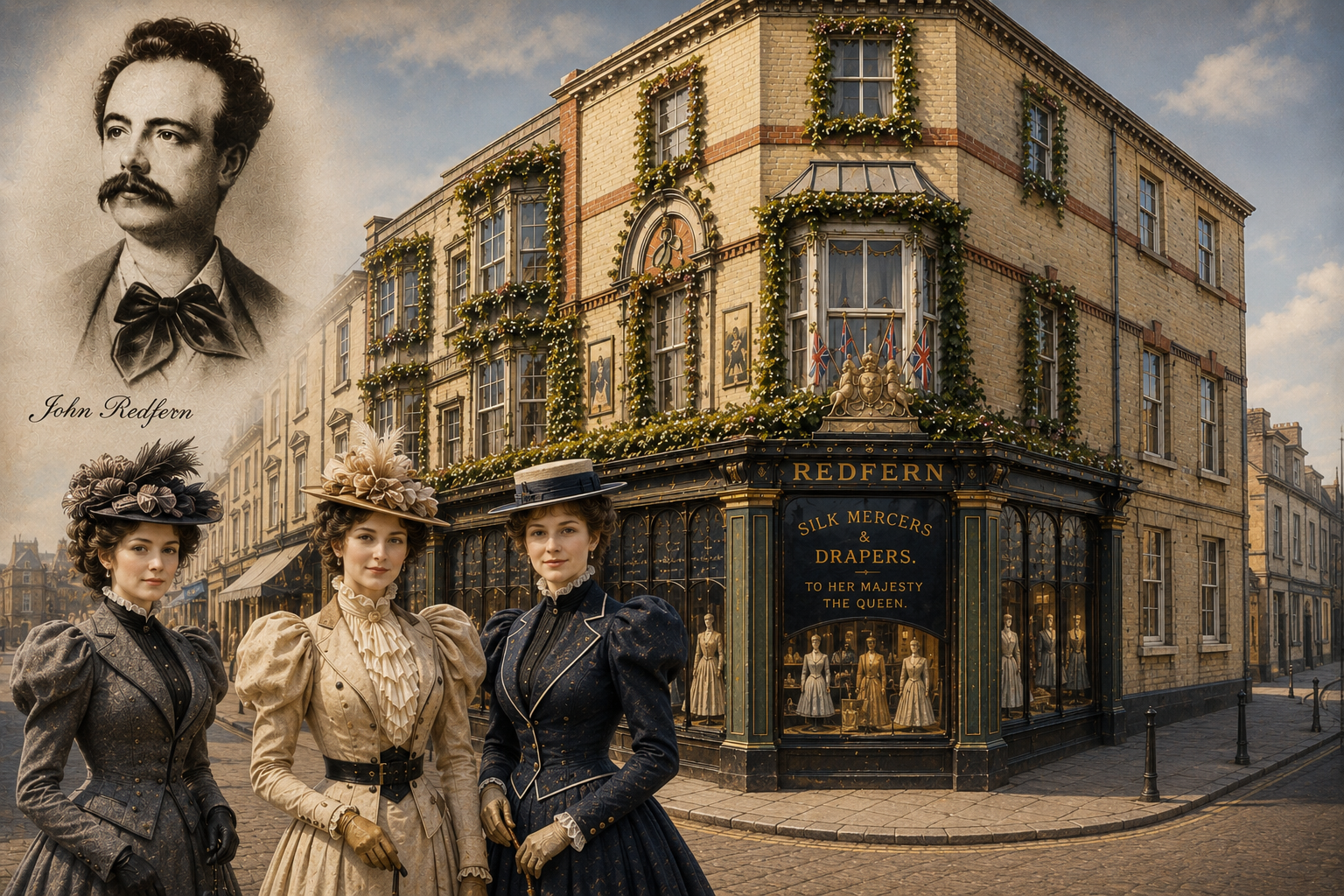

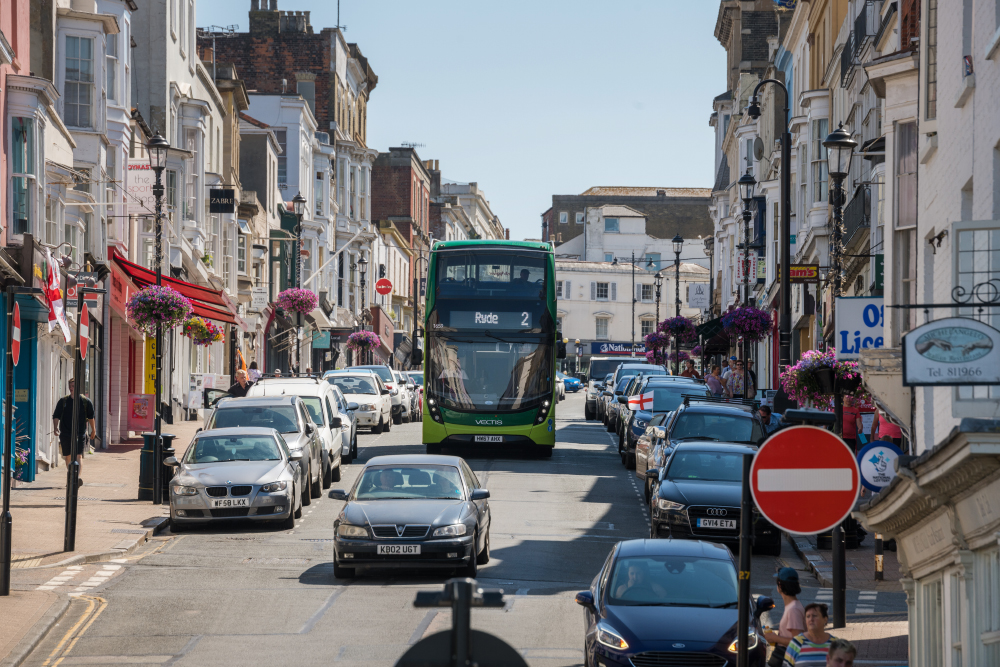
Founded on Cowes High Street, Redfern grew from a local draper’s shop into one of the Victorian world’s most influential fashion houses.
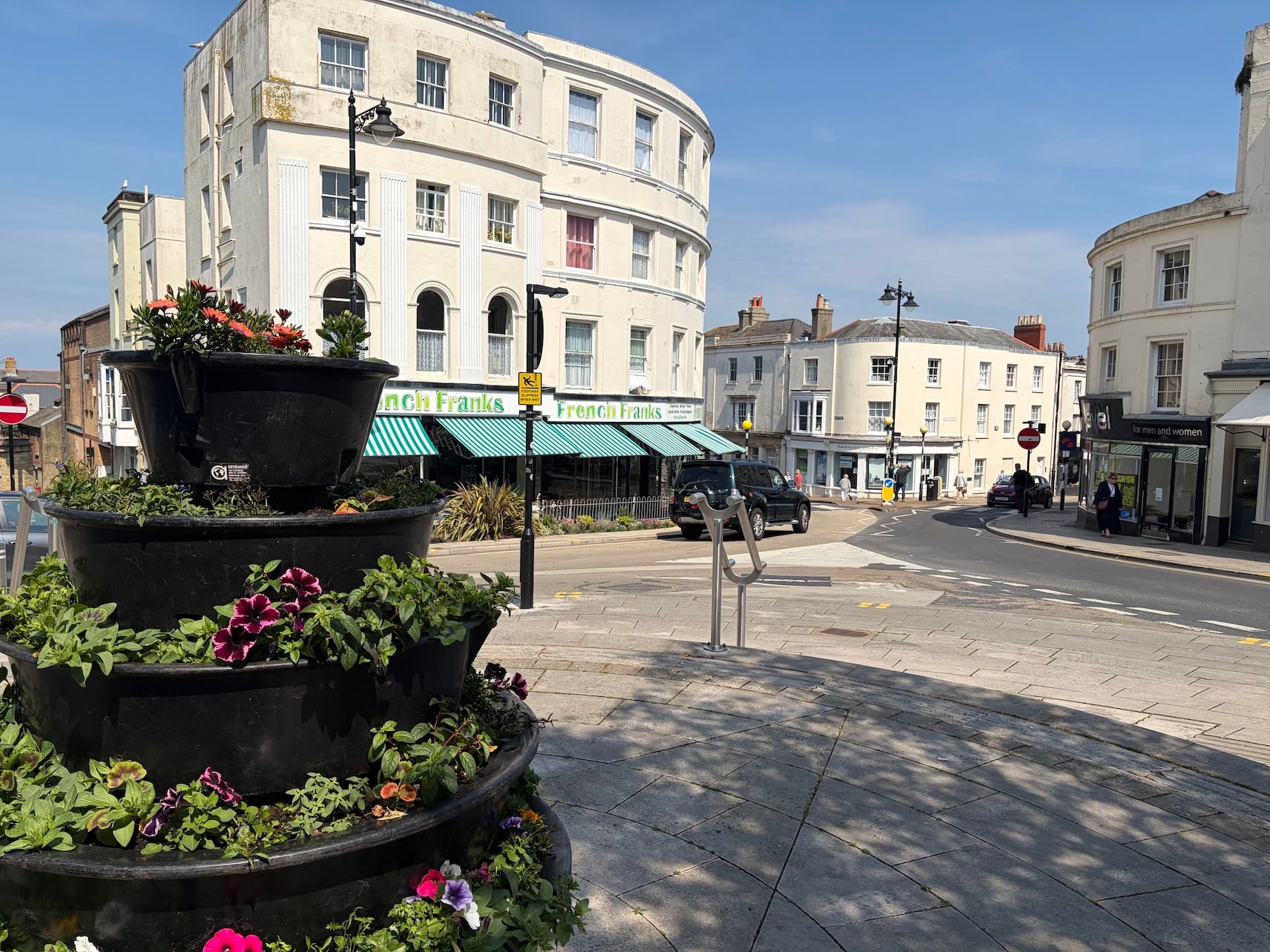
When people think of the Isle of Wight’s great business success stories, they usually picture shipbuilders, aircraft manufacturers or sailmakers. Few realise that one of the world’s most influential fashion houses began in Cowes.
From premises at 41, 40 and 40a High Street, Redfern built a reputation that reached Royal palaces, European capitals and fashionable society on both sides of the Atlantic. At its height, the company operated branches in London, Edinburgh, Paris and New York, while its clients included queens, princesses, empresses, actresses and some of the wealthiest women in Europe and America.


The story began in the late 1840s when John Redfern established his business in Cowes. The venture built upon a family connection to the clothing trade, as his father had previously operated a specialist clothing shop in the town. Following his marriage to Harriet Beazley, John Redfern developed the business into a successful drapery concern that steadily expanded as Cowes itself grew in importance.
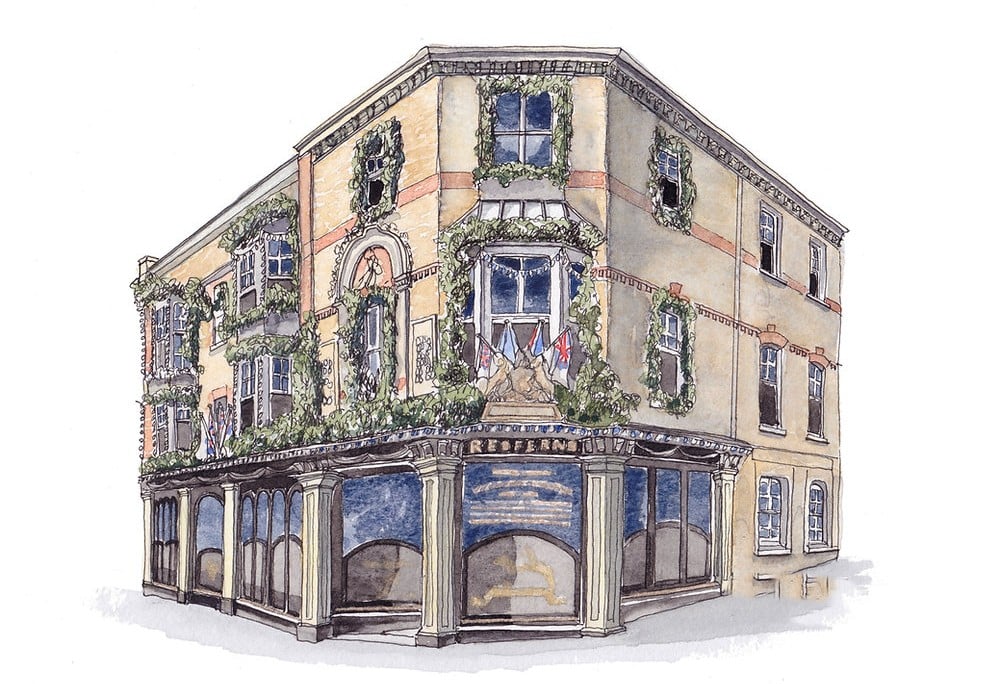
The Isle of Wight proved the perfect place for such an enterprise. Queen Victoria’s residence at Osborne House and the growing prestige of Cowes Week transformed the town into one of Britain’s most fashionable destinations, attracting royalty, aristocrats and wealthy yacht owners from across Europe. Redfern supplied Osborne House with materials and silks and was eventually listed as ‘Silk Mercers to Her Majesty the Queen’.
Royal patronage brought prestige, but it was the changing lifestyles of wealthy Victorian women that created an even greater opportunity.
As yachting, riding, tennis, archery, cycling and other outdoor pursuits grew in popularity, women required clothing that was both practical and fashionable. Traditional dresses were often restrictive and unsuitable for active pursuits, and Redfern became one of the first designers to popularise tailored jacket-and-skirt ensembles specifically aimed at women.
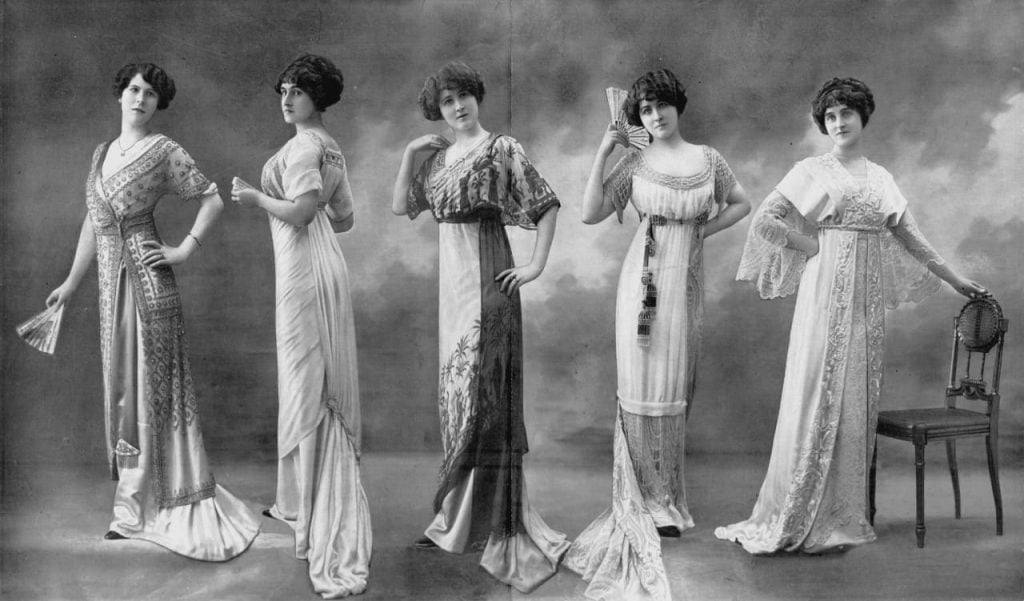
Combining the precision of men’s tailoring with contemporary fashion, Redfern’s designs offered women elegant clothing suitable for travel, sport and everyday life. The company became particularly associated with yachting attire, helping establish a style that would influence women’s fashion for decades to come.

The firm’s success was built not only on innovation but also on the skills of its workforce. During John Redfern’s lifetime, the Cowes premises employed nearly 80 women, many of whom lived and worked on site producing garments for wealthy clients across Britain and Europe. Locally, they became known as the ‘Bunny Girls’.
By the 1870s, Redfern had become one of the dressmakers to Alexandra of Denmark, the future Princess of Wales. Other prestigious clients soon followed, including the actress and socialite Lillie Langtry, who was famously the mistress of the future King Edward VII.
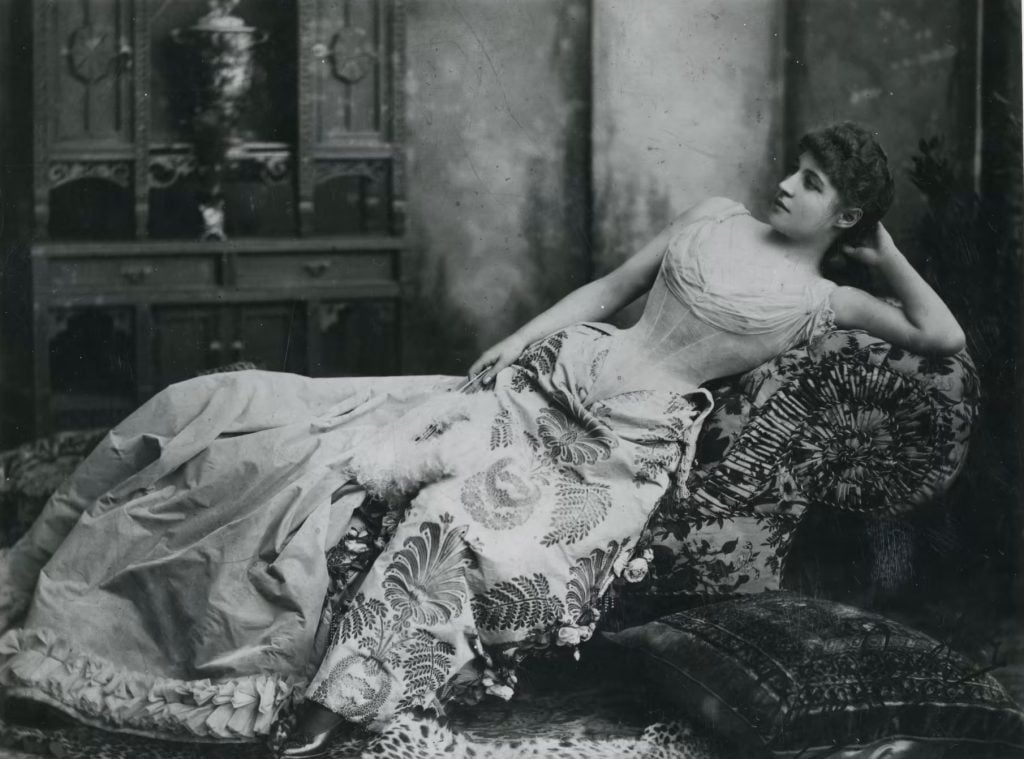
Royal patronage continued to grow. By the mid-1880s, Redfern held appointments to the Princess of Wales, Queen Victoria and Queen Emma of the Netherlands. Empress Maria Feodorovna of Russia also became a loyal client, and by the late Victorian period women from royal courts across Europe were wearing clothing produced by a company that had begun life in Cowes.
As its reputation spread, Redfern expanded rapidly. A London branch opened in 1878, followed by Paris in 1881 and New York in 1884. Edinburgh and Manchester followed, and by 1892 Redfern had established 11 branches across Europe and America, transforming a Cowes business into an international fashion empire.
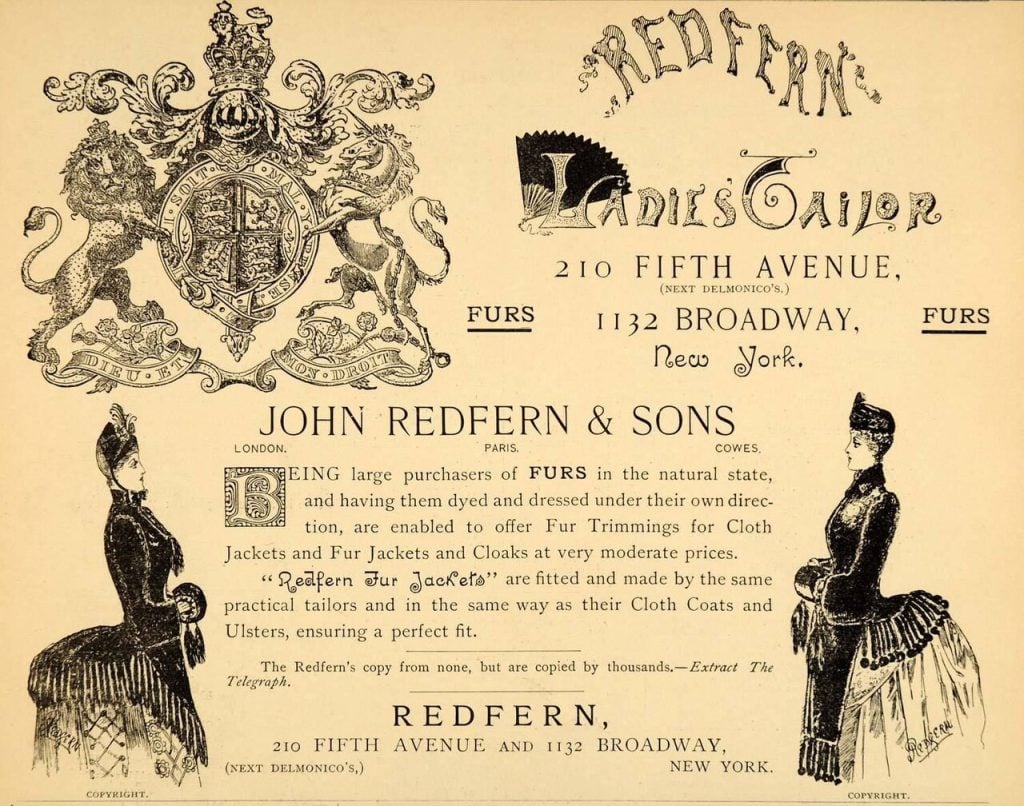
John Redfern died in 1895 and was buried in Northwood Cemetery, but the company continued to grow under the management of his sons and business partners. Reorganised as Redfern Ltd, the firm expanded its range beyond tailored suits to include evening wear, court dresses and wedding gowns, while maintaining the elegant tailoring that had made its name.
The Paris branch increasingly became the centre of the company’s couture operations, helping place the Cowes-founded business among the leading fashion houses of its era. Further premises opened in fashionable destinations including Nice, Cannes, Aix-les-Bains, Chicago and Newport, Rhode Island, while a successful mail-order operation allowed customers to purchase Redfern garments without visiting a branch.
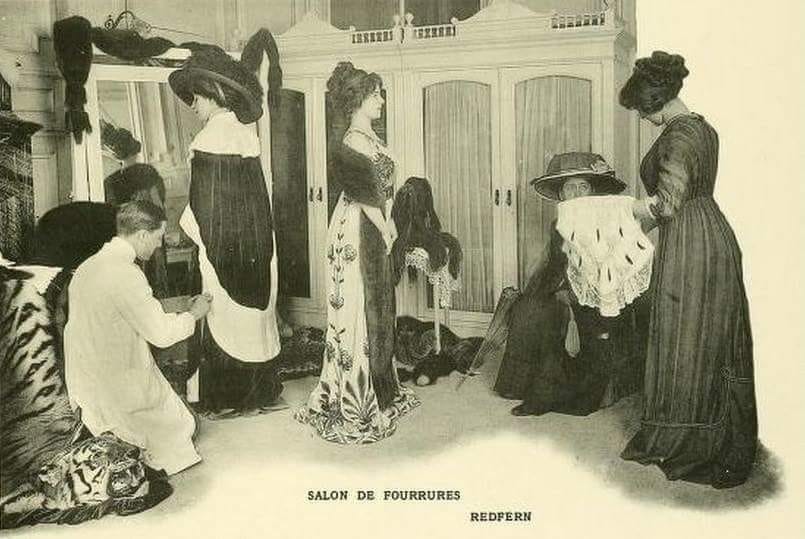
By the early 20th century, Redfern had become one of the best-known fashion houses in Europe and America. Its influence extended far beyond the wardrobes of royalty and society figures. The tailored jackets, suits and separates that became commonplace during the 20th century owed much to the path pioneered by the company decades earlier.
Although changing fashions and economic conditions eventually reduced its prominence, Redfern continued in operation until the start of World War II. The company closed in 1932, briefly reopened in 1936, and finally ceased trading in 1940.
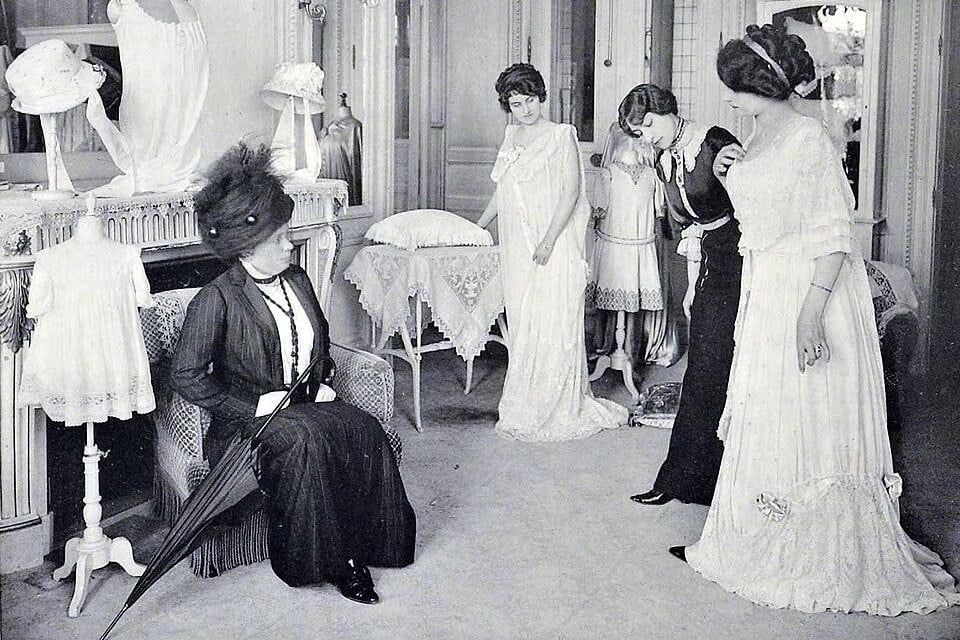
From premises on Cowes High Street, Redfern expanded to London, Edinburgh, Paris and New York, dressed royalty across Europe and helped place the Isle of Wight at the centre of the Victorian fashion world.











Thank you IE – very interesting article.
More like this please.
Another great story.
The island was once a fabulous place nowdays
it is so different, such a shame.
Keep the old stories coming, much better than reading
about all the law breaking numpties who live on the island
thesedays.