




















































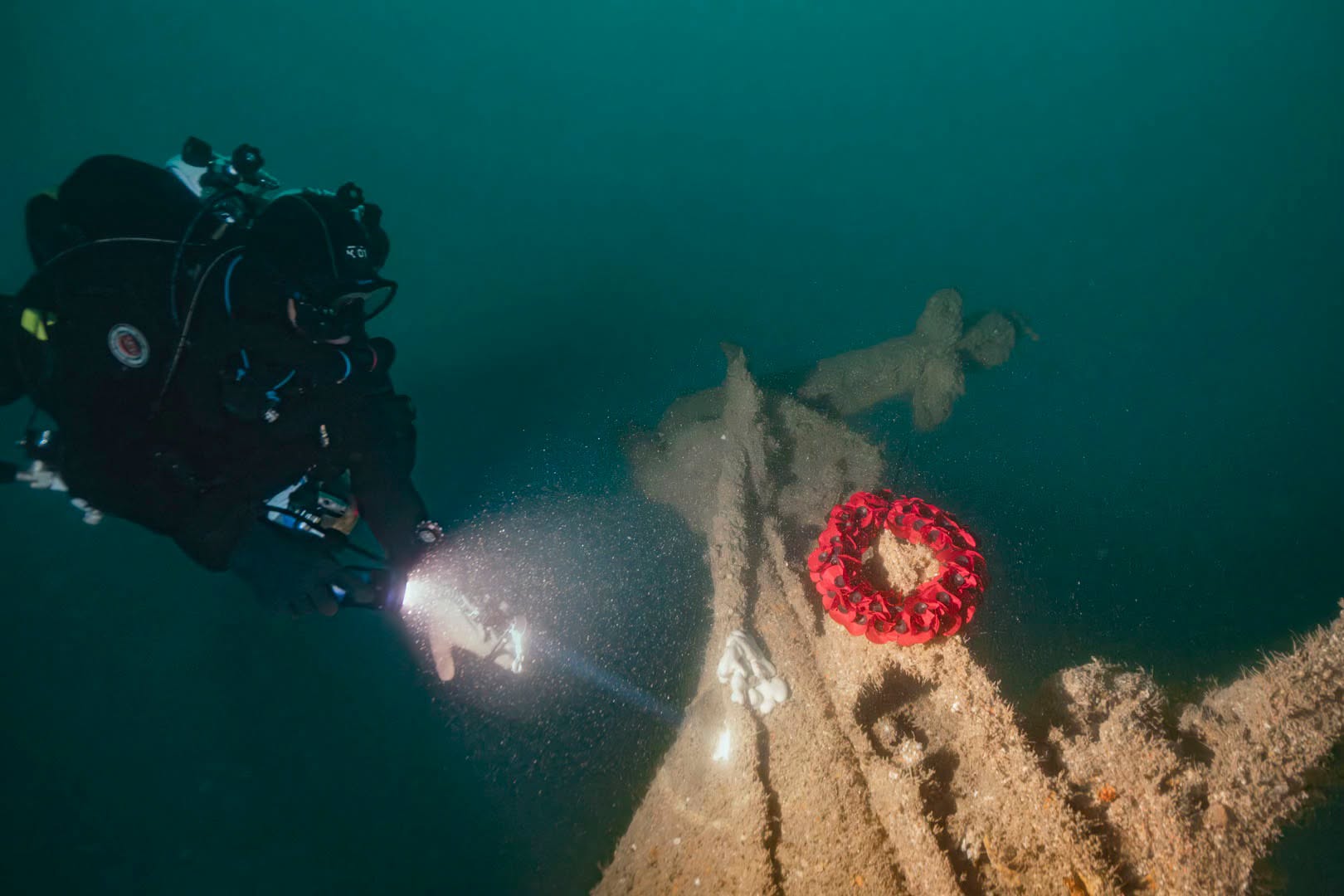

The discovery of HMS Tiger off the Isle of Wight was announced yesterday (Monday), 118 years after the Royal Navy destroyer sank.
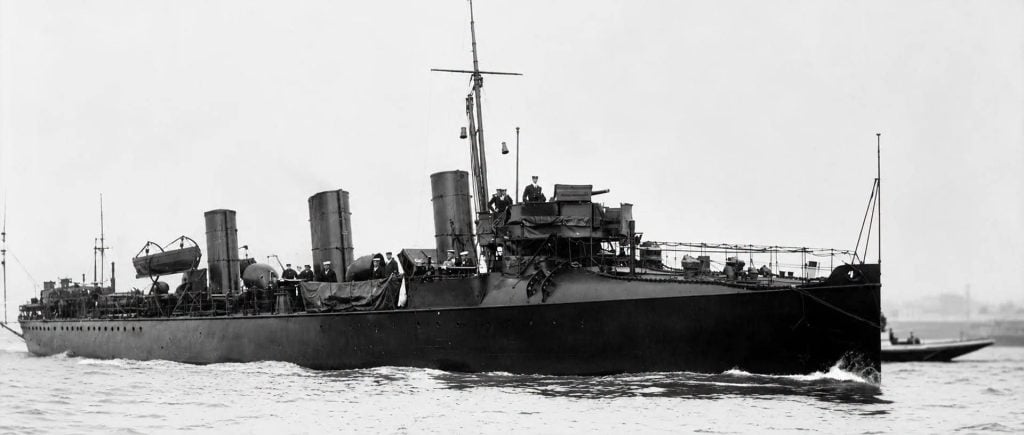
35 men died when the 400-ton destroyer crossed the path of a Royal Navy cruiser 25 times her size and was sliced in two. Tiger’s commanding officer was among those killed, while just 22 men survived.
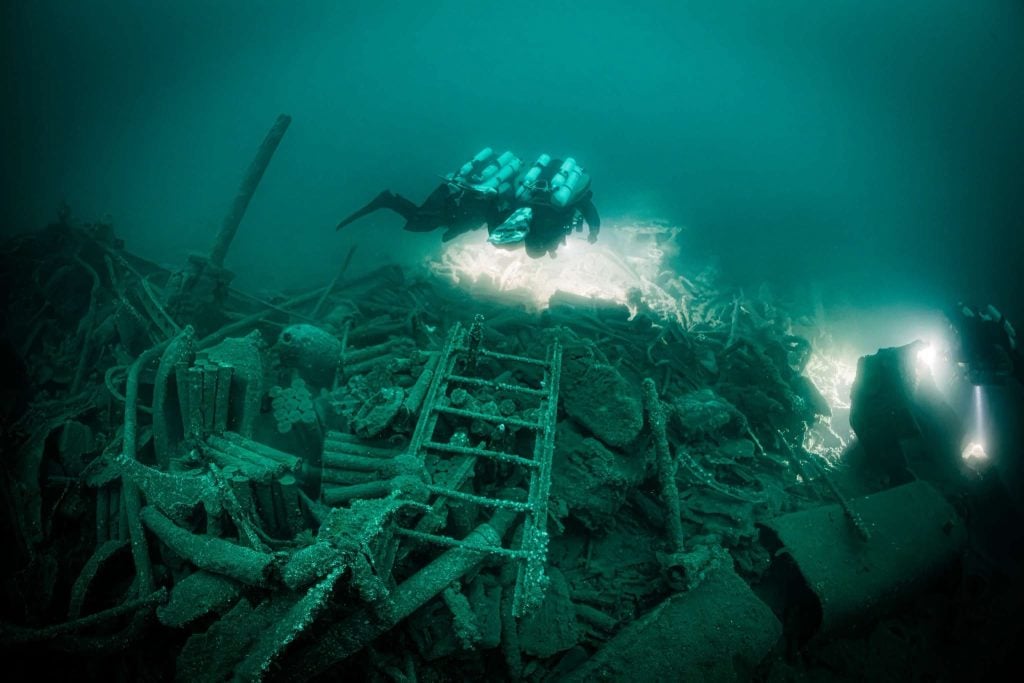
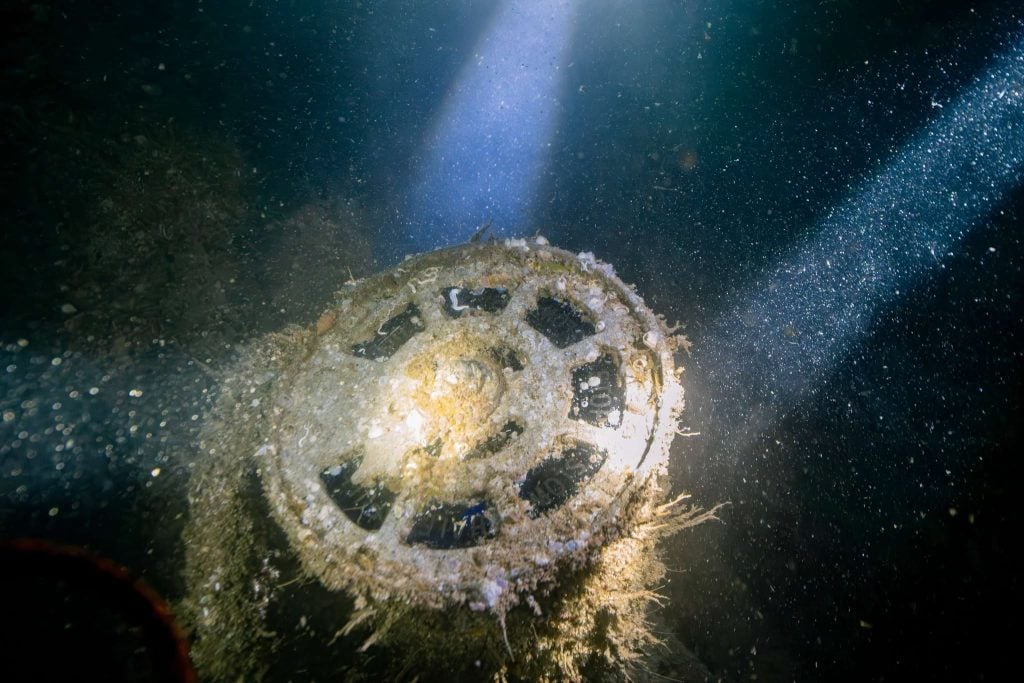
Now, after 5 years of research, divers and maritime historians from ProjectXplore have found and documented the wreck on the seabed off the Isle of Wight. Despite 118 years beneath the water, recognisable parts of Tiger remain among the wreckage, including one of her torpedo tubes and ammunition for one of her guns.


ProjectXplore co-organisers Leo Fielding and Dan McMullen described researching, discovering and documenting HMS Tiger as the “privilege of a lifetime”. The precise location of the wreck has not been made public, with no coordinates, distance from shore or depth disclosed, while a wreath of poppies has been laid at the site in memory of the men who lost their lives.
On the night of 2nd April 1908, Tiger was taking part in Royal Navy exercises reported to have been taking place around 18 miles south of St Catherine’s Point. The Portsmouth Division of the Home Fleet was preparing for a mock attack, with small, fast destroyers tasked with stalking much larger warships in darkness and getting close enough to launch a surprise torpedo strike.
Navigation lights were switched off to reproduce conditions the crews could expect in battle. Tiger and fellow destroyer HMS Recruit approached the battle fleet in darkness before Tiger suddenly altered course and crossed directly in front of the armoured cruiser HMS Berwick.
Tiger displaced around 400 tons, while Berwick was a 10,000-ton cruiser, leaving virtually no time for the much larger warship to avoid the destroyer once Tiger crossed her path.

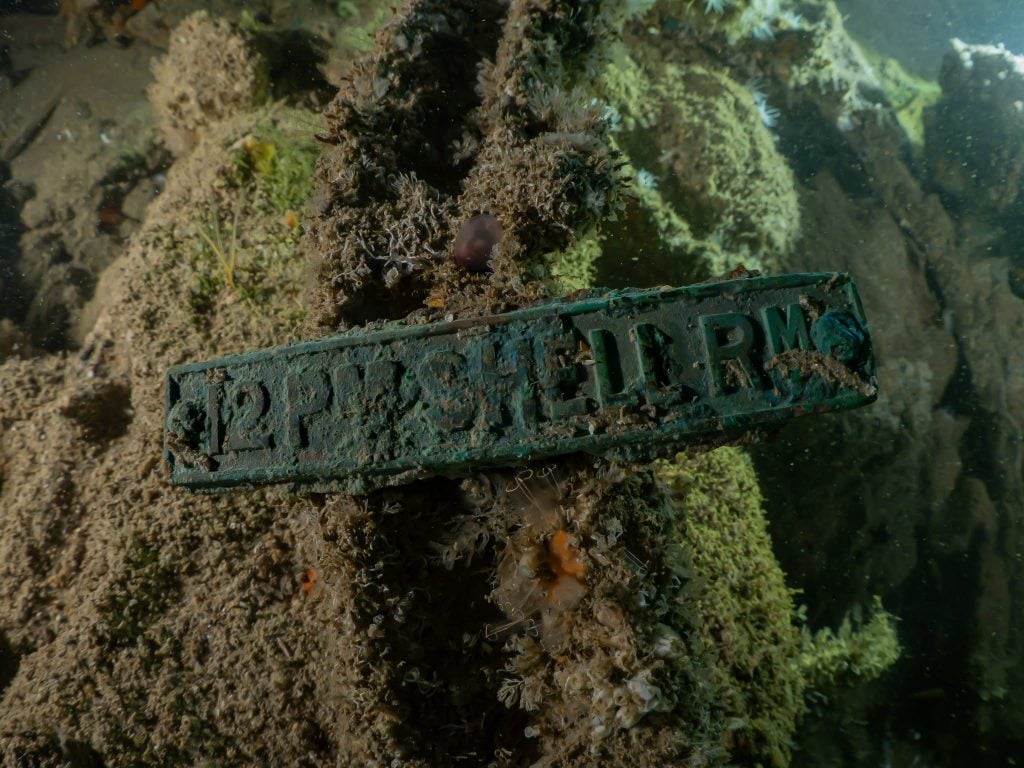
Berwick’s bow smashed into Tiger amidships and sliced the destroyer in two. The forward section plunged beneath the water almost immediately, taking commanding officer Lieutenant William Edward Middleton and many of his men with it.
The severed stern remained afloat for only a matter of minutes, leaving those still alive desperately little time to escape before the remainder of Tiger disappeared beneath the water.
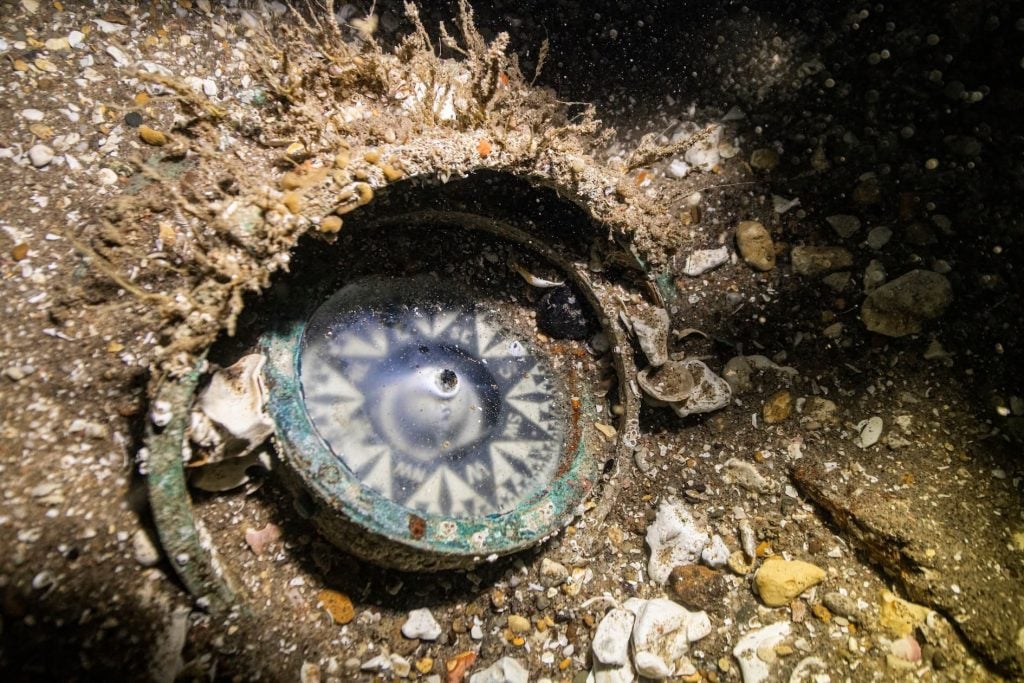
Built by John Brown at Clydebank and launched in 1900, Tiger was an early torpedo boat destroyer capable of around 30 knots. Small, lightly built and armed with guns and torpedoes, vessels of her type relied on speed to attack warships many times their own size, exactly the kind of attack Tiger was practising when she was lost.
News of the catastrophe spread across Britain, with King Edward VII sending a telegram expressing his sympathy to the families of those killed. Commemorative postcards depicting the destroyer were also produced in the aftermath.
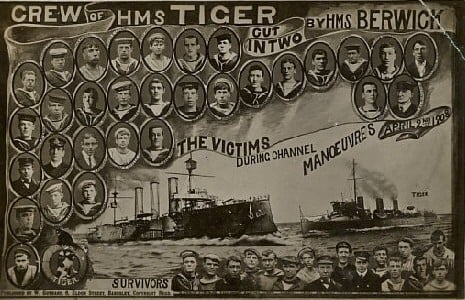
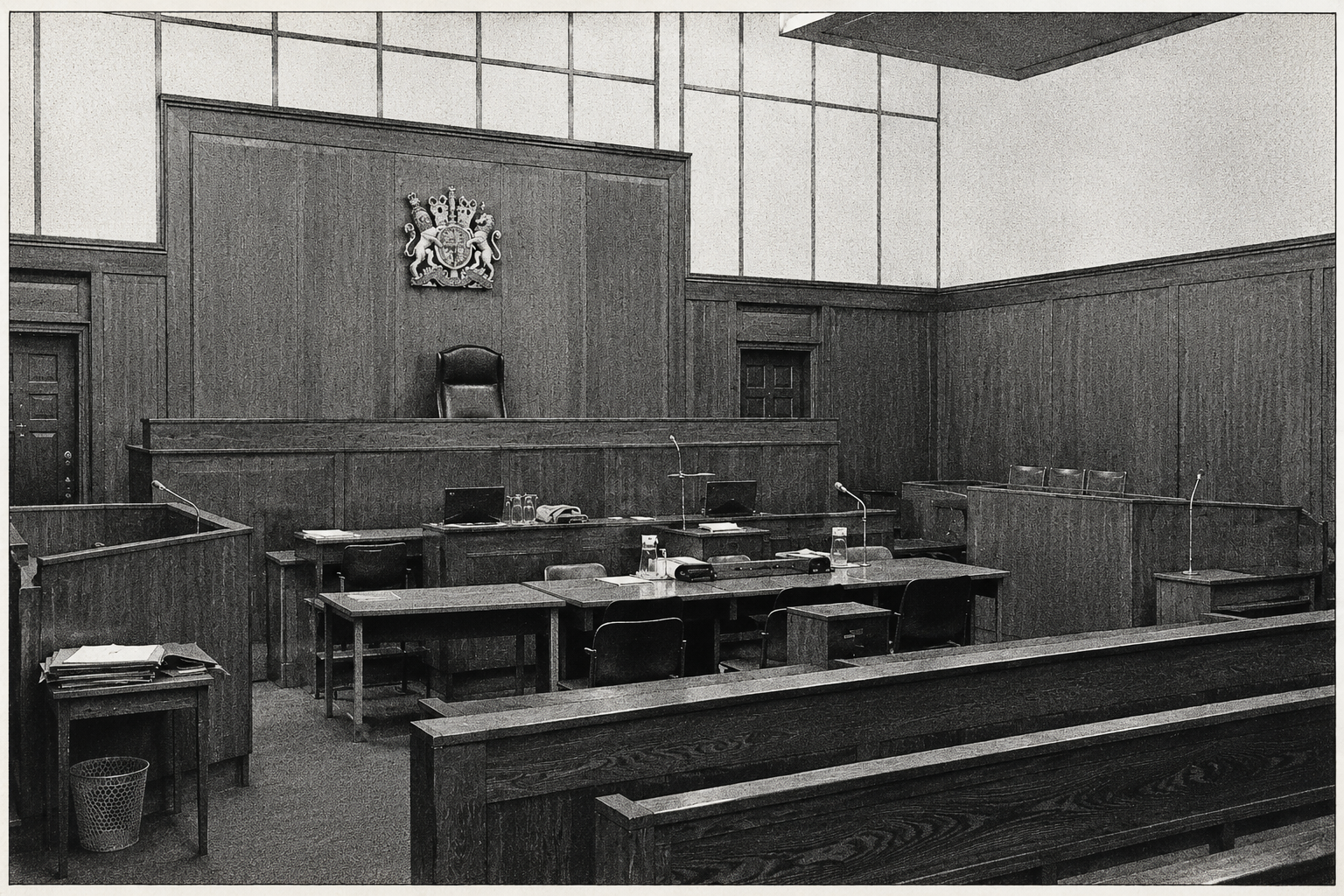
A court martial aboard HMS Victory at Portsmouth investigated how the naval exercise had ended with 35 men dead. It established that Tiger had been operating with HMS Recruit before changing course across Berwick’s path, but could not determine why the fatal manoeuvre had been made.
No blame was attached to Tiger’s surviving crew. The reason the destroyer suddenly turned across the bows of HMS Berwick was never established.





Great article when Britain ruled the waves,
how times have changed.