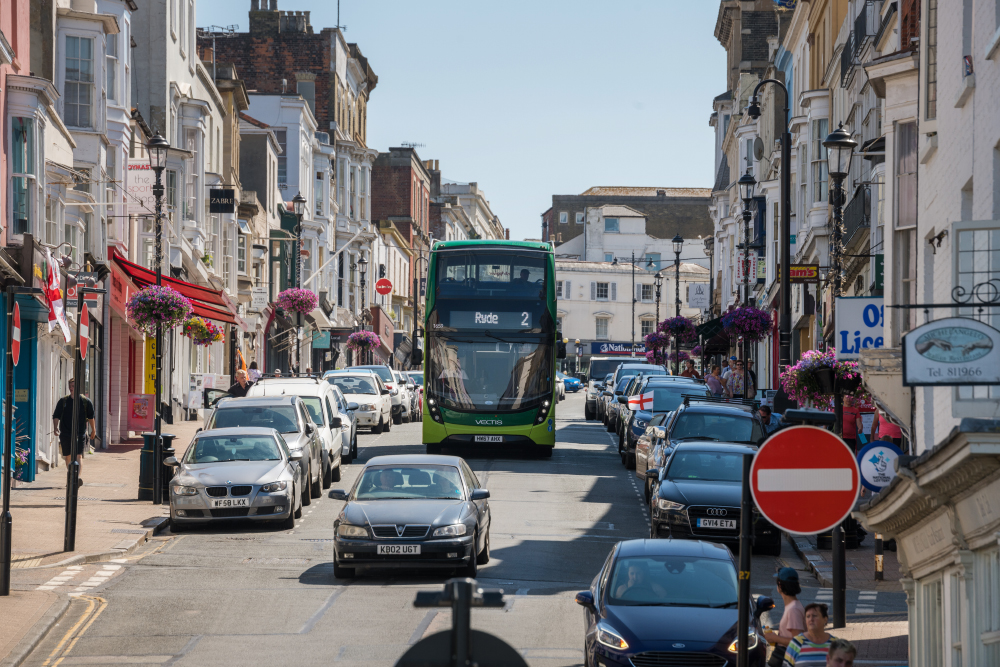






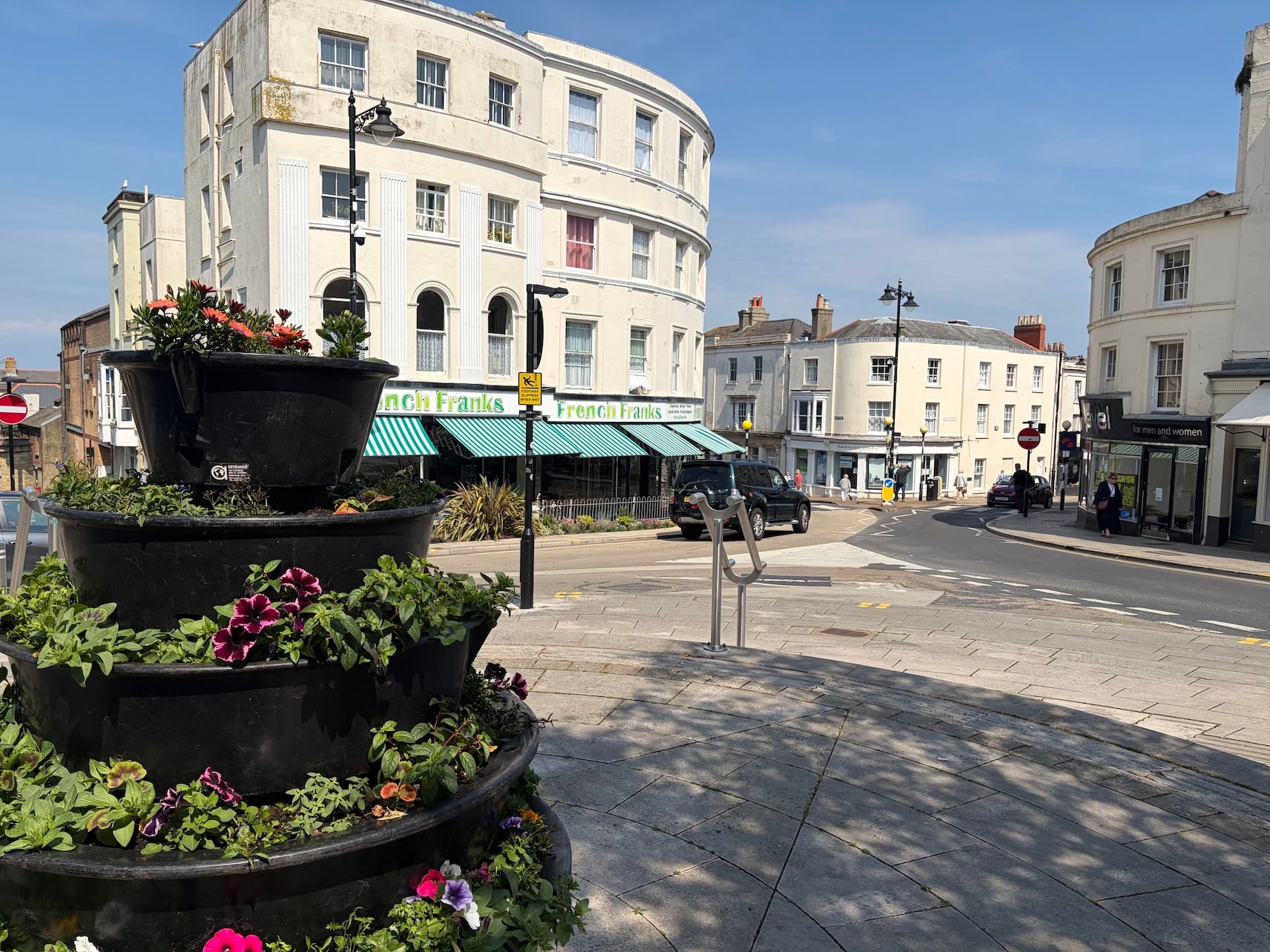




























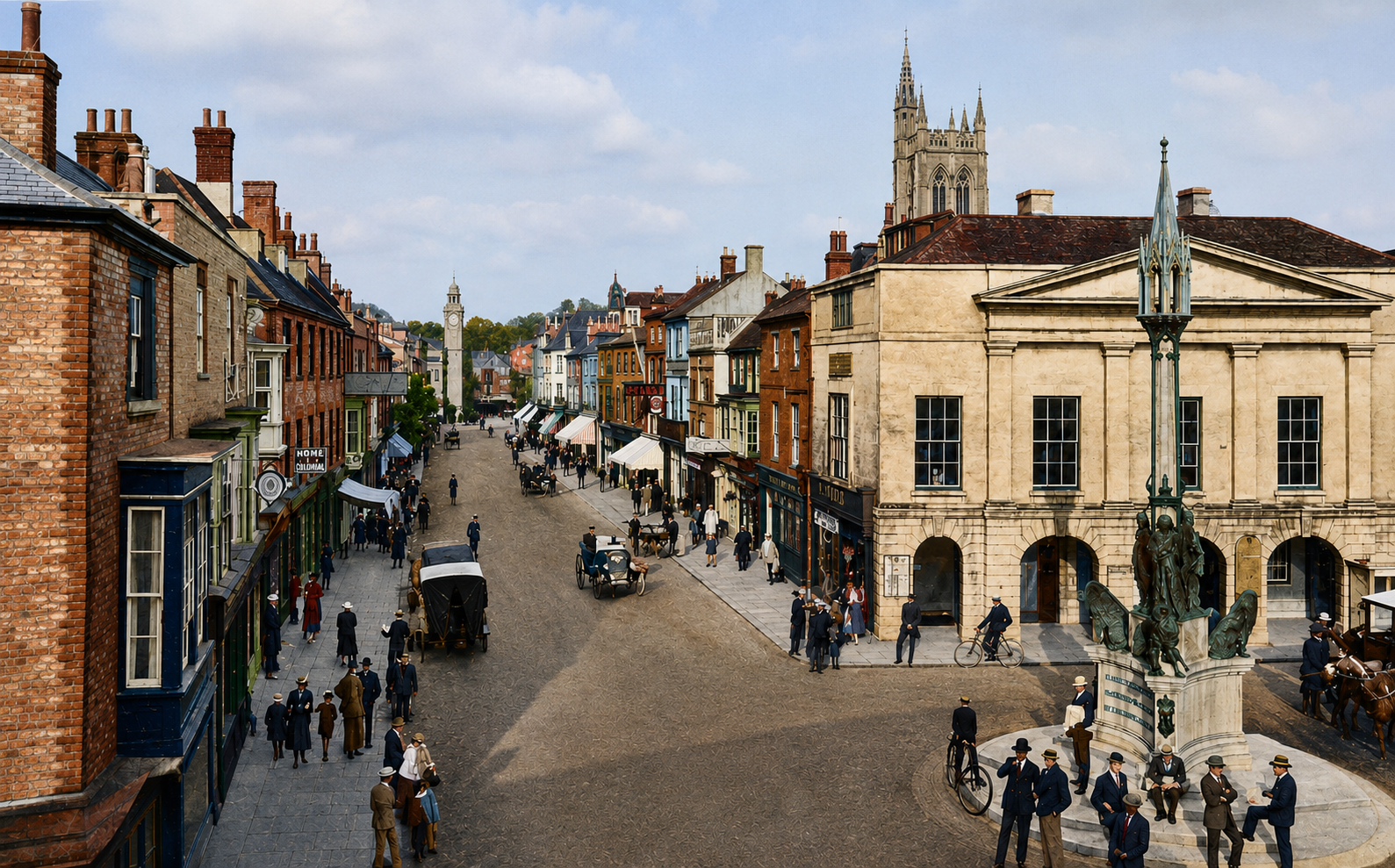

Market Square – the former name for today’s St James’ Square – was chosen as the site of the Isle of Wight’s Queen Victoria Memorial on 6th August 1901.
Just over 6 months after Queen Victoria’s death at Osborne House, Newport Town Council launched a public appeal to fund a permanent memorial to the monarch whose close association with the Isle of Wight made her loss especially keenly felt across the Island.
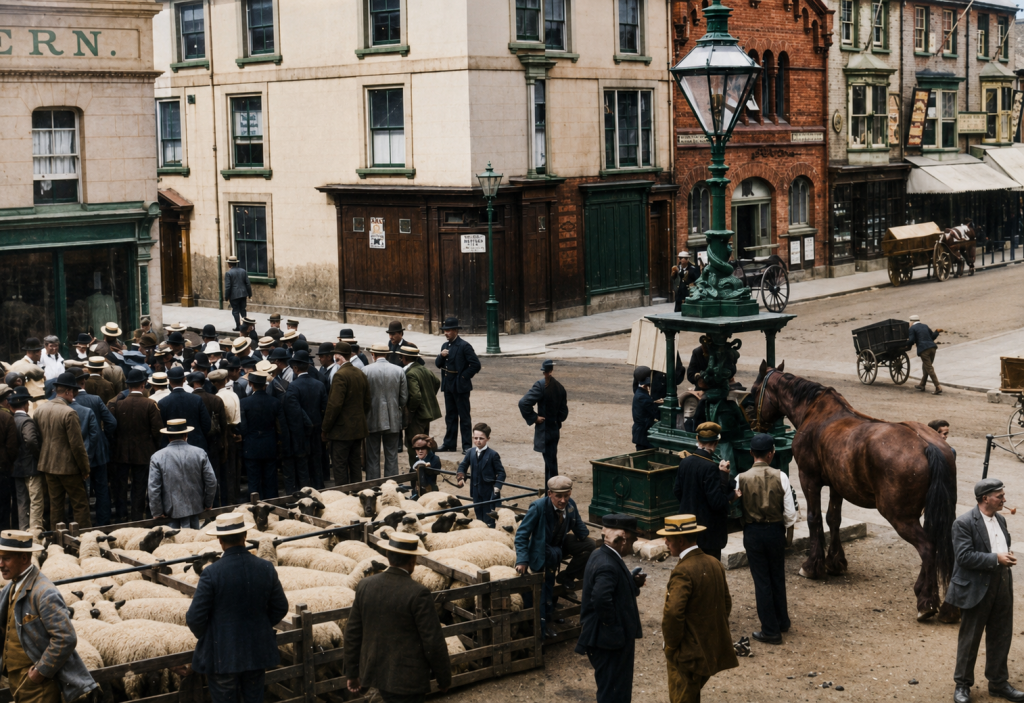
At a meeting on 6th August 1901, Mayor George B. Purkis announced that the committee established to oversee the project had unanimously selected Market Square as the memorial’s location, meaning the existing fountain would be removed to make way for the new monument.

Mr Purkis said choosing such a prominent position placed a responsibility on Newport to prepare the site and lead the fundraising campaign. He urged Islanders to contribute whatever they could afford, expressing the hope that people from every walk of life would be able to say they had played a part in commemorating Queen Victoria’s memory.
Rather than relying on government funding, the memorial would be paid for entirely through public subscription, allowing Islanders themselves to create a lasting tribute to the Queen who had spent so much of her later life at Osborne House.
By the end of 1901, sufficient funds had been raised for the committee to launch a design competition, offering a first prize of £25, worth around £4,000 today. A total of 50 entries were submitted before Princess Beatrice selected the winning design by Island architect Percy Stone.
Princess Beatrice took a close personal interest in the project, asking for several features, including the allegorical figures of Sympathy, Fortitude and Dignity and the lions at the base of the memorial, to be cast in bronze rather than carved from stone. The alterations enhanced the design but also increased the cost, prompting a further appeal for donations.
Construction began in September 1902, although not before debate over whether the memorial projected too far into the High Street.
Princess Beatrice unveiled the completed memorial on 13th August 1903. Built by apprentices at J. H. King’s Blackwater works, with architectural carving by Messrs Nicholls and steps by T. E. Jenkins, it cost £1,702 6s, equivalent to around £270,000 today, with the entire project funded through public subscription.