














































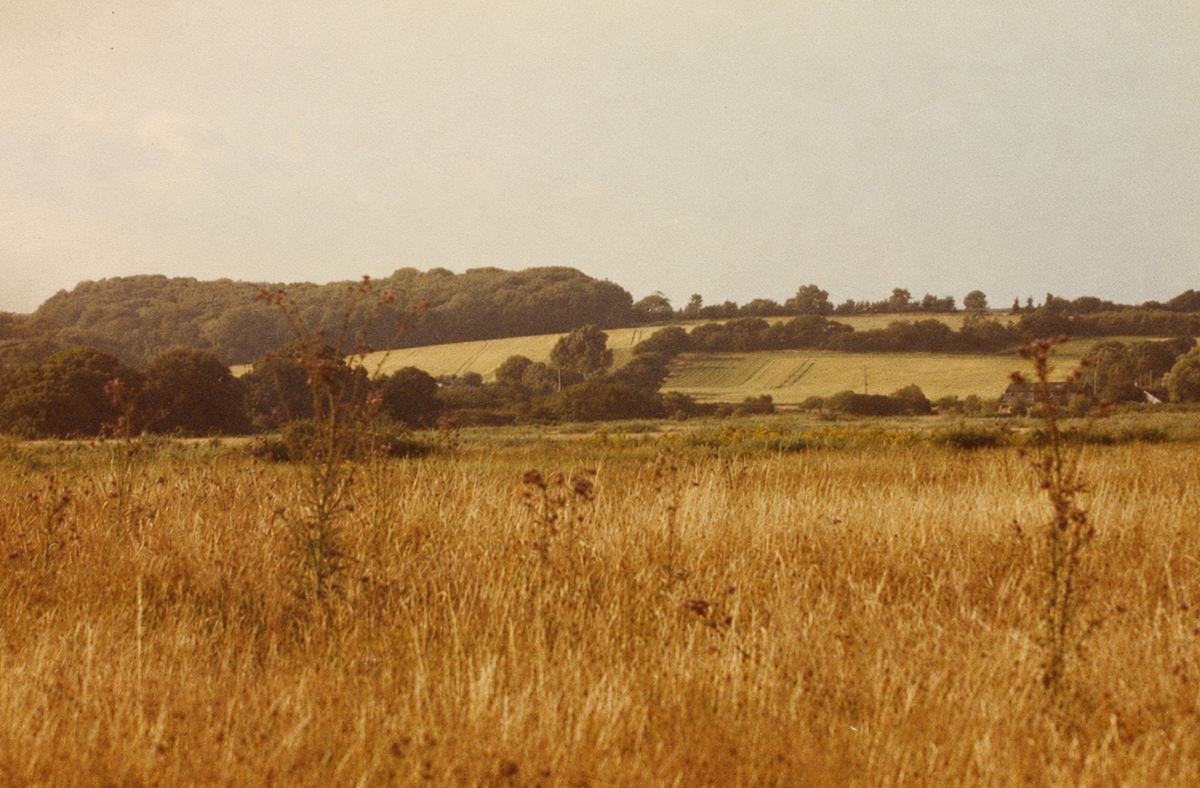

By mid-July 1976, weeks of exceptional heat had left the Isle of Wight parched, with fires, water shortages and temperatures above 32c becoming part of everyday life.
Half a century ago, the Isle of Wight was enduring one of the hottest and driest summers in its recorded history.
Weeks of relentless sunshine had transformed the Island. Fields turned yellow, gardens withered and much of the countryside became tinder dry as temperatures climbed to levels rarely experienced in Britain. Across the Island, beaches were packed with holidaymakers while sales of ice cream and cold drinks soared as residents and visitors sought relief from the heat.


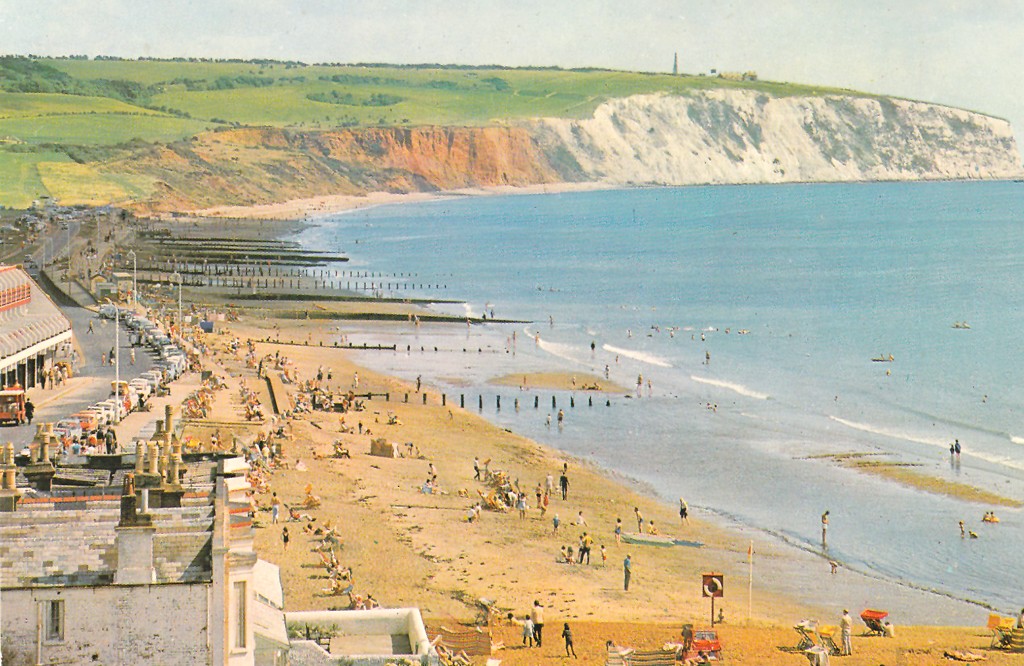
Earlier that summer, June had become the hottest month recorded locally, with temperatures exceeding 90°F (32°C) in the shade for the first time since 1927. By mid-July, the heatwave showed little sign of easing and much of the Island remained parched beneath cloudless skies. Campsites were busy, holiday resorts were thriving and thousands flocked daily to the beaches at Ryde, Sandown, Shanklin, Ventnor and Compton Bay.
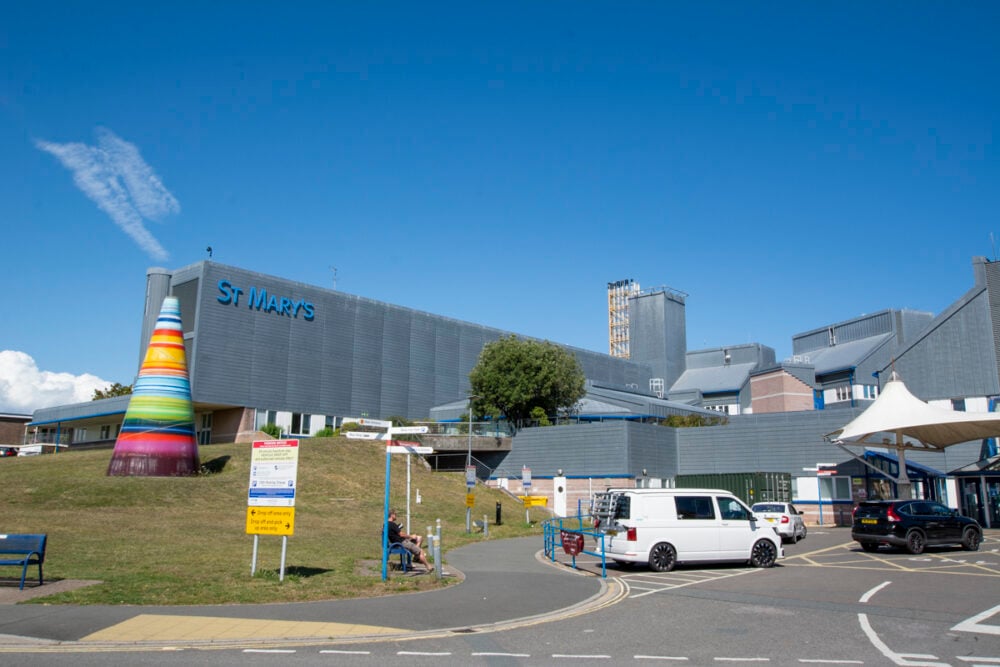
The prolonged dry spell was already beginning to take its toll. More than 100,000 gallons of water were lost through burst mains around Newport and St Mary’s, while a further main failure at Arreton released another 50,000 gallons. Water engineers faced mounting pressure as demand increased and the dry conditions placed additional strain on the Island’s infrastructure.
Firefighters also found themselves facing one of their busiest summers in years. Blazes broke out across the Island as vegetation dried out after weeks without significant rainfall. One woodland fire near Newport destroyed around 2½ acres, while a larger blaze at Brighstone Forest affected around 20 acres and required crews from Newport, Cowes and Freshwater to tackle the flames. Some firefighters remained at the scene throughout the night as they worked to prevent the fire spreading further.
Yet while the heatwave created problems for emergency services and water engineers, it proved a boon for the Island’s tourism industry. Ryde Borough Council reported a dramatic increase in income from its seasonal attractions, with swimming pools, boating facilities, putting greens and holiday entertainment all benefiting from the exceptional weather.

By the end of June, receipts from seasonal activities had increased from £11,913 to £17,127, a rise of almost 44% on the previous year. Officials expected swimming pool income alone to exceed previous records, while the town’s paddling pools, boating lake and seafront attractions all enjoyed a bumper start to the holiday season.
The drought was not confined to the Isle of Wight. Across Britain, reservoirs fell, crops suffered and water shortages became an increasing concern as the country endured one of the driest periods of the 20th century. The summer of 1976 would become one of the defining weather events in modern British history, later serving as the benchmark against which future heatwaves would be measured.
Later analysis confirmed just how extraordinary conditions on the Isle of Wight had been. Temperatures reached 97.1°F (36.2°C) at Shanklin, 97.0°F (36.1°C) at Newport, 96.8°F (36.0°C) at Bembridge and 95.8°F (35.4°C) at Ryde. During the summer there were 28 days when temperatures exceeded 80°F (27°C), while August brought an extraordinary run of 8 consecutive days above 90°F (32°C).
For many Islanders, memories of the summer include brown lawns, crowded beaches, forest fires and weeks of uninterrupted sunshine. Later studies concluded that 1976 produced the most notable period of hot weather in local records.
Do you remember the Great Summer of 1976? Share your memories and photographs in the comments below…








Don’t forget the ladybird infestation!
It was warm in 1976 but it seems much warmer in 2026
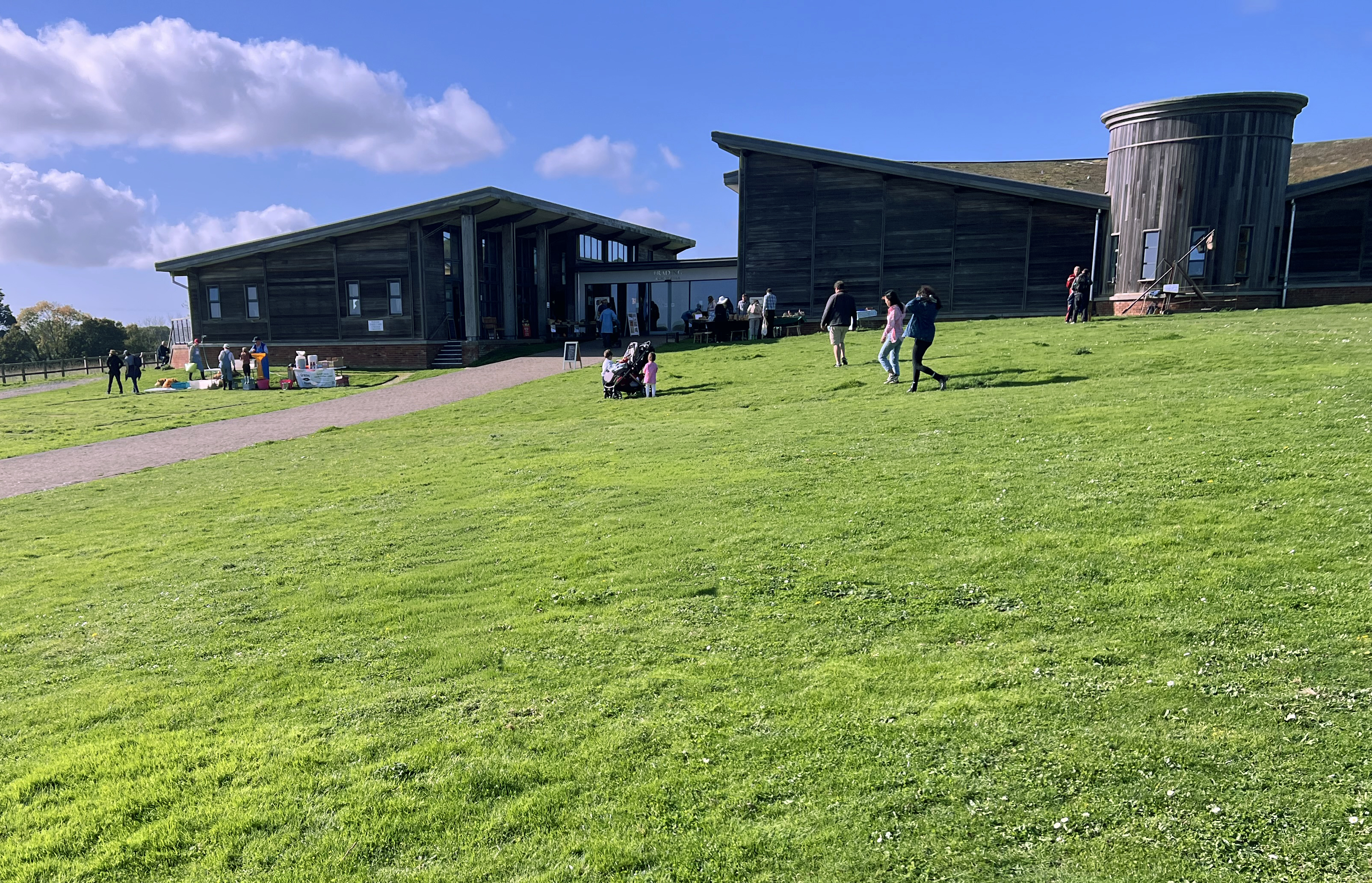
Great picture of the old Wightcity complex the Cafeteria
used to be great, quick service and excellent food
Keith ran a good ship.
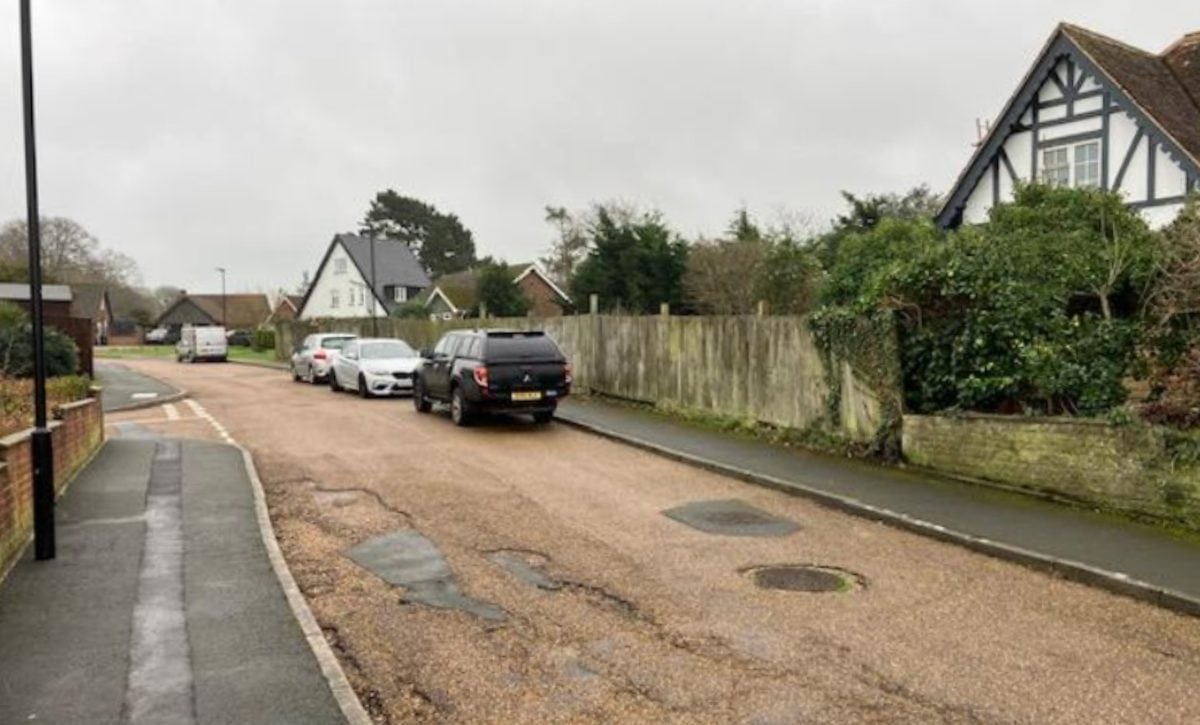
Remember queuing at the water stand pipes on the pavements and getting tar on your shoes from the tar melting on roads and pavements.
sat my GCSE in it at Carisbrooke it was darned hot in that hall as well.