

















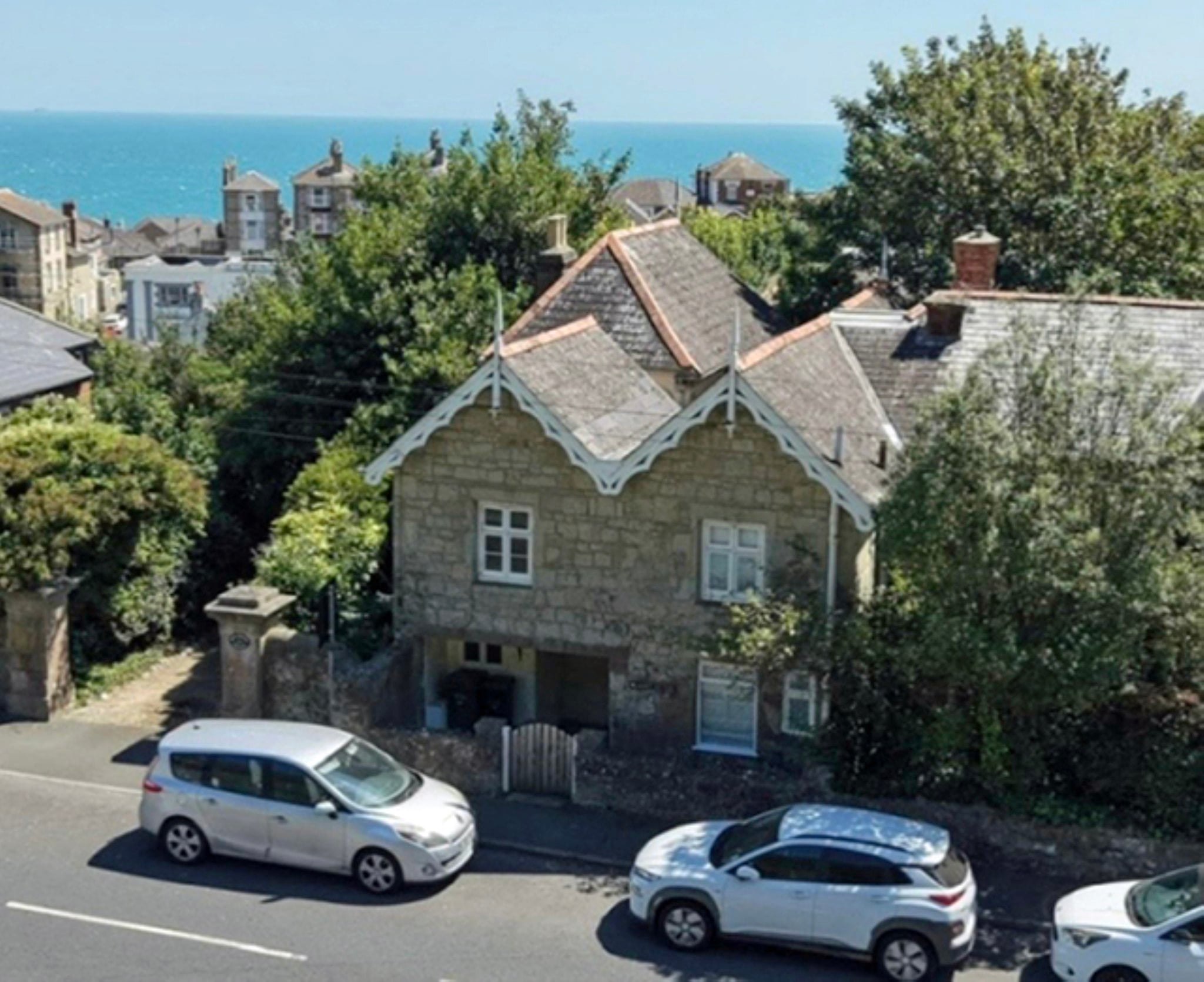















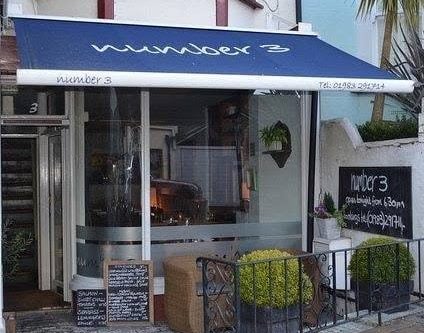
An intimate restaurant in the heart of Cowes has been handed the lowest possible 0-star Food Hygiene Rating after inspectors uncovered serious food safety failings, widespread cleanliness issues and practices that put customers at risk of cross-contamination.
Environmental Health officers visited Number 3, where they identified major failings in food safety management, food hygiene and confidence in management, with only the structural condition of the premises assessed as a minor concern.
Among the most concerning findings was an incident witnessed by the inspecting officer involving the preparation of raw fish and ready-to-eat food.

According to the inspection report, a cloth used after handling raw fish was then used to wipe down a food preparation surface before bread was placed directly onto it for cutting. The inspector immediately intervened, instructing staff to remove the bread, disinfect the work surface, wash their hands and replace the cloth before work continued.
Inspectors also found the sanitiser being used throughout the kitchen was not suitable for use in a food business handling high-risk foods, meaning surfaces may not have been effectively disinfected. The restaurant was instructed to replace it within 24 hours.
The report describes the overall cleanliness of the kitchen as “very poor”, with officers ordering a full deep clean of the premises.
Heavy accumulations of grease, dirt and food debris were found throughout the kitchen, including on shelving, walls, sink units, electrical sockets, window frames, fridge seals and around the dishwasher. Inspectors also noted apparent mould growth on parts of the ceiling and behind shelving.
Despite cleaning records being completed, officers concluded that hygiene standards had been neglected for some time.

The inspection also found that the restaurant had no fully implemented food safety management system in place.
No effective system was in place for managing allergens or ensuring meals described as allergy-free could be prepared safely, prompting officers to order improvements within 4 weeks.
Further issues included heavily worn chopping boards, damaged walls and ceilings, deteriorating sealant around sinks, an external door that could allow pests into the kitchen, inadequate probe thermometer sanitisation and the use of the domestic waste collection service for commercial food waste.
Several of the failings required immediate action, while others were given deadlines of between 1 day and 6 weeks.
The inspection letter warns that Environmental Health officers may carry out a further visit to assess compliance and states that failure to address the identified breaches could result in formal enforcement action.






Another island filth hole, unless such places
are closed down there is no point.
There are NO excuses for less than 4 Stars
NO EXCUSES!
Hopefully they can get it sorted for Cowes week. The island needs as much business as possible.
Called number 3, perhaps it should be called a number 2 now.
If they were given a 0 rating, why were they not closed immediately, until issues had been rectified.?
giving them 24 hours to rectify some of the issues, doesn’t protect people who may unknowingly visit the premises in the hours following the inspectors’ visit.