


































A chance photograph taken at The Needles helped launch a business that grew into one of Britain’s largest postcard and greetings card manufacturers.
Before emails, mobile phones and social media, millions of holidaymakers shared their adventures with a postcard. Whether they were spending a week in Blackpool, strolling along Bournemouth seafront or enjoying a day beside the sea on the Isle of Wight, there was a good chance the card they posted carried the name J. Arthur Dixon.
Its products appeared in shops, hotels and tourist attractions across Britain and beyond. Yet the story behind the familiar name began with a small printing business in Shanklin and a former Royal Navy serviceman with a keen eye for opportunity.


After serving in the First World War, John Arthur Dixon arrived on the Isle of Wight in 1926 and purchased a modest jobbing printer in Shanklin. His workforce consisted of one elderly employee known as ‘Old Jeff’ and 2 apprentices.
Initially, the company produced hotel brochures, resort guides, letterheads and local publications. As orders increased, the business expanded rapidly and by 1934 had become successful enough to be incorporated as a limited company.
One of the most important moments in the company’s history came during a photographic trip to The Needles in 1937.
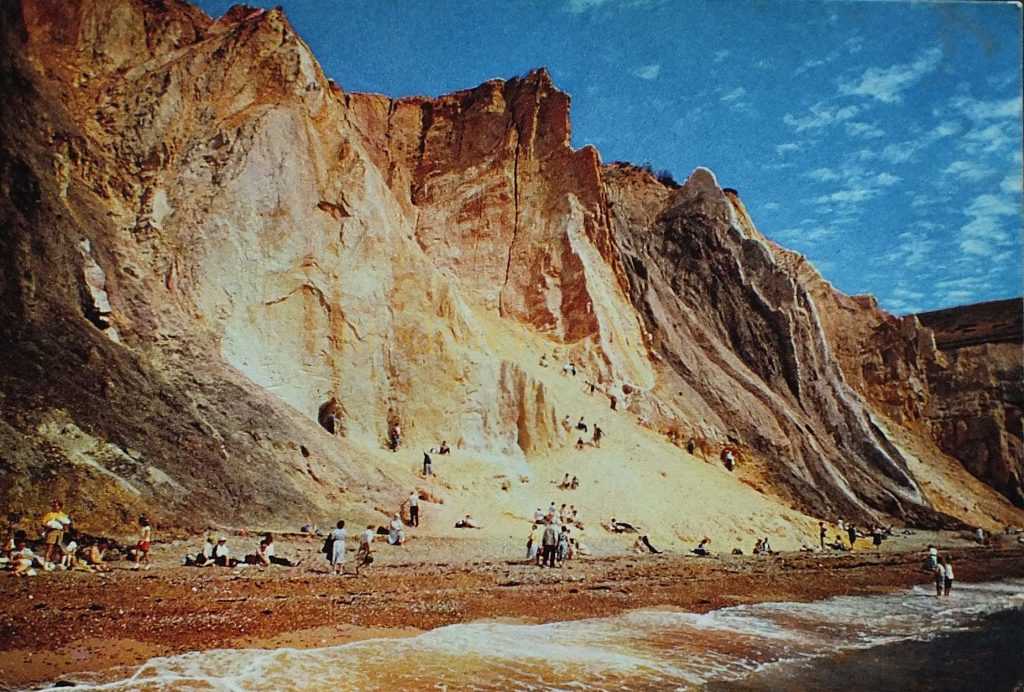
Dixon was an enthusiastic photographer and took his camera to the famous landmark in a rowing boat with his wife Barbara. With bright sunlight shining directly into the lens, Barbara held her husband’s trilby over the camera to reduce the glare. When the photograph was developed it produced an unexpected moonlit effect.
The image, entitled Moonlight Over The Needles, was intended as a Christmas card for customers, but one of the company’s travelling salesmen showed the design to retailers and returned with orders for 4,000 cards, transforming a simple seasonal greeting into the foundation of a business that would eventually sell millions of cards across Britain and overseas.
Following publicity at the British Industries Fair in 1938, enquiries arrived from as far away as Australia, creating valuable export business before the outbreak of war.
The Second World War interrupted progress. Dixon served with the Home Guard while many employees joined the armed forces. During those difficult years, Barbara Dixon and company secretary Elma Jones travelled the country securing orders and keeping the business alive. Jones would become one of the key figures behind the firm’s success, rising from office girl to Production Director and receiving an MBE in 1952 for services to industry.
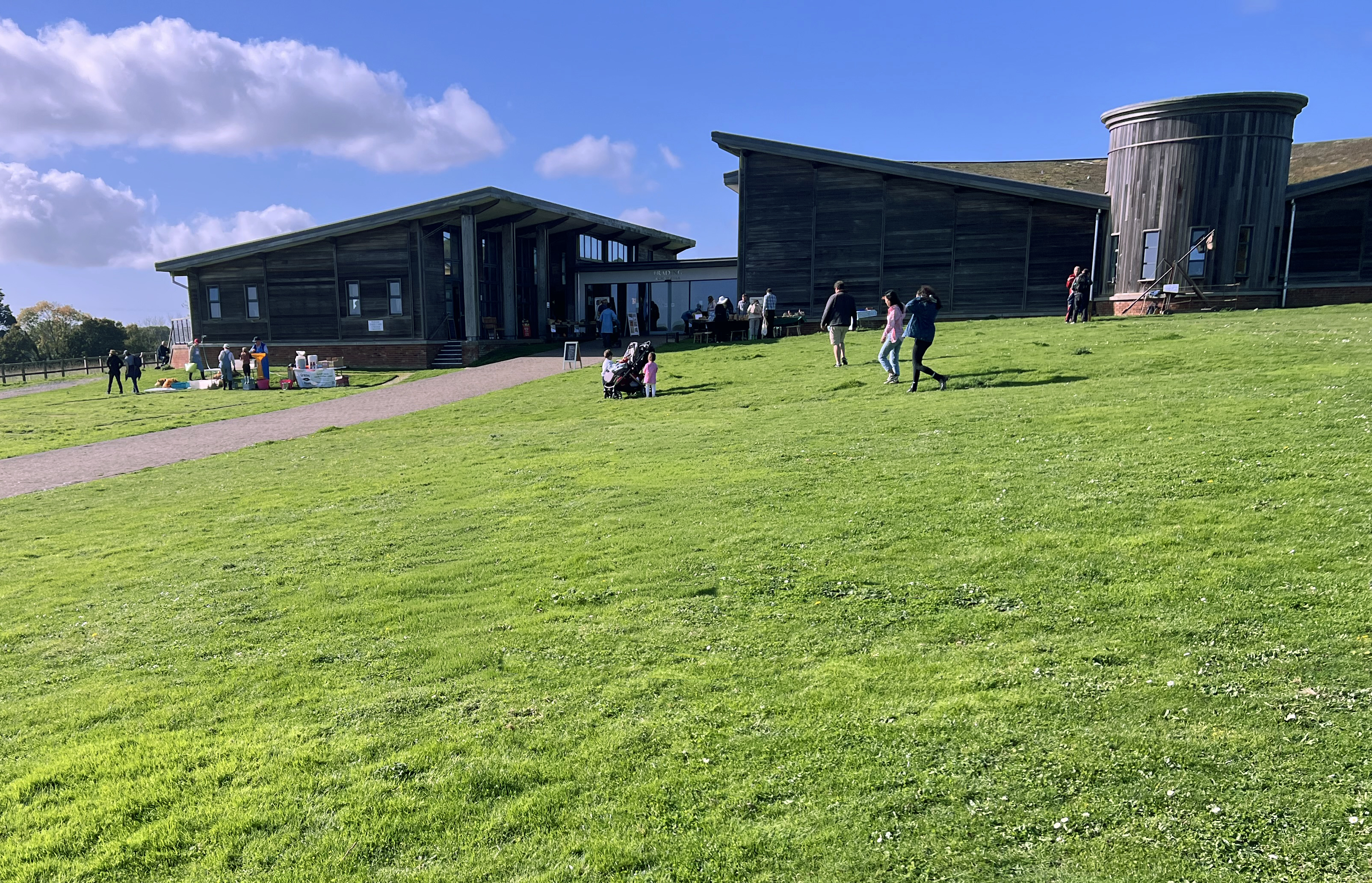
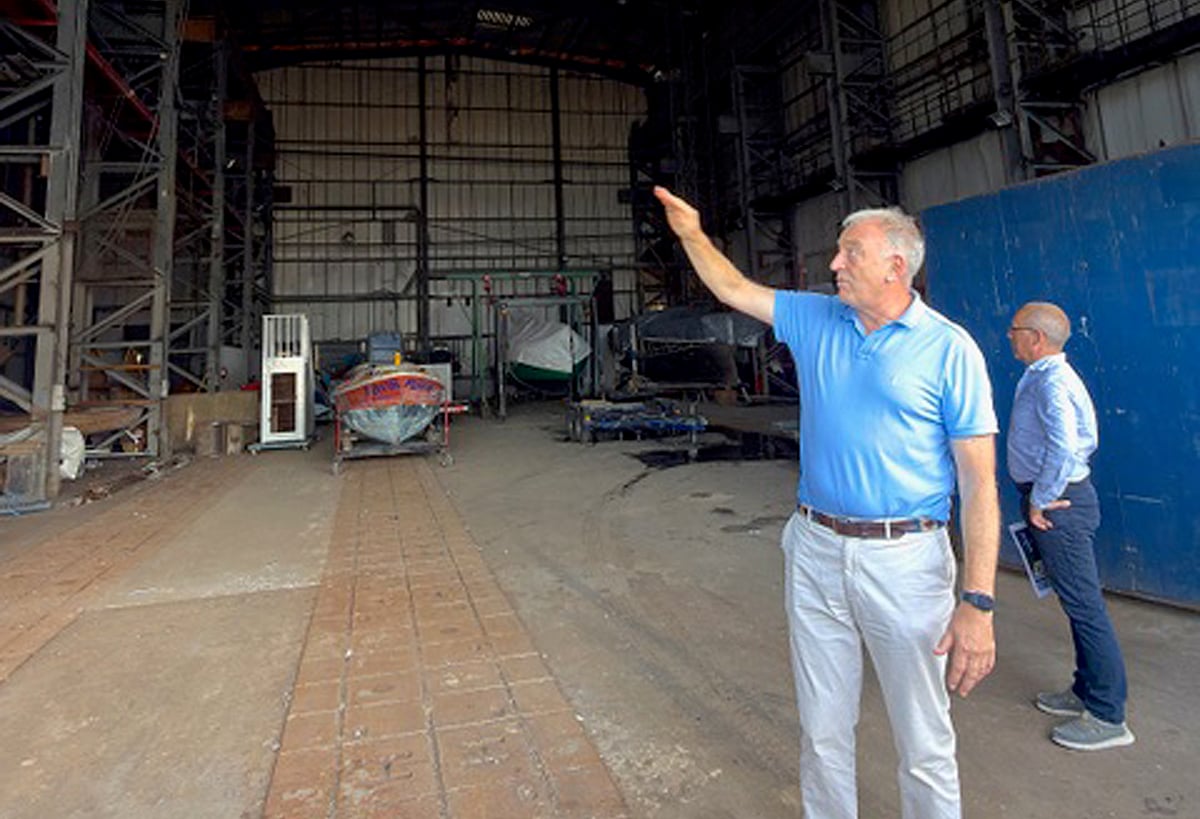
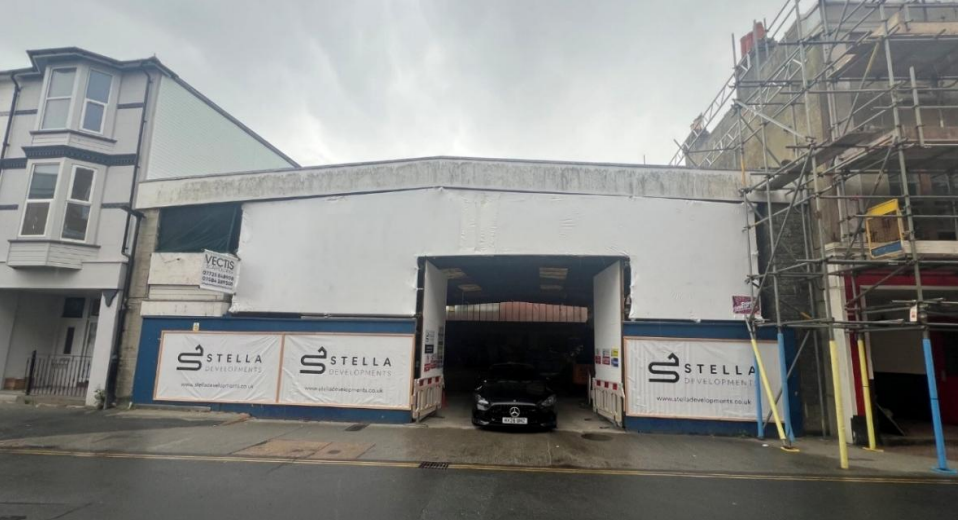
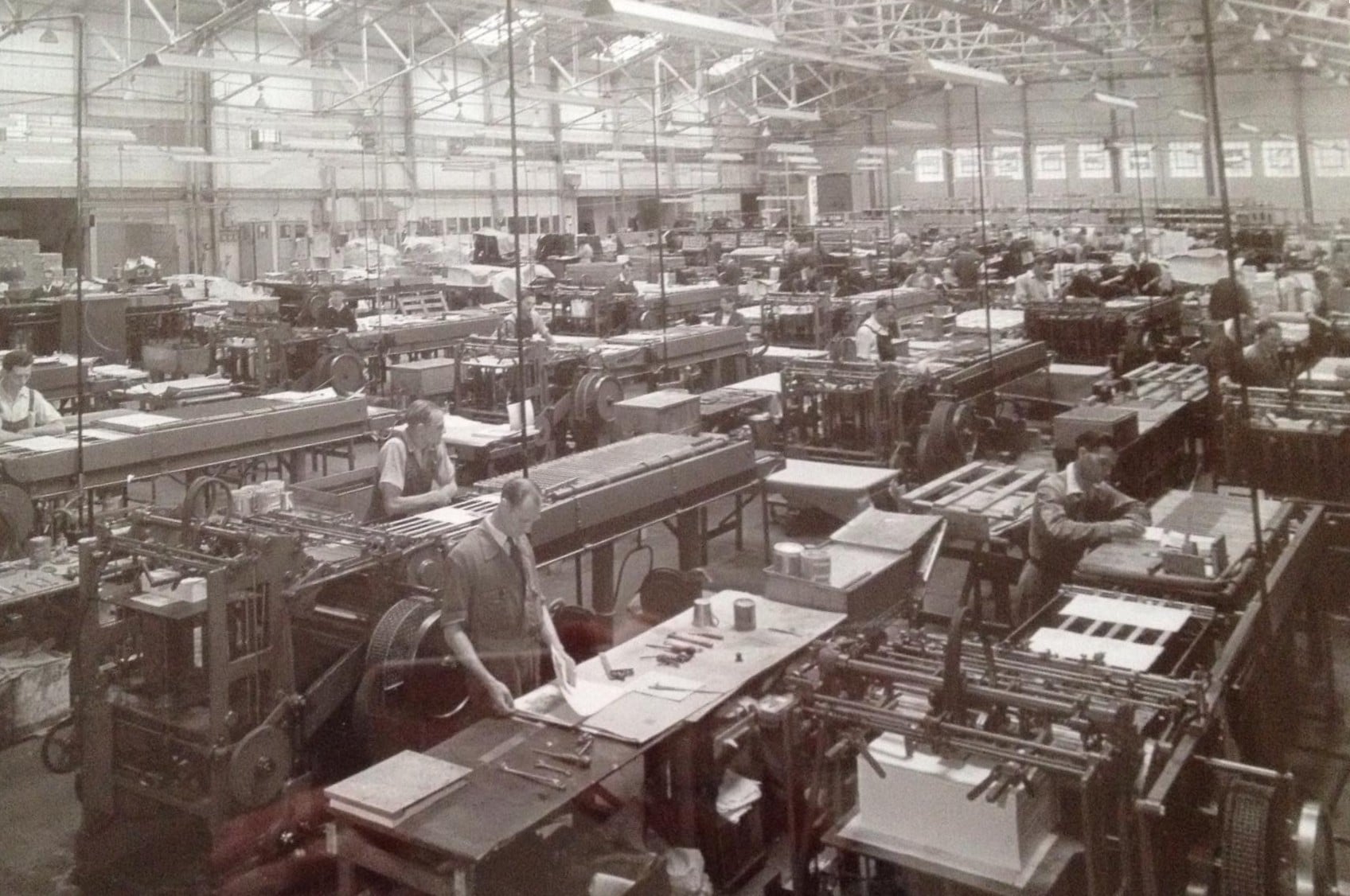
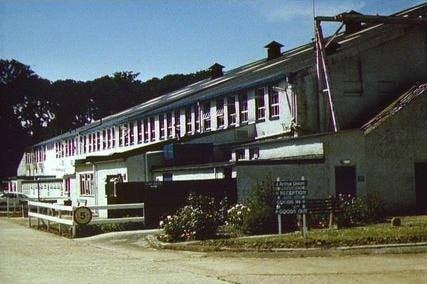
Demand for postcards and greetings cards grew so quickly that the original Shanklin works could no longer cope. On 1st January 1951 production commenced at a vast new factory on Forest Road, Newport, occupying 87,000sq ft of former Ministry of Aviation premises. The move transformed the company from a successful Island printer into one of Britain’s largest postcard and greetings card manufacturers.
The scale of production was remarkable. In 1951 alone the company produced more than 14million Christmas, birthday, greetings and view cards. By 1955 annual postcard production had risen to almost 30million. Nearly 10,000 stationers across the British Isles received catalogues from the company, while customers could choose from hundreds of greetings card designs and more than 600 postcard views.
Expansion continued in 1956 with the opening of a second major factory in Inverness. By the mid-1970s the company offered around 4,100 different postcard views. Seaside resorts, historic buildings, ships, flowers, wildlife and landscapes all featured in a catalogue that had become one of the largest of its kind in Britain.
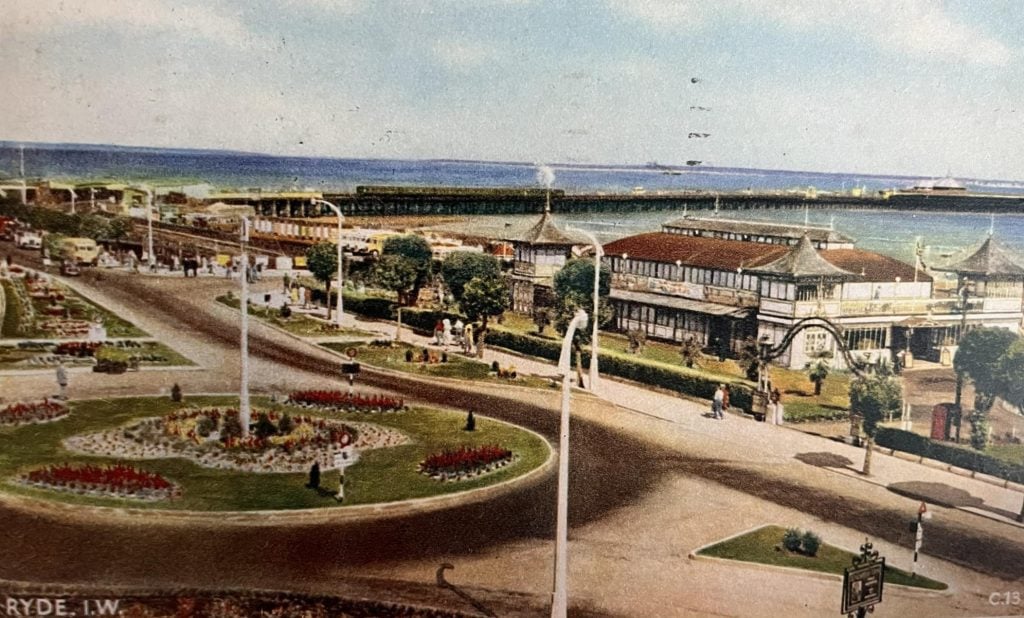
At a time when foreign travel remained beyond the reach of many families, Dixon postcards offered glimpses of beaches, piers, steamers, castles, hotels and beauty spots across Britain, creating a visual record of a country that was changing rapidly.
Dixon died at Ryde in May 1958, aged just 60, bringing to an end one of the Isle of Wight’s most successful entrepreneurial careers. The company continued under the leadership of Barbara Dixon, who became chairman and pledged to maintain the standards established by her husband.
In 1961 another major Isle of Wight business entered the story when J. Samuel White & Co of Cowes purchased the company for £406,500. Further takeovers followed over subsequent decades, but production continued at Newport and the business remained a significant Island employer.
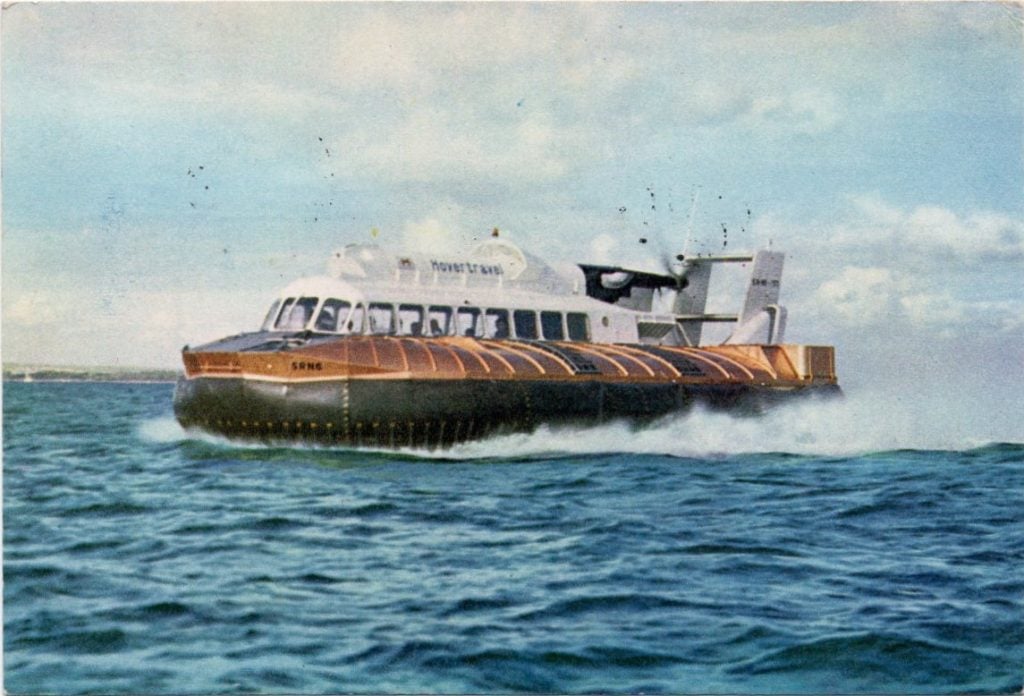
In 1985 the Forest Road factory installed a revolutionary £500,000 Roland Rekord printing press capable of applying 5 colours and varnish in a single operation. By that time, the Newport works was one of the largest postcard and greetings card production centres in Britain. Employing around 240 people, serving 17,500 customers and processing approximately 550 tons of paper each year, it was producing around 30million postcards, 33million greetings cards and 4million sheets of gift wrap annually.
By 1992 the factory still employed some 225 men and women, underlining its importance to the Island economy. Yet by then postcards were facing growing competition from new forms of communication and changing holiday habits.
The Newport operation finally closed on 31st March 2000, bringing to an end almost 75 years of postcard and greetings card production on the Isle of Wight.
Although the company has gone, its legacy remains. Millions of J. Arthur Dixon postcards still survive in family albums, shoeboxes, attics and collectors’ collections across Britain. Many show places that have changed beyond recognition, while others preserve scenes that have disappeared altogether.
What began in 1926 with one employee known as Old Jeff and 2 apprentices grew into one of Britain’s largest postcard and greetings card companies, producing millions of cards from Newport for customers across Britain and around the world.
Did you work at J. Arthur Dixon’s Newport factory, collect its postcards, or have a favourite Isle of Wight view card? Share your memories and photographs in the comments below…







I did just before it closed. The printing machines were held together by paper clips!
A great story such a great company.
Sadly many persons don’t bother sending postcards
thesedays.
It is us old school persons who still do. I still send them
to friends and family.
Let’s keep up the great tradition, a text message is not a
postcard, it doesn’t cost much to send a means a lot to
the receiver.
A treasured keepsake for the family album.
Postcards were always lovely to receive from friends during the summer months. Sadly, as with sending Christmas cards, the cost of postage has become prohibitive. The traditions are therefore dying out.
Second class stamps are only 91p, so don’t send via first class which costs double the price.
Still cheap considering, can Gen Z spell thesedays
they only know texting, hence not sending postcards
also they won’t want to ruin their nails.
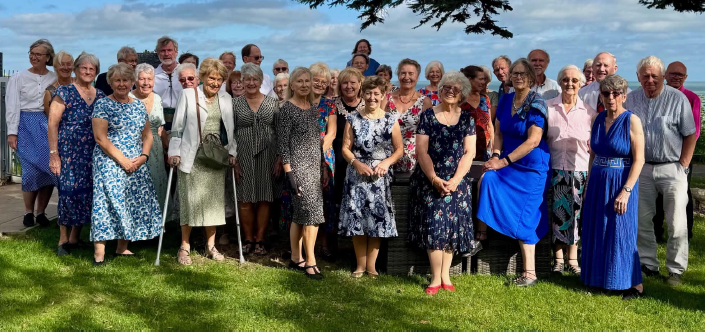
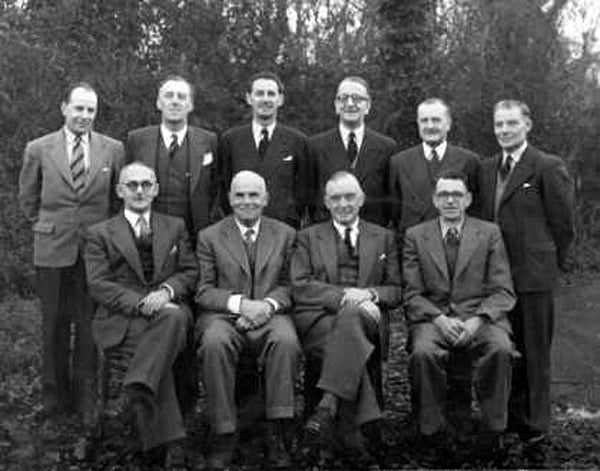
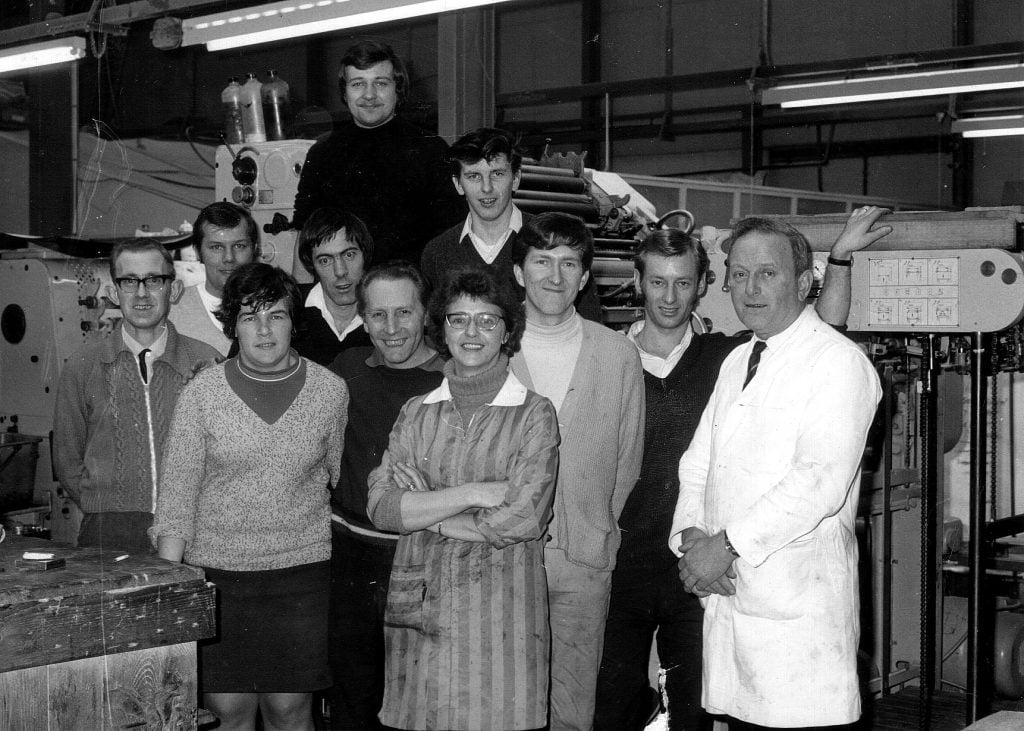
That’s me, second in from the left, in the JAD employees photograph. Taken just before Christmas 1971.
i worked for JAD from the mid 70s until the end as a postcard representative and it was a great company to work far.
I have a small cabinet containing special postcards produced especially for various attractions and outlets. I also have a few sample blads containing postcards from the early years until closure.
if these are of interest to anyone I would be happy to let them have them.
they were happy days and a pleasure to work for.
I worked at JAD in the 1960s. They then did more than postcards and greetings card. If you went into a stationer’s shop nationwide, such as WH Smith they had Dixons’ catalogue of social stationery. From it you could choose various designs of visiting cards, change of address postcards and headed notepaper, all for personal use. They were printed at Forest Side. In 1966 the paper warehouse at the rear of the factory went up in smoke in a huge blaze, the cause of which was never discovered as far as I know. The printing process used for colour postcards and greetings cards was called gravure and at the time was considered the best available. Dixons even produced the Christmas cards for 10 Downing Street at least one year.
Dixons were good employers when I worked there. When Lord Mountbatten was installed as Island Governor, the company allowed all employees to go to Carisbrooke Castle without losing pay to see the Queen and Prince Phillip arrive for the ceremony. As a thank you for the assistance the employees provided in the aftermath of huge paper warehouse fire in 1966, the company paid for a dinner-dance at the holiday camp in Wootton. I recall that one of the sisters of Newport-born pop singer Craig Douglas worked at Dixons.
My Dad worked there from, I think, mid 1956 to his retirement in approximately late 1965. He seemed happy enough there as far as I can recall.
I used to leave priory boys bike to ivan williams news agents pick up the evening echo and ride to dixsons so the workers got them when they left mainly for the racing results all for 7 and 6 a week.good old days.