







































Record-breaking rainfall, giant hailstones and lightning strikes brought chaos to the Isle of Wight on 22nd July 1951.
Residents of Godshill watched in disbelief as enormous hailstones crashed from the sky, smashing glass and flattening crops as one of the most destructive summer storms in living memory swept across the Isle of Wight.
The day had begun in glorious sunshine, with beaches busy with holidaymakers and villages enjoying a typical July Sunday. Then, shortly before midday, dark clouds rolled in from the south-west and the Island was hit by a storm of astonishing ferocity.


Within minutes, skies turned almost black, thunder echoed across the countryside and hailstones described as being “like golf balls” began hammering homes, gardens and greenhouses.
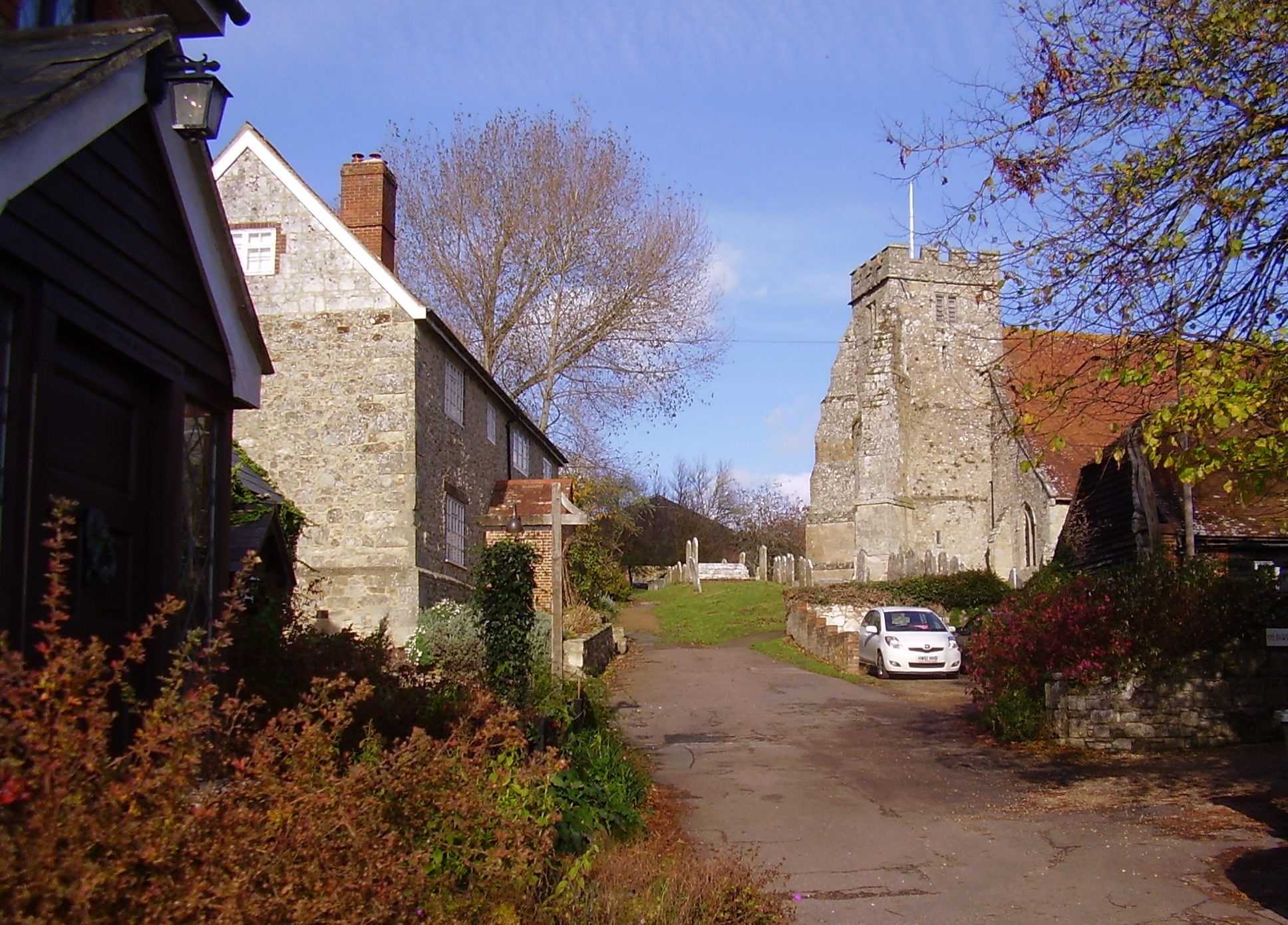
Some of the worst damage was reported in and around Godshill, where hundreds of panes of glass were smashed. Greenhouse roofs were shattered, fruit and vegetable crops were ruined and residents emerged after the storm to find a trail of destruction across fields and gardens.
The hail was accompanied by an extraordinary downpour. Around 1.7 inches of rain fell in little more than an hour, sending water rushing down roads and overwhelming drains. In places, streets became torrents as floodwater surged through low-lying areas.
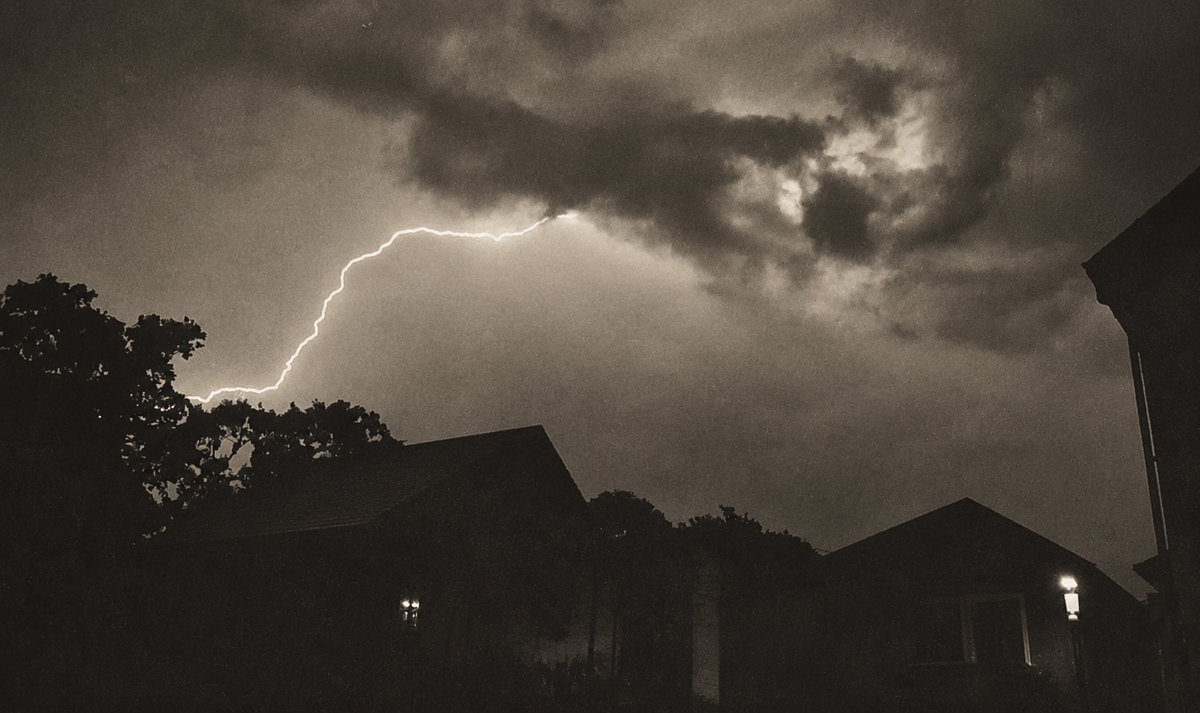
As the storm swept eastwards, lightning strikes added to the chaos. At a holiday camp near Little Canada, a bolt smashed into a chimney, blasting bricks and debris into a camp building and cutting electricity supplies. Holidaymakers who had arrived expecting a traditional seaside holiday later found themselves spending the evening by candlelight.
Elsewhere, lightning damaged electrical wiring at Wootton School and struck a house at Whitwell, while engineers battled a growing number of faults across the Island.

The storm caught many visitors completely off guard. Beaches that had been busy only a short time earlier emptied as families scrambled for shelter from the barrage of rain, hail and lightning.
Although the worst of the weather passed within a matter of hours, the disruption continued long into the evening. Electricity supplies failed in parts of Ventnor, Bonchurch, St Lawrence and Niton, telephone services were disrupted and cinema performances had to be cancelled.
By the end of the day, floodwater still covered some roads, holidaymakers in some areas were relying on candles for light and hundreds of shattered panes of glass lay scattered across damaged greenhouses and gardens.








Global warming back in those days too
Ha yep
It’s called the world weather cycle
Island echo are you able to find the temperature for that morning before the storm set in
It would be good to compare
Oh no climate change ? …
another one who obviously doesn’t understand (or more likely doesn’t want to understand) ‘climate change’
Whether it was then or a year or two later, I do not know, but I well remember a lightning bolt blasting a hole in the roof of one of the semi-detached houses in Whitesmith Road, Newport, one morning, almost directly opposite my own home. Violent and long-lasting thunderstorms seemed to be a frequent occurrence during the earlier part of the 1950s.
‘hailstones described as being “like golf balls”’
Oh, baby ones then…
in 2013 I had experience of a hail storm with hail stones like tennis balls (Still have a photo of them somewhere)….
shattered the roofs of houses, barns & everything else (& especially car windscreens), over a swathe 2km wide & 10 km long…
Yeah, OK, it wasn’t on the Isle of Wight,.. but a couple of hundred miles away..My car looked like someone had been at the roof & bonnet with a large hammer… took it to Wiltons in Shanklin for repair & they were gobsmacked t the damage… had never seen hail damage like it…
Anyway, I thought the 1987 storm here was supposed to be ‘the storm of the century’??
no hail, but probably caused more damage…