






























































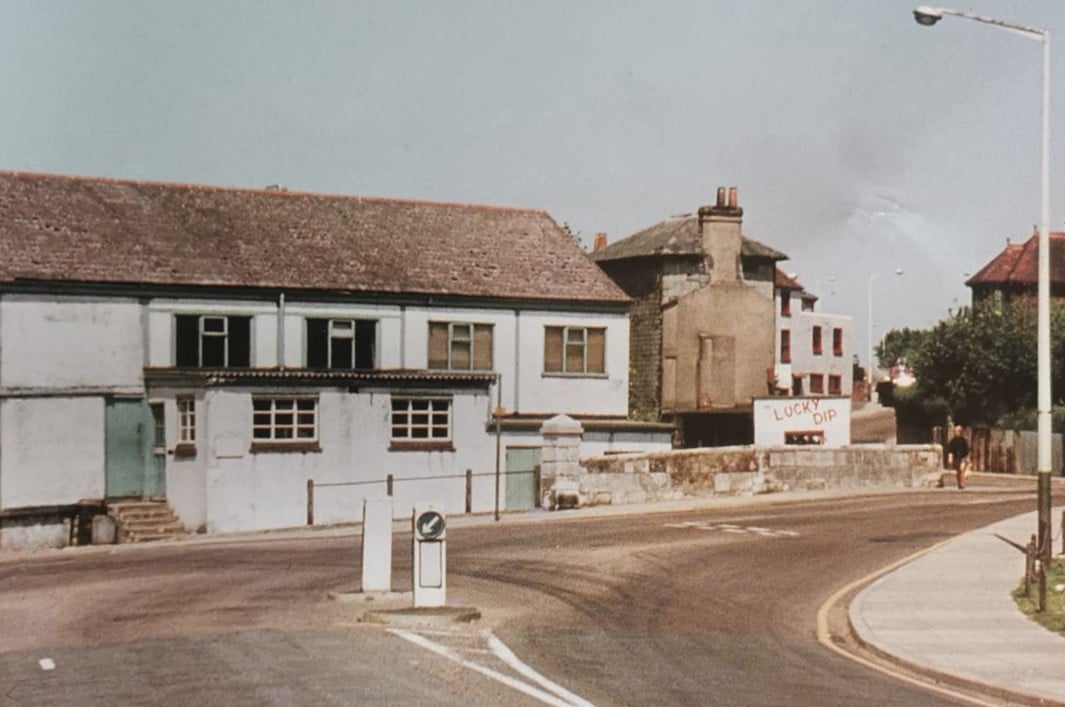

Newport’s first ice factory opened on 19th June 1926, transforming how the Isle of Wight kept food fresh before the age of refrigerators.
At a time when few homes or businaesses had fridges, deliveries of large ice blocks were essential to daily life on the Isle of Wight. Fishmongers, dairies, pubs, hotels and boarding houses all relied on regular supplies, particularly during the busy summer tourist season.
For years, much of the Island’s ice had been imported from the mainland. That changed with the opening of the Isle of Wight Ice and Cold Storage Factory at Coppins Bridge in Newport. Where the old Globe Inn had once stood, engineers and builders created one of the Island’s most modern industrial sites, complete with powerful new refrigeration machinery.


The business was founded by Arthur William Tims, whose family had long been connected with Newport’s fish trade. Recognising the growing demand for reliable Island ice supplies, Tims established the first factory on the Isle of Wight capable of manufacturing ice locally on a large scale.
At the time, mechanical refrigeration was still relatively modern technology. Most homes had no refrigerators and many businesses depended on deliveries of large blocks of ice to preserve food. During hot summers, shortages could quickly become a serious problem for hotels, restaurants and food suppliers catering for holidaymakers.
The new Newport factory could manufacture 10 tons of ice every 24 hours, while cold storage facilities allowed up to 200 tons to be stored on site during the height of the tourist season. The ice was produced using water drawn from the Newport mains supply, sourced from the Carisbrooke springs.
Large blocks were transported around the Island by van and cart, carefully wrapped to slow melting during warm weather. On hot summer days, melting water reportedly dripped from delivery carts as ice was carried to shops and hotels across the Island.
For Newport, the factory symbolised a more modern age, with refrigeration technology replacing older methods of preserving food.

The business expanded steadily over the following years. In 1930, Tims enlarged the site and added a substantial public cold store. Later extensions saw the company move into ice cream production under the name ‘Isle of Wight Ice’, winning diplomas at national dairy and ice cream exhibitions.
During the Second World War, the Ministry of Food took over the plant, underlining how important refrigeration had become to wartime food supplies.
By the late 1960s, however, the world that had created the factory was disappearing. Domestic refrigerators and freezers had become increasingly common, reducing demand for commercially delivered blocks of ice. The factory eventually closed, and the site was later cleared as Coppins Bridge was transformed by modern road layouts and roundabouts.
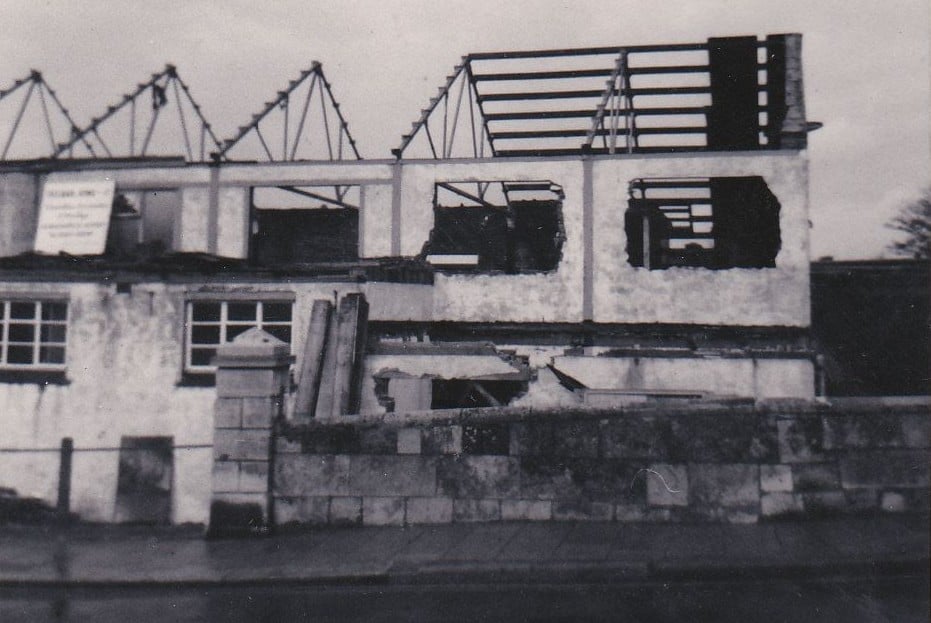
Today, traffic circles modern Coppins Bridge where tons of Island ice were once produced daily for shops, hotels and homes across the Isle of Wight.













Excellent article, keep them coming.
Was it built over the river? pic looking up towards staplers?