







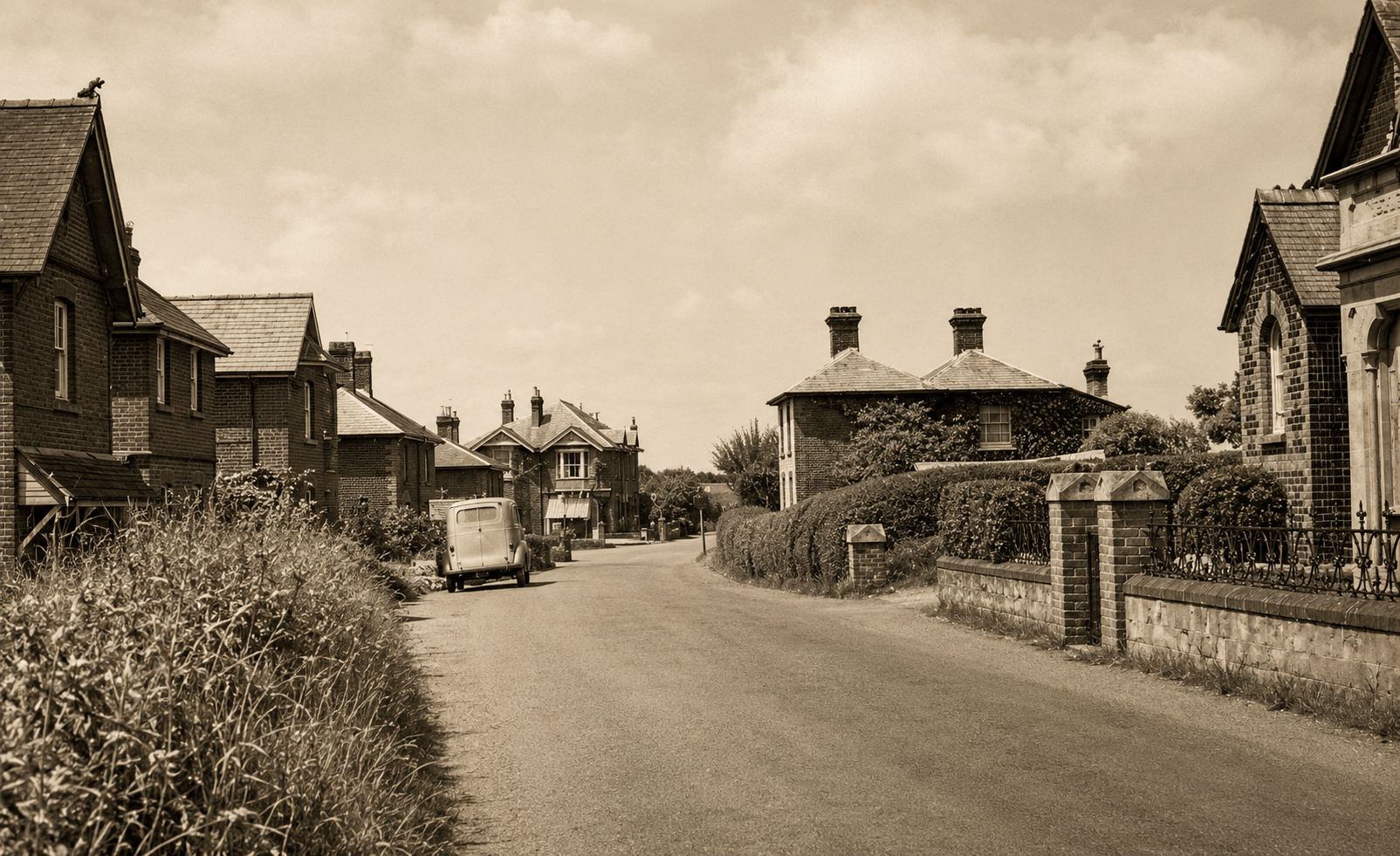


































A 9-year-old John Osborne moved to the South Wight on 28th September 1939, where it was thought the climate would be more suitable for his father’s ill health.
Osborne would go on to become 1 of the most famous playwrights of his time with ‘Look Back In Anger’ (1956) securing his place among the ‘Angry Young Men’ generation of writers that emerged after the end of the war in 1945.
In his autobiography ‘A Better Class of Person’ (1981), Osborne recalls his journey to the Island from Southampton:


“The sea looked dark and dangerous and we were surrounded in the harbour by grey, whooping destroyers. Would we be torpedoed?”
Luckily, they were not and Osborne goes on to describe his arrival in the South Wight:
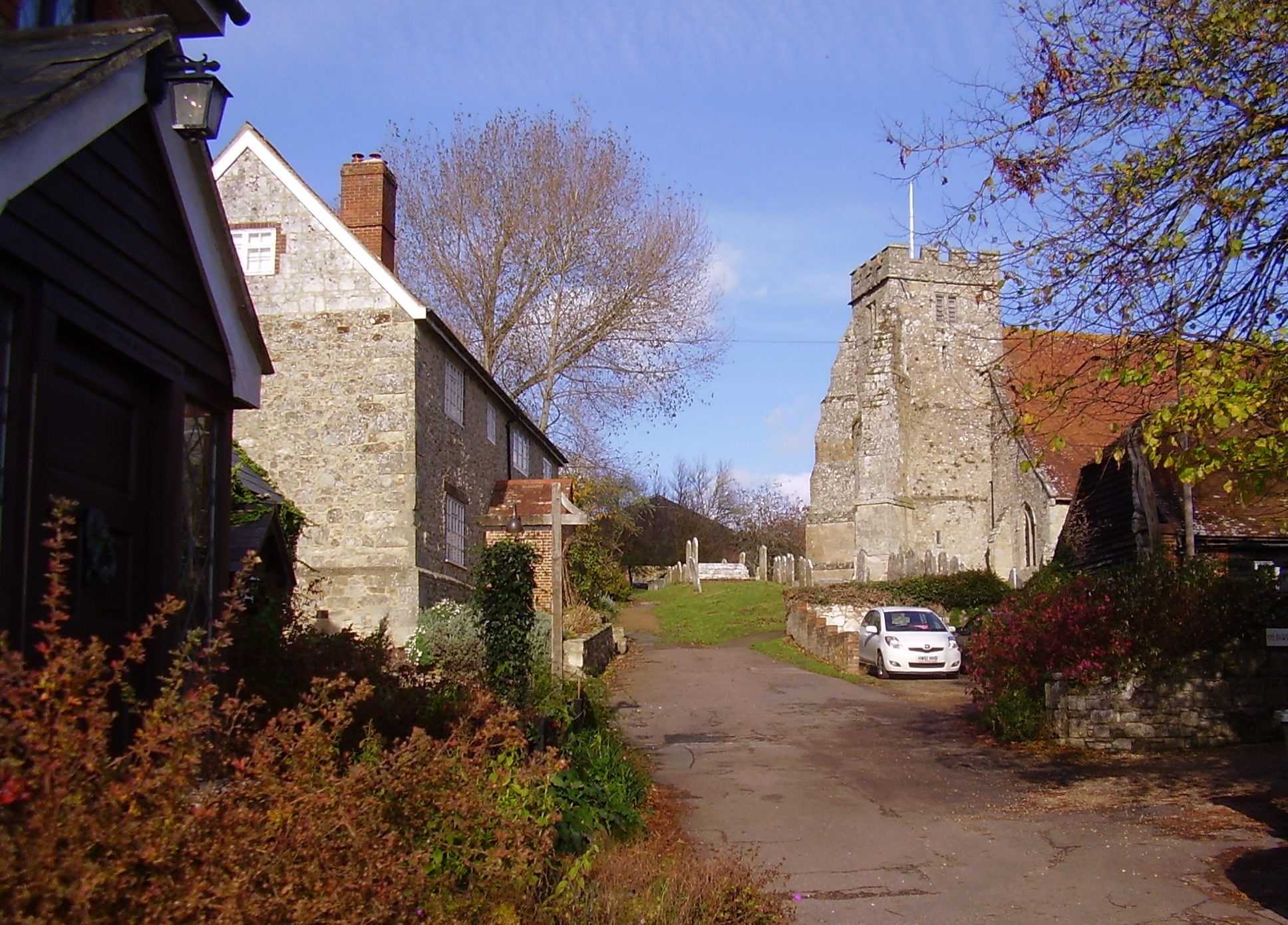
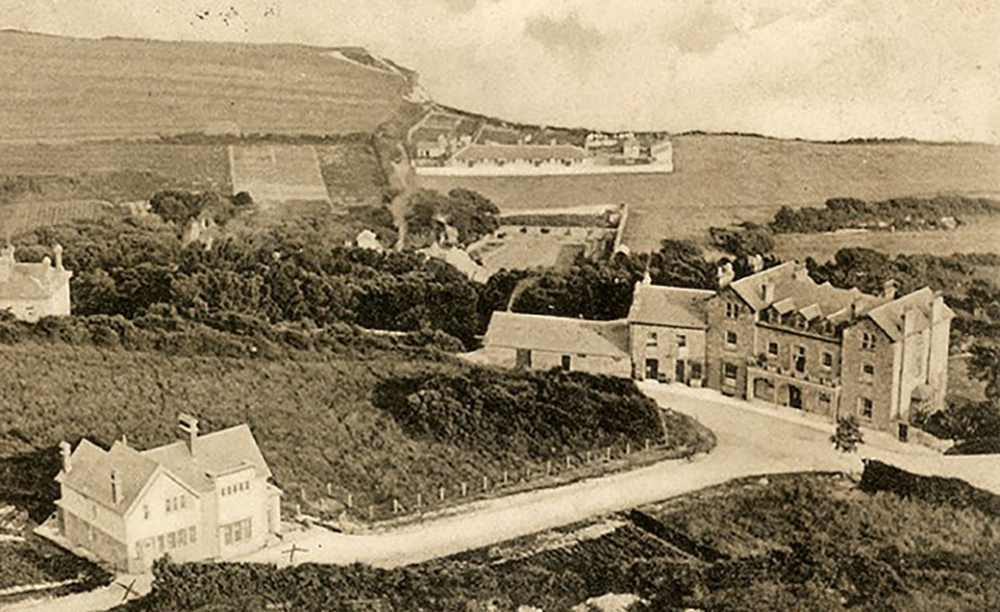
“We arrived at Ventnor in the late sunny afternoon, going on a mile or 2 to a place called St Lawrence Halt where there was a tiny railway station and a gloomy, grey Victorian hotel called the Carfax.”
However, the good weather didn’t last long as he recalls:
“A black mist and enveloping fog settled over the whole Island, only to be pierced by the flash of gunfire from the convoy attacks in the Channel, which took place frequently during the next few months.”
Article continues below this advertisement “Something was going on out there and, whatever it was, I was missing it. Whenever their guns roared, the whole Island seemed to shake as if it might disappear into the sea.”

Osborne goes on to recount time spent wandering along the Undercliff between Ventnor and Blackgang Chine as well as the air-raid drills they practiced at the local school when he wasn’t playing truant as he often was.
But it was a local girl – Isabel Sells – who made the biggest impression on him:
“She was a tall, pretty girl, much taller than I, and had just had her 21st birthday. I met her as she was walking her dog along the beach and she was so immediately friendly and easy that a wave of happiness overwhelmed me…I was sure I had found a true friend and one who would allow me to love her.”
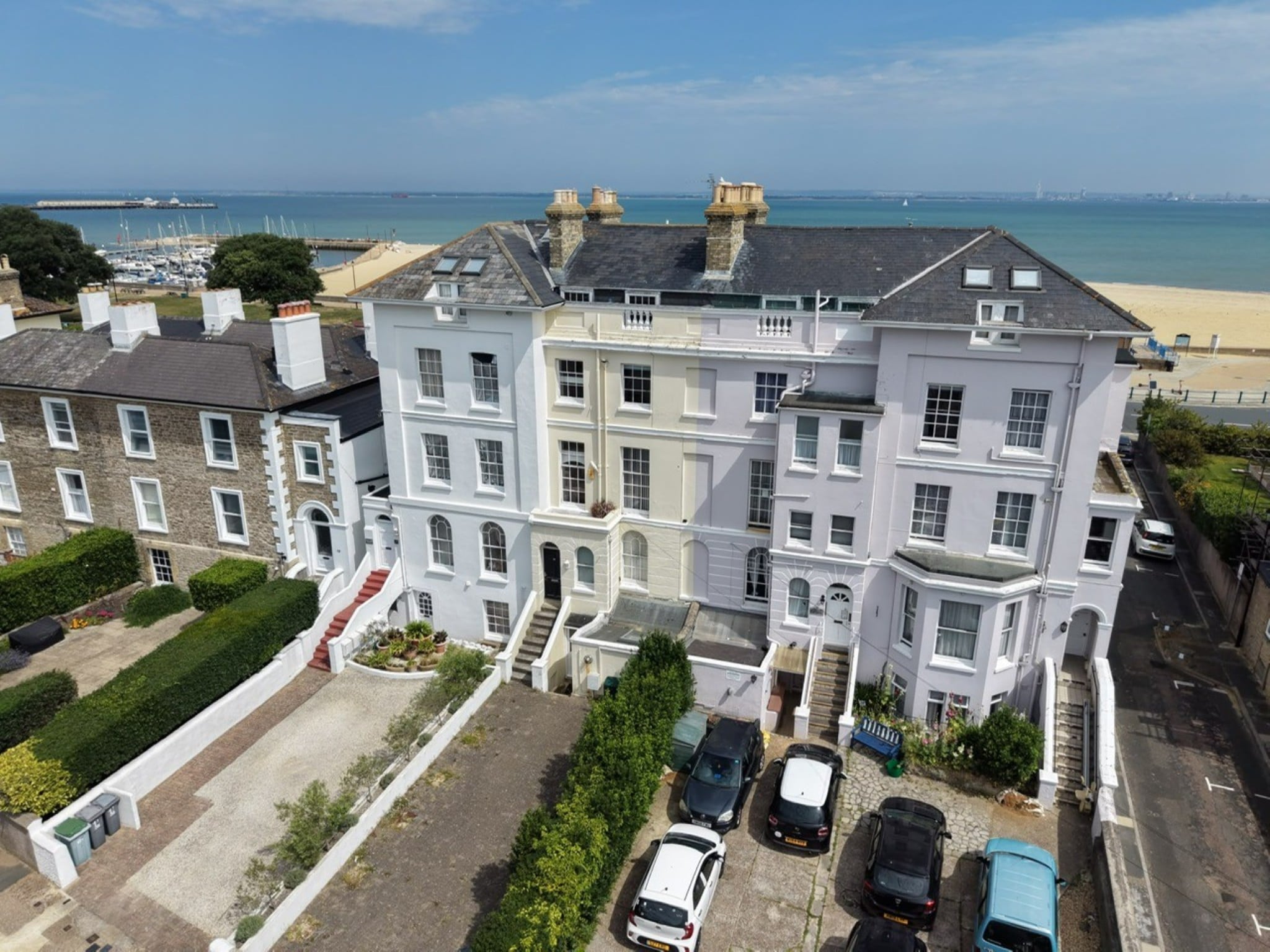
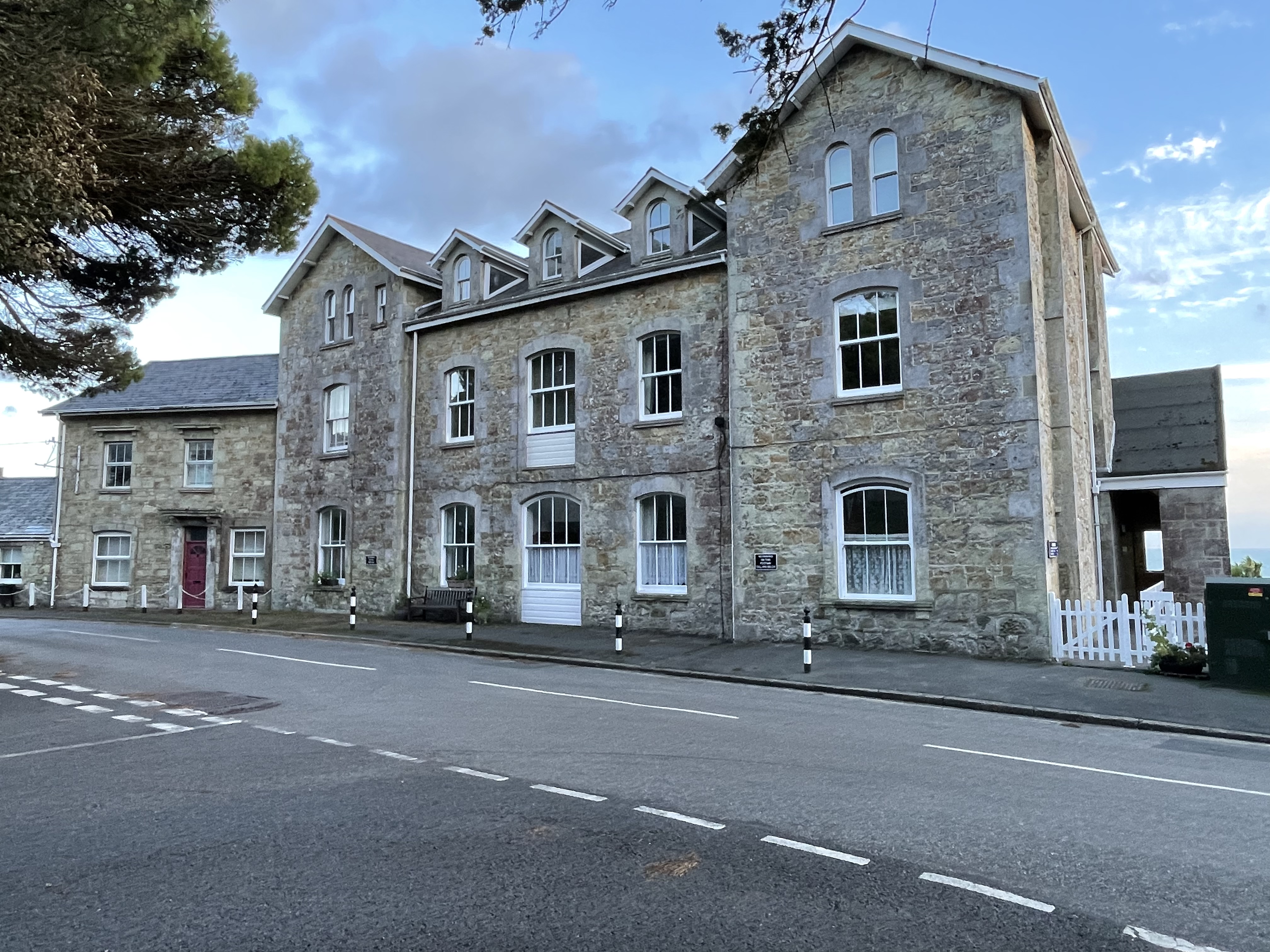
Isabel’s family ran the Carfax Hotel, which can still be seen today – although it has now been converted into flats – and this became Osborne’s refuge and where Isabel invited him to tea every Sunday.
Unfortunately, his father’s health continued to deteriorate and towards the end of November 1939, he was transferred to the sanatorium and was told he had 6 weeks to live.
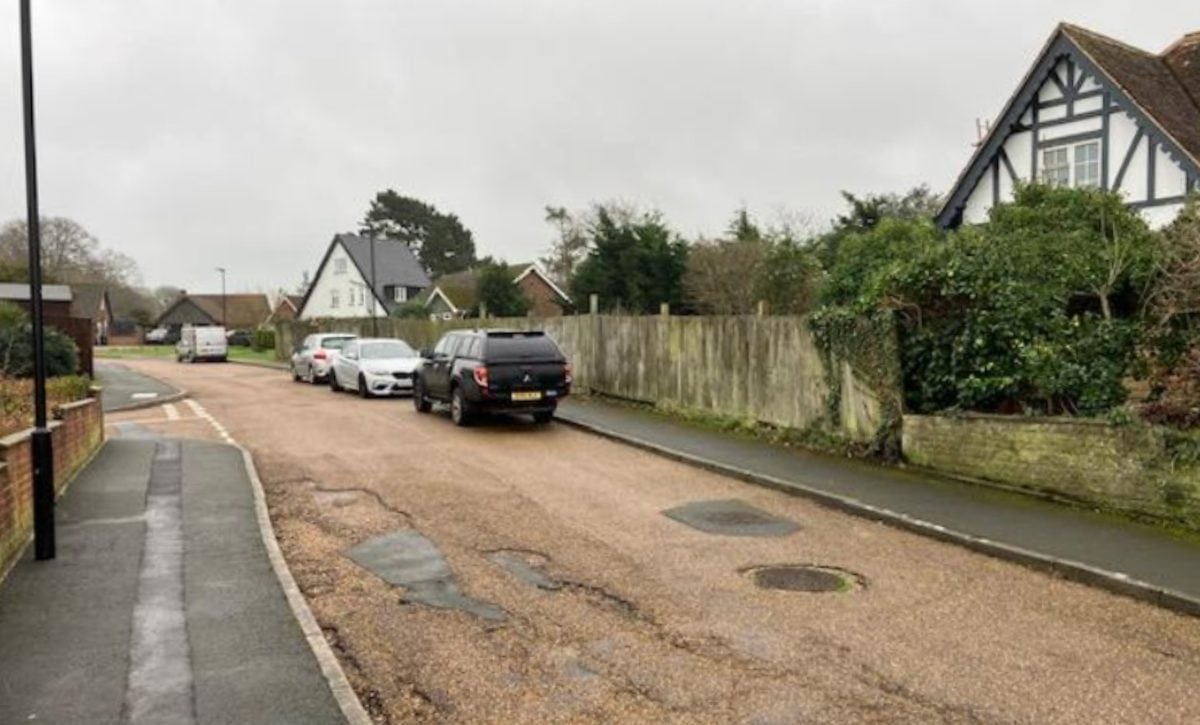
Osborne turned 10 on 12th December and describes a sad Christmas spent with his mother and ailing father in their cottage ‘Mon Abri’ in the Old Park area of St Lawrence. In the New Year, his father’s condition continued to deteriorate and, on 27th January, he died.
They returned to the mainland just days later and that was the end of Osborne’s stay on the Island, although he continued to yearn for the company of Isabel Sells:
“I wrote regularly to Isabel. If I could only live with the Sells at the Carfax, I would have willingly gone back to St Boniface Secondary School in Ventnor. I had never seen those beaches in the summer.
“Isabel and I could walk for hours along the open sands. The Germans wouldn’t want to invade Ventnor. It wasn’t Bognor.”
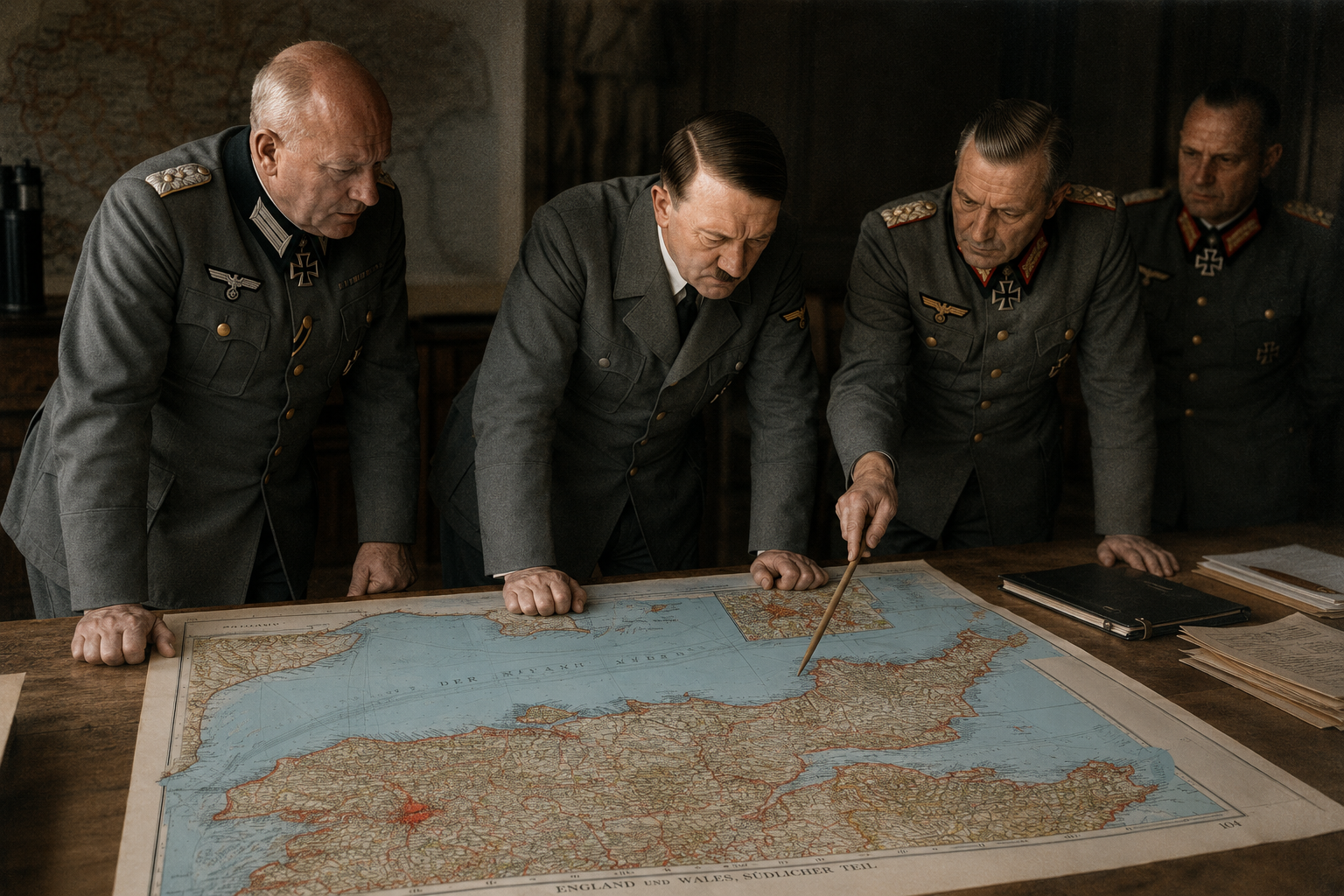
However, as previously reported by Island Echo, a 2016 book claimed that the Germans did land in the South Wight at Osborne’s old haunt of St Lawrence in 1943.