


































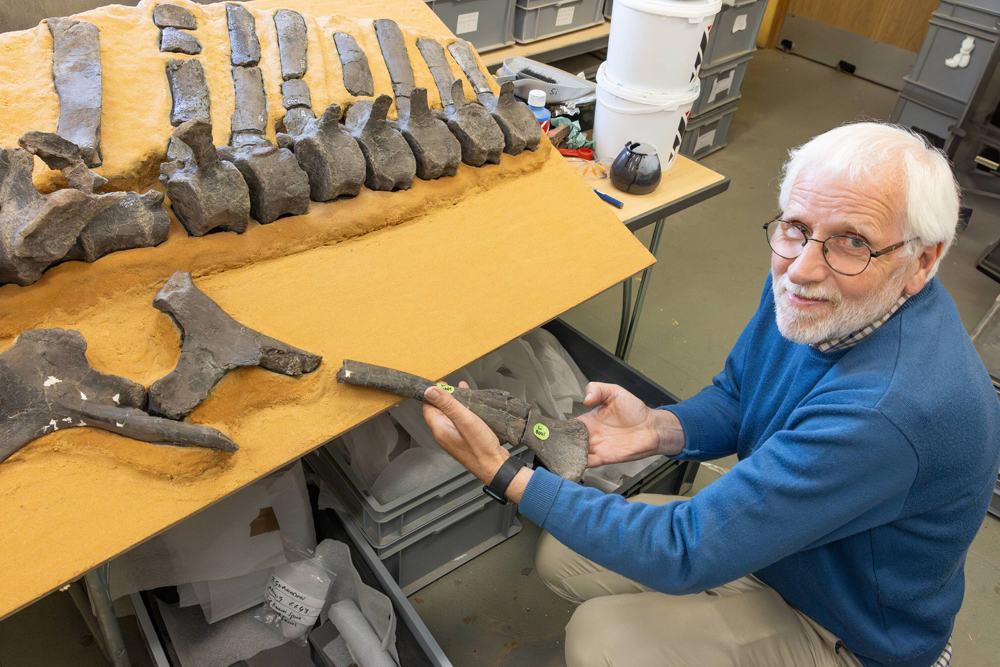

Most people slow down in retirement, but for one former GP, stepping away from medicine meant stepping into prehistory – and discovering 3 new dinosaur species right here on the Isle of Wight.
Dr Jeremy Lockwood, 68, swapped a career in general practice for a PhD in palaeontology with the University of Portsmouth.
Since retiring, he has gone on to make major scientific discoveries by closely analysing fossilised bones unearthed on the Isle of Wight, often overlooked in museum collections for decades.


What began as a childhood fascination with fossils turned into a new purpose after family holidays to the Isle of Wight rekindled his passion. Frequent visits to the beaches near Brighstone and Compton led to regular fossil finds, prompting Lockwood to take early retirement and begin studying the ancient bones properly.
Since then, he has named 3 new species:
- Brighstoneus simmondsi, identified from a skull with an unusually humped nose
- Comptonatus chasei, found in cliffs near Compton Bay and named after local fossil hunter Nick Chase
- Istiorachis macarthurae, a sail-backed dinosaur named in honour of Dame Ellen MacArthur
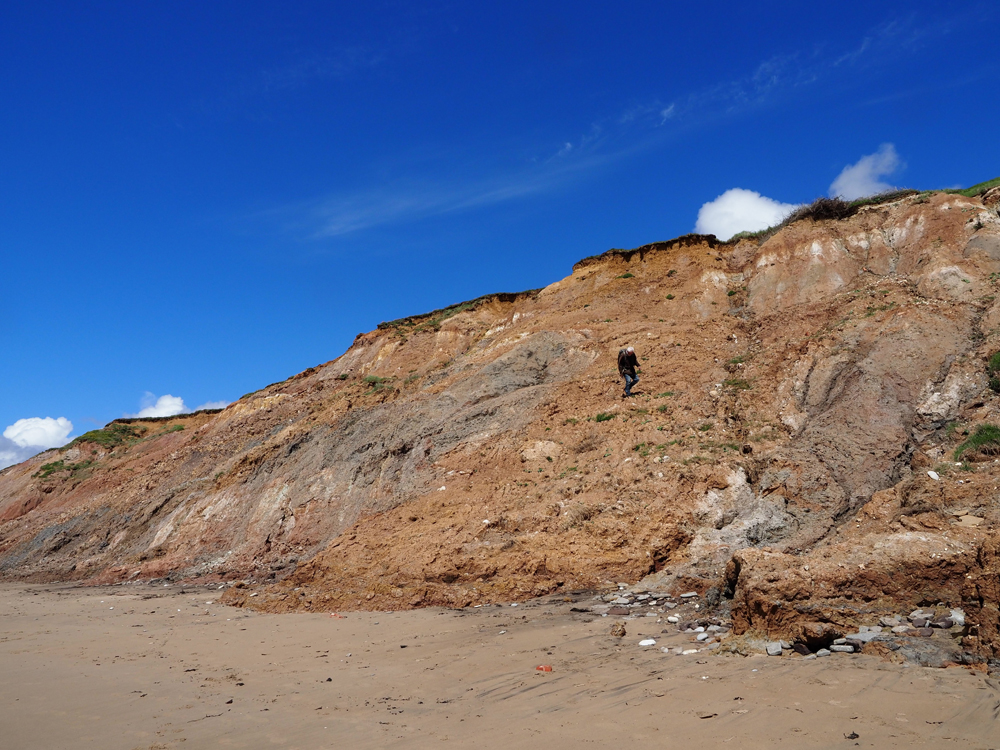
All 3 species lived around 125million years ago and add to the Isle of Wight’s reputation as one of Europe’s richest dinosaur fossil sites.
Dr Lockwood has said:

“Most children grow out of dinosaurs by the age of eight or nine. But my fascination has only grown stronger with age. To spend my later years helping to reveal new species and piecing together an ancient ecosystem is a most extraordinary feeling.”
Fossils from all 3 species are on display at Dinosaur Isle Museum in Sandown.