
















































Born into poverty in an Isle of Wight fishing village, Sophie Dawes died a baroness at the centre of a Royal mystery.
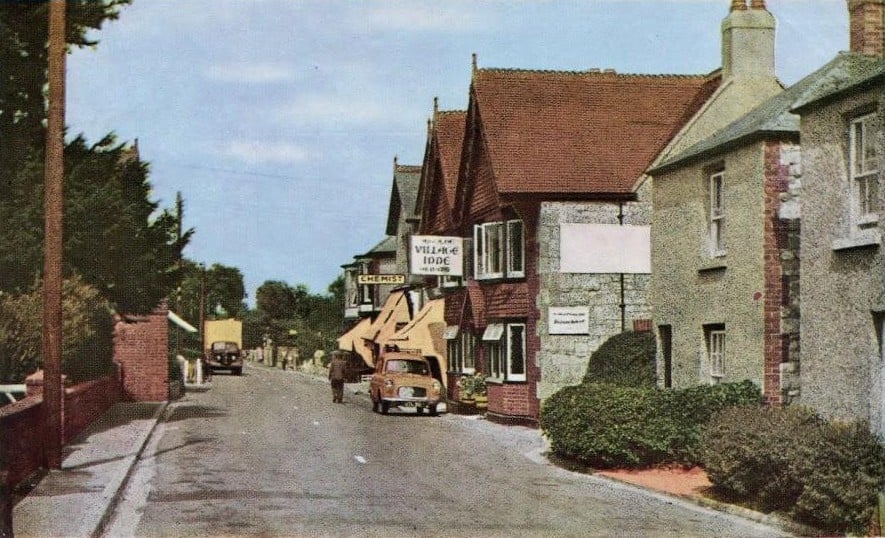
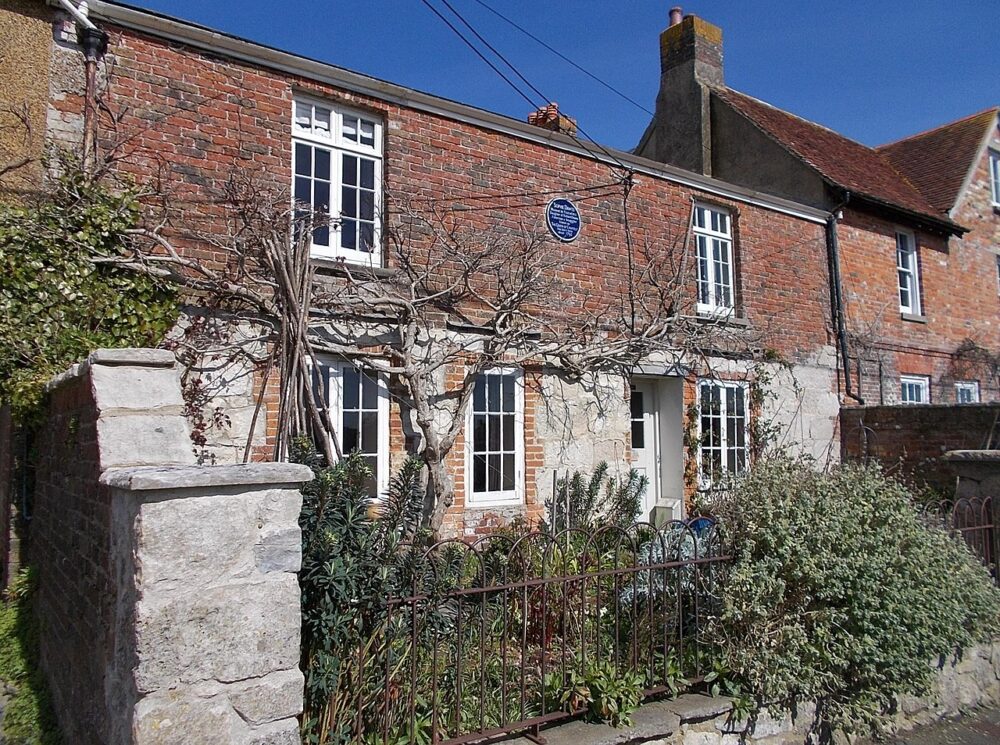
Sophie’s story reads like a gothic novel. Born in the 1790s in St Helens, she was the daughter of a fisherman and known smuggler. After her father died, the family was forced into the local workhouse – a grim fate that shaped her ruthless ambition.
She didn’t stay down for long. First a servant, then a chambermaid, Sophie eventually found herself working in a high-end London brothel. It was there, in 1811, that she met the exiled French nobleman Prince Louis Henri II of Condé. He made her his mistress and paid for her to be transformed into a cultured, court-ready woman.


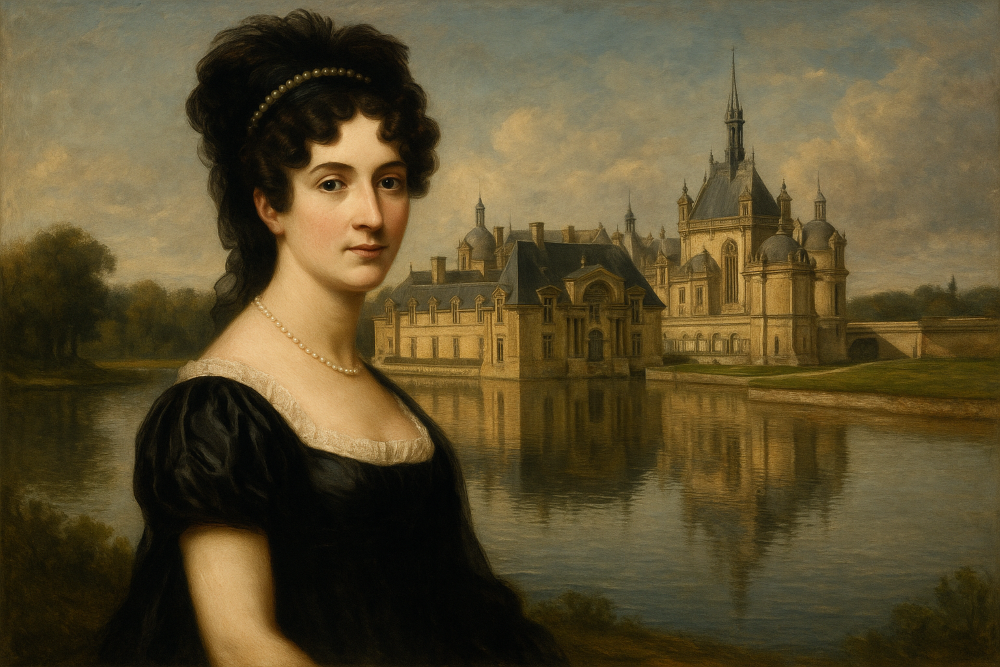
When the Bourbons returned to power in France, Sophie followed her prince to the Château de Chantilly. To legitimise her place at court, he arranged a marriage between her and his aide – Baron de Feuchères – who’d been led to believe she was the prince’s illegitimate daughter. In truth, she was still his lover.
Now a baroness, Sophie charmed her way through Parisian high society. She befriended the future King Louis Philippe and helped engineer a powerful alliance: persuading the elderly, childless prince to leave his vast fortune to the King’s son, the Duke d’Aumale.
Then came the scandal. In 1830, the prince was found hanged in his bedroom. Officially ruled a suicide, rumours of murder exploded. Had Sophie pushed him – literally or politically? Some even believed Louis Philippe himself was involved. The will stood. The Duke inherited it all.
French high society closed its doors. Sophie fled back to England, filthy rich but socially ruined. She lived quietly in London until her death from heart disease on 15th December 1840 – 185 years ago today.
Sophie Dawes, the smuggler’s daughter from the Isle of Wight, had pulled off one of the most extraordinary transformations in European history – and may have gotten away with something far darker.












Warren, how do you come across this sort of local history? Very interesting article.
This story is local knowledge on the Isle of Wight.