

















































The Minister for Industry travelled to the Isle of Wight last week to join a discussion on ferry emissions.
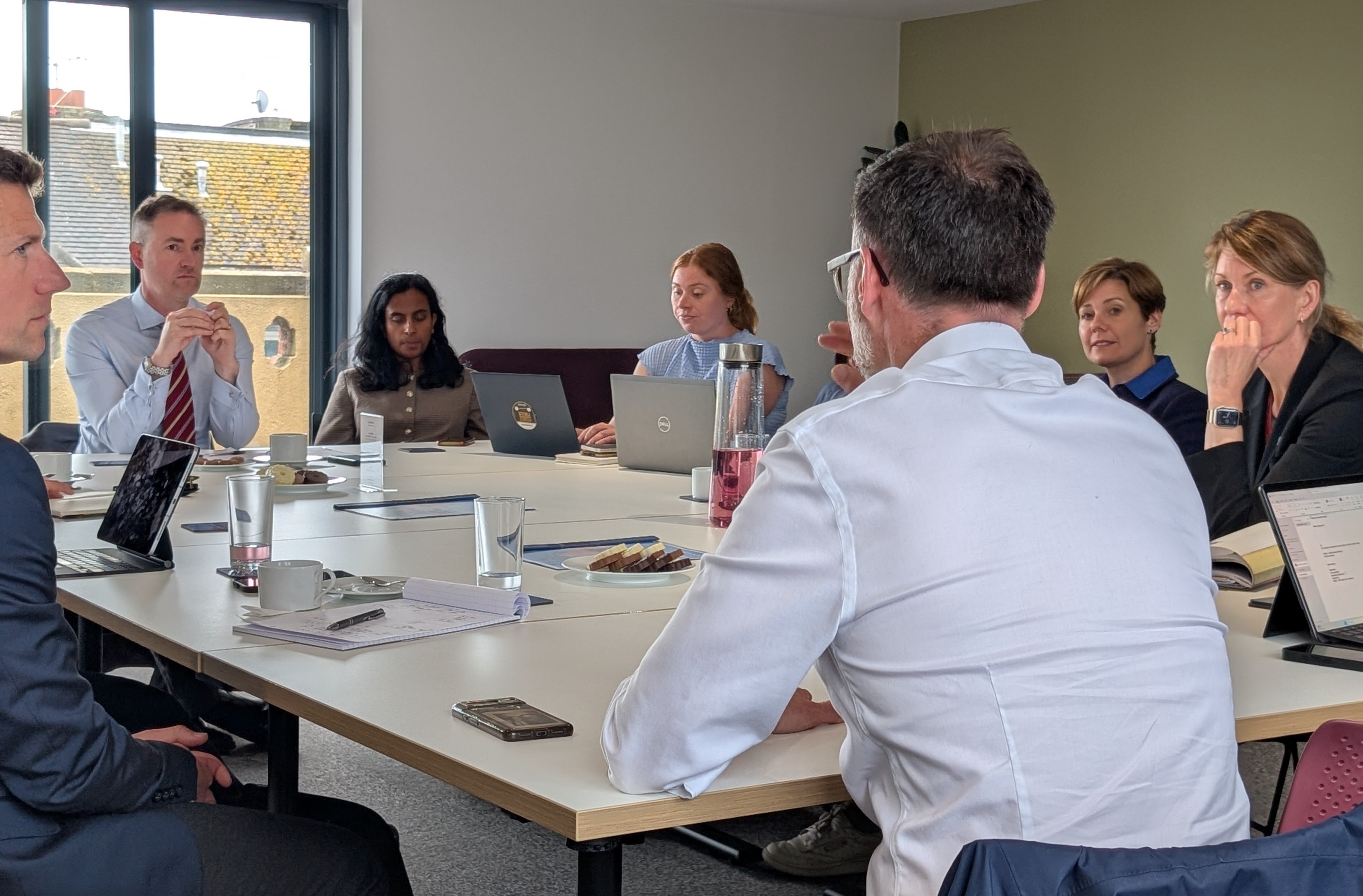
During the visit on 11th June, the Minister, who serves in both the Department for Energy Security and Net Zero (DESNZ) and the Department for Business and Trade (DBT), joined a roundtable hosted by Richard Quigley MP.
The event brought together key local stakeholders, including the chief executives of Wightlink and Red Funnel, the Leader of the Isle of Wight Council, the Chief Executive of the Isle of Wight Chamber of Commerce, the Chief Executive of Visit Isle of Wight, representatives from the UK Chamber of Shipping and officials from the Department for Energy Security and Net Zero and the Department for Transport.


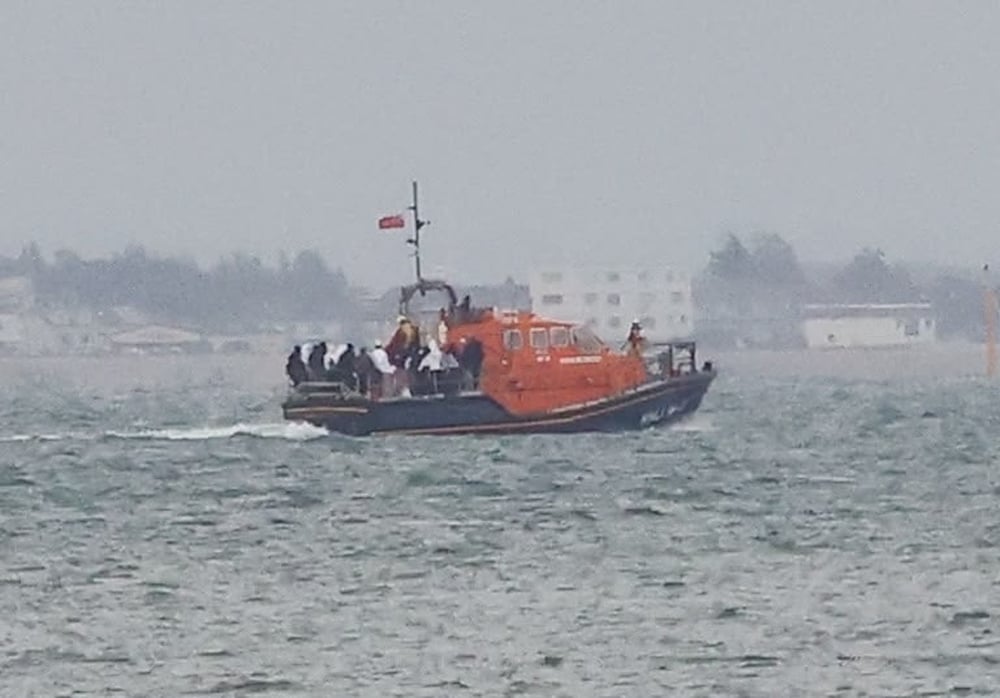
The discussion focused on the impact of the Emissions Trading Scheme (ETS), with ferry operators outlining the additional pressures the policy would place on operating costs and, ultimately, ticket prices for passengers. The visit also provided an opportunity for the Minister to hear directly about the unique challenges facing the Isle of Wight and allowed ferry companies to put forward their concerns.
Although the ETS was introduced under the previous Government and retained because of its environmental objectives, Mr Quigley has consistently argued that the policy is unsuitable for cross-Solent ferry services. Saying that, with insufficient grid capacity and no viable alternatives to conventional marine fuels expected until at least the mid-2030s, the necessary infrastructure is not yet in place, and the burden on Island passengers is already too great.
Mr Quigley said he will continue working with both ferry operators and Government to secure a fairer deal for Island residents, ensuring services remain reliable and fares stay affordable. He also welcomed the forthcoming first meeting of the Cross-Solent Transport Group, which will bring together operators, officials and stakeholders to address long-standing issues surrounding costs and reliability.
Richard Quigley MP has said:
“Everyone on the Island knows that our ferry services are already too expensive, so I have been clear from the beginning that, despite the noble environmental objectives of the scheme, the Island must be recognised for its unique reliance on ferries, just as is the case with Scotland and Northern Ireland.
Article continues below this advertisement “I will keep working with whoever I need to in order to bring our ferry fares down.”








Mr Quigley seems to be quoted saying that “fares stay affordable” and “ferry services are already too expensive” all in the same report of the same meeting. Which is it? Are they affordable or too expensive?