























































Large crowds gathered on Birmingham Road on 30th May 1901 – 125 years ago today – as Cowes celebrated the arrival of an impressive new Methodist church.
The town’s new Wesleyan Methodist Church – a striking red-brick building that would dominate Birmingham Road for well over a century – officially opened its doors that day.
The new church had been built directly opposite the earlier Wesleyan chapel, which had served the town since 1831. On opening day, worshippers gathered in the old chapel before filling the spacious new building for its inaugural service.


The ambitious project even attracted support from Queen Victoria, whose £20 donation towards the building fund would equate to around £3,000 today.
Designed by London architects Messrs Bell, Withers and Meredith and constructed by London builder H. H. Sherrin, the striking new church was built in a freely treated Gothic style using red brick with Bath stone dressings. Despite the London connections, every brick used in the construction was reportedly made at the London Cowes brickfields.
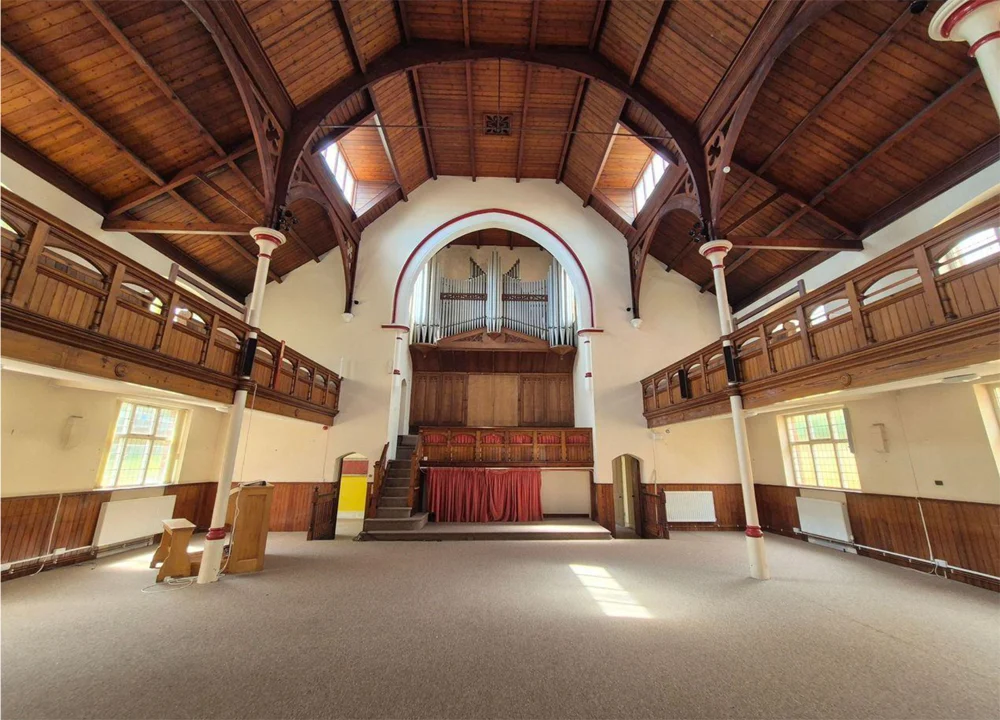
Inside, the church and adjoining schoolroom featured pitch pine and red deal woodwork, a large organ, seating for around 900 worshippers and substantial community space beneath the main chapel. During the inaugural celebrations, Rev. Dr. T. Dixon contrasted the new building with the old chapel opposite, describing the earlier church as cold and uncomfortable compared with the warmth and brightness of its replacement.
The scale of the project was enormous for the time. The total cost of the church and schoolroom was around £8,000 – approximately £1.28million in today’s money. Part of that expense was offset by the sale of the old chapel opposite for £2,000, worth roughly £319,000 today. A collection taken during the opening services reportedly raised around £600.

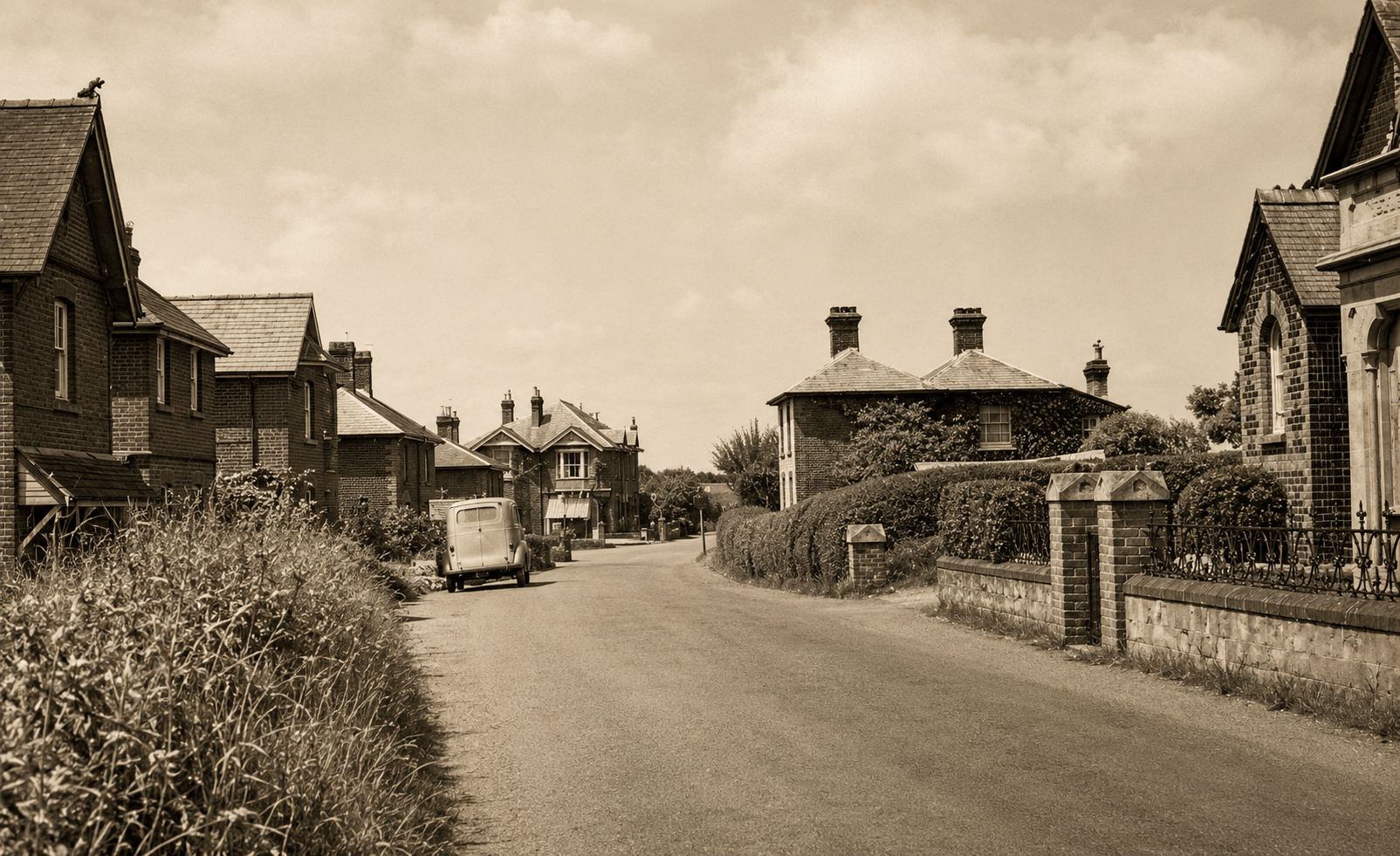
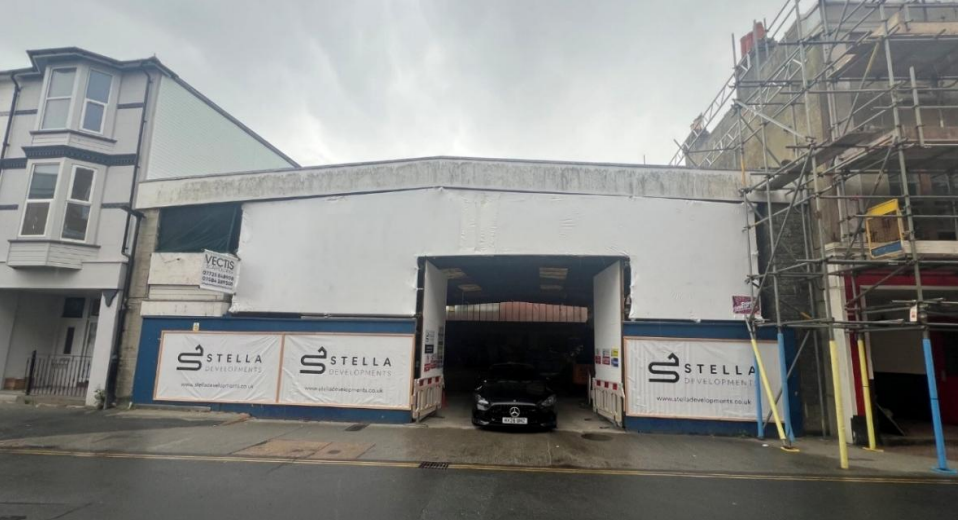
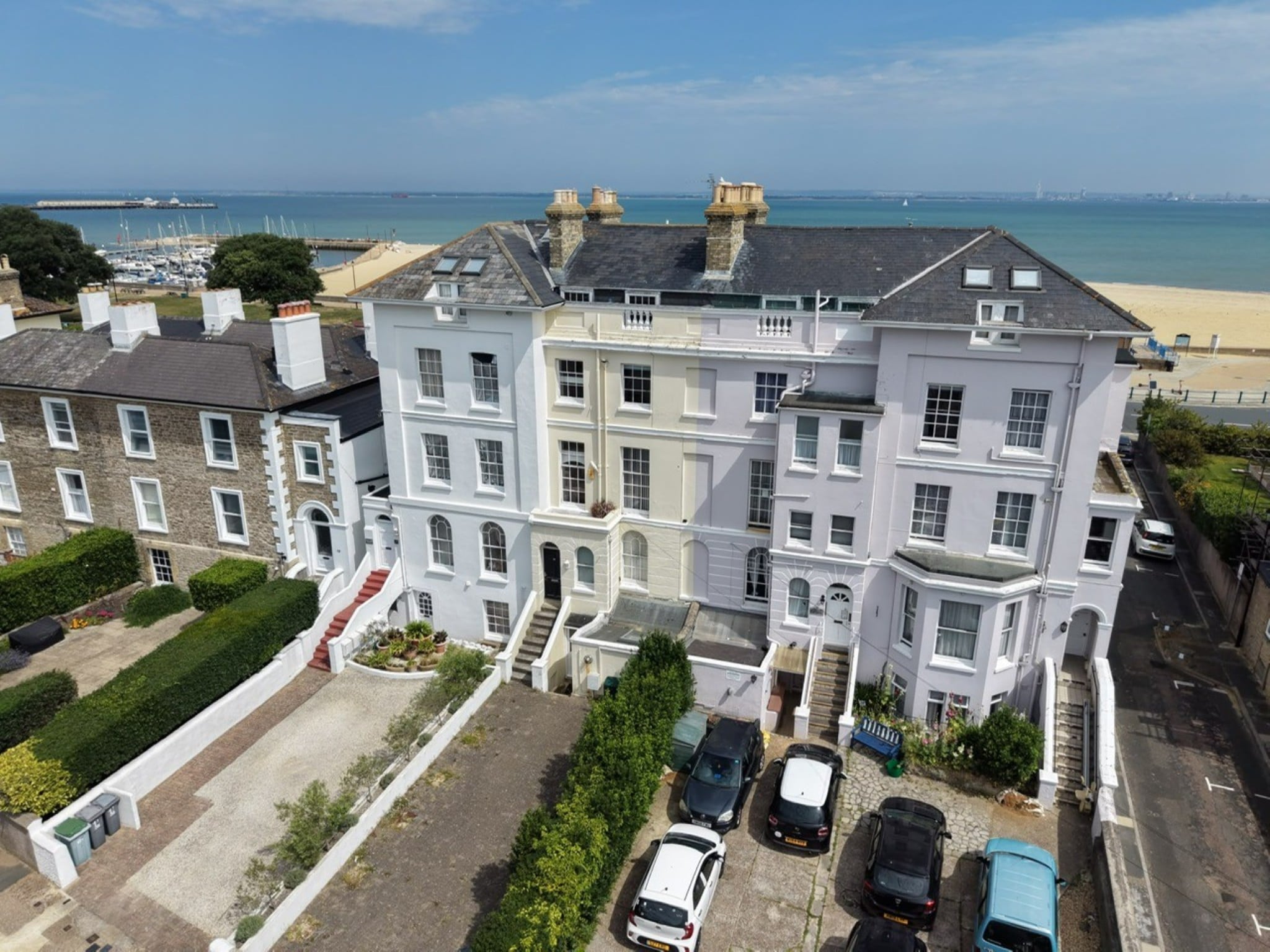
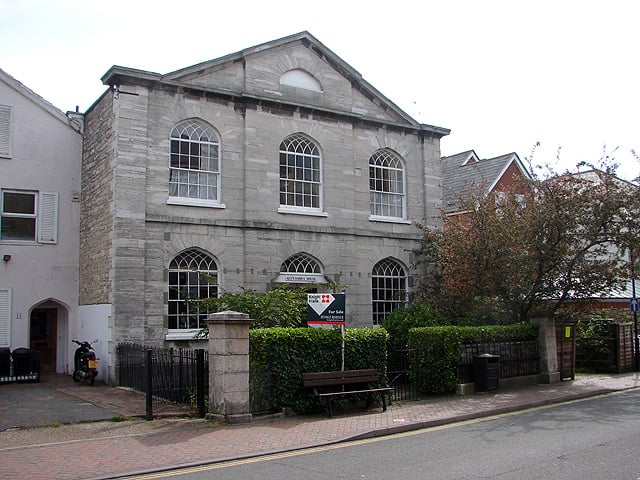
The older Wesleyan chapel opposite had itself played a major role in Cowes life during the Victorian era, accommodating around 820 worshippers. Following the completion of the new church, the former chapel entered an entirely different chapter of the town’s history, becoming linked with Samuel Saunders and the Saunders-Roe company before later serving as a theatre, dance hall, meeting venue and printing works. Today, the heavily altered former chapel survives as Alexandra House.
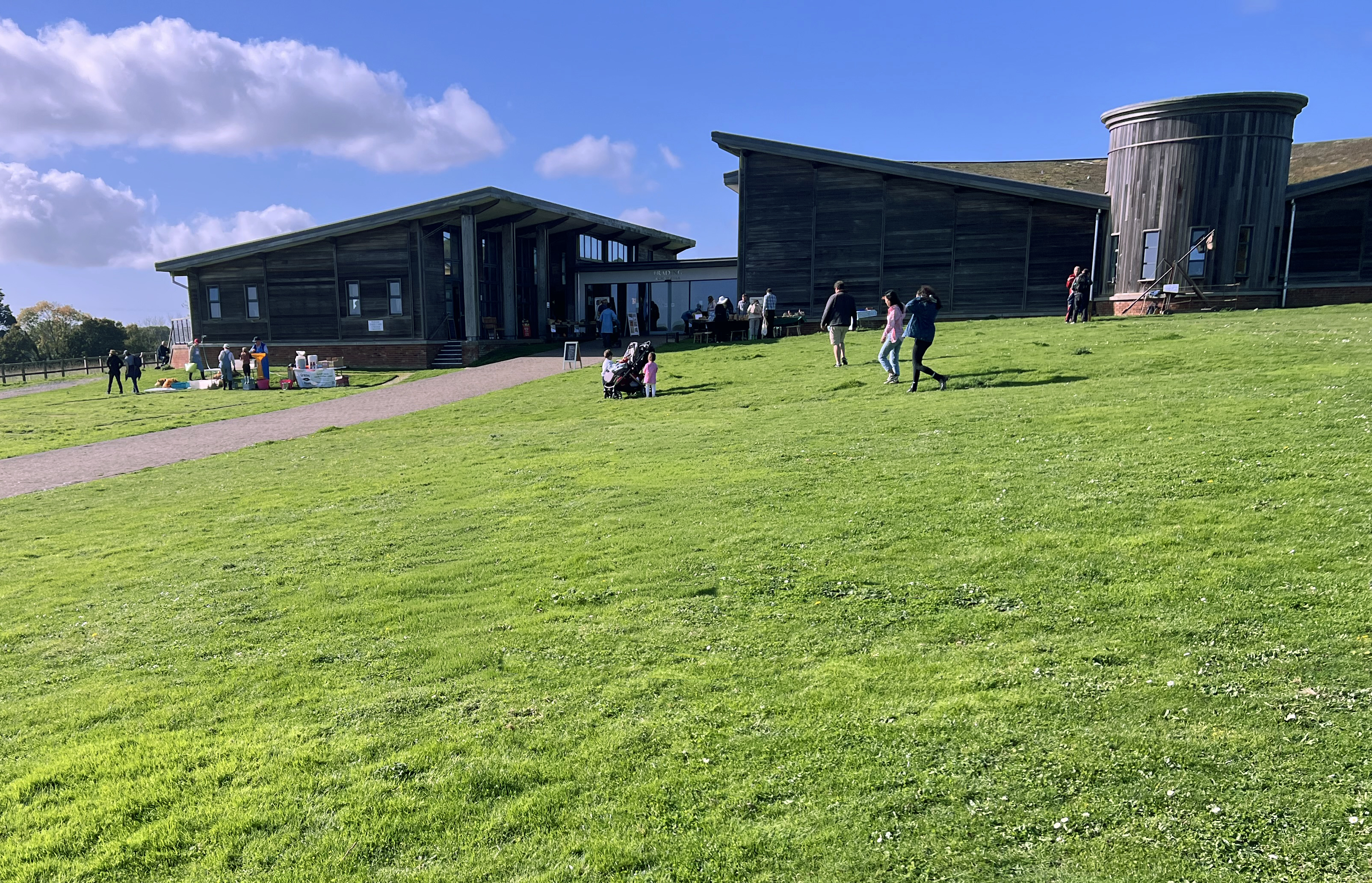
The church remained one of Cowes’ best-known landmarks until its closure in 2020 following declining congregations. More recently, proposals to transform the building into a lounge café, bar and restaurant have generated debate locally about its future.
Few of those attending the opening service in 1901 could have imagined that the church would eventually close after more than a century at the heart of Cowes life.












Should have stayed as a church, a wonderful building.
Amen
Shame was going to be a venue but assholes stopped it so remains closed and disused so that’s good when new life could of bought back to something and employed people but no that’s not what we do in labour’s new world order.
Don’t think it’s anything to do with Labour. It’s a Methodist church so probably a covenant on it to bar the sale of alcohol?
What I cannot understand is that the private sector businesses
are suffering while the majority of public sector employees are
still shirking from home on full pay.
It’s time the Government cut the public sector work force.
I am fed up paying for their salaries from my taxes.
I’m getting so sick of you constantly repeating this bull…here are the facts. Again.
The hybrid model allows 49% of employees in certain sectors to work from home for 2 days a week. The other 60% of time is in the office. Senior leaders and managers are expected to attend the office more than 60% (in effect 4 days out of 5).
15% of some sectors are fully remote. Sometimes they are ‘reasonable adjustments’ due to disability or illness where a person can still use their brain for work, but can’t move or commute, sometimes because of caring responsibilities, and sometimes pure IT based projects.
Of the home work itself, it is monitored via IT and Network Logs, VPN and Wi-Fi tracking and output-based productivity management which are audited and compared with the outputs attained under Office Attendance Audits.
Any employee not achieving this (MONITORED) standard is hauled in for a disciplinary.
As for your suggestion of cutting those 49% hybrid workers…what do you expect the workload of the other 51% to then look like? What might happen to the services we use which they provide? Do you not do joined-up thinking, cause and effect, secondary and tertiary impacts?
If you don’t know something, that’s fine, but constantly repeating a lie of ‘the majority of civil service are shirking from home’ is as stupid as ‘the world is flat’ when the facts have been pointed out to you again and again. Maybe that’s something you CAN understand.
Bless I have obviously touched a nerve,
no one likes to hear the truth, so sad.
Hence what you call repeating this bull.
Lol
Believe me it is not bull it is the whole truth
and nothing but the truth.
Enjoy it while you still can, tax payers cannot keep
paying for public sector shirkers.
Chow
I think it is painfully obvious that there are a great number of things you do not understand, although that clearly does not stop you spouting utter nonsense at any given opportunity!
The truth always hurts, that is why people like yourself
don’t like hearing the truth.
People like myself?? Interesting….what profile of me have you managed to conjure up from one reply to your inane, idiotic and unsubstantiated comment?
Bless
I wouldn’t expect too much in the way of critical thinking; this is the numpty (his word) who thinks speed humps on the Military Road and 20 limits between towns and villages are good ideas, as per his recent posts. He also sees that little runt of a London Mayor as someone to admire, and wants his policies adopted for the island. As the Americans say, his elevator doesn’t go all the way to the top.
What is happening with Alexandra House these days? It appears to have been unloved for a very long time.