



























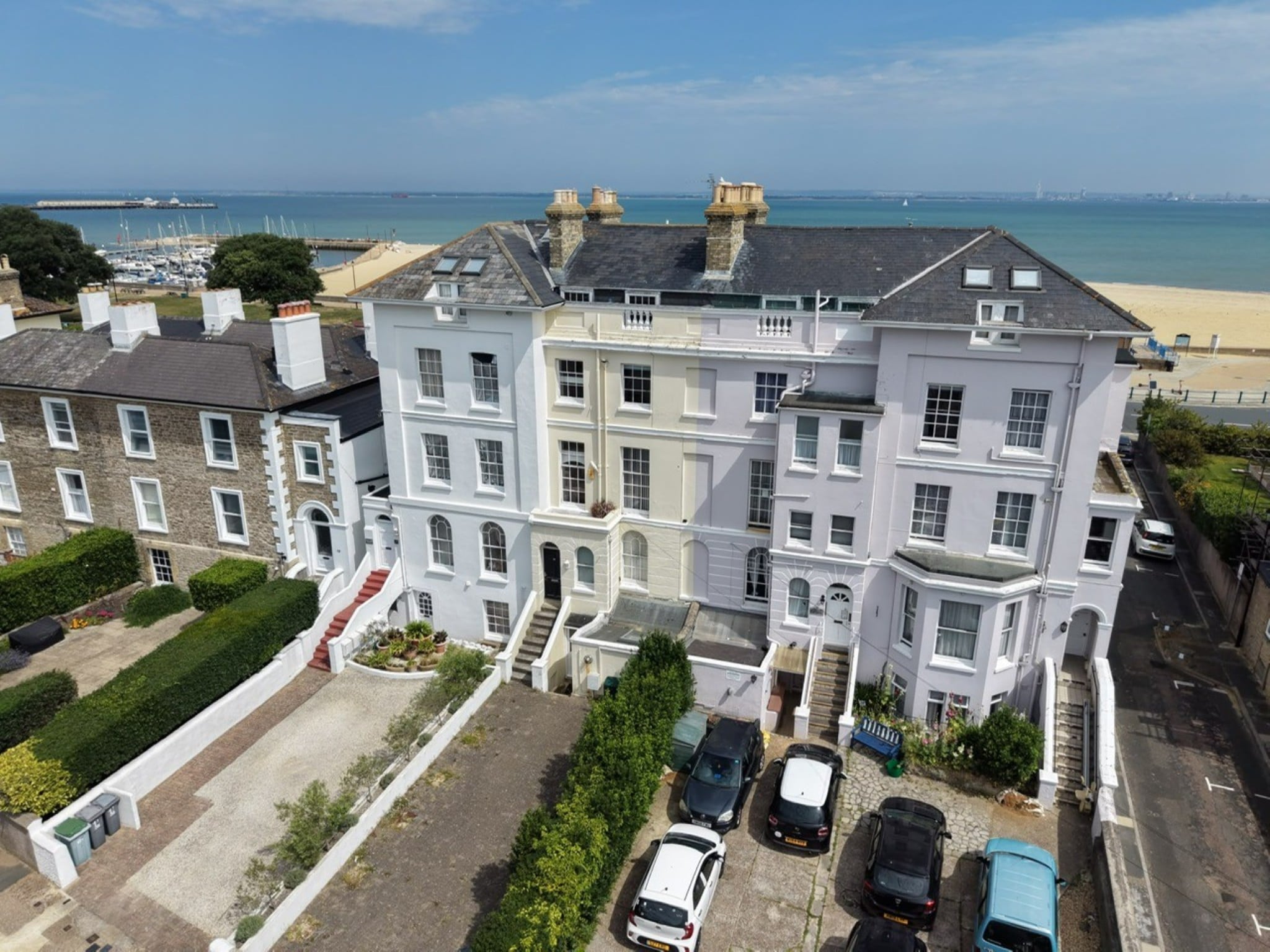















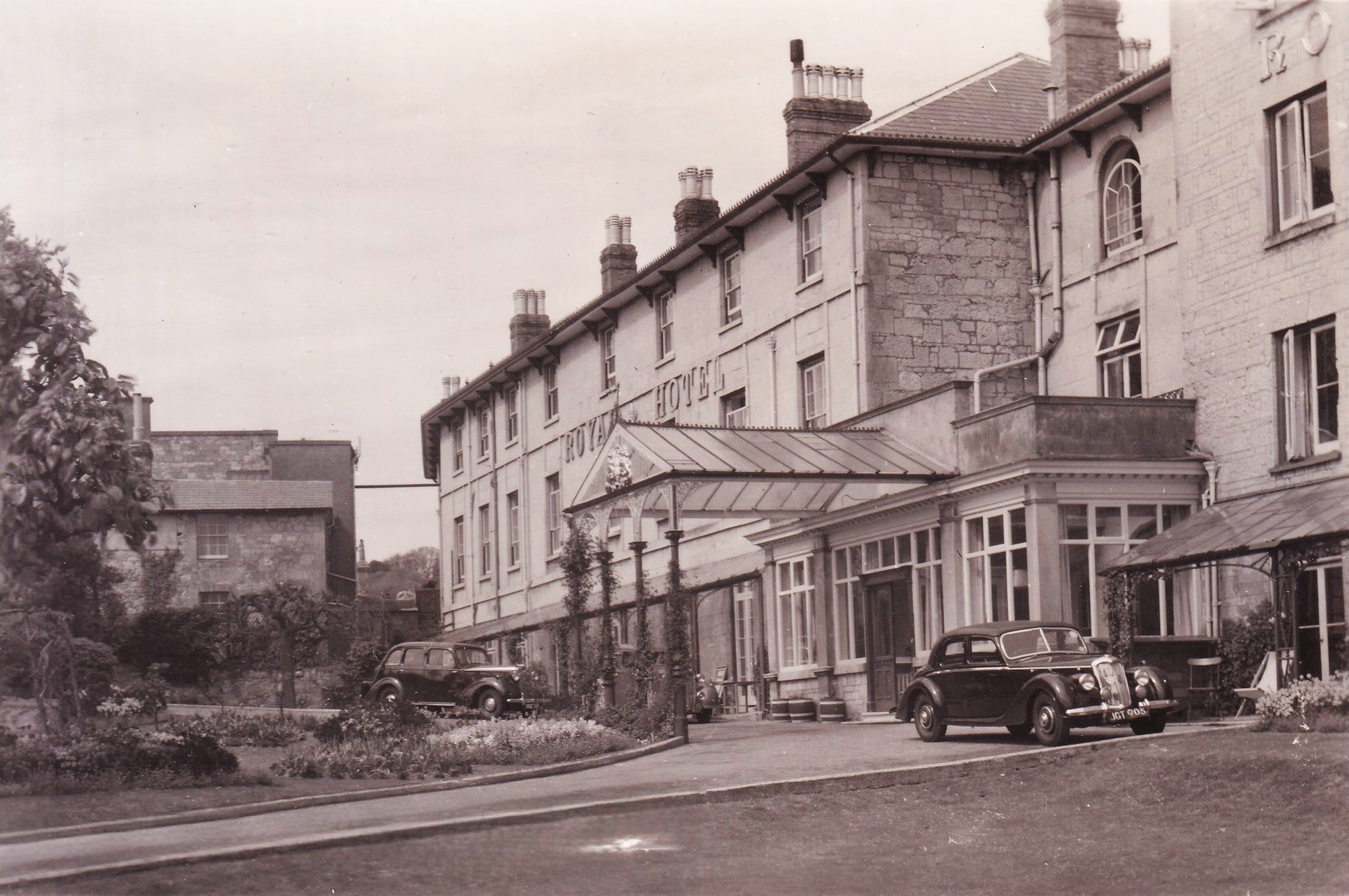

While many of the Isle of Wight’s great seaside hotels have fallen into decline, Ventnor’s The Royal Hotel still overlooks the bay much as it did in Victorian times.
The Royal Hotel has spent nearly 2 centuries welcoming royalty, writers, wealthy invalids and visitors drawn by Ventnor’s famous “healing air”.
The hotel began life in 1832 as Fishers Hotel, a coaching inn built on the new road linking St Lawrence with the rapidly growing resort of Ventnor. At the time, the town itself was still emerging from a small fishing settlement into one of Britain’s most fashionable health resorts.


Ventnor’s reputation rested on its remarkable microclimate. Sheltered beneath St Boniface Down and facing south across the English Channel, the town was warmer and sunnier than much of the mainland. Victorian doctors increasingly recommended it to patients suffering from tuberculosis, bronchitis and nervous illnesses.
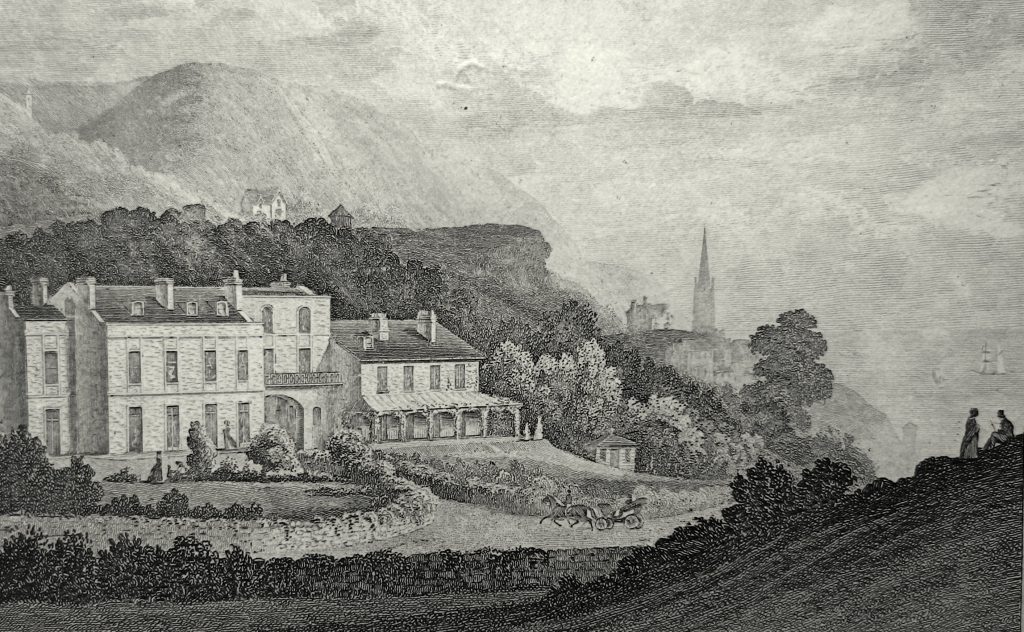
Much of that reputation was boosted by Sir James Clark, physician to Queen Victoria, who praised Ventnor’s climate and declared that “nothing along the south coast will bear comparison with it”.
The hotel acquired its “Royal” title following visits by Queen Victoria and Prince Albert, who regularly stopped there for afternoon tea while visiting nearby Steephill Castle during the mid-19th century. Royal patronage transformed both the hotel’s status and Ventnor’s growing reputation.
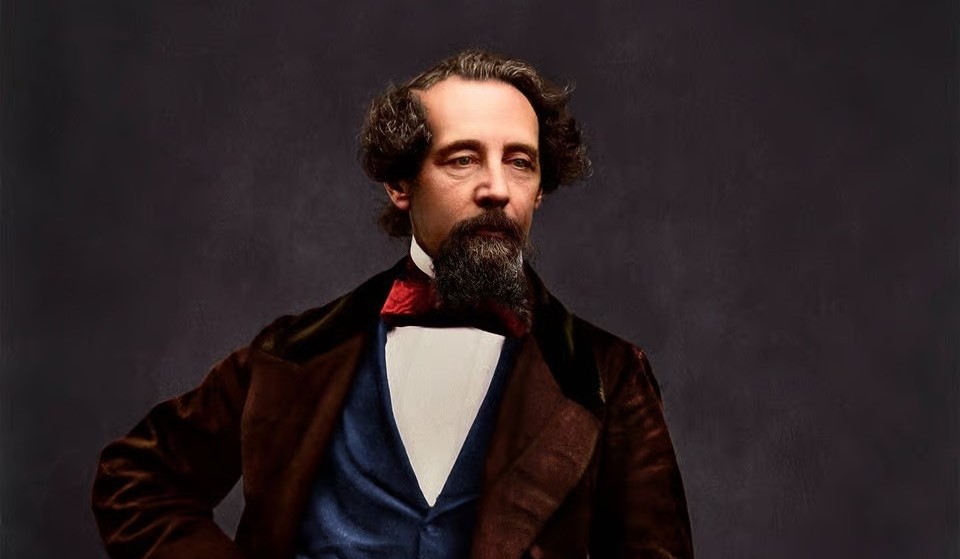
Among the hotel’s literary visitors was Charles Dickens, who stayed there in 1838 during one of his early visits to the Isle of Wight. Dickens later described Ventnor as “the prettiest place I ever saw”, helping spread the town’s reputation far beyond the Island.
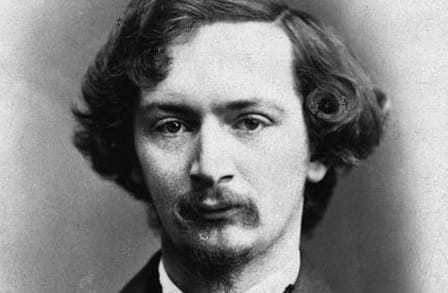
Another literary figure associated with the Royal was Algernon Charles Swinburne, whose fascination with the sea and dramatic coastline made Ventnor a natural attraction.

The hotel also became associated with European royalty. Among its most glamorous visitors was Empress Elisabeth of Austria, better known as “Sisi”, who stayed in Ventnor during the summer of 1874 while living at nearby Steephill Castle.
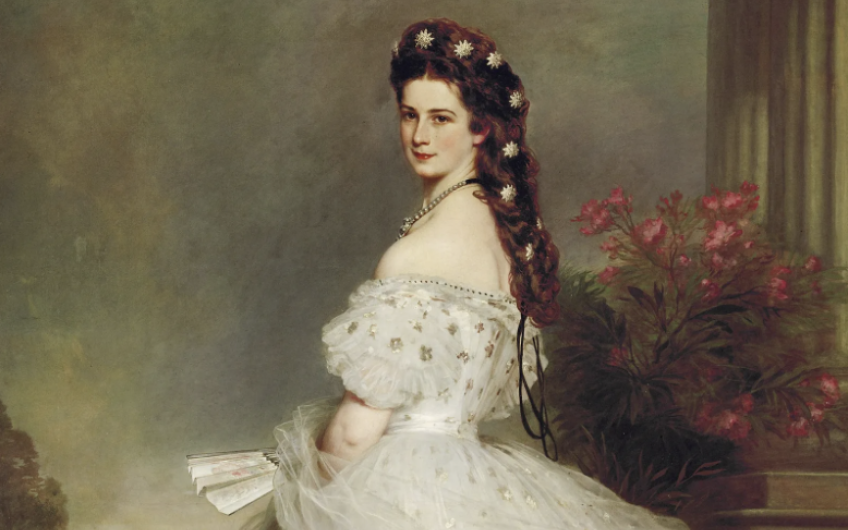
Celebrated across Europe for her beauty and glamour, the Empress arrived with a huge entourage of ladies-in-waiting, servants, chefs and doctors, causing a sensation in the quiet resort town. During her stay, members of her household visited the Royal Hotel, adding further prestige to its growing reputation among wealthy European visitors.
Inside, the Royal cultivated elegance rather than spectacle. Sea-facing lounges, carefully maintained gardens and terraces overlooking the bay became central to the experience. Afternoon tea developed into one of the hotel’s defining traditions, helped by its royal connections.
The hotel also embraced modern technology surprisingly early. In 1896, under the management of Mr Cloots, it installed its first telephone and was given the number “Ventnor 6” — with the digit 6 reportedly still forming part of the hotel’s phone number today.
Unlike many Island hotels, the Royal avoided dramatic rebuilding schemes during the 20th century. Instead, it modernised gradually while retaining much of its Victorian character.
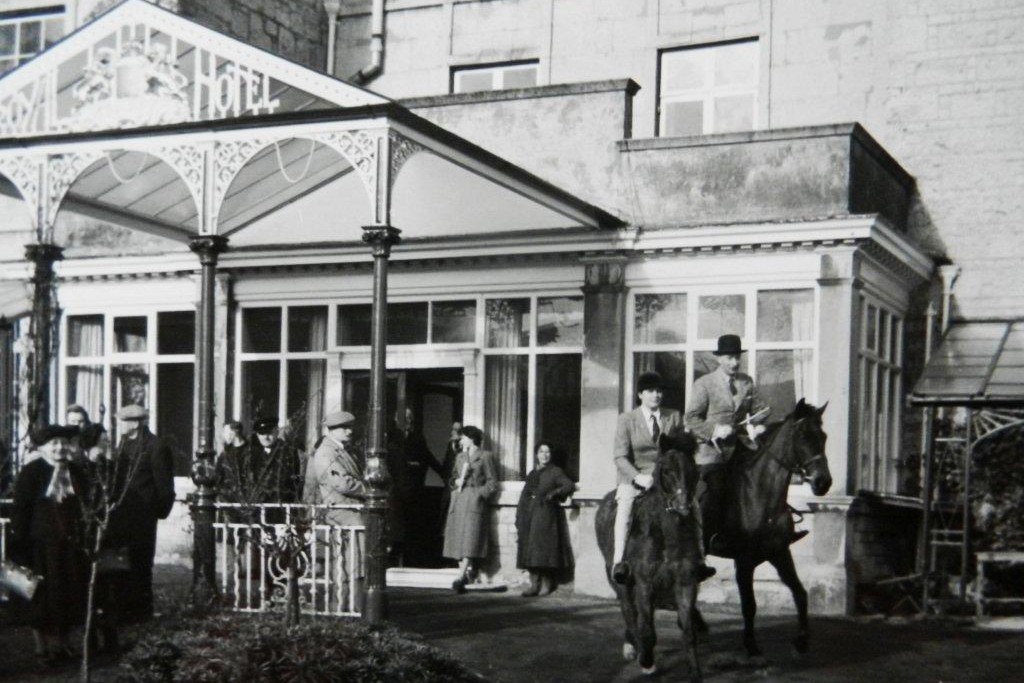
The hotel remained busy through the Edwardian years and into the mid-20th century. Even as traditional seaside tourism declined after the Second World War, the Royal adapted more successfully than many larger rivals by focusing on fine dining and smaller-scale luxury rather than mass tourism.
Its restaurant developed a national reputation, and the hotel achieved the rare distinction of appearing in every Michelin Guide since 1911. It also became the first hotel on the Isle of Wight to receive a 4-star rating.
During the later 20th century, the hotel also became known locally for Julisa’s, its nightclub and entertainment venue which drew Island crowds during Ventnor’s busy holiday years. It was a very different world from Victorian afternoon tea on the terrace, but it showed how the Royal continued adapting while many other grand hotels struggled.
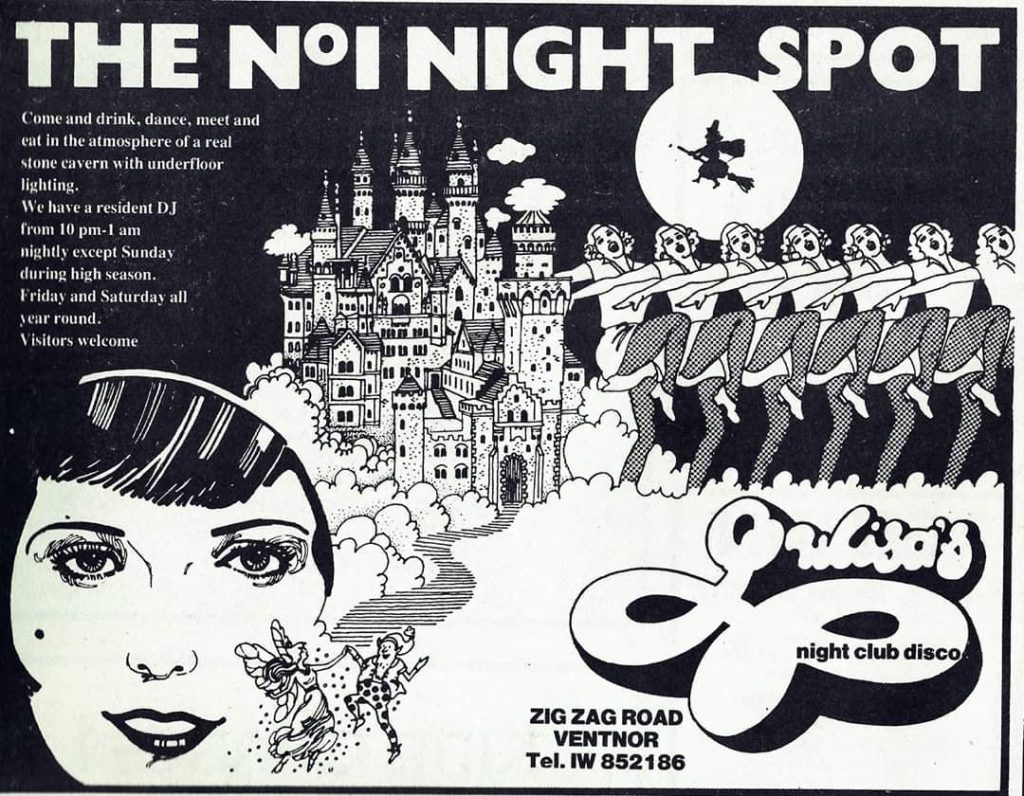
Unlike many of the Island’s grand hotels, the Royal survived the decline of traditional seaside tourism. While the Ocean Hotel became a fire-damaged ruin and Ryde’s Royal York slipped into dereliction, the Royal adapted by focusing on fine dining, smaller-scale luxury and its historic reputation.
The hotel entered a new chapter in late 2024 when it was sold by long-time owner William Bailey, who had operated it since 1994.
Today, the Royal remains one of the Isle of Wight’s best-known surviving historic hotels, still overlooking Ventnor Bay nearly 2 centuries after Fishers Hotel first opened its doors.
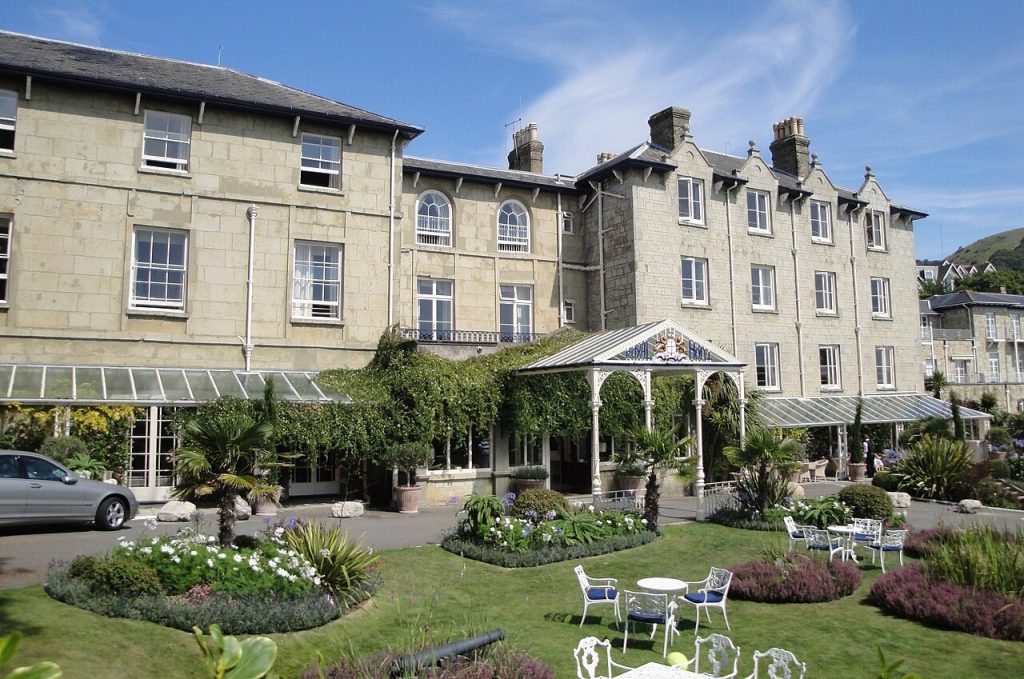
From health resort to high society hotel and from fine dining to Julisa’s nightclub, the Royal has continually reinvented itself while much of the Island’s grand hotel past has disappeared.
Do you remember Julisa’s, afternoon tea at the Royal, or Ventnor during its heyday as one of Britain’s most fashionable seaside resorts?









A beautiful hotel. Great article.