


















































With figures showing 32.4% of Isle of Wight children grow up in poverty, councillors will later this week consider a poverty reduction plan.
The Isle of Wight Council’s Health and Wellbeing Board will decide on Thursday whether to approve the Isle of Wight Poverty Reduction Strategy 2024 – 2029, a scheme to deliver ‘positive action’ on poverty for ‘all Islanders’.
There are 3 main priorities included in the strategy: ‘Targeting support for Island residents experiencing poverty now, Support Island residents to help prevent them falling into poverty and ensure long term support is planned and delivered in partnership.’


The council currently has a support system for Islanders which has included giving £10.65 million in council tax support to Island households, granting £104,327 worth of ‘council tax hardship’ payments and assisting 451 households with rental costs to the tune of £225,339.
Among the proposed measures of the 2024 – 2029 strategy are continuing to ‘support and promote’ welfare payments available to Islanders, working with local services to inform and advise the community on the cost-of-living and ensuring more children receive free school meals.
Other listed actions are mapping currently available resources and services, understanding the need for support and gaps across the Island and targeting assistance where it is most required.
Maximising opportunities for children by improving educational outcomes is another key plank of the strategy.
Ideas for helping young people include attaining pass rates that are higher than the England average and making sure schools have wide-ranging curriculums with vocational opportunities.

Other points raised involve helping Islanders learn new skills, access training and employment opportunities, lead healthier lives and live in more affordable homes.
Finally, the strategy includes working with partners at a national and local level:
“Many drivers of poverty and hardship such as, social security policy, national living wage, local government, social care and health funding, are the responsibility of national government.
“It is unclear what the direction and policy intentions of the new government are and what public funding may look like.
“As partner organisations we can ensure that the voice of Island residents and services are heard and understood nationally.
“Delivering the poverty reduction strategy requires collaborative working between the Island’s voluntary community sector, public sector organisations, with support from town, parish and community councils and the private sector.”





Child poverty should not exist in 2024
Britain.
You’re right, it shouldn’t. But, there’s no universal criteria for defining poverty in children. In most cases, it’s simply defined as children living in ‘relative low-income households’.
So, the 32.4% figure quoted is a catch-all and certainly doesn’t mean that around a third of children are missing meals etc through lack of parent’s income. It just means that they come from a lower income family.
But, just about all families, to a greater or lesser extent, get handed benefits money each month. It really does depend on what that money is being spent on which decides whether a child eats well or not.
Having worked in schools until recent years, and worked with children on a daily basis, it might surprise you to know that there’s hardly a child who doesn’t have their own mobile phone and/or Playstation console at home. Children talk and tell you things, and you find out that even kids from low income families are watching Netflix etc in the evenings even though their parents are claiming for free school meals.
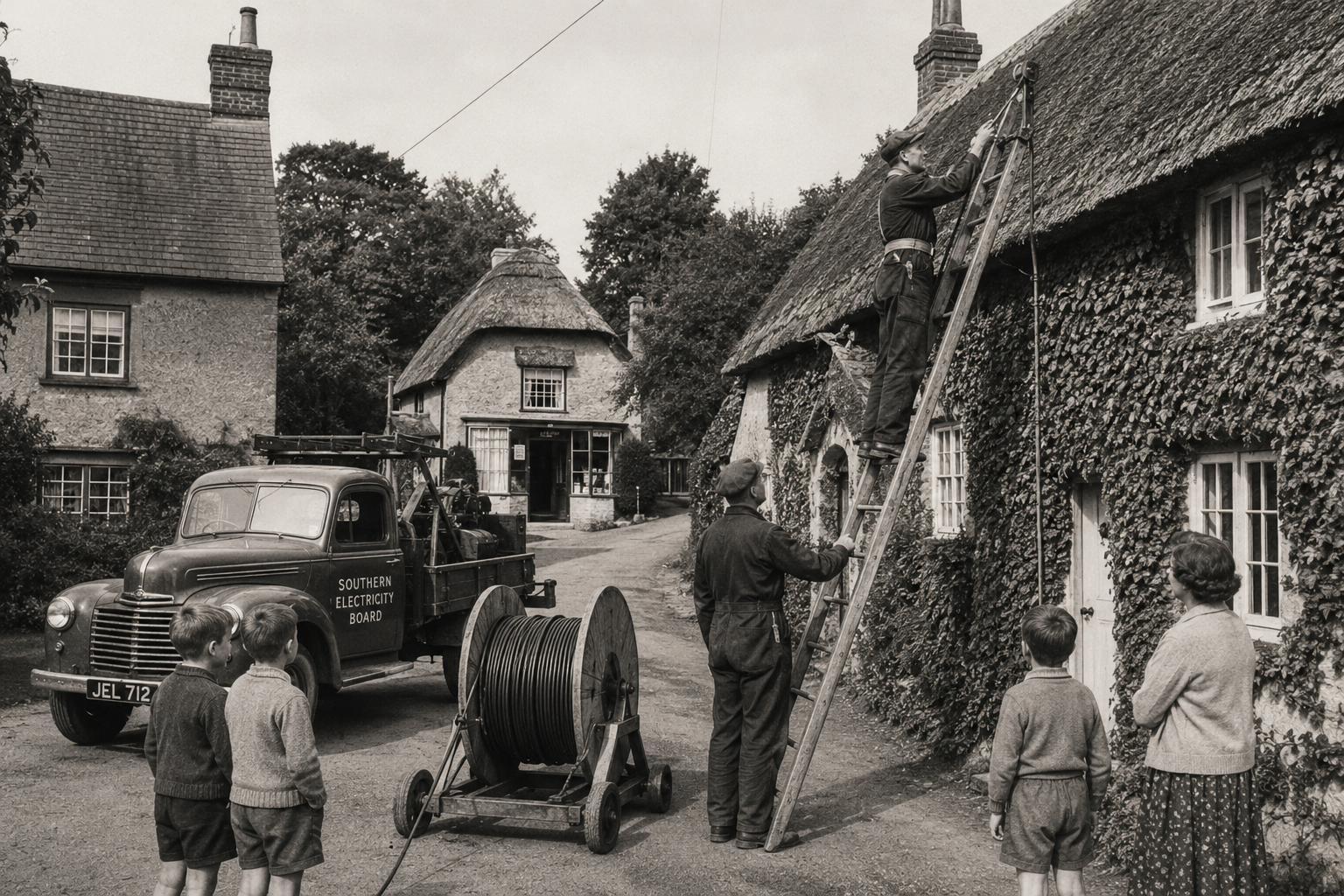
In general, figures telling us that around a third of kids are living in poverty is simply nonsense and depends entirely on where you draw the line in the sand. Take a look at the old newsreels and photos of pre-war Britain and you’ll truly understand about people living in poverty. By and large, we just don’t have poverty like that anymore, thank goodness.
Plenty of homeless islanders,but immigrants are housed here,hang your heads in shame iow council,islanders first!