





















































Bird flu has been confirmed on the Isle of Wight, the local authority has confirmed this afternoon (Wednesday).
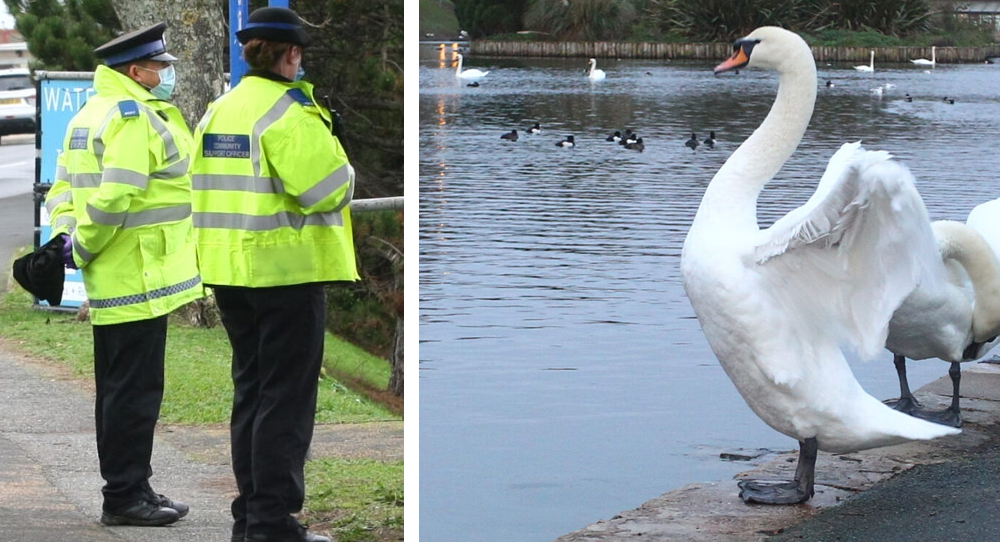
A wild swan found deceased at Ryde Canoe Lake has tested positive for H5N8 avian flu, meaning the influenza has now reached the Island.
Avian influenza can be deadly to birds but has little direct impact on humans. Public Health England advises that the risk to public health is very low, and the Food Standards Agency has said that on the basis of the current scientific evidence, avian influenzas pose a very low food safety risk for UK consumers.


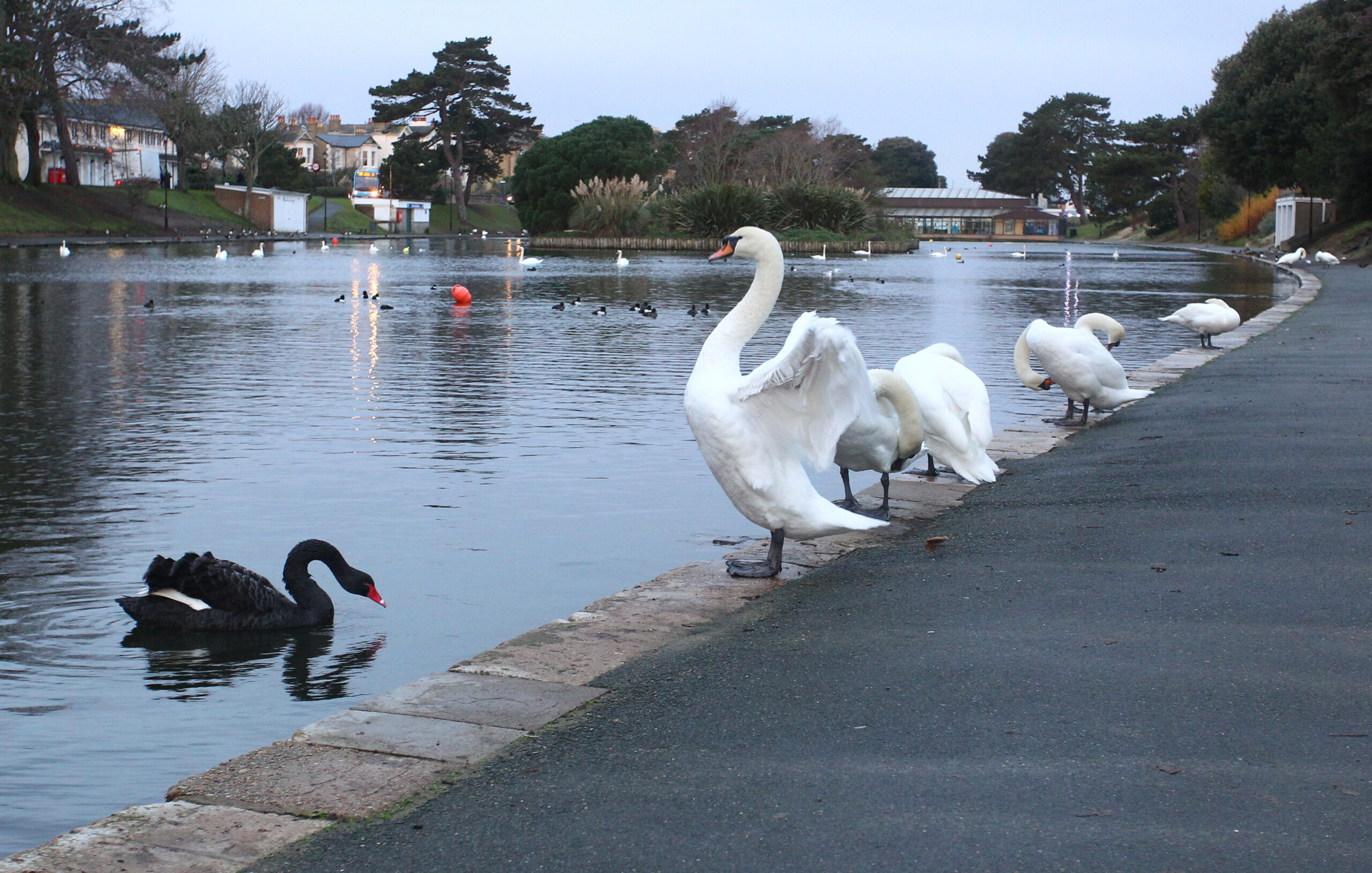
As previously reported by Island Echo, 7 swans have been found dead at the canoe lake over the past 2 weeks – 4 in the past 2 days alone. Each reported death has been investigated by the council but in only 1 case was the dead bird still present. That bird was securely stored and reported to DEFRA.
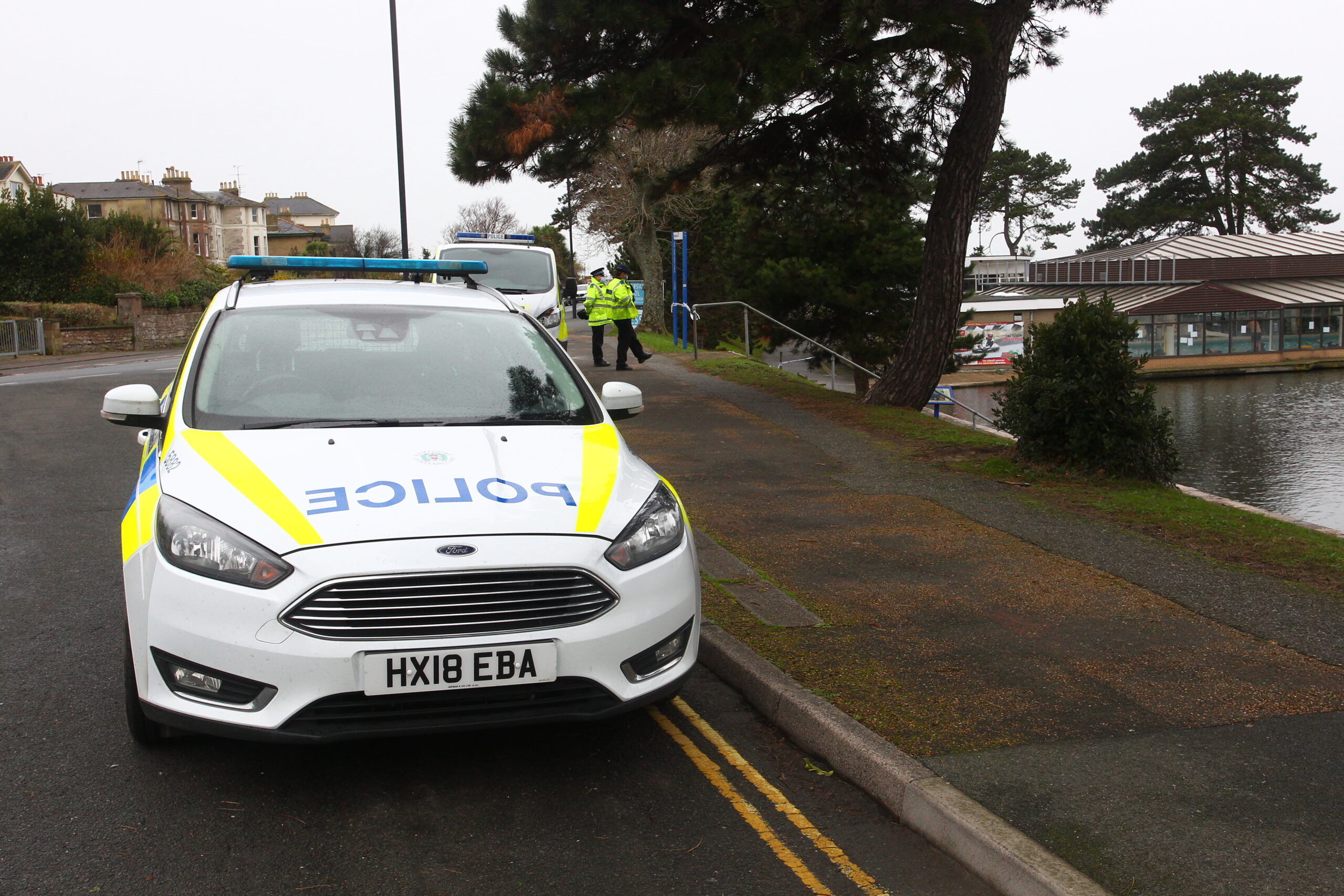
As a precaution, footpaths around Ryde Canoe Lake will now be closed off. Police have implemented a cordon in the area this lunchtime.
Visitors to Ryde Canoe Lake or nearby water bodies are being asked to not attempt to feed the waterfowl at this time, as this may attract them to locations where they could spread infection, especially in areas where domesticated birds might also be about.
A spokesperson for the Animal and Plant Health Agency has told Island Echo:

“We are aware of a number of swan deaths on the Isle of Wight. The deaths are currently under investigation.”
Anyone who finds dead wild birds should report them to the DEFRA helpline on 03459 33 55 77. The Isle of Wight Council strongly recommend that people do not handle dead wild birds at this time, but seek advice from DEFRA, or if the bird is on council land, report to the Isle of Wight Council on 01983 821000 or via https://www.iow.gov.uk/Residents/Environment-Planning-and-Waste/Waste-and-Recycling/Hazardous-Waste-and-Emergencies/Tasks.
Routine precautions should be followed:
• Do not pick up or touch sick, dying or dead poultry or wild birds
• Avoid contact with surfaces contaminated with bird faeces
• Avoid untreated bird feathers (such as those found in the environment) and other bird waste
• Maintain good personal hygiene with regular hand washing with soap and use of alcohol based hand rubs.
From the 14th of December, it has been a legal requirement for all bird keepers to keep their birds housed or netted to prevent wild birds having access. Poultry and captive bird keepers are advised to be vigilant for any signs of disease in their birds and any wild birds, and seek prompt advice from their vet if they have any concerns. They can help prevent avian flu by maintaining good biosecurity on their premises, including:
• housing or netting all poultry and captive birds
• cleansing and disinfecting clothing, footwear, equipment and vehicles before and after contact with poultry and captive birds – if practical, use disposable protective clothing
• reducing the movement of people, vehicles or equipment to and from areas where poultry and captive birds are kept, to minimise contamination from manure, slurry and other products, and • using effective vermin control
• thoroughly cleaning and disinfecting housing at the end of a production cycle
• keeping fresh disinfectant at the right concentration at all points where people should use it, such as farm entrances and before entering poultry and captive bird housing or enclosures
minimising direct and indirect contact between poultry and captive birds and wild birds, including making sure all feed and water is not accessible to wild birds
Current information on the Avian Influenza situation can be found at https://www.gov.uk/government/news/avian-influenza-bird-flu-national-prevention-zone-declared.
Biosecurity guidance can be found at https://www.gov.uk/guidance/avian-influenza-bird-flu#biosecurity-advice.
A list of Defra Approved Disinfectants and how to use them can be found at https://www.gov.uk/guidance/defra-approved-disinfectant-when-and-how-to-use-it.









so, have all the other swans been told to stay out of the water and maintain social distancing. Are they required to wear face coverings and go and spend six months sitting on the nest and no flying, unless for food.
Seems people don’t like hearing the truth looking at your dislikes haha
yep lol – i guess that out of a global population of about 1.5 million swans, with seven dead, we better quarantine them all, clip their wings so they cant fly. Obviously the miniscule amount of old swans that are primarily affected must be protected, which means all the thousands of young swans must suffer social distancing, masks and have their flying freedoms curtailed.
The reason you don’t like the restrictions is that you can’t go to the pub to spend your dole money.
tom – I couldn’t claim benefits even if I wanted to and I do not like the pub environment either
Shop’s fast running low on pasta and toilet rolls apparently there flying out the door
WHY are they not killing all the birds on the canoe lake I thought it was compulsory to do this.
Lovely photo of the Black Swan.
Hope She/He survives and thrives.
I got pecked by one of those bloody things just two weeks ago, they look graceful on the water, but on land,…. I merely ran away.
Obviously not fast enough.
I guess the government have sent the birds to silence the great Mr David Icke.