































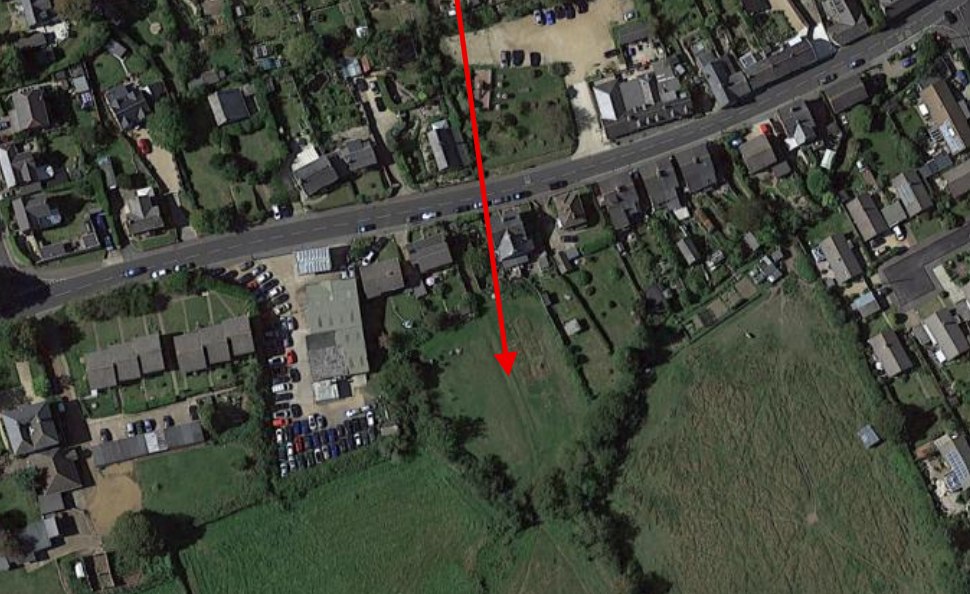





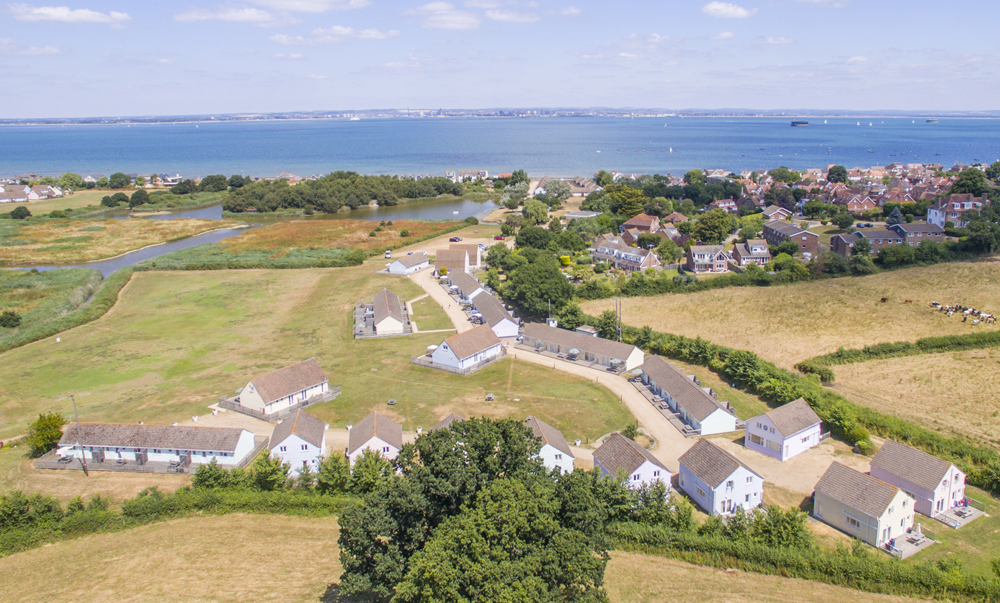
























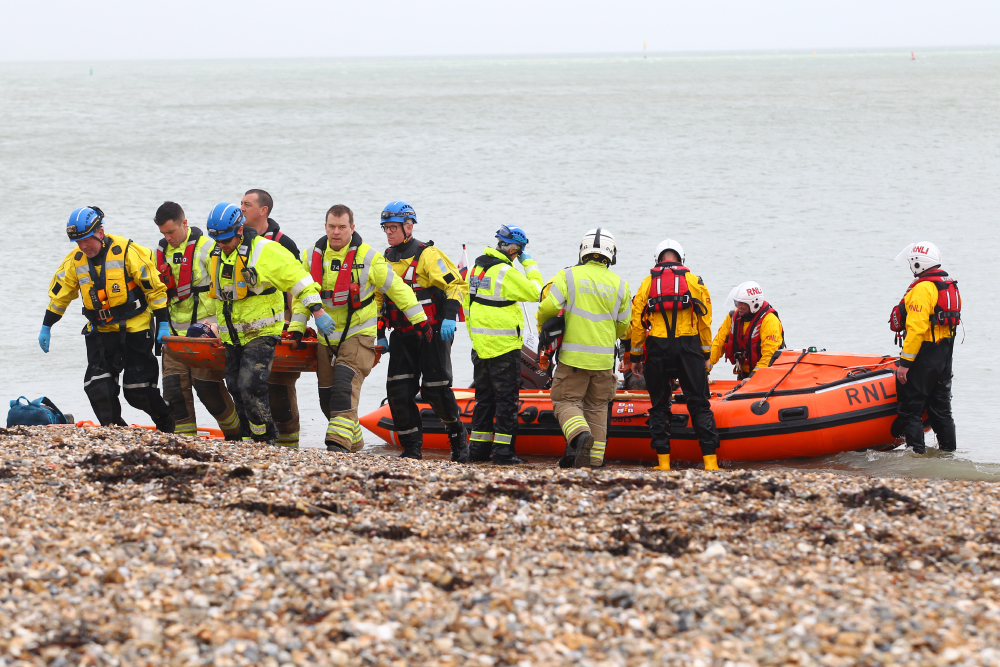
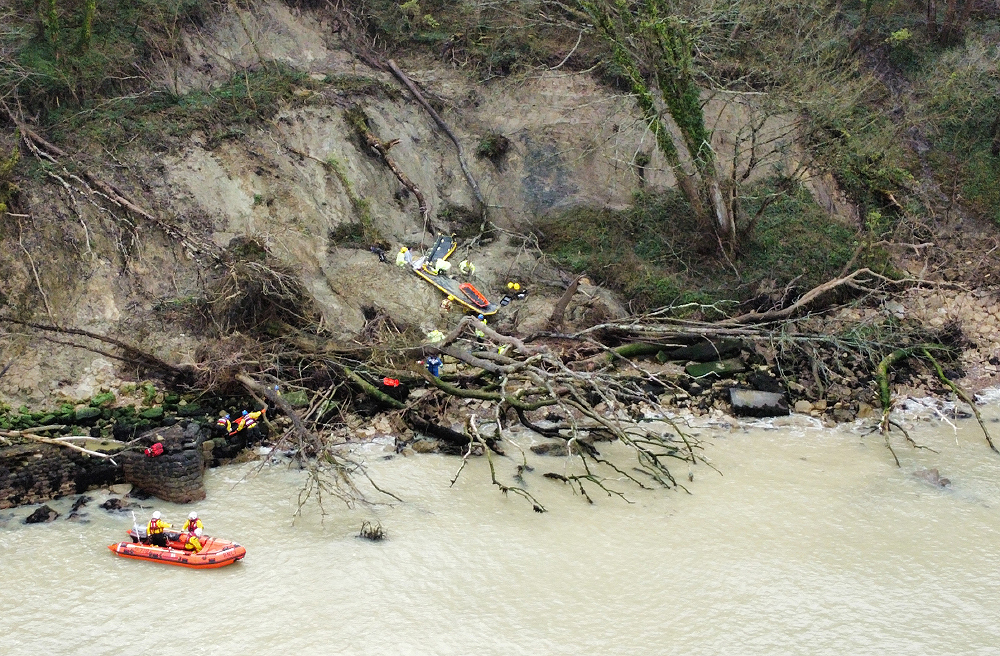
 Hampshire & Isle of Wight Fire and Rescue Service is urging members of the public to take extra care when exploring the coastline following a spate of mud rescues in the month of March. Firefighters are often called to support HM Coastguard and RNLI partners in rescuing those who have become stuck in mud at the coast or near rivers. This couldn’t be more true than in recent weeks, with 6 separate mud rescues undertaken so far this month. In the space of just 3 days, 4 teenage casualties were rescued in 2 separate incidents at Thorness near Cowes on 3rd March and again on 6th March. Then, on 8th March, a man found himself stuck in the mud in a remote spot near Blackgang, which prompted a significant emergency response to Niton Undercliff. Thankfully, he was able to free himself prior to the arrival of rescue teams. A week later, on 15th March, a pair of ramblers had to be rescued from a sticky situation at Nodes Point near St Helens when they got caught out by a muddy landslide. This same area saw 3 other mud rescues in 2023.
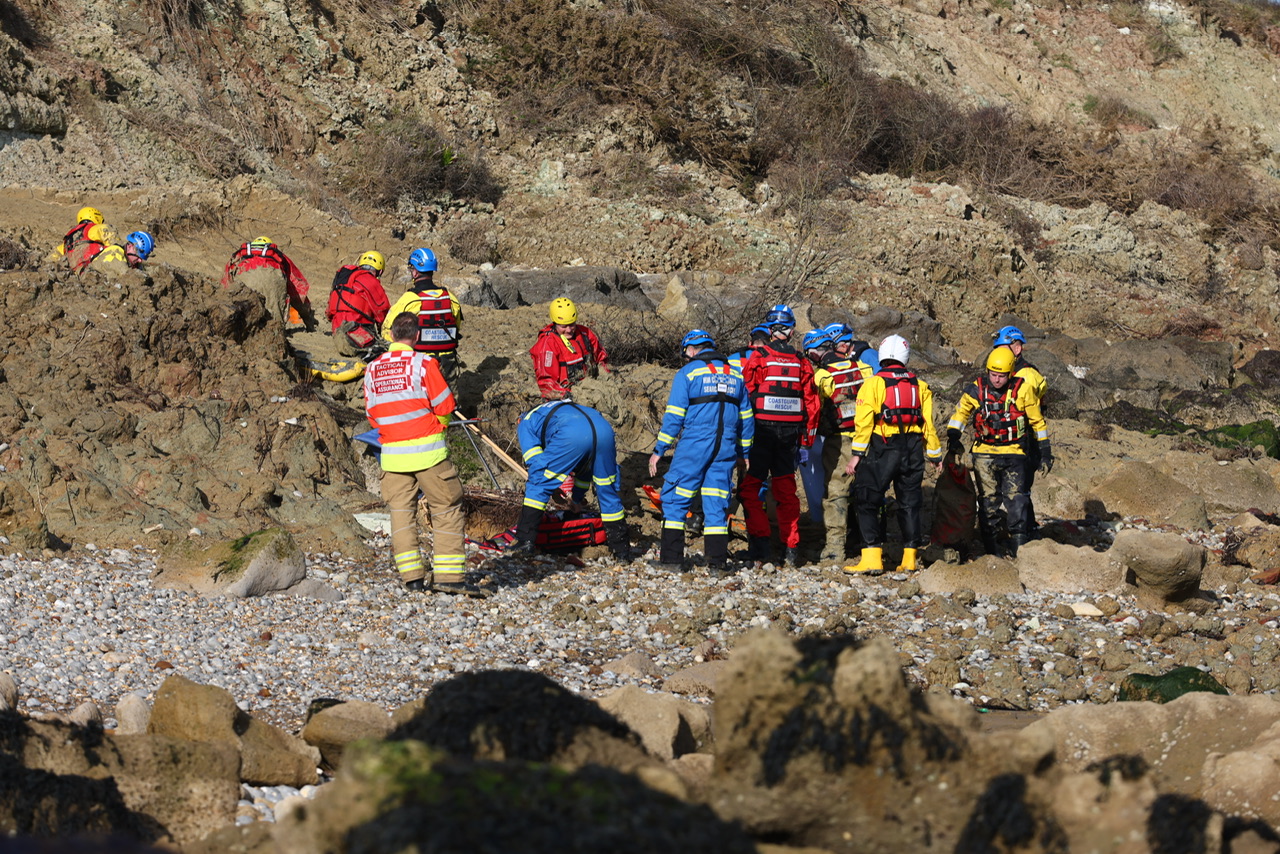
  On Sunday, a woman and her dog had to be rescued from the base of a cliff at Whitecliff Bay in Bembridge when she found herself stuck up to her waist. Less, than 5 hours later, another woman and her dog were rescued from exactly the same spot. Ant Westbrook, Station Manager for Hampshire & Isle of Wight Fire and Rescue Service, has said:
“We have some lovely coastal and beach walks in Hampshire and the Isle of Wight and want people to be able to enjoy these safely. “Following the recent rescues on the Isle of Wight at the weekend we would highlight the need for people to be cautious when exploring our coastline. The ground is extremely muddy in places and it can be difficult to judge how stable the surface is or just how deep the mud is. “We urge people to take extra care while enjoying our coastline, to stick to the paths, follow any local warnings and ensure you have a mobile phone with you.”
 Andrew Woodford, Senior Coastal Operations Officer for HM Coastguard, adds:


“Getting stuck in the mud is an awful situation to be in and there are ways it can be avoided – check the weather, stick to the paths, check the tide times and always look at local safety signage. “We are always ready to respond to incidents but it is just as important to be prepared in the first place.”
Top tips for staying safe around the Island’s coast:
Before you venture out, make sure that you are aware of how to stay safe:
- Always follow local warning signs
- Don’t go out alone into unknown areas
- Be aware of tide times and currents
- Take a mobile phone with you
- Stay on footpaths and keep dogs under control
- If you come across someone stuck in mud – call 999 – don’t enter the mud to help them
If you do find yourself in danger:
- Try to stay calm and avoid movement
- Spread your weight to stand evenly
- Call loudly to attract attention
- Call 999
- And discourage others from attempting to rescue you











Good. But ARE there local warning signs? Did they go up when the land slipped and the trees fell over, effectively cutting off the beach? Asking for a very muddy friend…
Or, use common sense and stay away from areas of erosion and landslides.
Leftist trash like you would still complain if signs were shown, unless they were in umpteen foreign languages, braille and placed every few yards.
Yet also FIRST to complain when council tax rises to pay for all your wants.
Get yourself down there and use some of your spare time to make and place your own signs IF you’re oh so concerned.
Oh, you have one then? Are you sure it is not just skin deep?
Why is the Isle Wight council so reluctant to put Blue Slipper mud warnings on affected beaches