






















































The fragility of the Southern Water network on the Isle of Wight is at ‘unprecedented and unsustainable levels’ according to a report by Island Roads.
The report describes the current condition of the infrastructure that delivers both clean and wastewater around the Island as ‘fragile’ and is now at the point where damage has been caused to the highways network.
On top of the damaging claims, the report outlines several other key details of the current situation. The fact that there are apparently issues with the water supply network will most likely come as no surprise to Islanders – with many roads often dug up to facilitate repairs more than once and burst mains causing supply issues to properties.


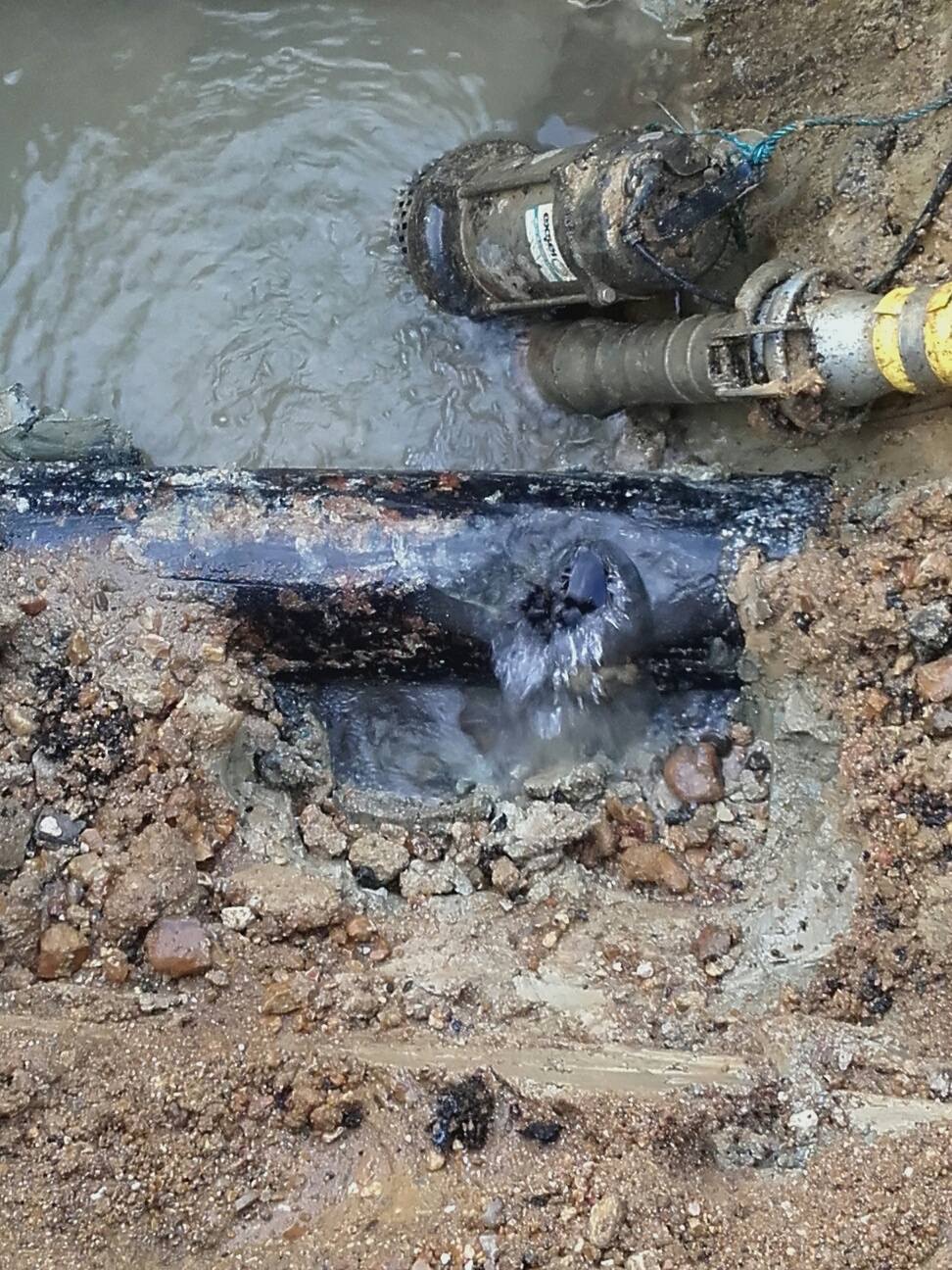
Just last week, residents in large areas of Cowes, Whippingham, Gurnard, and East Cowes were left without water due to a broken supply main. In May and June, the entirety of East Cowes was in gridlock for several days as the company fixed a burst main in Clarence Road.
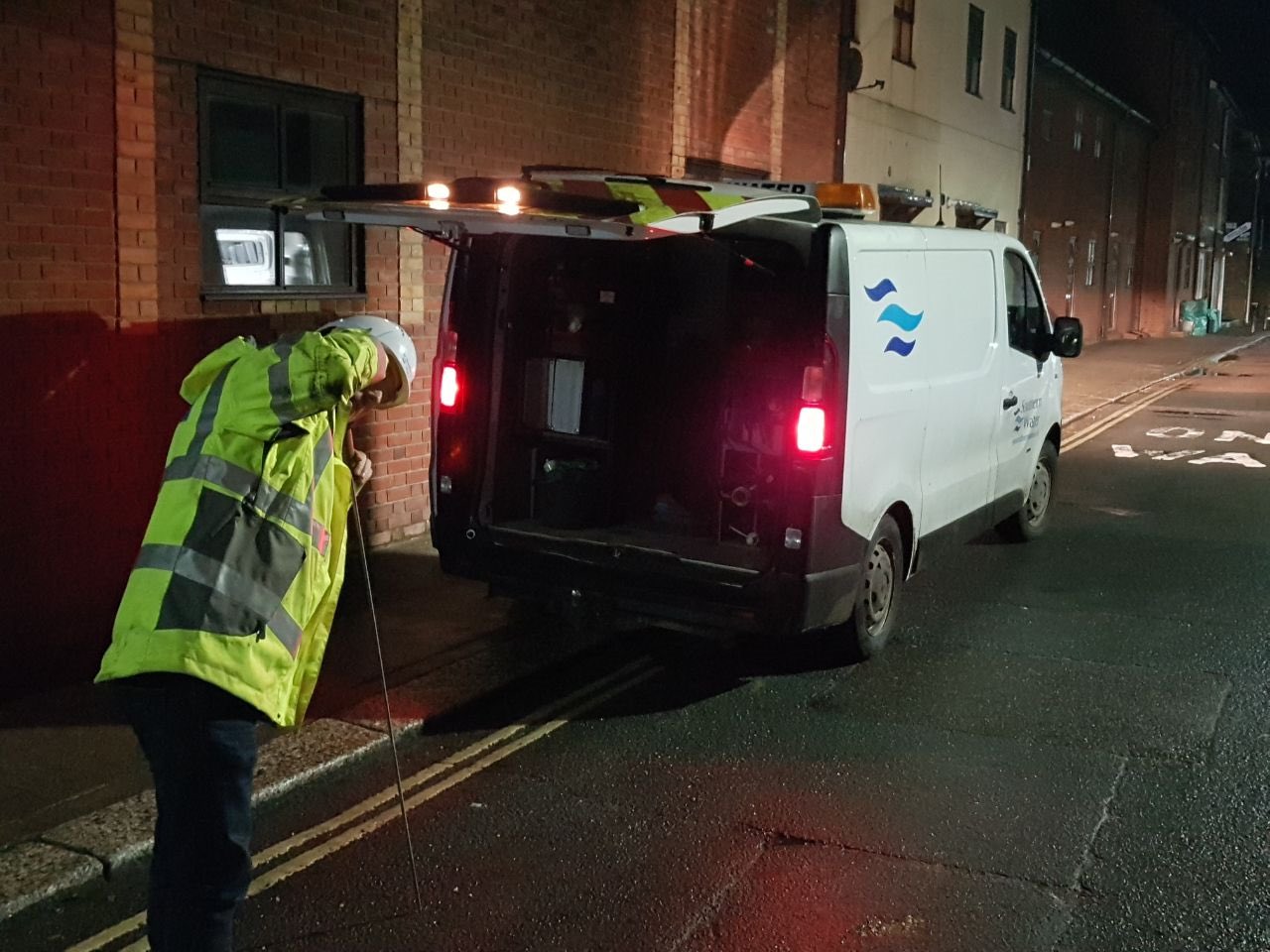
According to the Island Roads report, written in August, there have been a large number of roads with leaking water supply equipment that have required more than one visit by Southern Water contractors. Carter Avenue in Shanklin, for example, has been visited by contractors 27 times in 3 years to fix leaks, with Carisbrooke Road in Newport now tallying 18.
The number of burst mains that have required intervention on several Island roads is also staggering, with Sandown’s Newport Road experiencing 7 bursts in 3-years, and Parkhurst Road, Newport, racking up 7.
On top of the obvious damage sustained to the road surfaces and the ground underneath both by leaks and the remedial works to repair them, significant disruption is caused to motorists each time a main road is dug up.
Main roads have also experienced multiple contractor visits, with Forest Road, Newport, having 7 in the past 3-years, and Staplers Road, Newport, with 4.

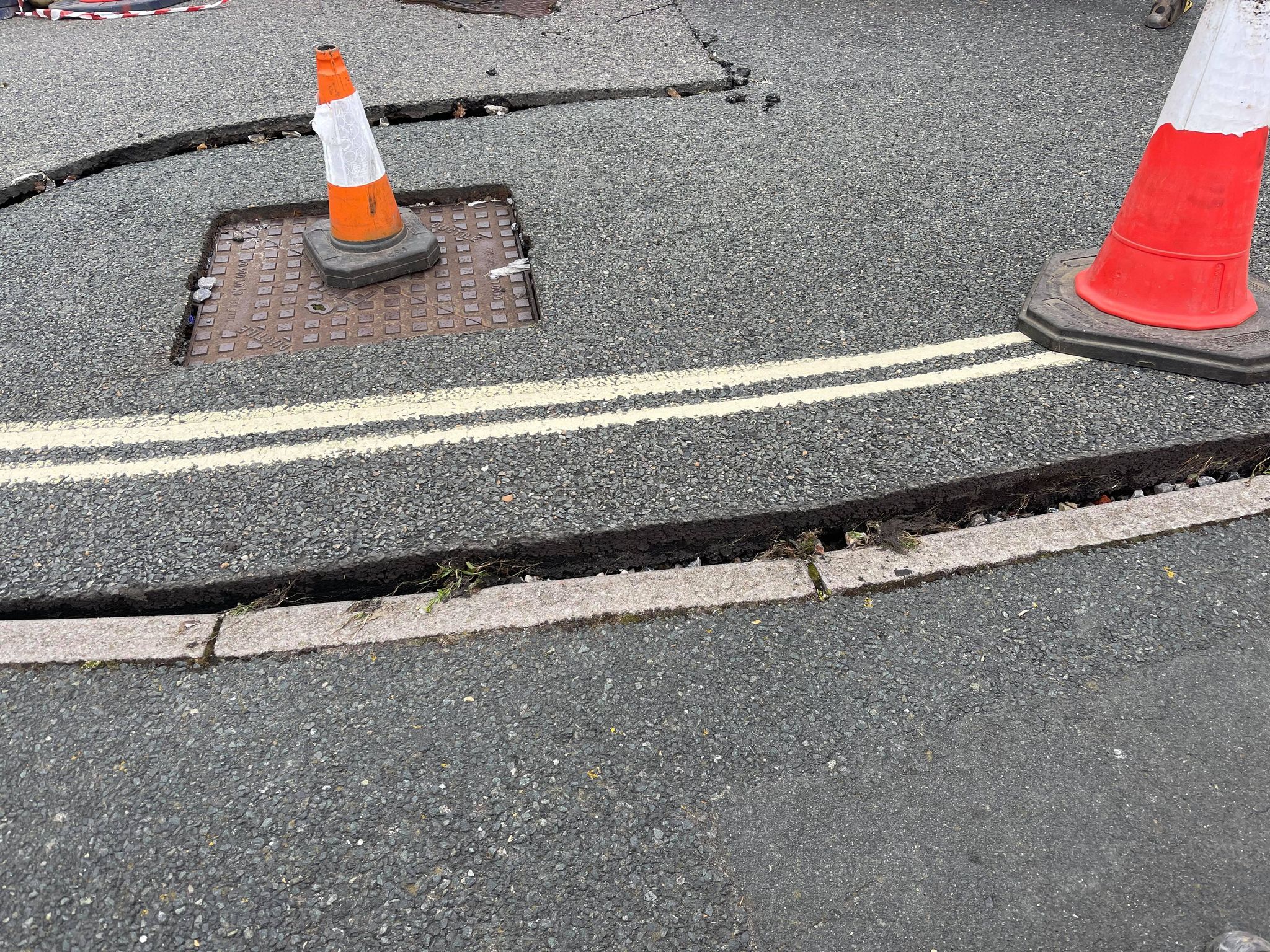
As well as the intense disruption caused to those using the roads, the Island Roads report claims that delays to pre-planned works and ‘measurable damage to both existing and newly treated sections of footway or carriageway’ have been caused. On the flip side, it says that the number of main replacement works has fallen to the lowest level recorded with no scheme of work to replace ageing infrastructure evidenced.
In previous months, significant damage has been sustained to a number of roads due to failings in Southern Water’s wastewater management system – with roads such as Hope Hill in Shanklin and Shore Hill, Ventnor seeing cracks appear in the surface as deluges of water rushed through them.
Elsewhere in the report, the PFI contractor suggests that claims submitted to Southern Water for costs related to damage caused by their infrastructure have been ignored and that the number of Section 81 notices – which are utilised should infrastructure become dangerous to the safety of highway users – has reached a very high level.
In response to the report, Southern Water has issued the following statement, drawing attention to the use of heavy machinery above water infrastructure by road upgrade teams.
A Southern Water spokesperson said:
“Southern Water invests heavily to replace and maintain its assets including water network on the Isle of Wight where we supply up to 42 million litres of water a day. Our rolling programme of mains replacements targets areas most in need such as the recent £400,000 Staplers Road, Newport replacement scheme, replacement of the Cowes to Newport water main and works to replace mains in the Ashley Road area of Ryde.
“To continually improve our service to customers, between 2020 and 2025 we are spending £31,400,000 on the water supply system on the Island including an £11 million refurbishment of the Sandown supply works and £7.7 million on networks around Cowes, Newport and Brading.
“Pipes can burst for a variety of reasons – increasingly heavy traffic and of course the use of heavy machinery as roads are upgraded can both play a part. We act quickly when a burst does occur to restore service to customers as soon as possible and ensure the road is reinstated after repairs are complete.
“We have just commenced the rollout of a new technological approach to preventing bursts with the installation of ‘internet of things’ acoustic loggers across the network and the Island will benefit from this £135 million programme.
“These devices detect the tell-tale hiss of a leak so we can act before the pipe fails completely ensuring uninterrupted service for customers and cutting the amount of water wasted via leaks. We recognise that the highway improvements can be disruptive to our water mains which is why it is so important that we work together to minimise inconvenience to people.
“We assess all claims on the evidence provided and respond appropriately.”










When you have sewerage leaking onto Colwell common when it rains heavily along with the pumping sewerage directly into the Solent on these occasions, it beggars belief that the council are proposing the massive proposed developments (on green belt land) in Freshwater.
Whilst I see both sides of this issue, I have to ask why Southern Water are not involved in the planning stages of new developments? We ALL know that our infrastructure is at the end of its useful life so WHY are SW not objecting to planned increases in housing that they know cannot be serviced by their infrastructure unless work is done all the way down the system. I know they are guaranteed to cover all costs by simply sticking our bill a bit higher, but why do developers not get to pay the costs for ALL services from start to finish, not just in and out of the building site, and WE pay for improvements down the line caused by overload!