






























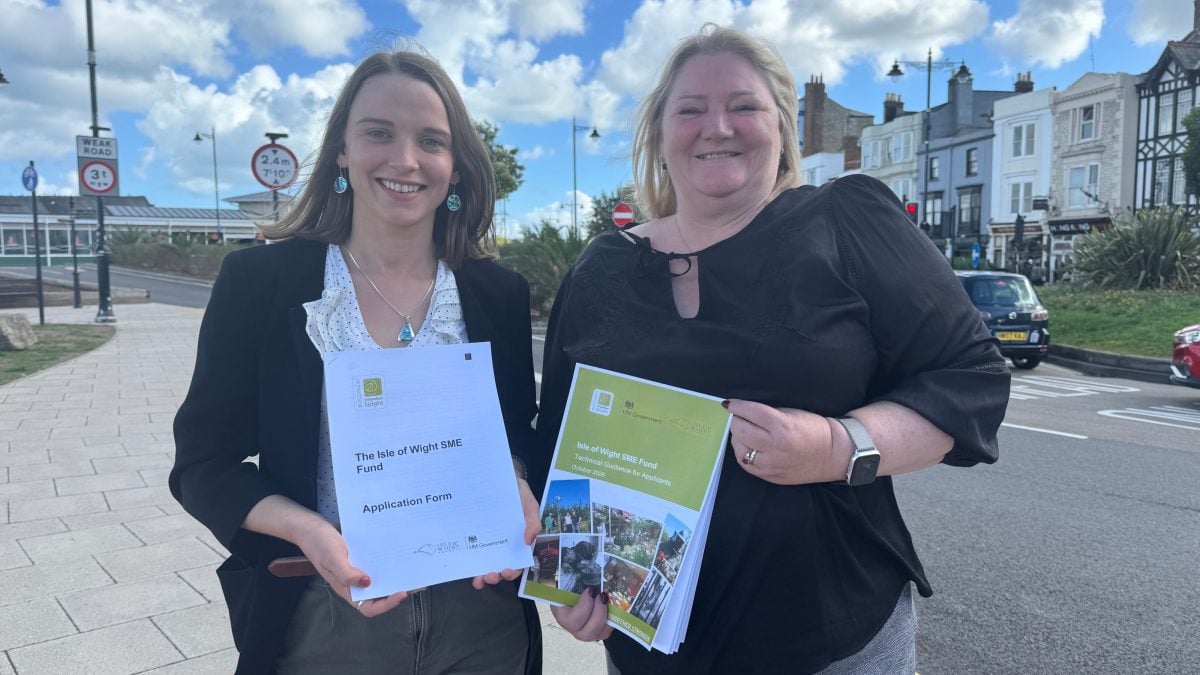































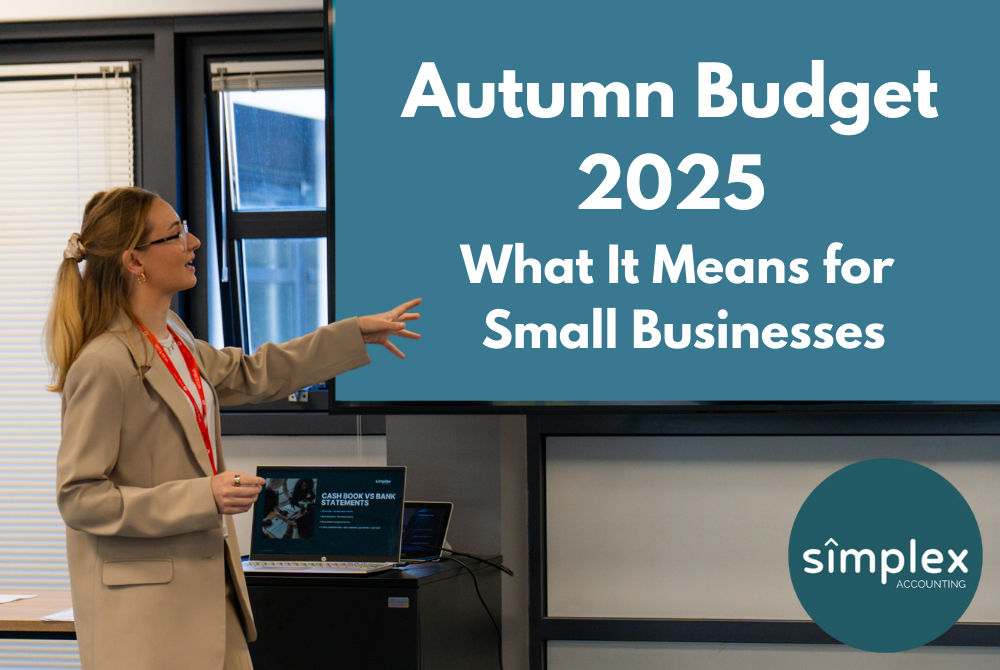

Lucy Johnson from Isle of Wight-based Simplex Accounting has shared expert insight into how this week’s Budget could affect local businesses, warning that gradual tax changes may quietly increase pressure on small business owners.
Speaking to Island Echo, Lucy has said that this Budget feels more like a gradual squeeze than a headline shock.
She says that most changes are phased in over the next few years, which gives you time to adapt. But freezing thresholds and rising taxes on dividends and other income will quietly increase the tax load for a lot of small business owners, so planning well matters more than ever.


Here’s a simple breakdown of the key points, plus what they really mean for you…
The key changes
1) Income tax thresholds frozen until 2030/31
Even without a tax rate rise, many people will pay more tax over time as their income grows. More of your profit or salary may gradually move into higher tax bands because the thresholds are staying put.
This is one of the main reasons the Budget feels like a slow squeeze. It won’t hit all at once, but it will add up, so it’s worth planning now rather than reacting later.
2) Dividend tax rising from April 2026
Dividend tax rates are increasing by 2 percentage points from April 2026. If you take money from your limited company through dividends, your take-home pay may reduce slightly from next April.
We can review your balance of salary, dividends, and pension to keep things as efficient as possible, especially before these changes land.

3) Higher tax on non salary income from April 2026
This includes dividends, savings interest, and property income. If you rely on any of these, your personal tax bill could be a bit higher next year.
Again, nothing dramatic overnight, but another gradual upward pull on your overall tax position.
4) Salary sacrifice pension NI relief capped from April 2029
From April 2029, only the first £2,000 per year of salary sacrifice pension contributions will stay free of National Insurance. Contributions above that will have NI applied.
This affects some director and contractor pension strategies, but there is plenty of time to plan ahead. Just worth knowing early so we can keep you on the front foot.
To be clear, normal pension contributions are not affected. This change only applies to pension contributions made through salary sacrifice.
5) Capital Gains Tax rules and reliefs tightening
If you are thinking about selling your business or restructuring in the next few years, the tax side is becoming more complex. Early planning will make a real difference here.
This is one of those areas where acting early gives you far more options.
6) New high value property charge from April 2028
A yearly charge will apply to homes worth over £2m. This only affects you if you own, or are planning to buy, higher value residential property.
Not relevant to everyone, but if it is relevant to you, long term planning matters.
7) Minimum wage increasing from April 2026
From 6th April 2026, the minimum wage rates are rising again:
- National Living Wage (21 and over): £12.71 per hour
- 18 to 20 year old rate: £10.85 per hour
- Under 18s and apprentices: £8.00 per hour
This is a positive move for staff, and employers who build it into forecasts early should be able to stay ahead of the curve. If you employ team members paid near these levels, it’s worth budgeting now for higher payroll costs next year.
8) Electric vehicle taxes coming from 2028
EVs will move to a pay per mile road charge in future years. If you are switching company cars or vans to electric, we should factor that into long term running costs.
This is more of a future cost consideration than an immediate change, but still worth having on your radar.
View this post on Instagram
A sensible next step
You do not need to action everything here today. But this is a good time to:
- review how you pay yourself
- plan for wage rises if you have staff
- talk early if you are considering a sale or big business changes
- check long term costs before investing in property or EVs
The main takeaway is that there are no dramatic overnight shocks in this Budget. Instead, the impact builds slowly through frozen thresholds and higher taxes on investment and dividend income. The phased approach gives businesses time to respond, but it also means the people who plan early will have more choices than those who wait until the changes land.












Straight to the point.
Workers are being shafted and those on benefits
are better off as usual.
Obviously the Labour vote is safe by dishing
out benefits to keep their votes.
I can still afford to eat out twice a week and cop Versace.
Not my problem