




















































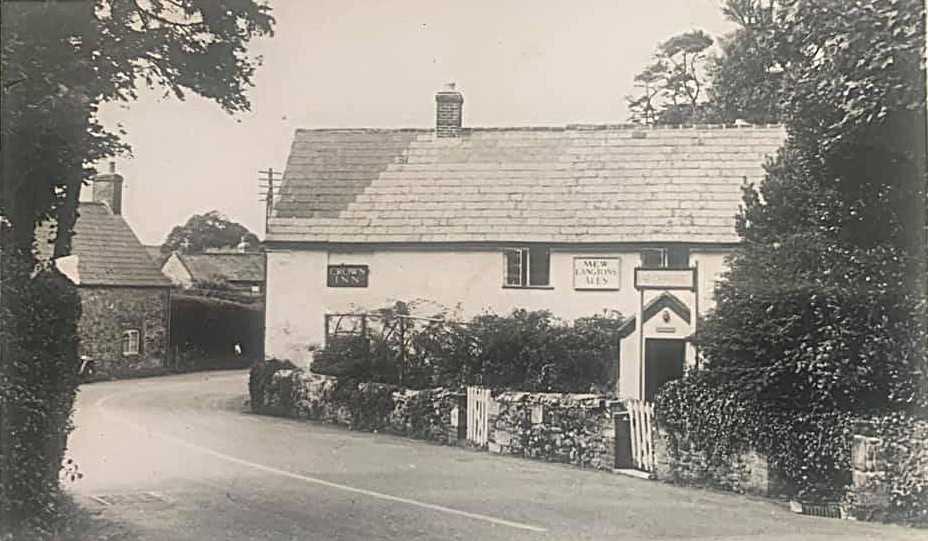

In the sleepy, rural West Wight village of Shorwell, 2 public houses once anchored village life: The Crown Inn and The Five Bells.
One still trades. The other closed at the end of World War I and survives only in photographs, court reports and village memory.
The Crown Inn: The pub with the card-hating ghost
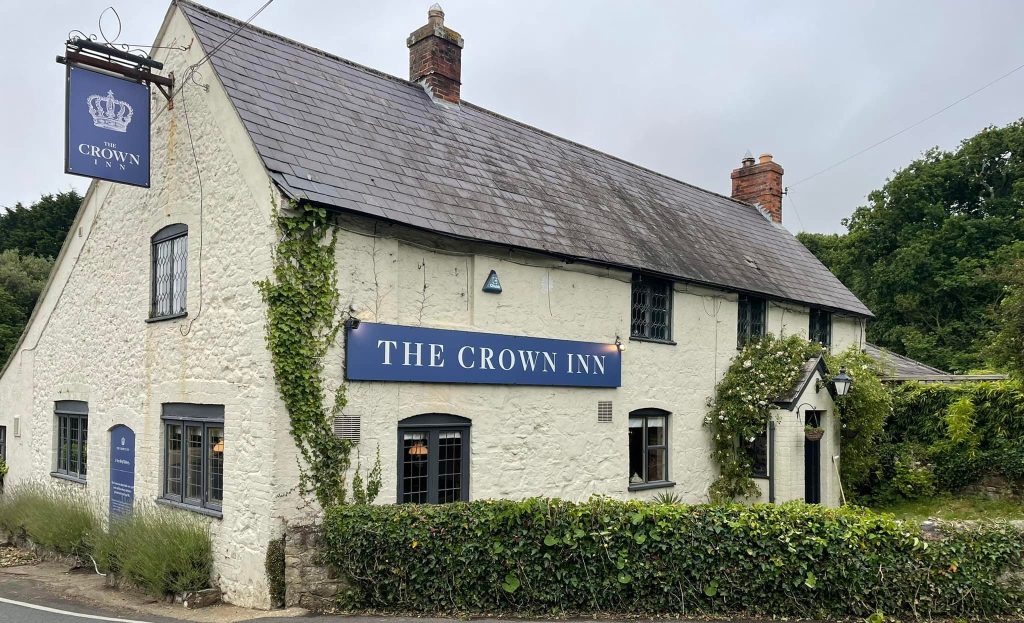


A working village pub beside the stream, still doing the job it was built for…
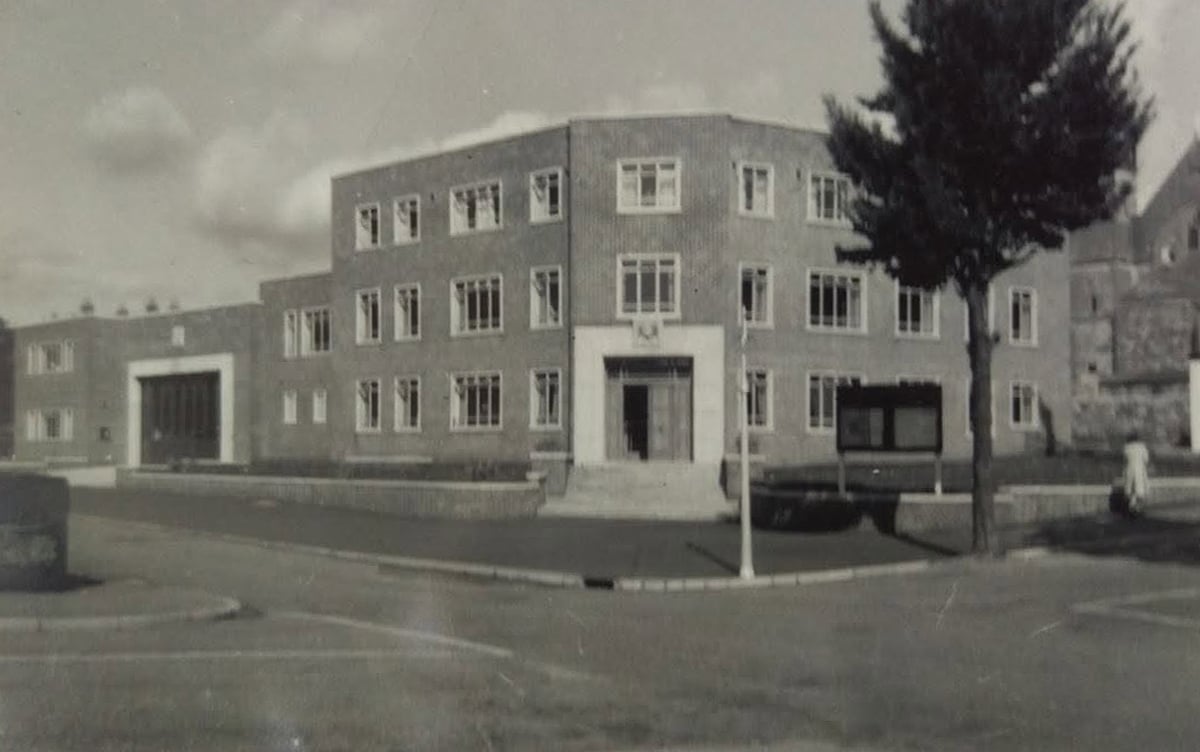
The Crown Inn dates from the late 18th or early 19th century and remains Shorwell’s only working public house. It is Grade II listed and still gives the impression of being a village inn rather than a themed reinvention.
Inside, early 19th-century matchboard panelling survives. Rooms that once served domestic and working purposes have been absorbed into the public space, with a central bar allowing a full walkaround.
A small trout stream runs close by, part of the village landscape long before the pub itself took shape. On quiet days it provides a low background sound that reinforces the Crown’s sense of belonging to its surroundings.
For much of its life, the Crown was tied to Newport’s Mew Langton Brewery. When the brewery closed in 1971, many tied houses struggled. The Crown became a freehouse in the mid-1970s and continued trading. In May 2023, the leasehold was taken on by Liam White and Simon Cant, both previously managers of the pub, ensuring continuity rather than a change of direction.

The Crown is currently run by Liam and his wife Kristine, who got married in their pub 3 years ago.
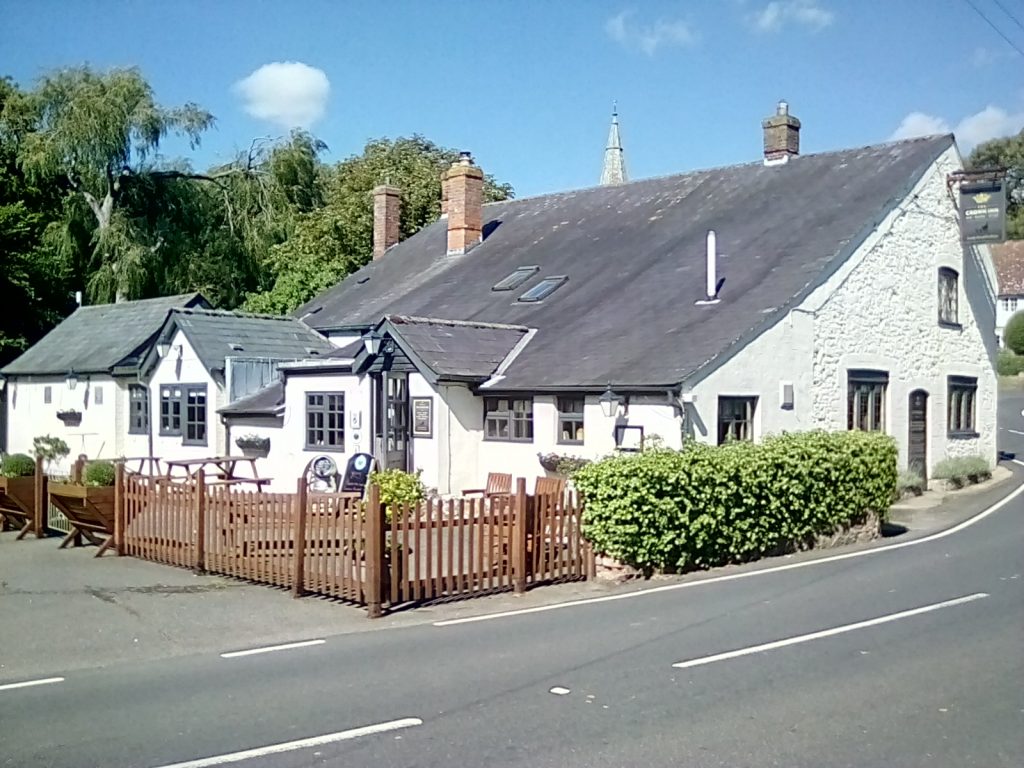
Court reports from the start of the 20th century give brief snapshots of life within the Crown.
In July 1902, William Johnson, described as a tramp of no fixed abode with three previous convictions, was fined five shillings for being drunk on the licensed premises.
In November 1906, Edward Paul, Robert Downer, Percy Wavell and Frederick Riddett were charged with being in the pub during prohibited hours. The landlord, Mr Watson, said they were friends whom he had invited to remain. Watson was described as a coastguardsman with 20 years’ service. The charge was dismissed, although police noted that the doors had been open an hour-and-a-half past closing time.
The Crown is associated with a piece of folklore that has proved stubbornly persistent: the story of a female ghost who strongly objects to card playing.
Whenever cards are brought out, a ghostly presence is said to intervene. Sometimes a door opens without any obvious cause; on other occasions, those present describe a sudden change in the room, sharp enough to make play falter and then stop. The presence is usually described as an older woman, often identified as a former landlady.
The Five Bells: Courtrooms, cupboards and closure
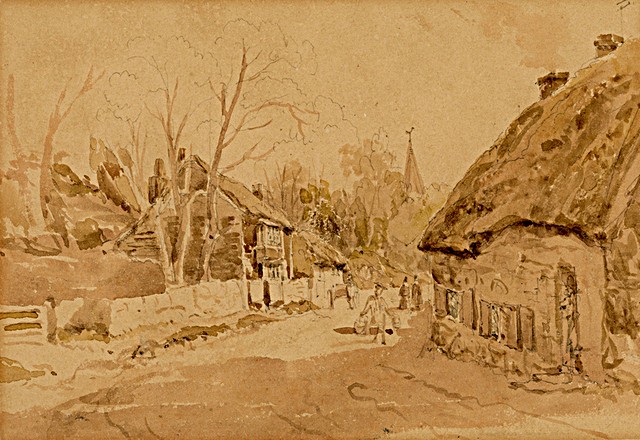
The second village pub that – like many of the village’s young men – did not survive the First World War.
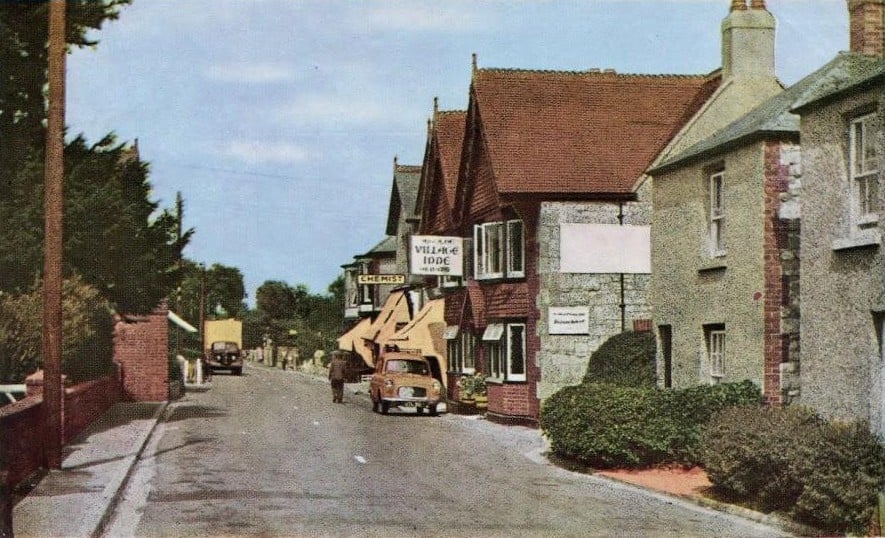
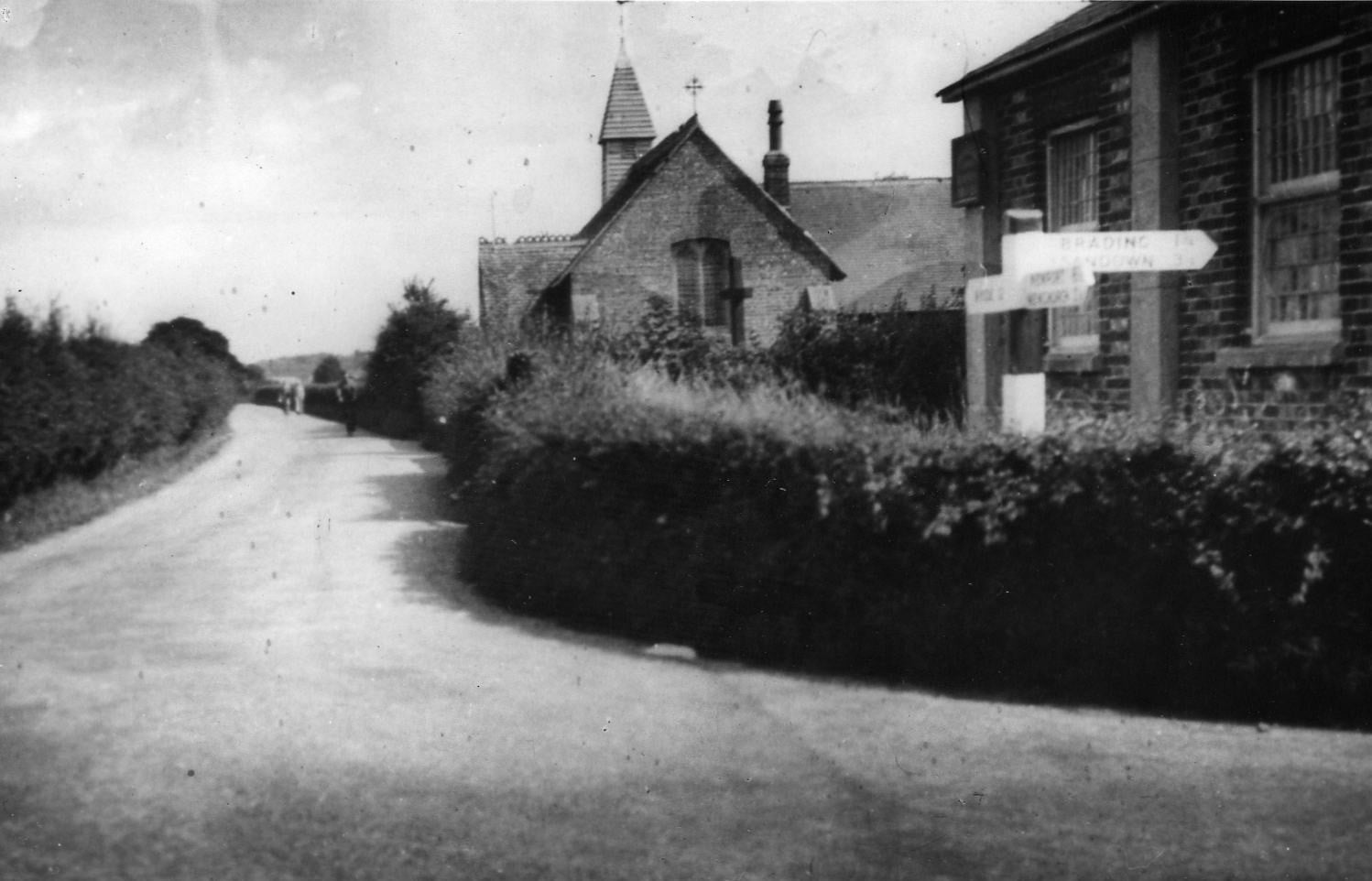
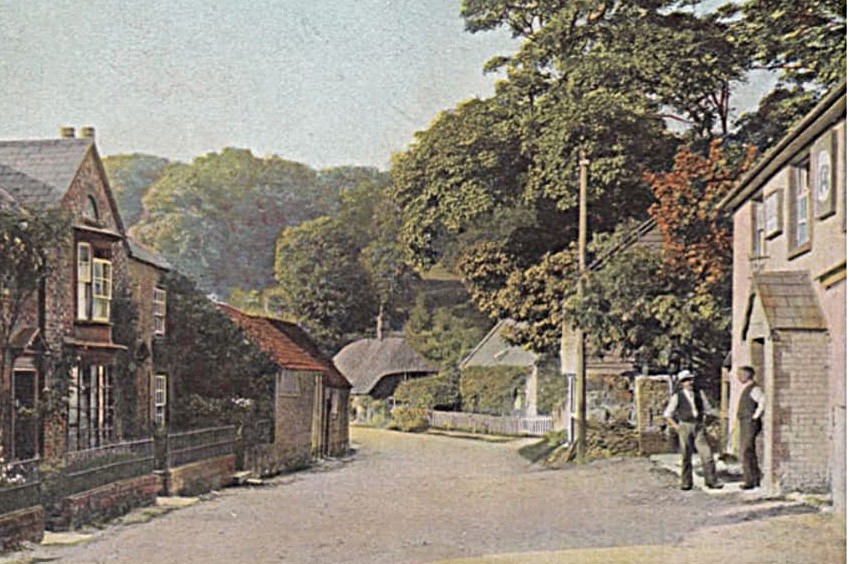
The Five Bells, like many inns, it took its name from the bells of the nearby church. The building later became Five Bells Cottages, but historic photographs show the former pub close to the Shorwell Shute, a steep and deeply rutted road that made it a natural stopping point for travellers and locals.
In a quiet corner of rural West Wight, the Five Bells developed a reputation as something of a den of iniquity. By local standards, it attracted more than its share of official attention in the early years of the previous century.
In January 1902, the former landlord, John Denness, appeared before the courts over a maintenance order for his wife, which was reduced to 5 shillings. It was stated that the couple had 4 children, that Denness had previously been imprisoned for assaulting his wife, and that a legal separation had been granted.
The following month, Rowland Cotton of Atherfield and Henry Jacobs of Shorwell were found guilty of being in licensed premises during prohibited hours at the Five Bells. Police Sergeant Ryall told the court that he had heard breathing upstairs and traced it to a cupboard. The landlady, Mrs Denness, said she could not open it because the key was not in the pub. When the key was eventually produced, the cupboard was opened and both men were found inside.
They claimed to be lodgers. The sergeant’s reply was blunt: “you are pretty fine lodgers to be locked in a cupboard.” Both were fined £2 and described in court as “worthless characters.”
In March 1903 the Five Bells appeared again before the magistrates, this time with its landlord as the defendant. Ernest Epsley was charged with being drunk on licensed premises. Police Constable Stevens reported that Epsley had, “in a beastly drunken state,” turned customers out, closed the doors and put out the lights, using “filthy language.” At 23:00, he was found lying face down in the kitchen. He was fined 10 shillings.
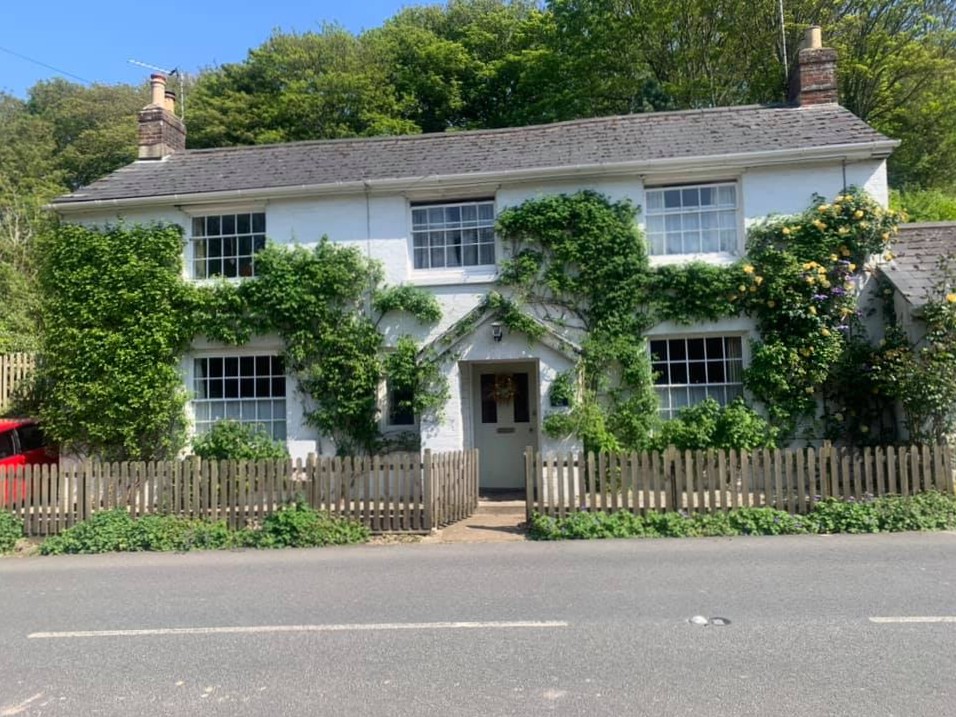
The Five Bells closed at the end of the First World War and never reopened. Shorwell’s two pubs became just one.
Have memories, photographs or family stories connected to Shorwell’s pubs? Let us know in the comments.










Great story.
The Crown is one of my favourite pubs on the island,
great food and gorgeous location.