











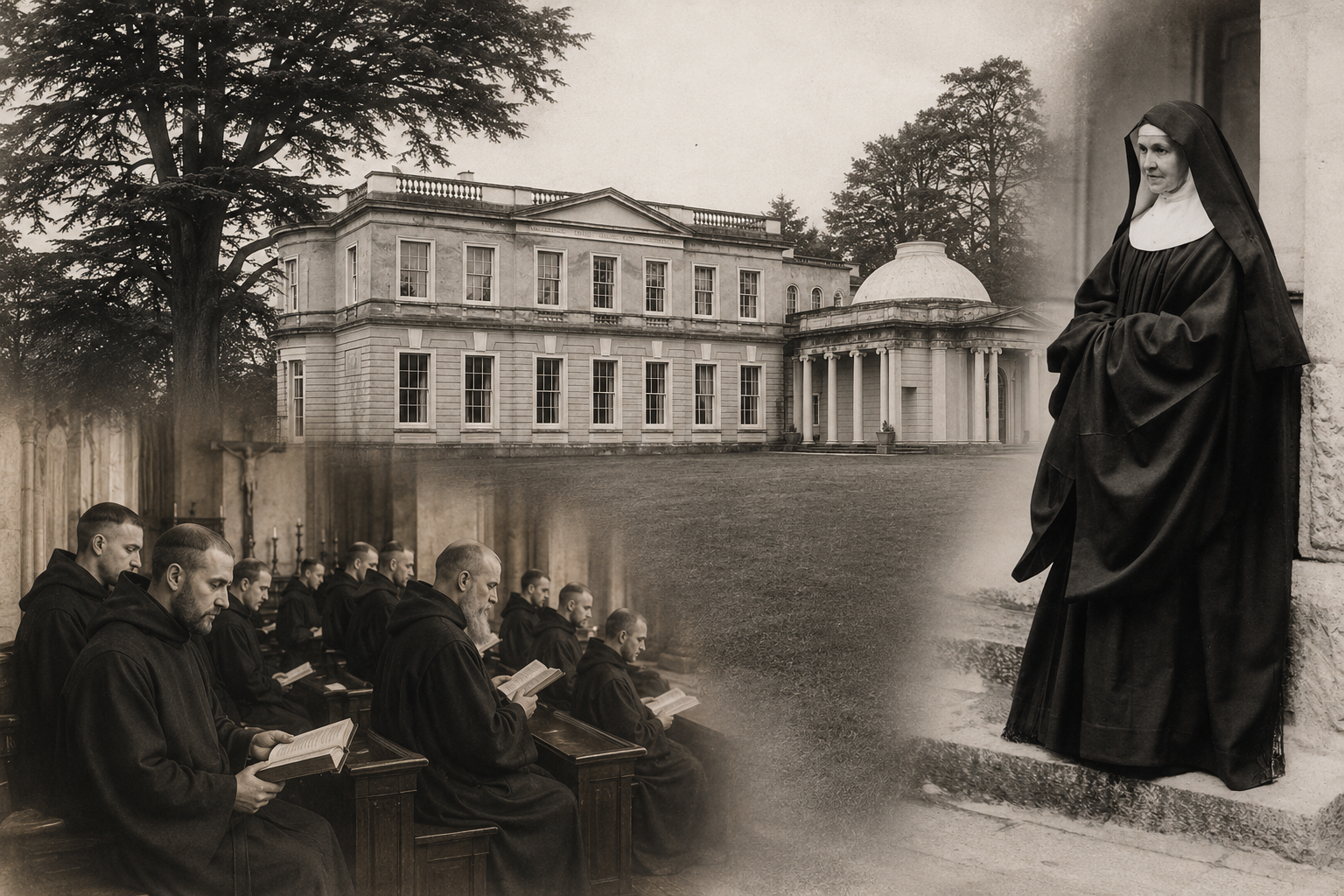
































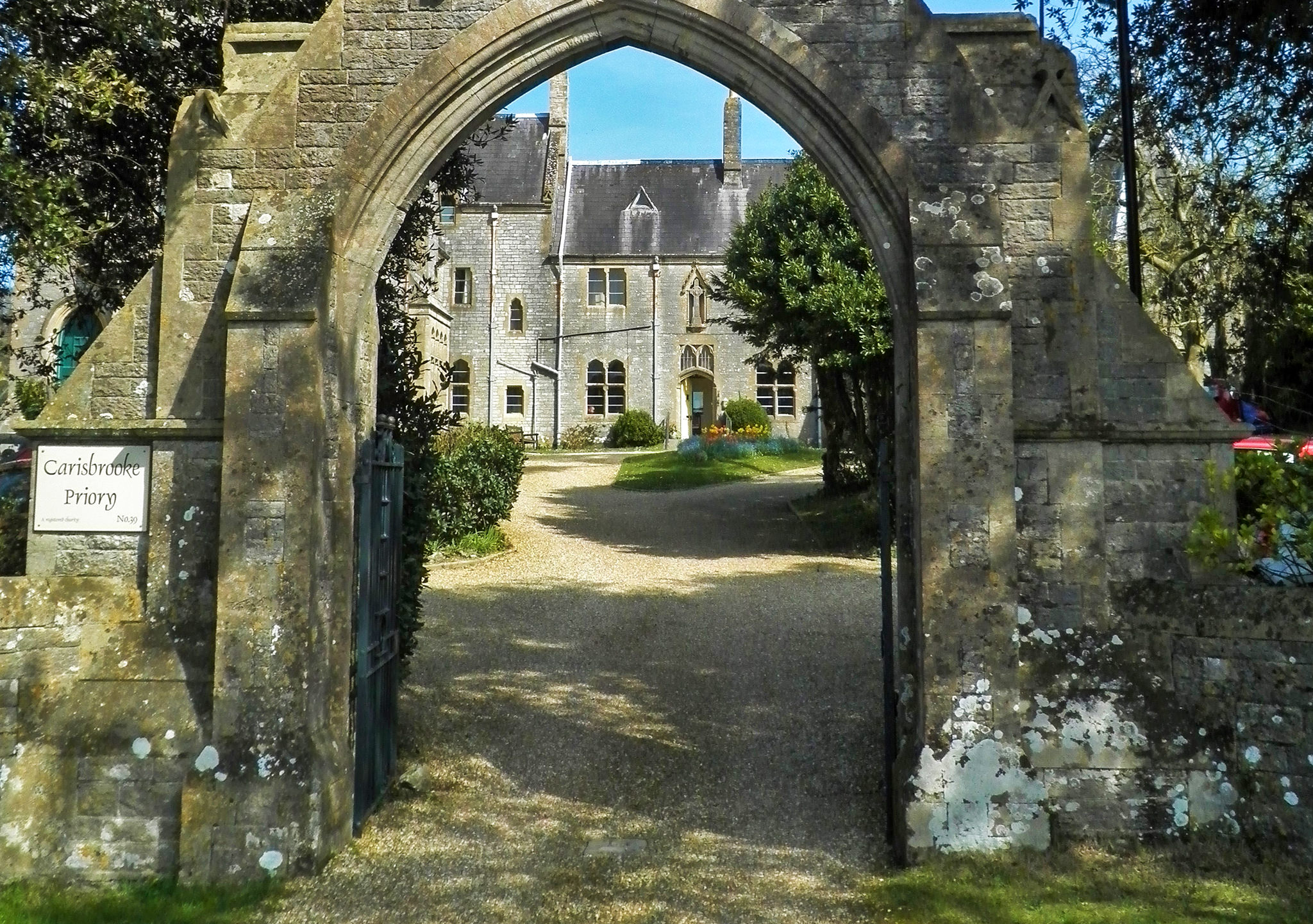

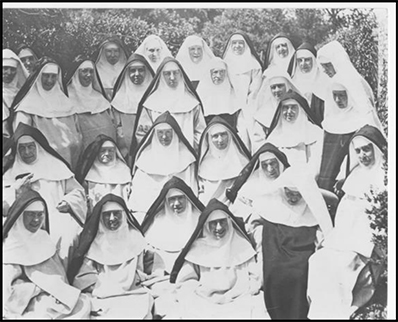
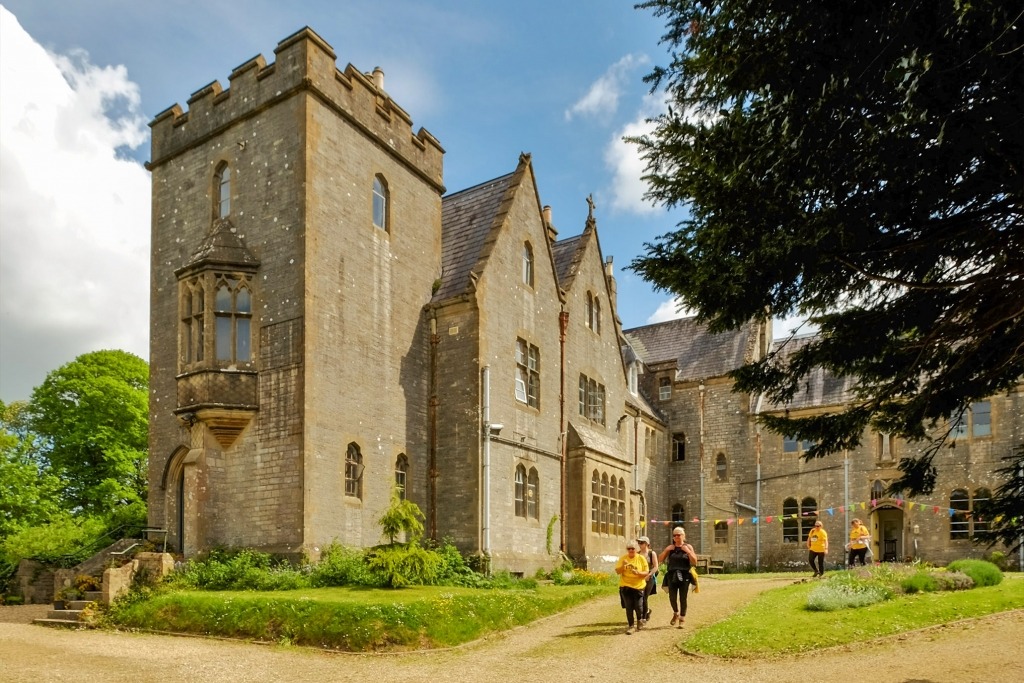
Dominican Nuns were ‘greeted’ with hoots and jeers when they first disembarked at Cowes on 10th December 1866 on their way to take up residence at Carisbrooke Priory.
England has been a Protestant country ever since the 16th-century reign of Henry VIII, and Catholics were still regarded with a degree of suspicion in the 19th century.
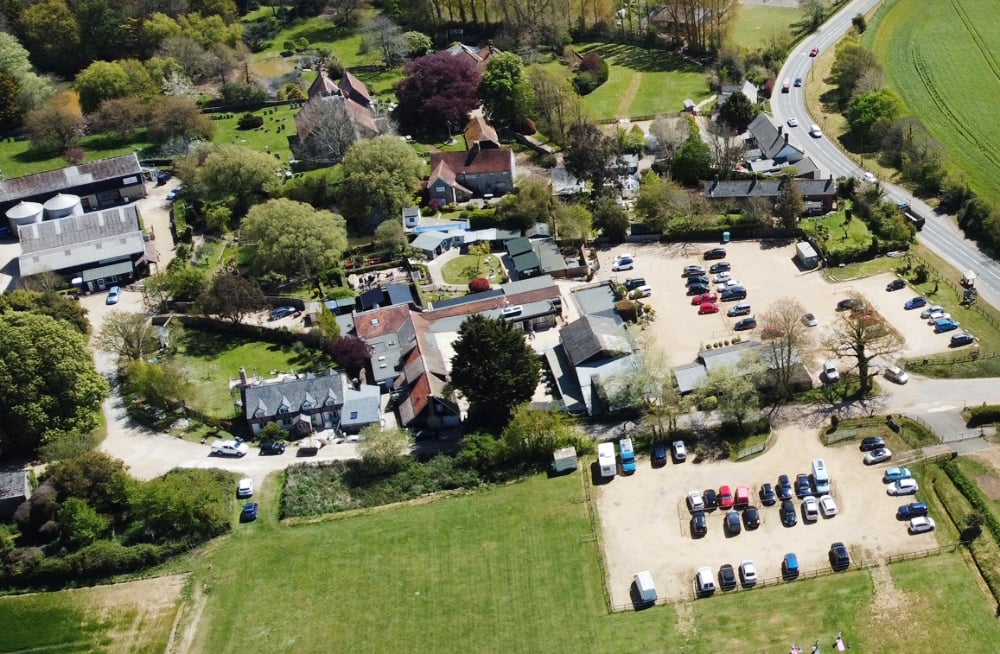
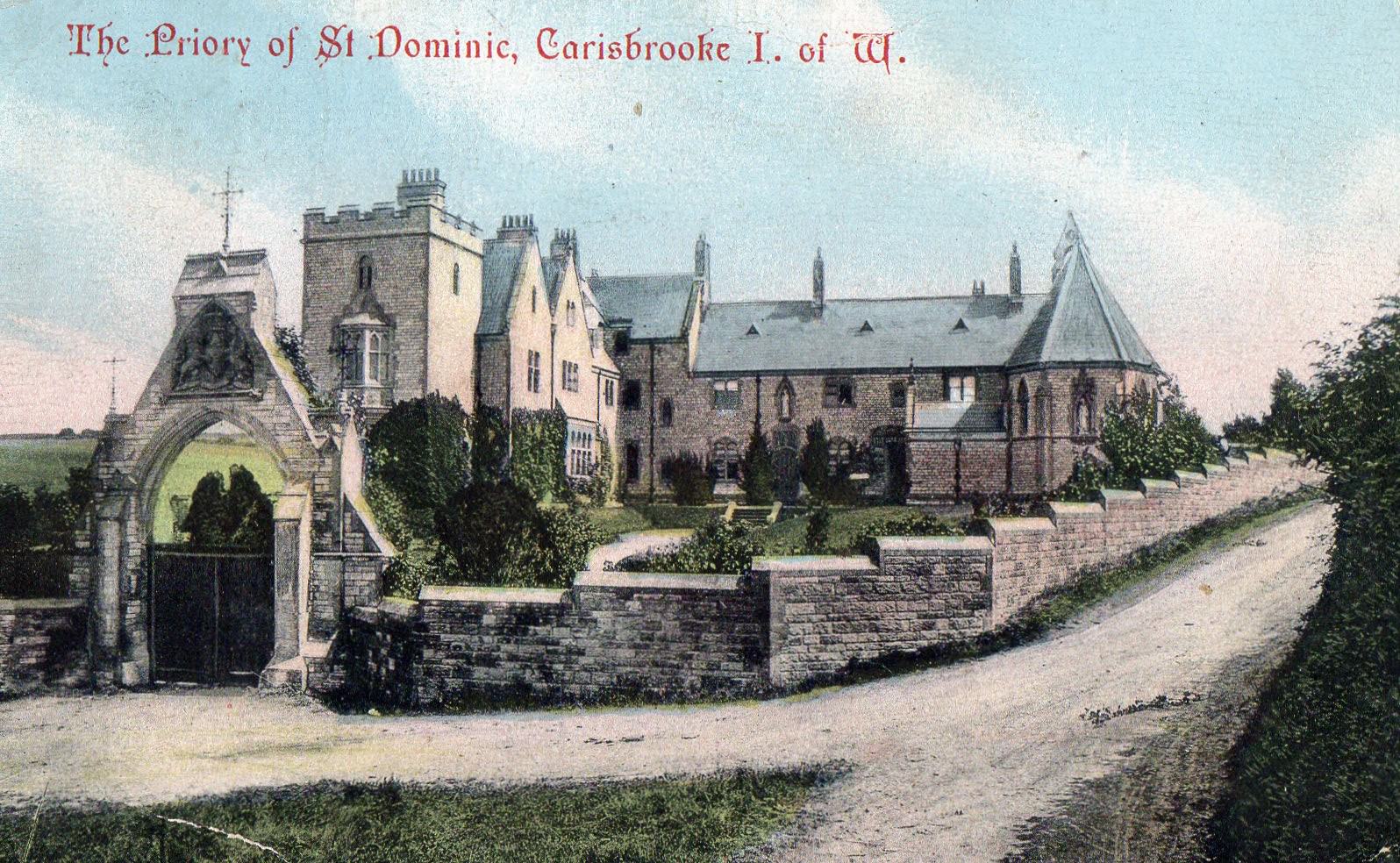
The Carisbrooke Convent had been paid for by Elizabeth, Countess of Clare, at a cost of £12,000 – over £1.6million in today’s value.


The Countess had instructed her architect, Gilbert R. Blount, to:
“Present a good aspect towards the Castle so that all visitors would see that side of the Convent as they looked over the battlements. It is important that any Protestant disagreeableness of convents should be counteracted by the appearance of the convent externally.”
Work on the convent began in 1865. It survived a violent storm in February 1866, which cost 5 shillings to put right. The building was completed in November, and the nuns were invited to travel to the Island.
The Countess was right to be concerned with Protestant reaction. The Rev. Mother Prioress recorded at the time of her arrival at the Convent:
“We arrived at Carisbrooke via Southampton on 10th December 1866 after some adventures on the way, not least the hoots and jeers, especially as we disembarked at Cowes. Our nuns’ habits caused much amusement and laughter especially amongst the children.”
Article continues below this advertisement

The nuns were said to have responded to any hostility on their journey in a dignified manner with a simple smile.
3 years later – in 1869 – the Priory was honoured with a visit by Her Majesty Queen Victoria. This was her first visit to a Catholic monastic institution.
Victoria was known to resent the revival of Catholicism and the influence of the Pope on English Catholics. However, her attitude mellowed, and she considered her Royal visit to the new Catholic Priory to be a worthwhile public relations exercise. She, therefore, travelled the 4 miles from Osborne House and was received by the Prioress and local Catholic clergy. The Sisters stopped their embroidery and needlework, at the request of the Prioress, to listen carefully to the Queen.

Because they stood so still, Victoria reputedly whispered to one of her ladies-in-waiting:
“What a pity that these ladies have not got something useful to do!”
Queen Victoria’s visit dispelled some of the fears and prejudices of Isle of Wight Protestants. If the Queen could visit these Roman nuns, then what was the problem with their living at the end of the road? The nuns’ devotion to duty and generosity was said to have led to their gradually becoming popular and respected in the local community.
In subsequent years, Victoria’s daughter Princess Beatrice was a frequent visitor. In 1896, she became Governor of the Isle of Wight and took up residence in Carisbrooke Castle. The nuns developed a good relationship with their royal neighbour. Beatrice was sympathetic towards Catholicism. Her daughter, Victoria Eugenie, became a Catholic on her marriage to King Alfonso XIII of Spain in 1906.
Sadly, the number of women finding themselves called to a religious vocation declined during the 20th century. By 1989, there were only 5 Dominican nuns left.
On 17th October 1989, the Prioress, Sister Mary, vacated the property together with the remaining nuns. 1 of the nuns who left with her was 95-years-old and had not been outside the Priory for 70 years.
The building has been taken over by the Carisbrooke Priory Trust and retains its Christian mission.
Rev. Chris Lane, Chaplain Director of the Carisbrooke Priory Trust, wrote in 2002:
“We are a House of Prayer and a Centre for Christian healing.
“This Priory was built as a House of Prayer and what we are doing is not, at heart, any different from what the nuns did here for over 130 years. We are more than happy to think that the Priory still maintains something of that great tradition of prayer cherished by our Catholic Sisters.”





I believe “Elizabeth, Countess of Clare” also paid for the Catholic church in Ryde high Street to be built.
Pity the Nuns could not have remained in the building as well as its current use, it seems large enough for all.
Anyone know if the Poor Clares are related in any way?
There are nun there now.
When she died in Ryde in 1879, she was buried in Carisbrooke Cemetery within sight of the Convent – the reports of her death, funeral, burial etc have been transcribed and are on The Friends of Newport & Carisbrooke Cemeteries website – an interesting read https://www.foncc.org.uk/burials/grave-search/burial/915