




























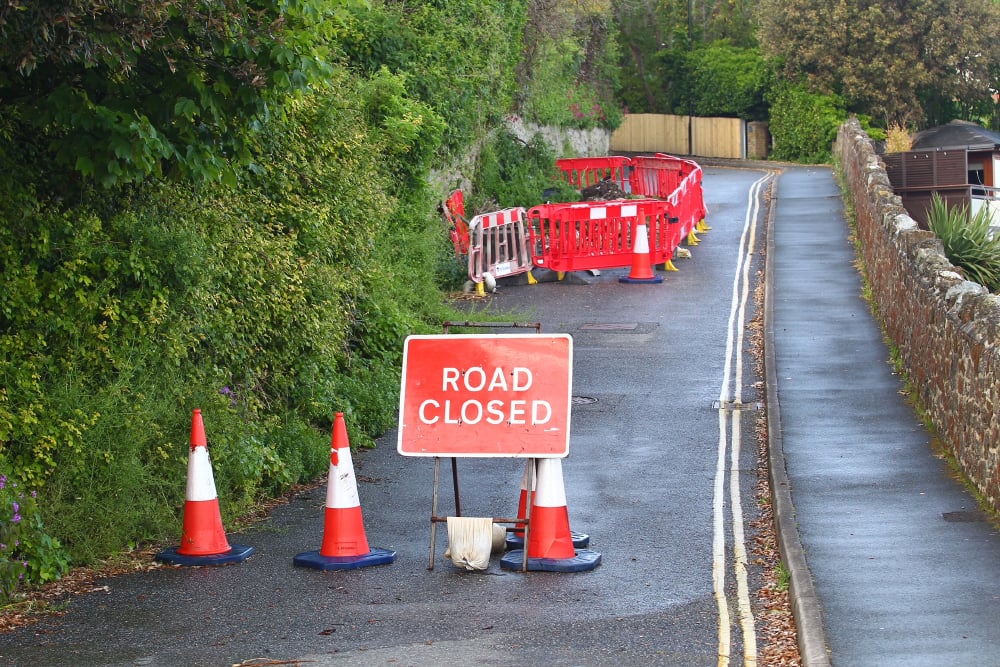






















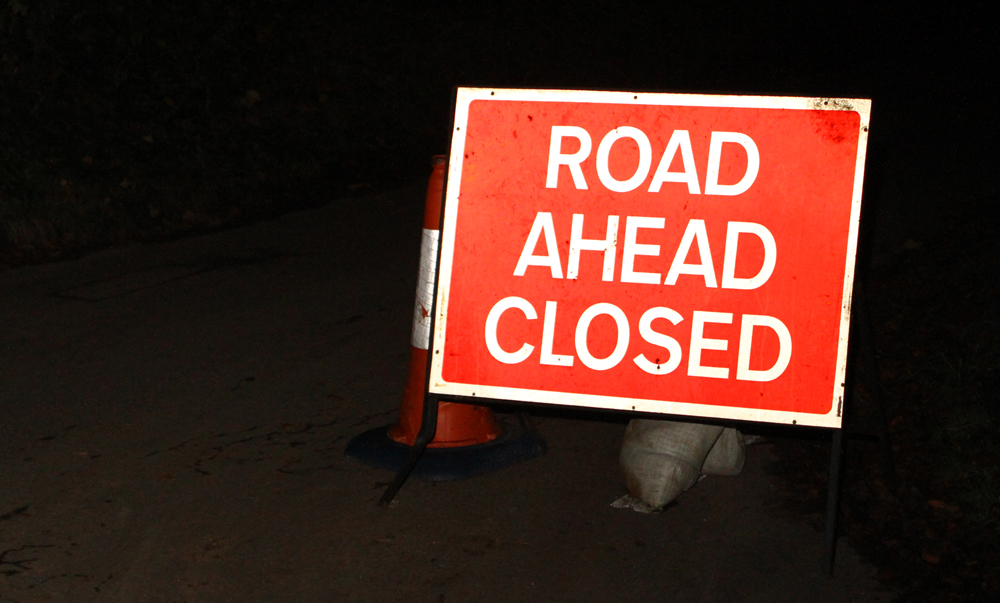

 The resurfacing of roads across the Isle of Wight at night is understood to be coming to an end in July, resulting in additional road closures during the daytime.
At present, under the PFI contract with Island Roads, there are 2 crews resurfacing between the hours of 06:00-18:30 and a further crew resurfacing at night between 19:30-06:00. However, from around 27th July all night resurfacing looks set to be scrapped – that’s according to several reports, although Island Roads say no decision has been made yet.
Island motorists can expect to see even more road closures during the day as Island Roads introduce a third day crew. Although they won’t be resurfacing the arterial roads during the day, disruption could still be felt with it becoming harder to close 3 roads without conflicting diversions and adverse effects on drivers.


With a potential of around 5 weeks left of night resurfacing, there remains a number of main roads – either fully or in part – that require resurfacing. Some roads, under the ‘Matrix’ used in the PFI contract, cannot be closed during the day leaving a question as to what will the arrangements be going forward.
It may be that they are not resurfaced for sometime to come.
Main roads listed as due to be resurfaced either fully or in part:
• Parkhurst Road, Newport
• Staplers Road, Newport (gyrotory)
• Military Road & Blackgang Old Road
• Fishbourne Lane, Fishbourne (connecting with ferry terminal)
• York Avenue, East Cowes (connecting with ferry terminal)
• St George’s Way, Newport
• Hope Road/Esplanade, Shanklin
• High Street, Newport
• Forest Road, Newport
• Yarmouth Road, Newport
• Appley Road, Ryde
• Hale Common, Apse Heath
• Victoria Avenue/Shanklin Road, Shanklin
• Freshwater Road, Shalfleet
• High Street, Ryde
• Racecourse Roundabout, Whippingham
A spokesperson for Island Roads has told Island Echo:
“Island Roads varies resource levels according to a number of factors such as weather, season, plant availability and road condition.
Article continues below this advertisement “In order to minimise disruption, the contract states which road types we can work on at night. These roads are typically the busier main roads (hierarchy 1 and 2). As we move into the latter stages of the Core Investment Period the programme will tend to concentrate more on the hierarchy 3 and 4 roads where less daytime restrictions are in place. Therefore, although no decisions have yet been made, Island Roads is currently considering whether there is a need for a dedicated night crew but the same level of resource will still be working on the carriageway surfacing programme – i.e. three crews.
“It is important to understand that the PFI contract does not require Island Roads to resurface all the network within the first seven years. It does require us to improve the condition of all types of road to agreed levels by the end of the first seven years and to maintain that enhanced average condition for the remainder of the contract.
“There are roads that, at the start of the PFI and also where we are now, have a good residual life and meet the required standards in the contract. The early replacement of these roads would be similar to replacing your car tyres when they were only half worn. It is therefore the case that a proportion of roads will be upgraded during the lifecycle period (years 8 to 25) as and when their condition falls towards the standard defined in the contract”.