
















































HMP Isle of Wight has been heavily criticised by inspectors, who say rising violence, widespread drug availability, high levels of self-harm, and crumbling facilities continue to undermine the prison.
His Majesty’s Inspectorate of Prisons has today (Monday) published the findings of an unannounced inspection carried out between 16th and 26th March, describing a prison that continues to ‘significantly underperform’.
Inspectors found that drugs were increasingly easy to obtain behind bars, with 56% of prisoners surveyed saying illicit substances were readily available – a marked increase since the last inspection in 2022. Violence and the use of force had also increased, while levels of self-harm remained high.


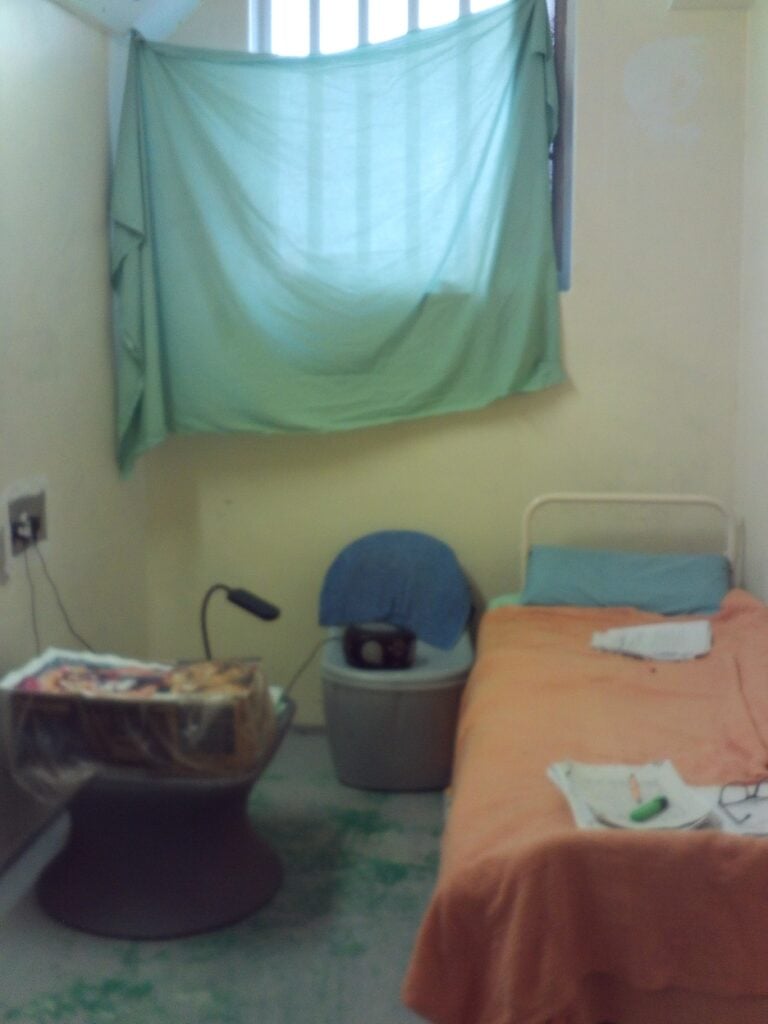
The report paints a bleak picture of daily life at the prison, highlighting frequent staff shortages, poor regimes and long periods locked behind cell doors with little meaningful activity.
Inspectors said too many prisoners spent extended periods confined to their cells with nothing to do, while insufficient workshop space meant many were unable to access work or training opportunities.

The prison’s ageing infrastructure came in for particular criticism, with inspectors saying the Albany site is “simply not fit for purpose”. They found deteriorating buildings were creating operational problems across the establishment and said His Majesty’s Prison and Probation Service had failed to invest enough to address the issues.
Healthcare was also found wanting, with inspectors concluding its management was “not good enough”. Serious concerns were raised about inpatient mental health provision, where staffing shortages and vacant specialist posts were limiting therapeutic support for some of the prison’s most vulnerable inmates. The accompanying Care Quality Commission action plan also identified regulatory breaches requiring improvement.

Despite some progress since 2022, inspectors still rated both safety and respect as “not sufficiently good”. Purposeful activity improved from “poor” to “not sufficiently good”, while preparation for release was the only area to achieve a rating of “reasonably good”.
In his introduction to the report, HM Chief Inspector of Prisons Charlie Taylor said the prison continued to struggle despite improvements in some areas.
He said there was a lack of meaningful incentives for prisoners who behaved well, alongside a poor daily regime, frequent staff shortages and inadequate workshop facilities. He also warned the prison was taking on increasing numbers of Category B prisoners convicted of sexual offences, many serving very long or indeterminate sentences, at a time when violence and drug availability were worsening.
Inspectors did identify some positives, particularly around resettlement work. A dedicated course for prisoners who had spent many years in custody and a specialist trauma unit helping offenders address their behaviour were highlighted as examples of good practice.
The report concludes that while some improvements have been made since the last inspection, HMP Isle of Wight continues to fall short in key areas, with persistent concerns over safety, healthcare, staffing and ageing facilities leaving the prison significantly below the standard inspectors expect.








This is a bit rich coming from an ex-schoolteacher who is a Trustee of Dallaglio Rugby Works, a charity whose founder is a bankrupt who was spending £1000’s every month on cigars and other luxury items during his bankruptcy hearing.
Perhaps Mr Taylor should consider his position.
Sounds just as in there as out here!
Sounds like it’s time to shut this establishment down.
Another poorly run service on the island, yet again
poor management, bet they come awake on payday
sounds like P45 time.
Perhaps you should spend some time working there before making comments and judgements about people who work in an ever increasing challenging environment.
It’s prison staff bringing in the contraband for cash in hand. My cousin was on remand and see it first hand, yes they do get the odd drone, but you need to be checking the staff more thoroughly. He said anything anyone wants is readily available in there.
Sack the staff and bring in new staff, maybe from the
continent or give the migrants a job.
Oh dear how sad never mind !