


































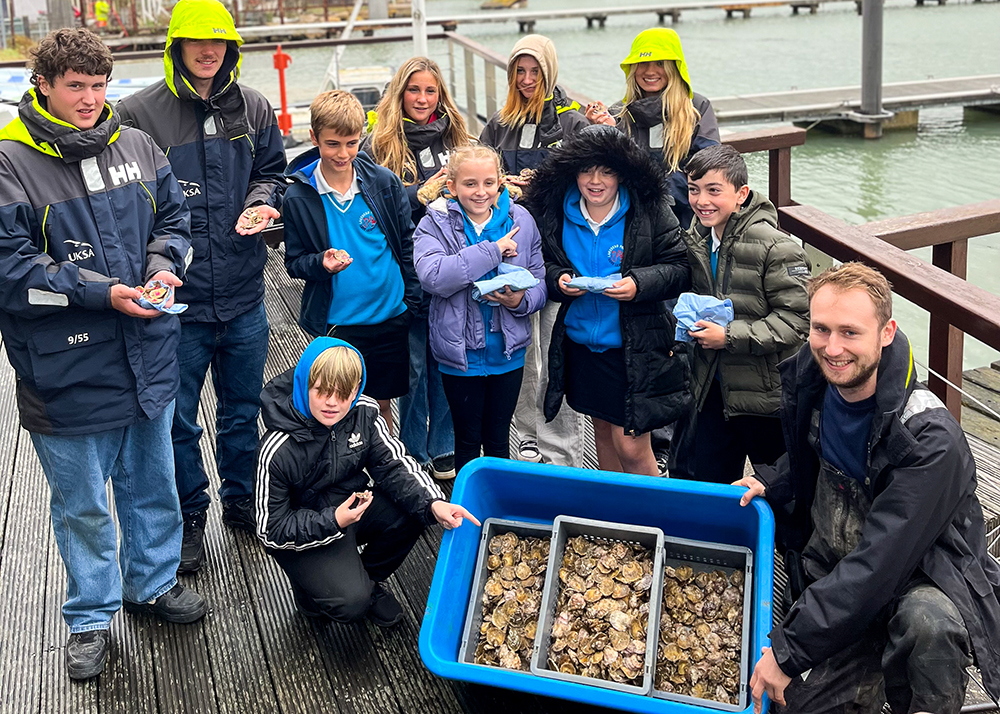

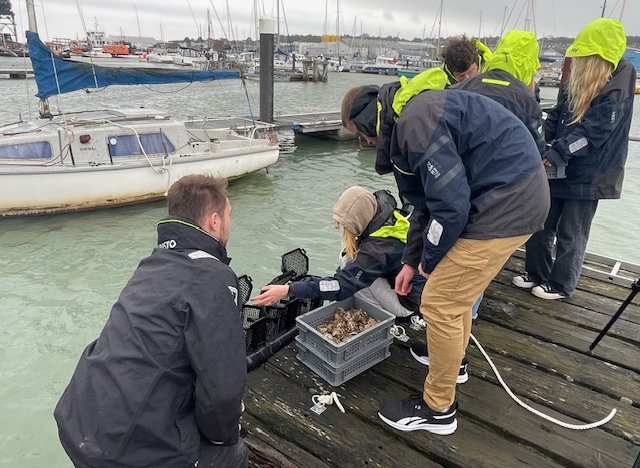
 UKSA officially launched the Isle of Wight’s inaugural oyster regeneration project on Wednesday, with the 1st oysters placed in baskets beneath the pontoons in Cowes.
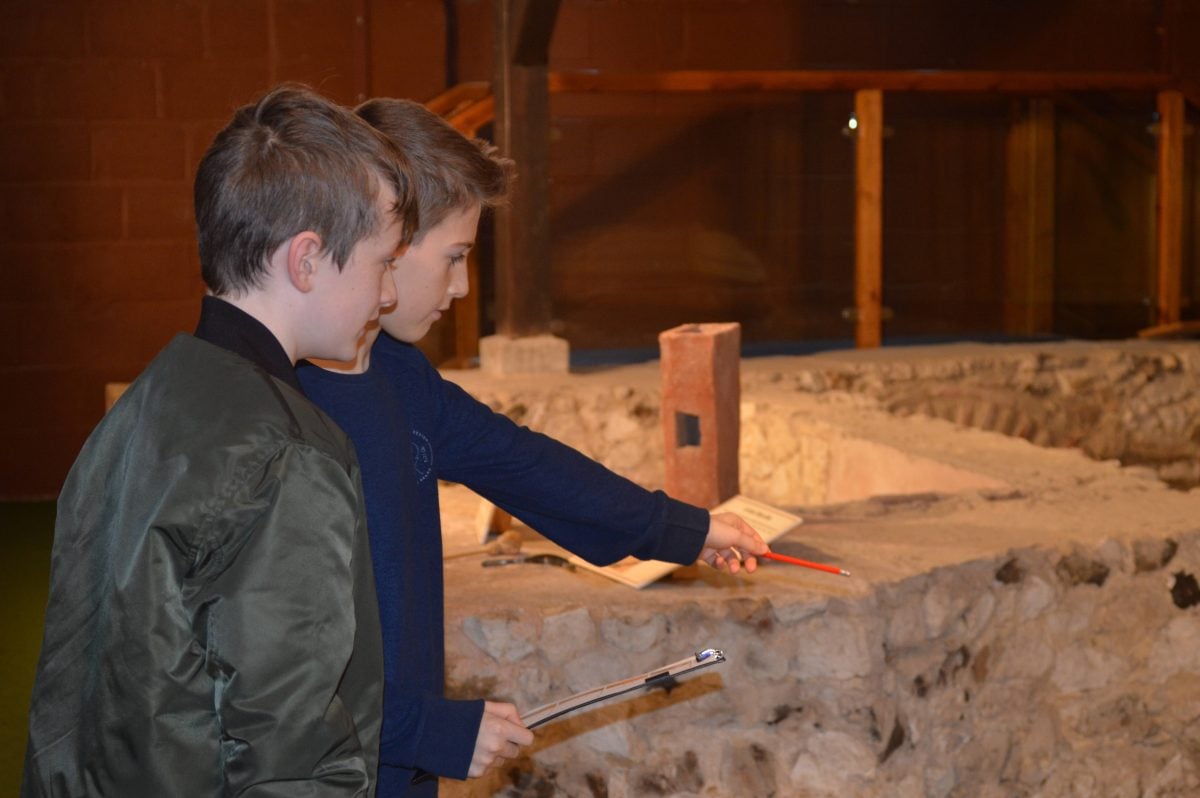
The Cowes-based charity, which provides life-enhancing water-based adventures, education, and world-leading maritime training, welcomed children from Lanesend Primary School together with guests including Cowes Harbour Commission, which is funding the baskets and the initial oyster stock to enable the project to get underway.
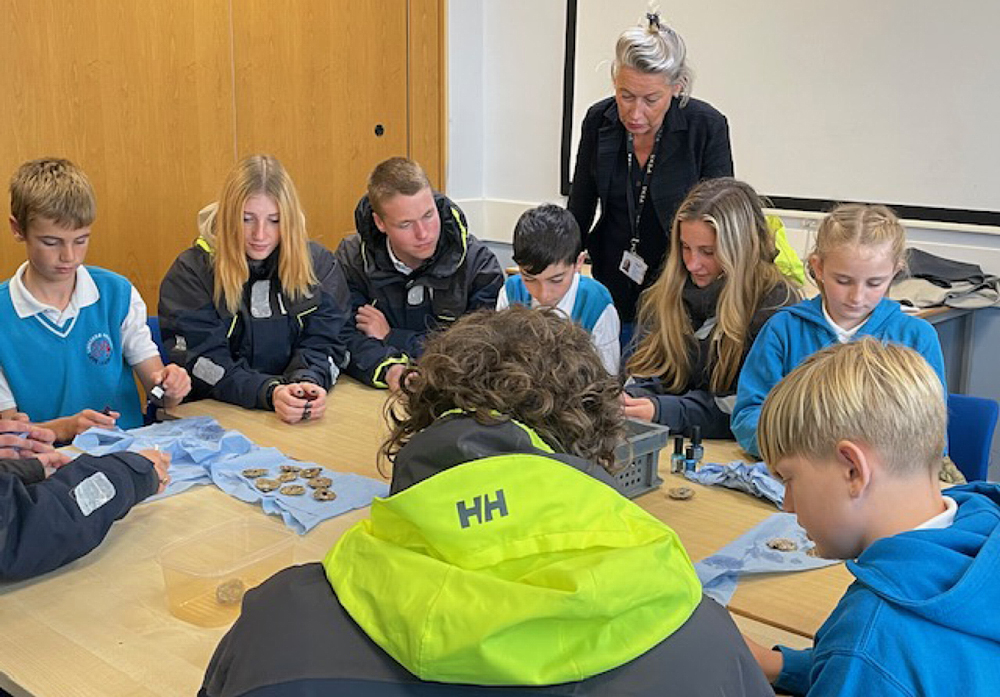
This followed a visit by UKSA with a number of its students to Blue Marine Foundation’s base at University of Portsmouth last week to perform the cleaning of the oysters ahead of them being transported to the Island for installation.


1,000 juvenile oysters were brought from Oban in Scotland and the children from Lanesend Primary helped to mark 50 of them so that their progress can be studied with students at UKSA collecting data during monthly audits.
The project will facilitate the release of millions of larvae into the Solent, while also providing refuge for other marine life including endangered European eels, young seahorse and sea bass.
As ecosystem engineers, UKSA’s oysters will provide a range of benefits to the environment and people such as improving water quality, with a single oyster able to filter up to 200 litres of water every day. They also act as a natural defence to coastal erosion.
Eric Harris-Scott, Solent Project Officer at Blue Marine who talked through the project at the launch, said:

“Projects like this are a real team effort and the support of businesses like UKSA to enable our restoration work to grow is vital. We’re grateful for the efforts of all those involved to get this project off the ground and into the water today, and look forward to seeing how the oyster nurseries progress on the Island.”
When the project was initially announced, Gary Hall, CEO at Cowes Harbour Commission said:
“We are delighted to be working with UKSA and the Blue Marine Foundation on this very important project for Cowes Harbour because it forms part of our 5-year strategic plan and a commitment to deliver the sustainable management and conservation of the harbour, estuary and local environment.”
Despite the last known oyster fishery on the Isle of Wight closing in the 1970s, between 1972 and 2006, the Solent supported the largest native oyster fishery in Europe. However, the oyster population has declined significantly and the fishery collapsed in 2013. Native oyster reefs in the UK have declined by 95% due to overfishing, pollution, disease, habitat loss and other pressures.
Native oysters are classified as a priority species in the UK’s Biodiversity Action Plan and restoration is a high priority at a national, European and global level with an estimated 85% of oyster beds and reef habitats lost worldwide.
Since 2015, Blue Marine Foundation has restored over 150,000 oysters using innovative nursery systems and creating oyster reefs, and has developed a strong working group in the Solent.