













































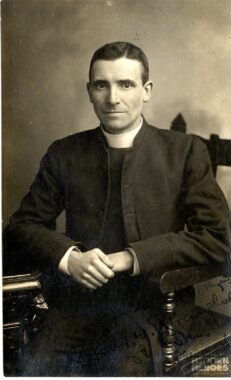
Edgar William Tyler Greenshield – who devoted his life to evangelising the Eskimos – was born on this day in 1877.
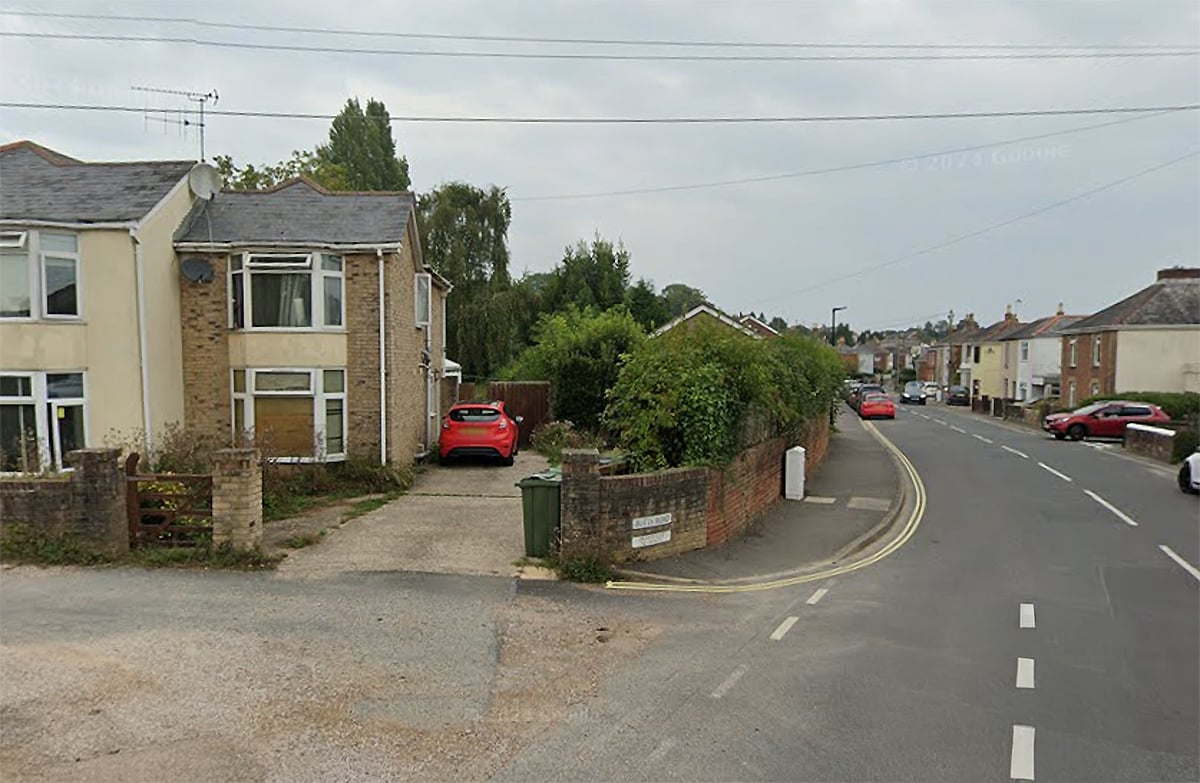
Edgar grew up in St John’s Place in Newport close to the church where his parents were regular churchgoers. He expressed a desire to be involved in missionary work from a very young age.
The budding evangelist was twice denied entry to the Church Missionary Society. However, on being accepted in 1901, he postponed his training to travel to the far north of Canada. This is when his love affair with the Arctic began.


The Eskimos Edgar encountered had their own religious beliefs based on Shamanism. However, he believed it his mission to preach Christianity to them.
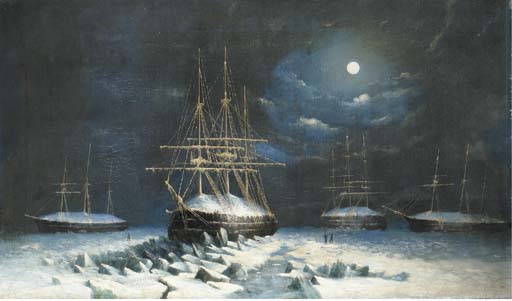
Edgar made no less than 10 voyages into the Arctic Circle altogether. He endured violent snowstorms, freezing temperatures and long hours of darkness. He frequently found himself in danger in the course of his work. He was shipwrecked several times; the ships he was travelling on were crushed by ice; ravenous polar bears climbed on board his vessels.
He wrote:
“There is not much in one’s general surroundings to cheer or help or lift one up. The depth of winter, the short dull days, the long dark nights, all tend to depress…”
In his 1st mission in 1901, Edgar spent 2 years on Blacklead Island, learning to speak the Inuit language and putting his medical skills to good use, caring for the sick and building the 1st hospital in the Arctic Circle. He was held in great affection by the locals, who named him ‘Ilataaqauq’.

In 1909, disaster struck Edgar’s mission when his ship, the Dutch schooner Jantina Agatha, hit an iceberg and began to sink 30 miles from land. The captain gave the order to abandon the ship, and Edgar, the captain, a German explorer and the seven members of the Dutch crew escaped in rowboats.
The party rowed for many days in extreme conditions until they eventually arrived at Edgar’s mission. Once there, they had to battle starvation by making the rations they had taken with them – only sufficient for 1 man for a year – feed all 10 of them.
Edgar’s resourcefulness and determination ensured the men survived for 11 months before being rescued. The Dutch crew were adamant that their survival was entirely down to him. Impressed by his heroism, the Queen of the Netherlands made Edgar a Knight of the Order of Orange-Nassau.
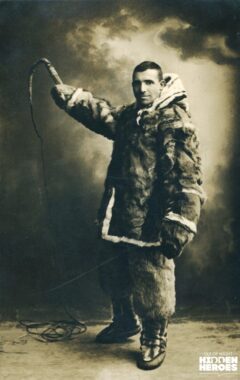
Greenshield returned to England a hero and celebrity and found himself much in demand as a public speaker. He frequently returned to the Island, where he gave lectures in Newport, dressed in the animal skins common in the Artic and displaying the weaponry of the Eskimo warriors. He enthralled his audience by playing a bloodcurdling phonograph of a bear hunt with Eskimo war cries.

On one of his trips to the Arctic, Edgar had taken a doll made by 14-year-old Mollie Alderslade of Newport to give to an Eskimo girl. Edgar returned with a handmade Eskimo doll. The head was made from driftwood, its clothes from caribou skin, and the doll’s hair from the coat of a musk ox. The doll can now be seen at Carisbrooke Castle Museum.
Shortly before the outbreak of the First World War, Greenshield expressed a desire to return to the Arctic but instead chose to look after his parents. The ship that he had intended to travel on was lost with all hands.
After leaving the Missionary Society, Edgar got married and briefly became curate at St John’s Church in Newport. For the rest of his life, he undertook missionary work with sailors and fishermen in Ireland, the Shetlands, India and finally Teesside, where he died in 1938.
The epitaph on Edgar Greenshield’s gravestone simply reads: “A friend of the Eskimo”.





What a great man. An inspiration to us all now.
Very interesting, island echo should show more of these historical items.
Great story thank you.