




































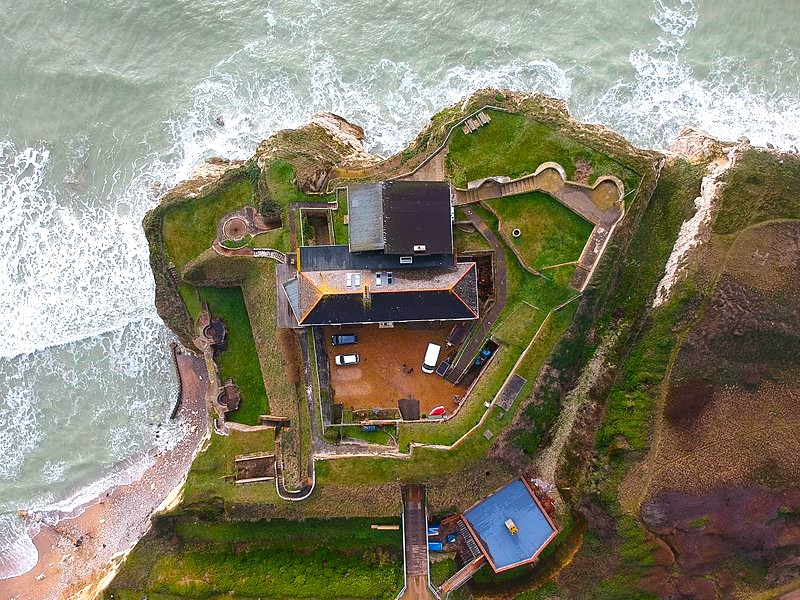

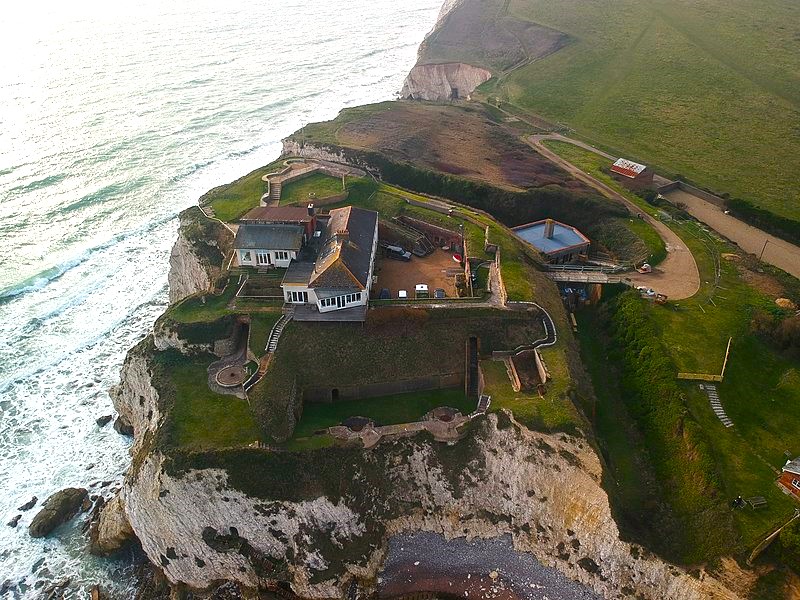
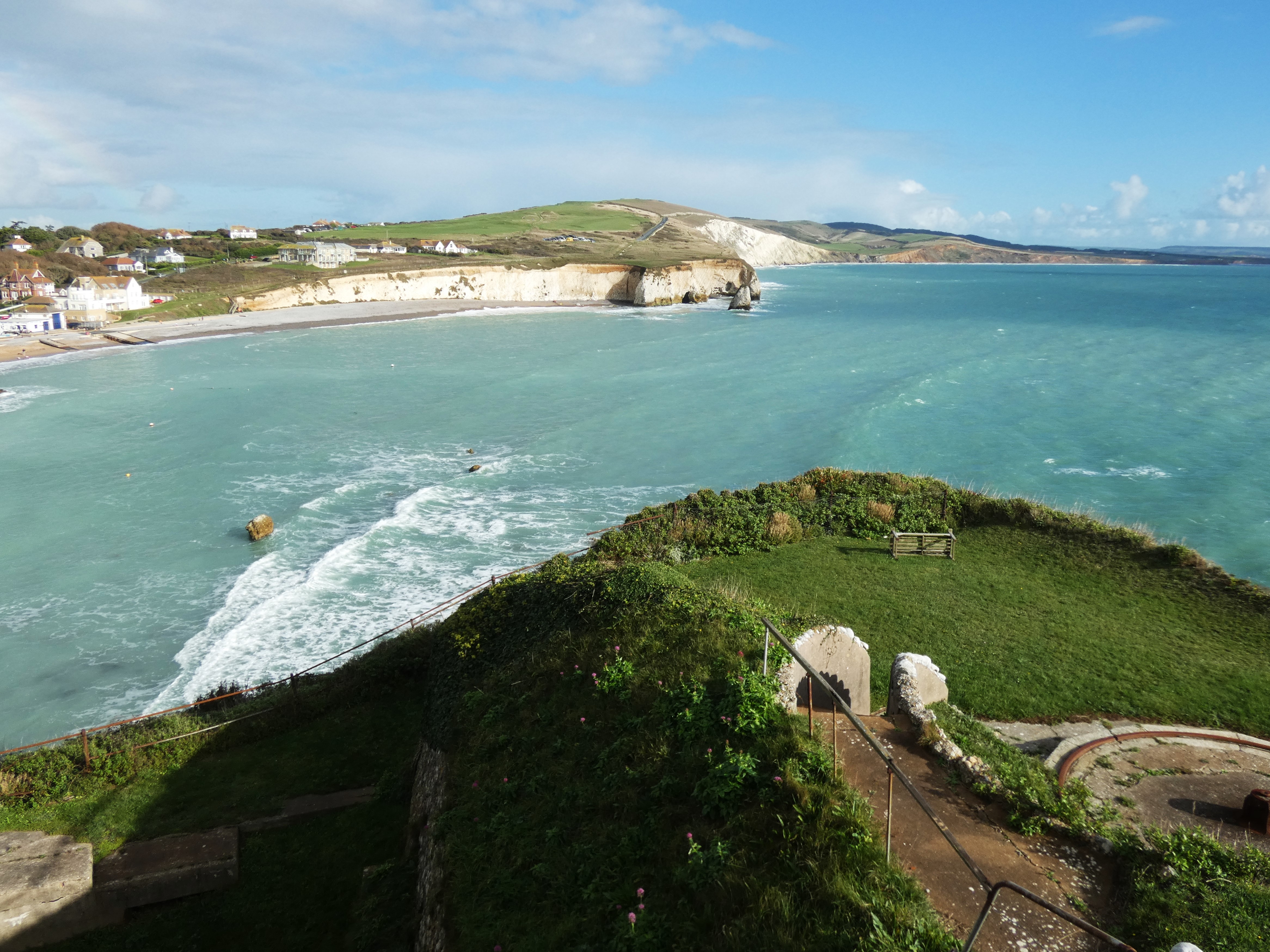
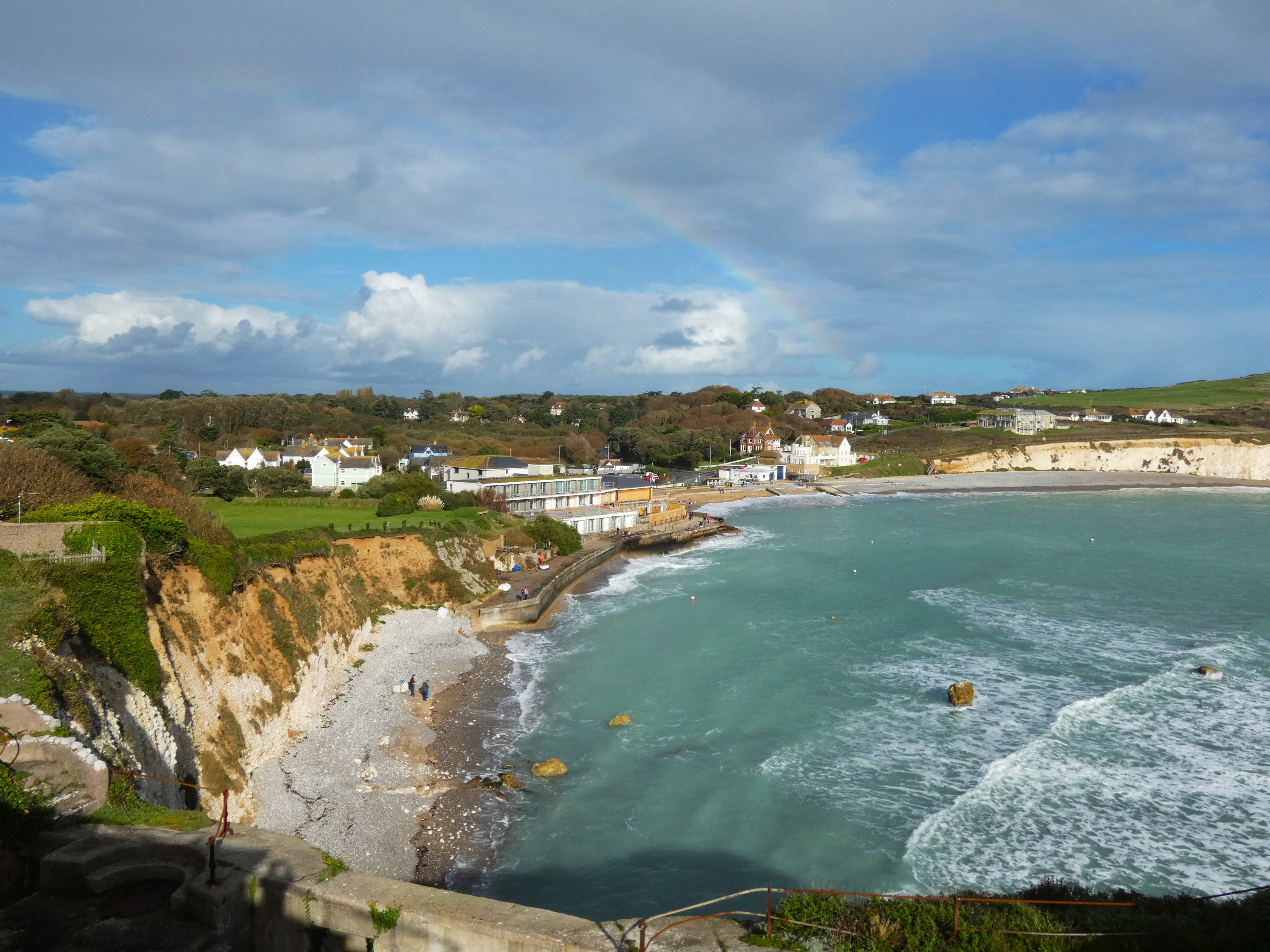
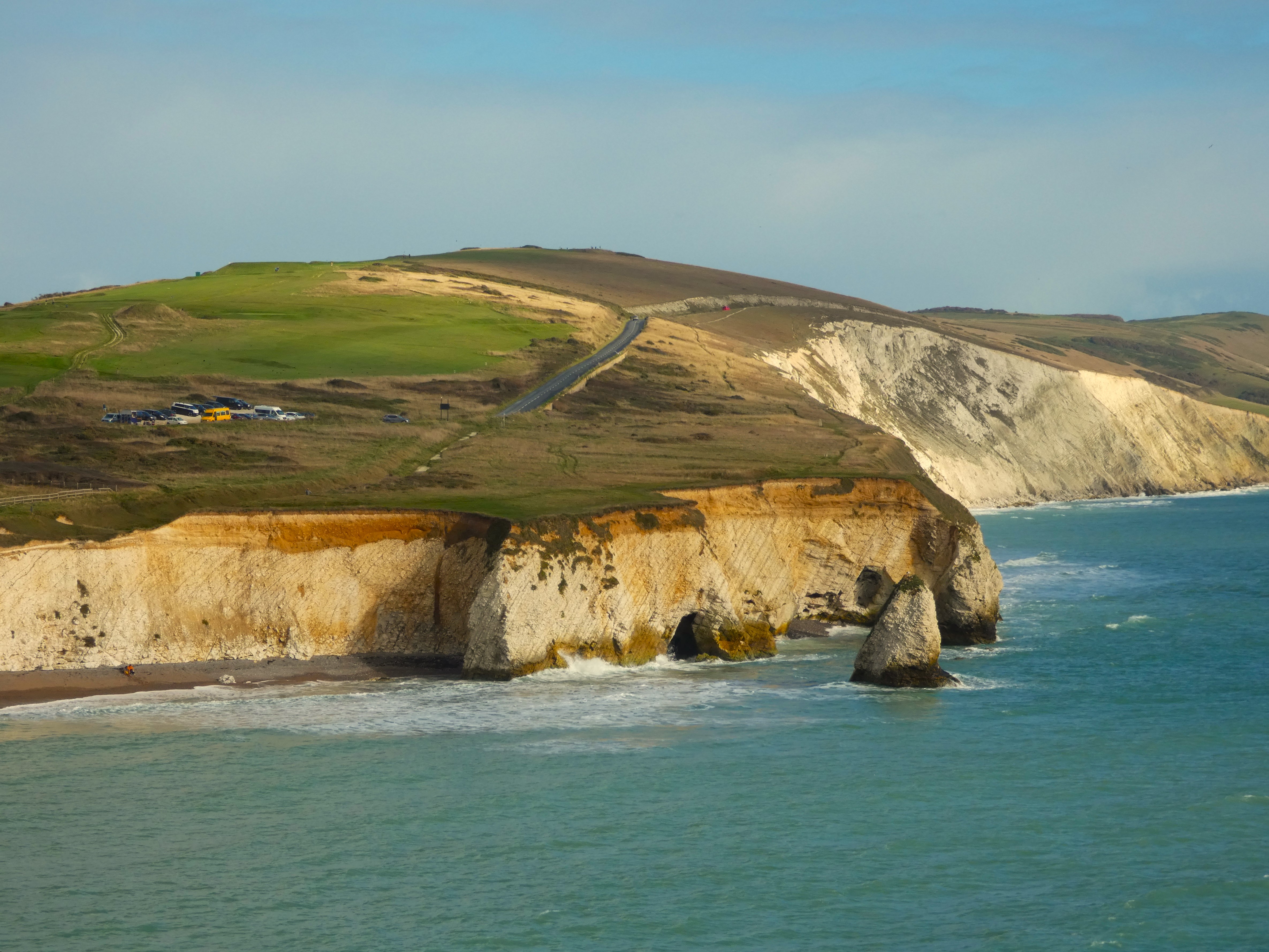
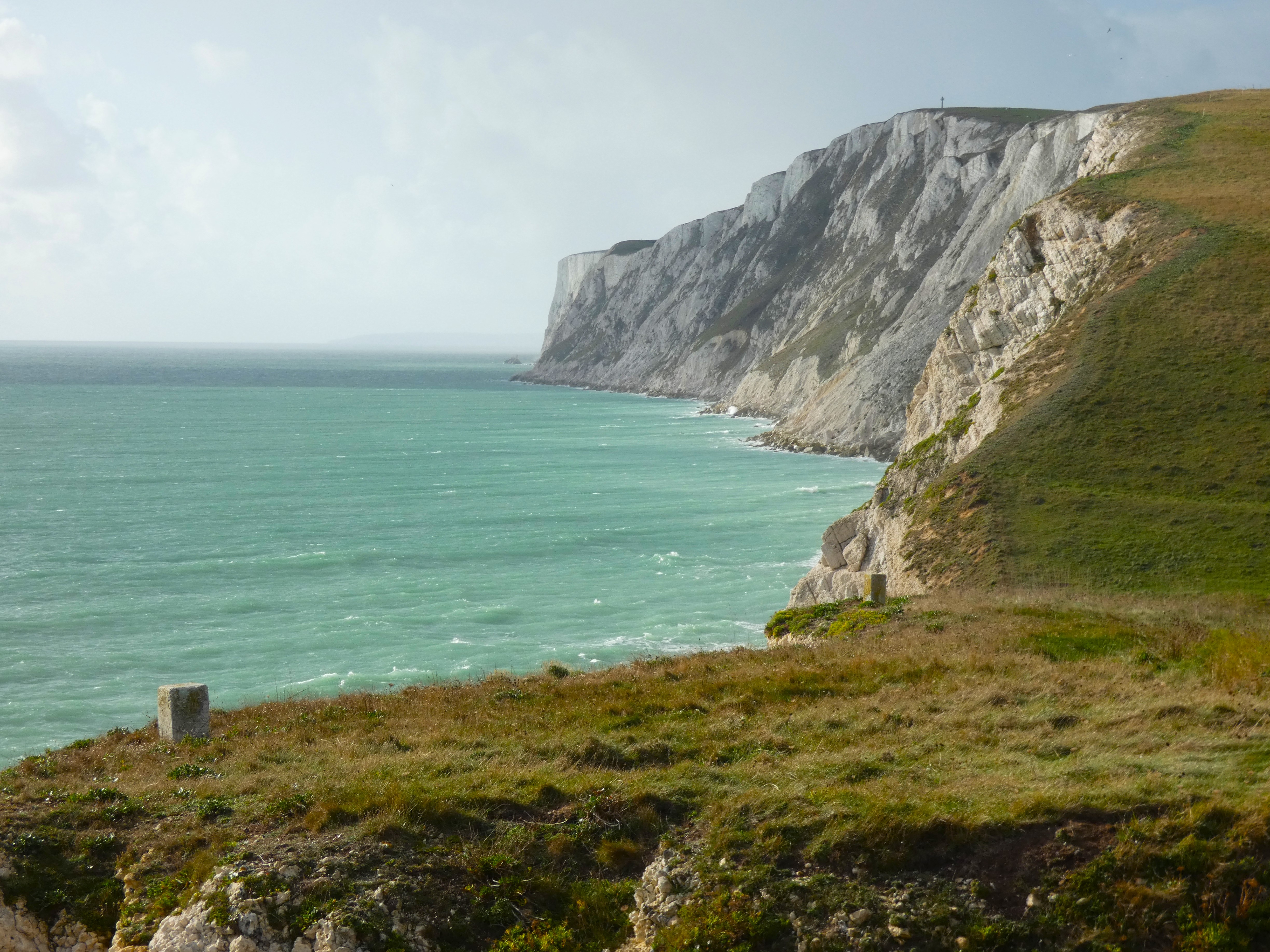
In this weeks edition of Isle of Wight Forts, Island Echo examines arguably the most spectacular and iconic of our forts: Fort Redoubt overlooking Freshwater Bay.
To the best of our knowledge, Fort Redoubt has never fired a gun in anger. It was yet another of Palmerston’s follies – intended to protect England against the imaginary threat of a French invasion – but that never materialised.
There is uncertainty as to when exactly the fort was constructed. English Heritage gives the date c1861. Other sources state 1856 and 1859.


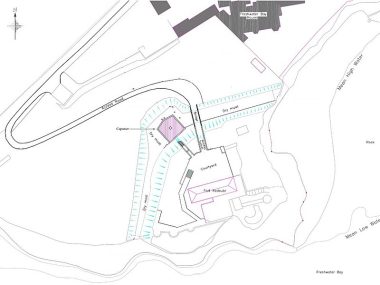
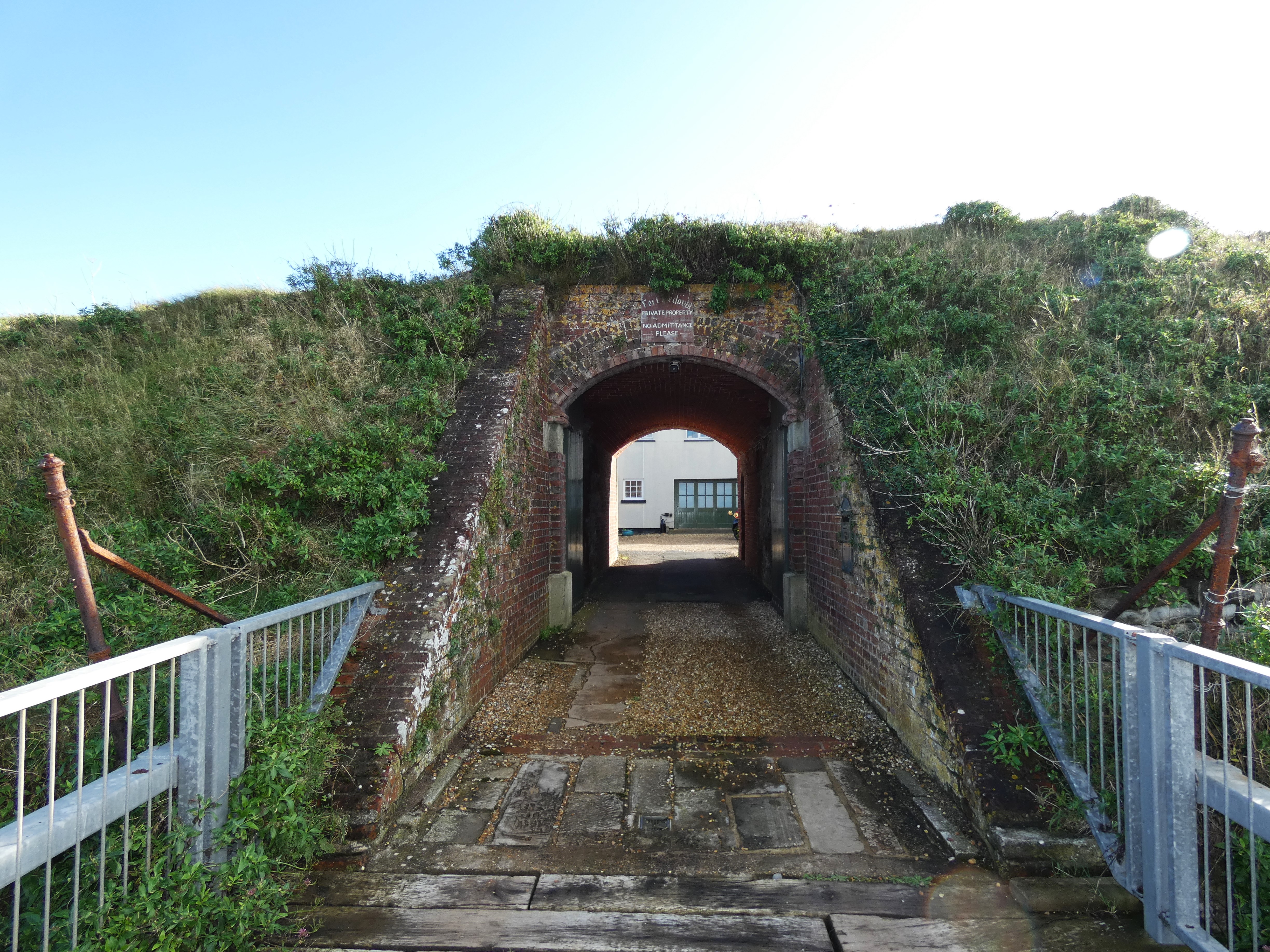
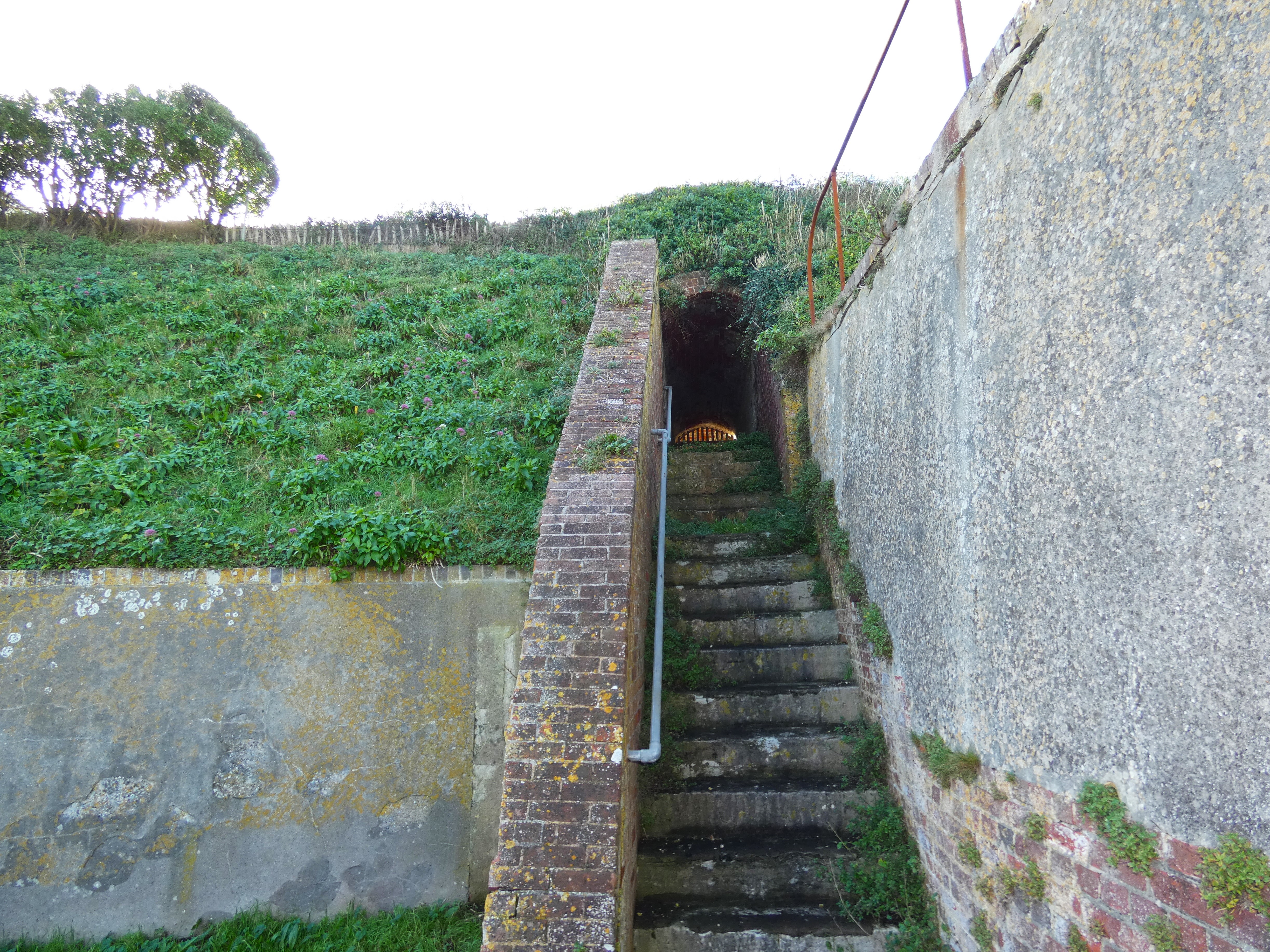
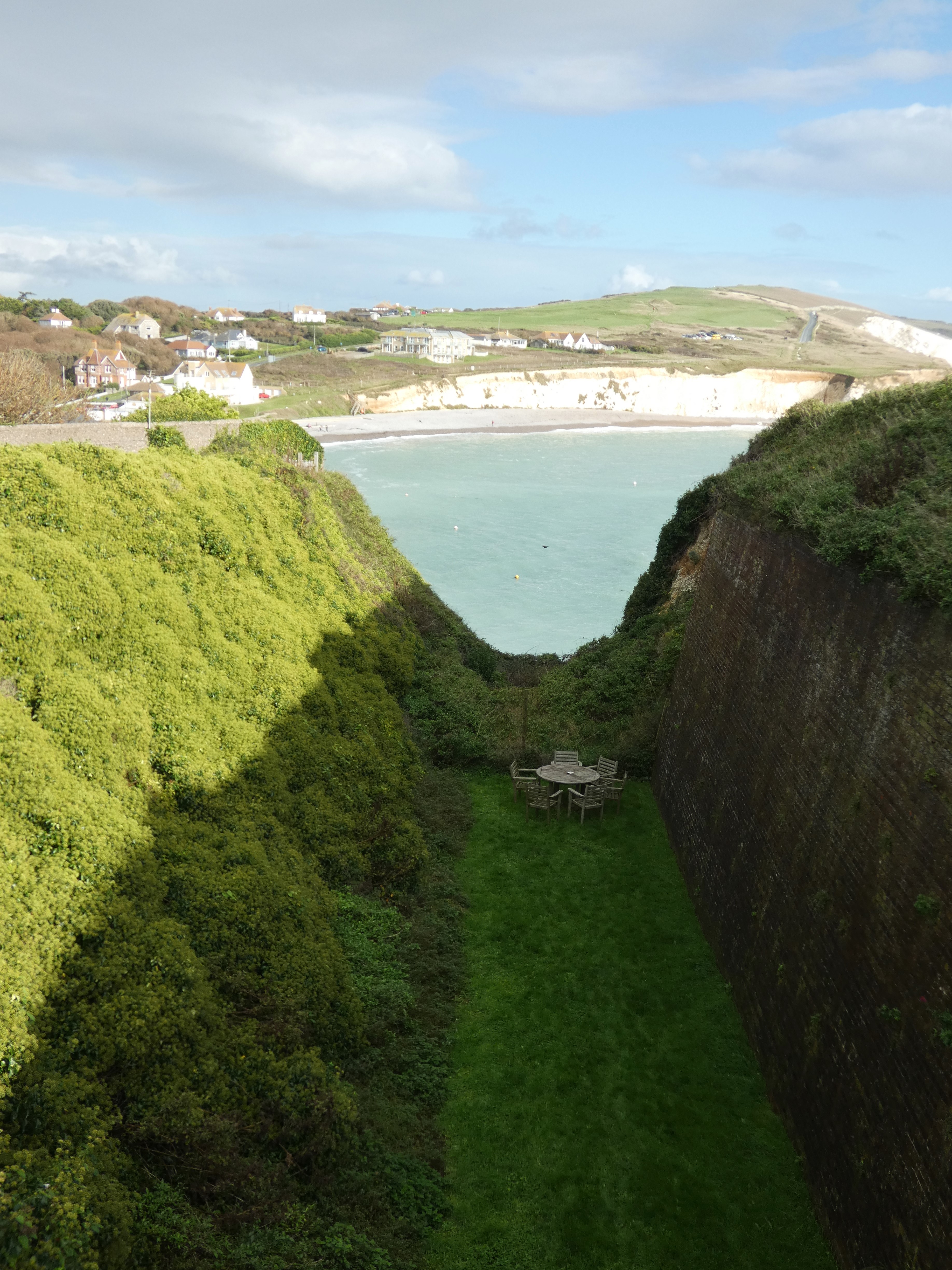
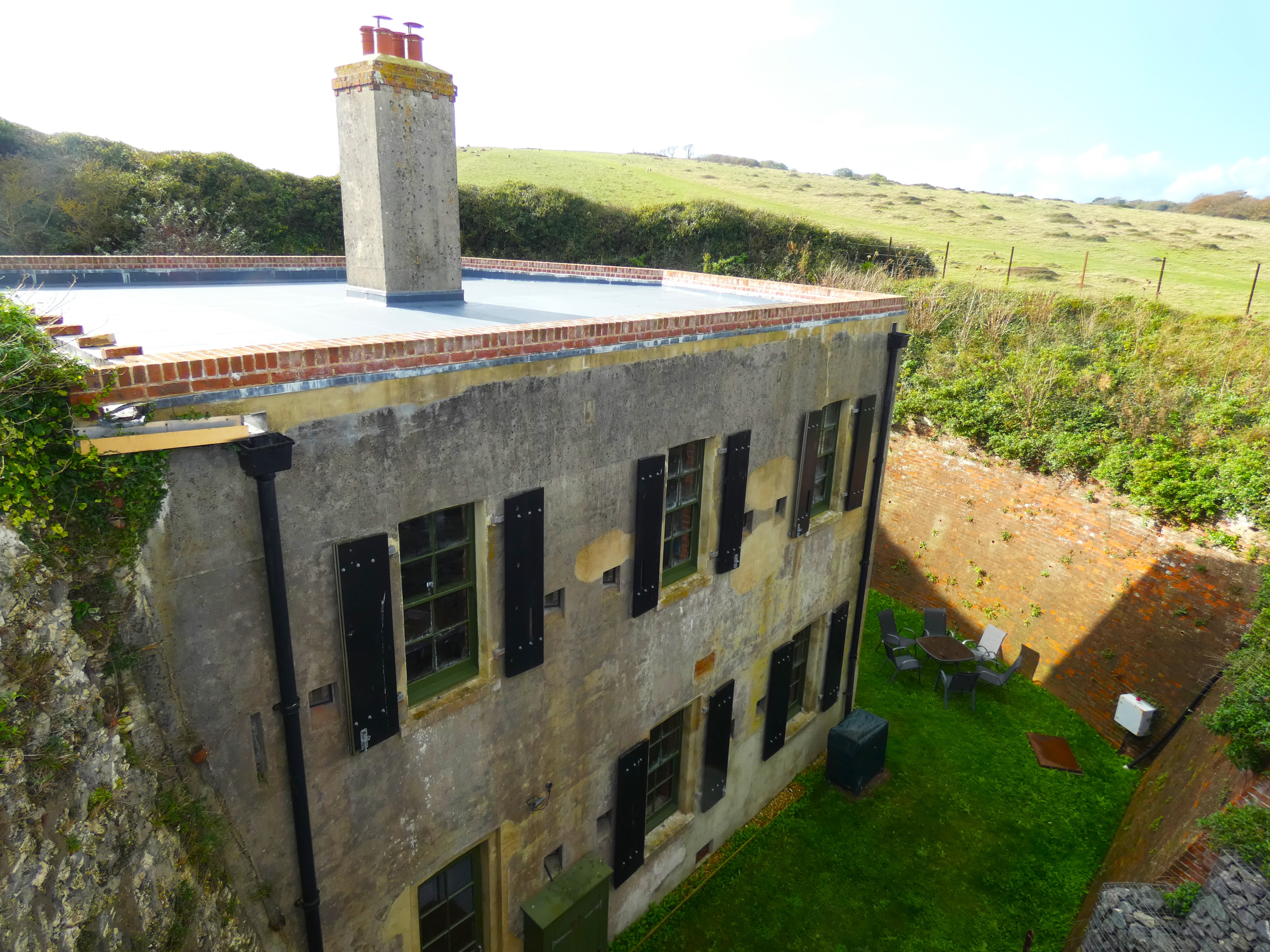
Its purpose was to defend Freshwater Bay, which was regarded as a possible landing beach for enemy troops. The fort is surrounded by a deep ditch to protect it from landward attack.
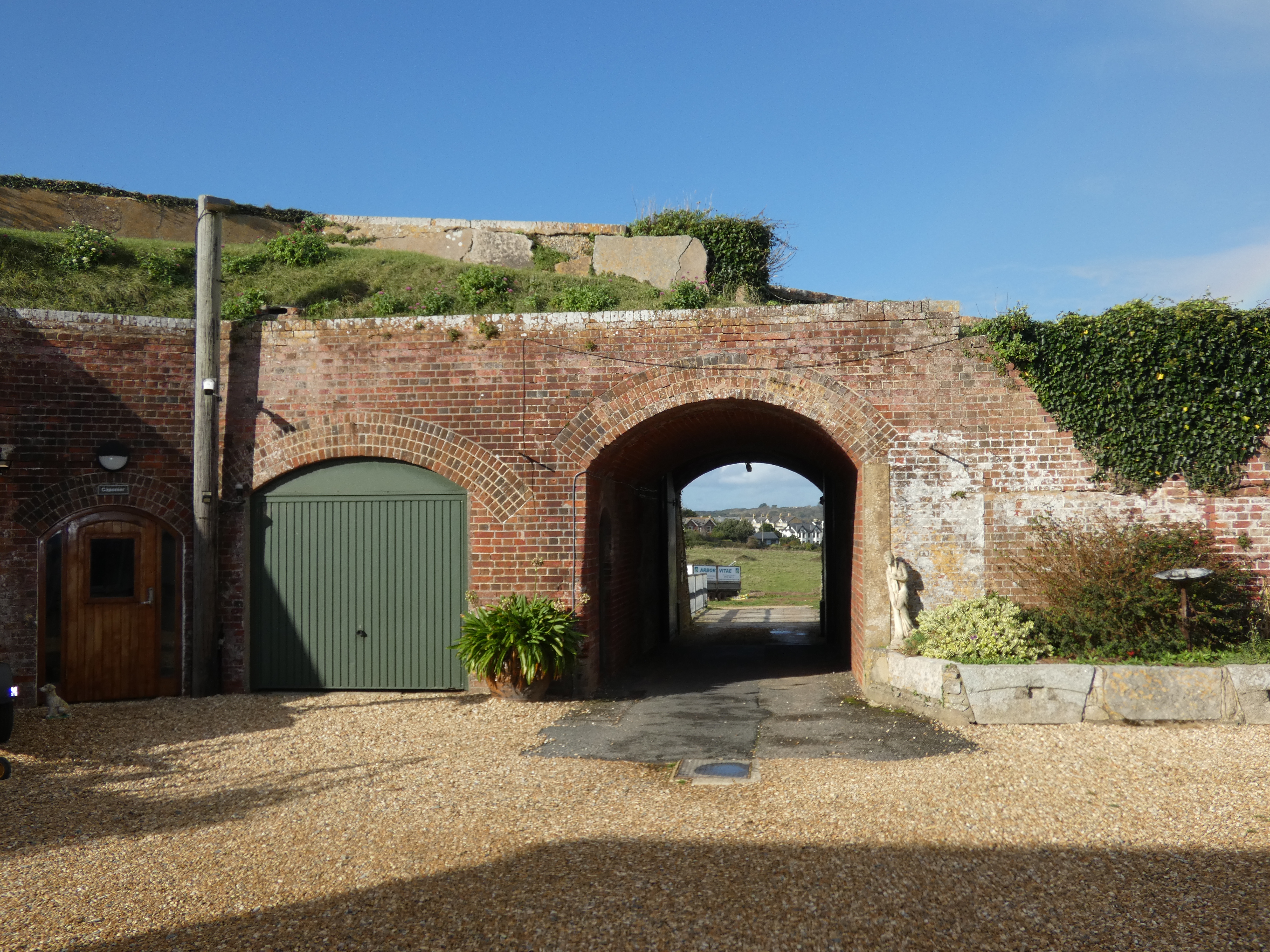
The original buildings remain and have recently been renovated. The Caponier building in the ditch once accommodated 24 men. (The word capionier originates from the French caponnière meaning ‘chicken coop’ – a capon is a castrated male chicken).
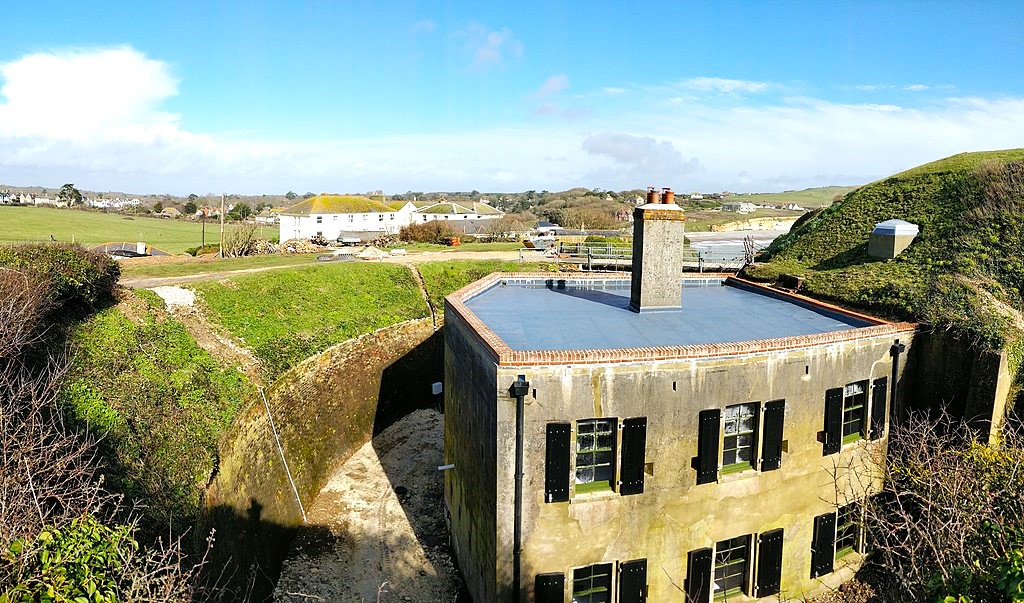
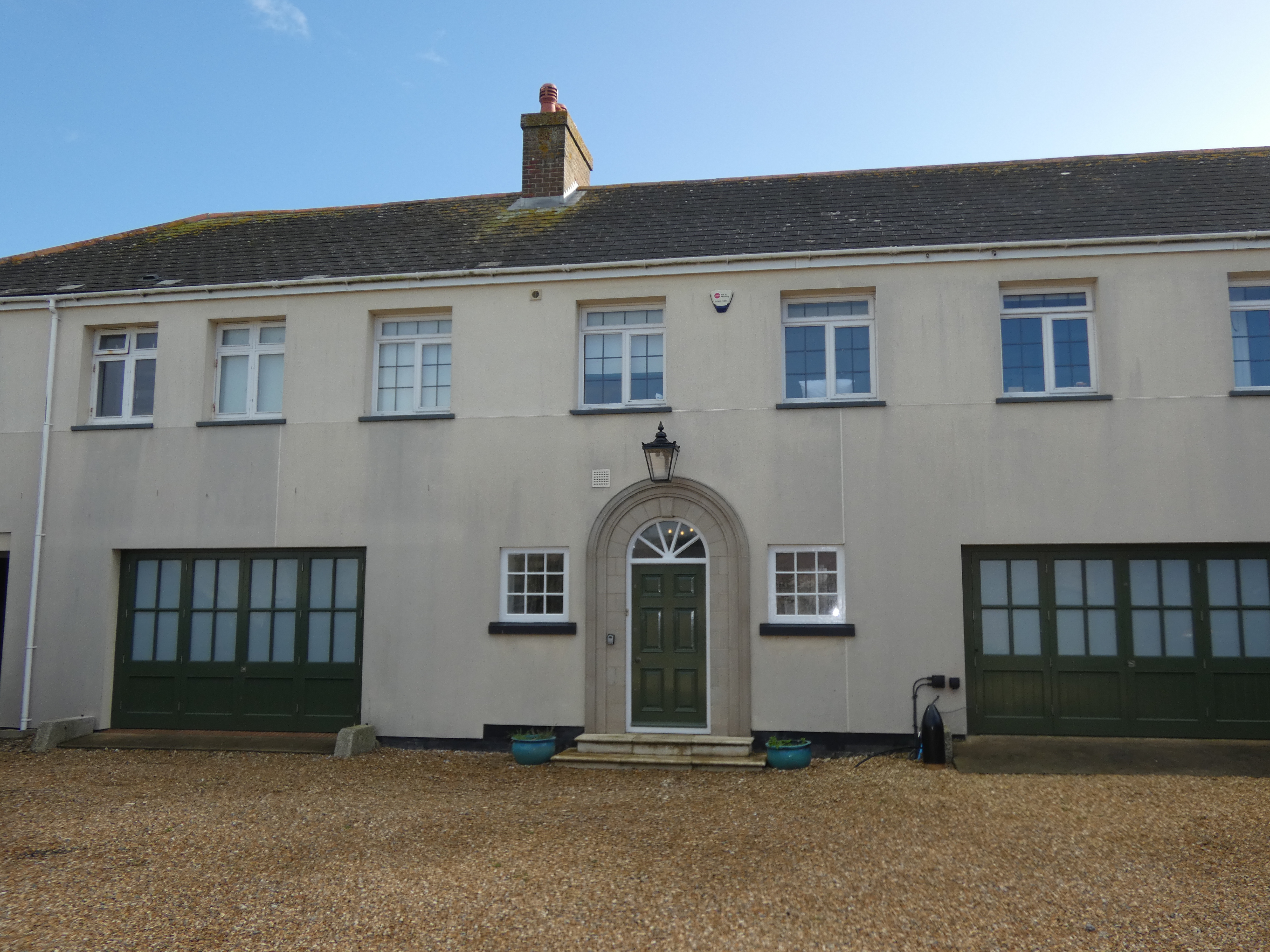
The main building was originally a single-storey barracks, comprising 3 Officers Rooms, a Staff Sergeant’s Quarters and rooms for 5 and 11 men. There is a further building – Moonfleet cottage – in the grounds, which was originally married quarters for master gunner.
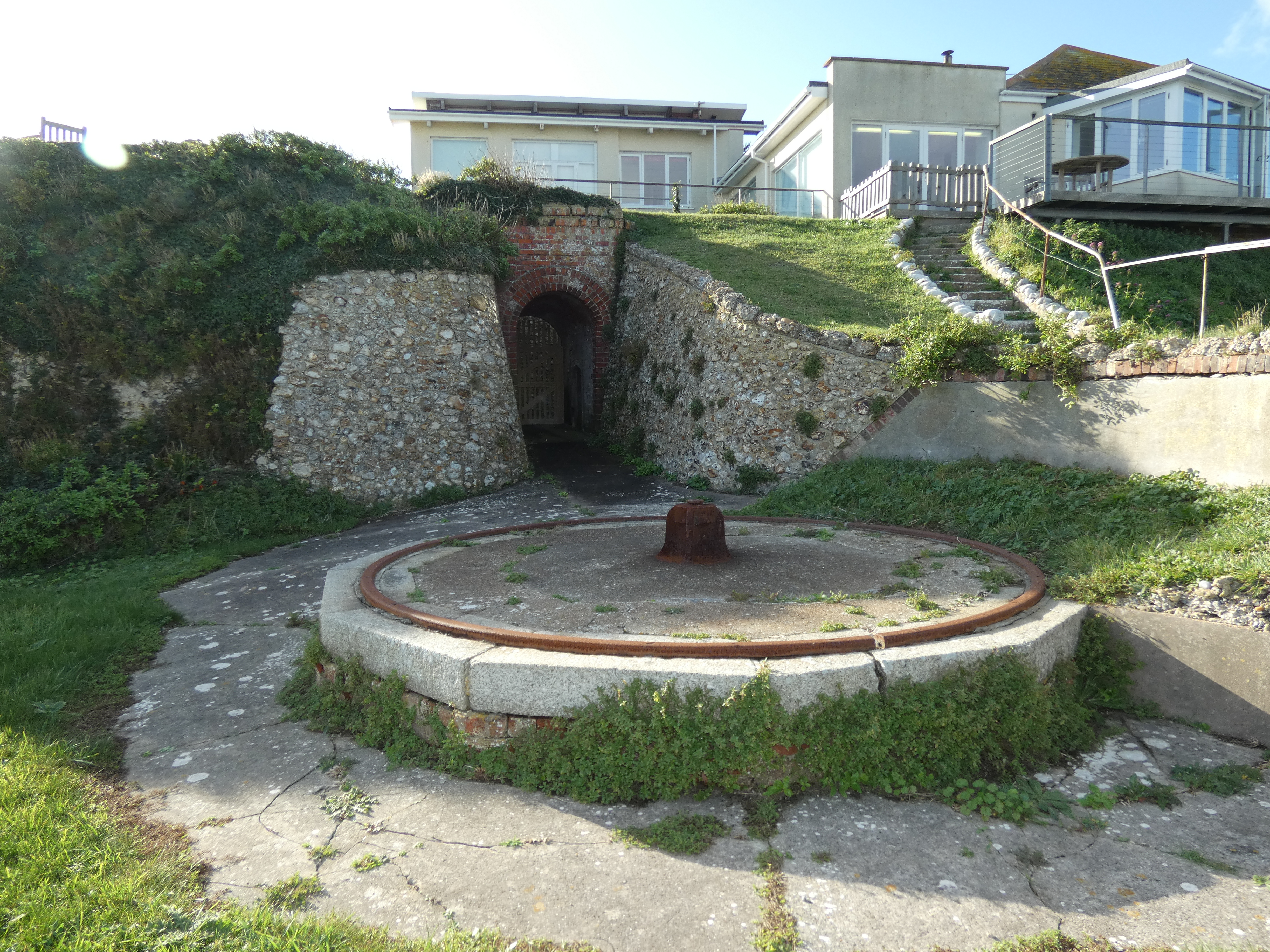
The Fort was defended by 2 batteries with 7 guns. The Upper Battery – facing the sea – had 4 gun emplacements; the Lower Battery – covering Freshwater Bay – had 3.
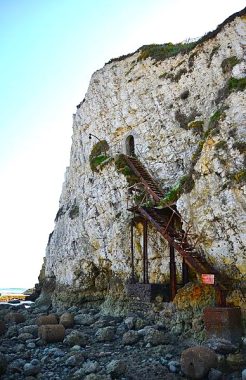
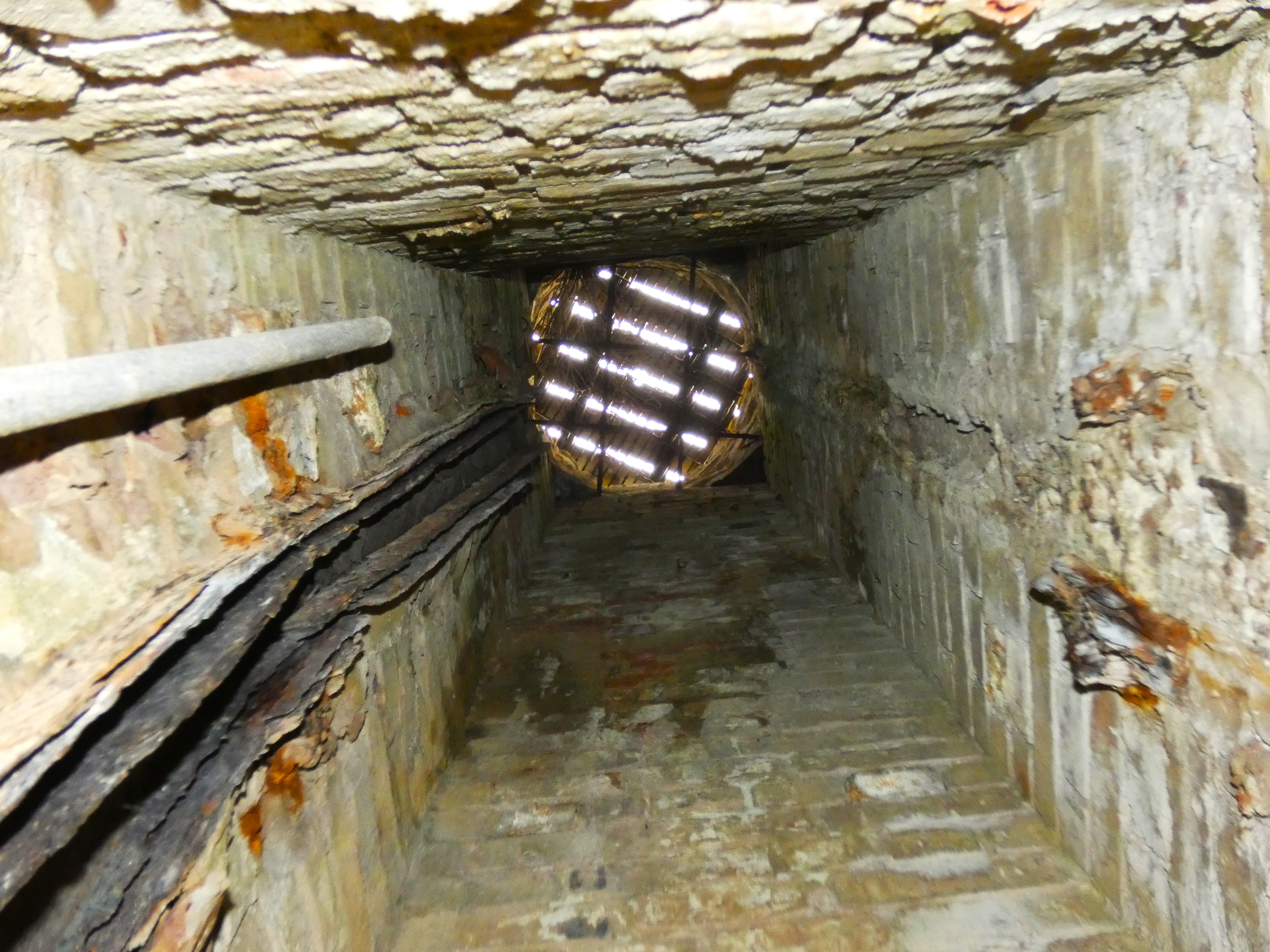
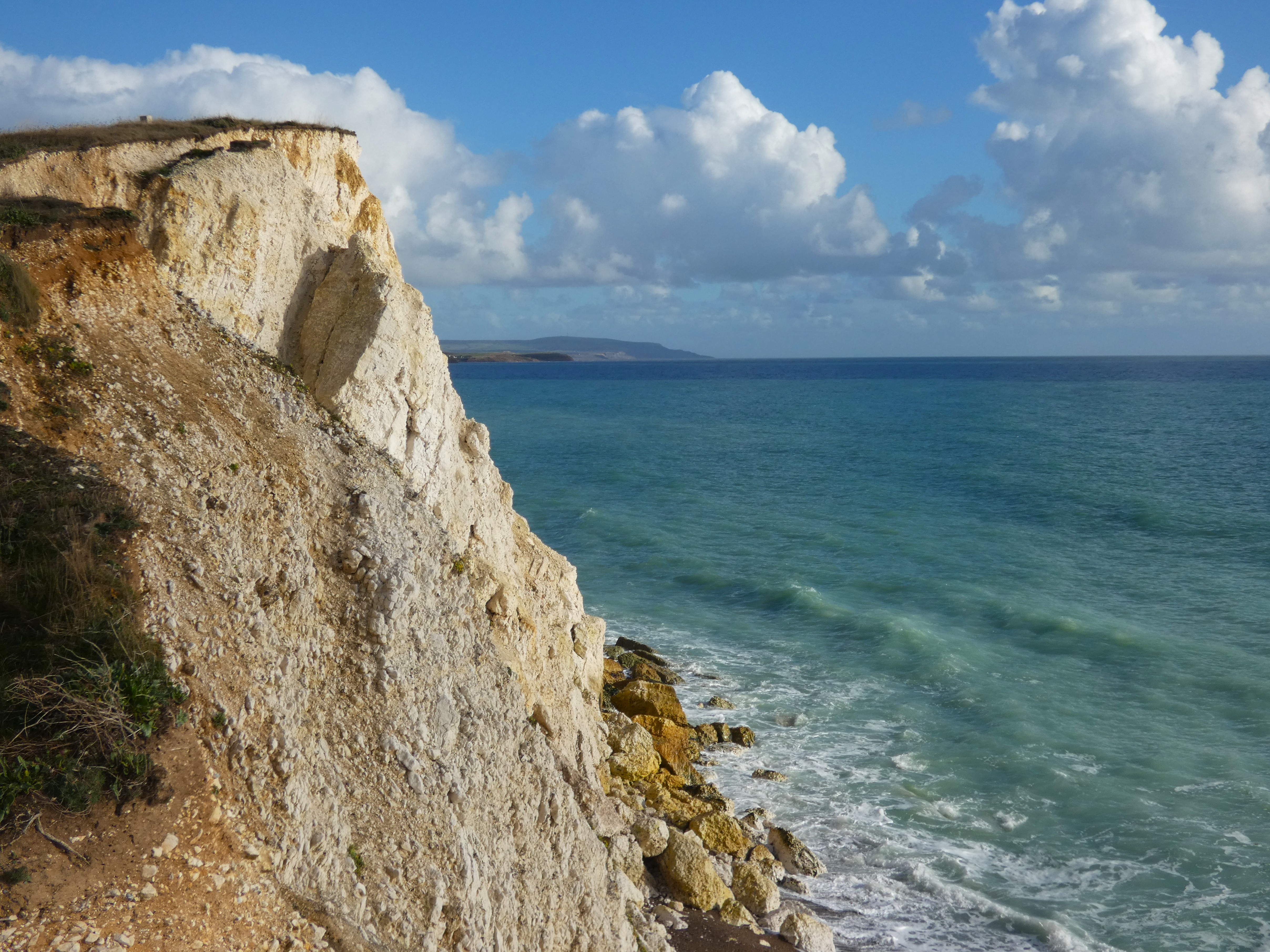
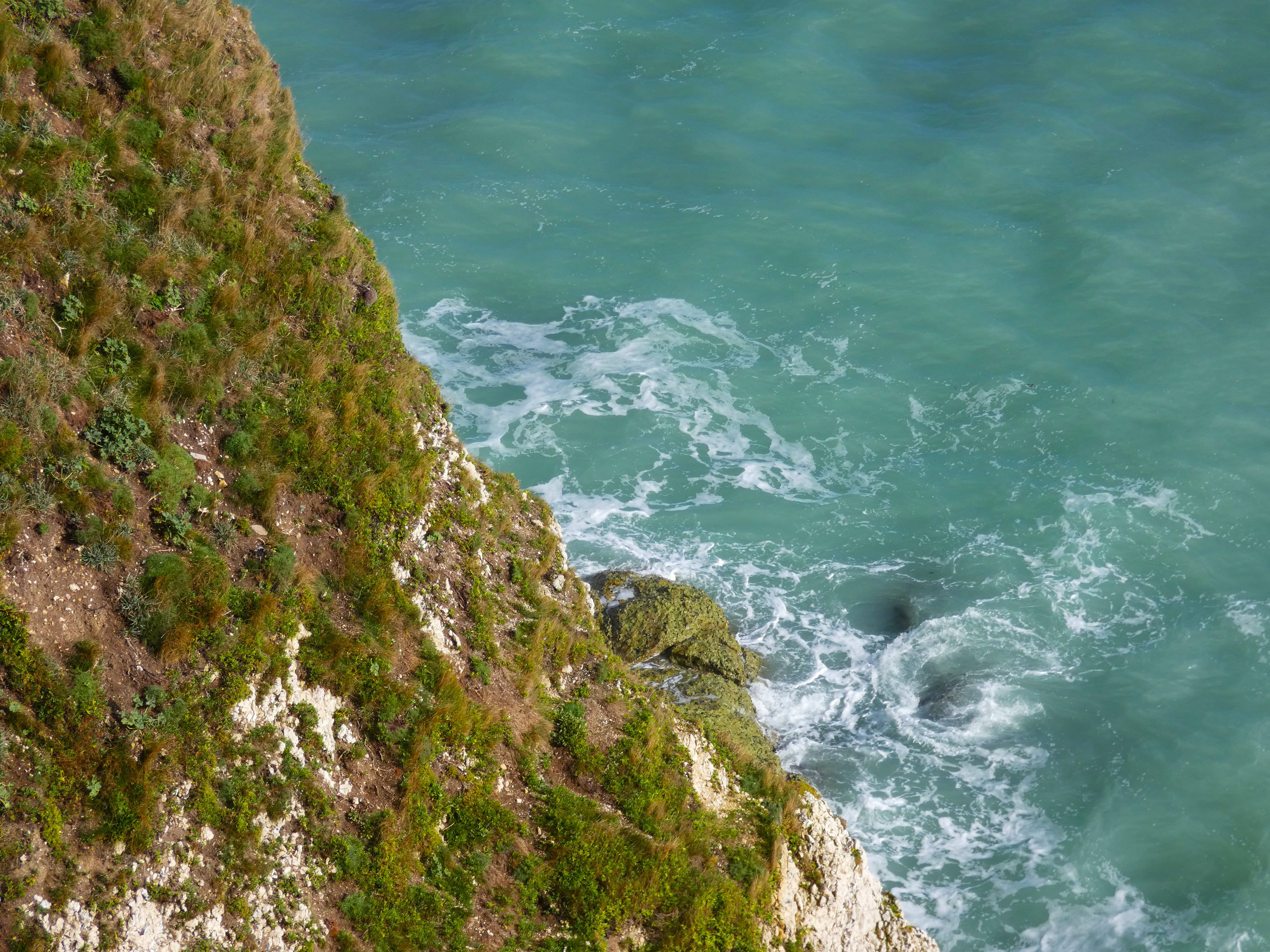
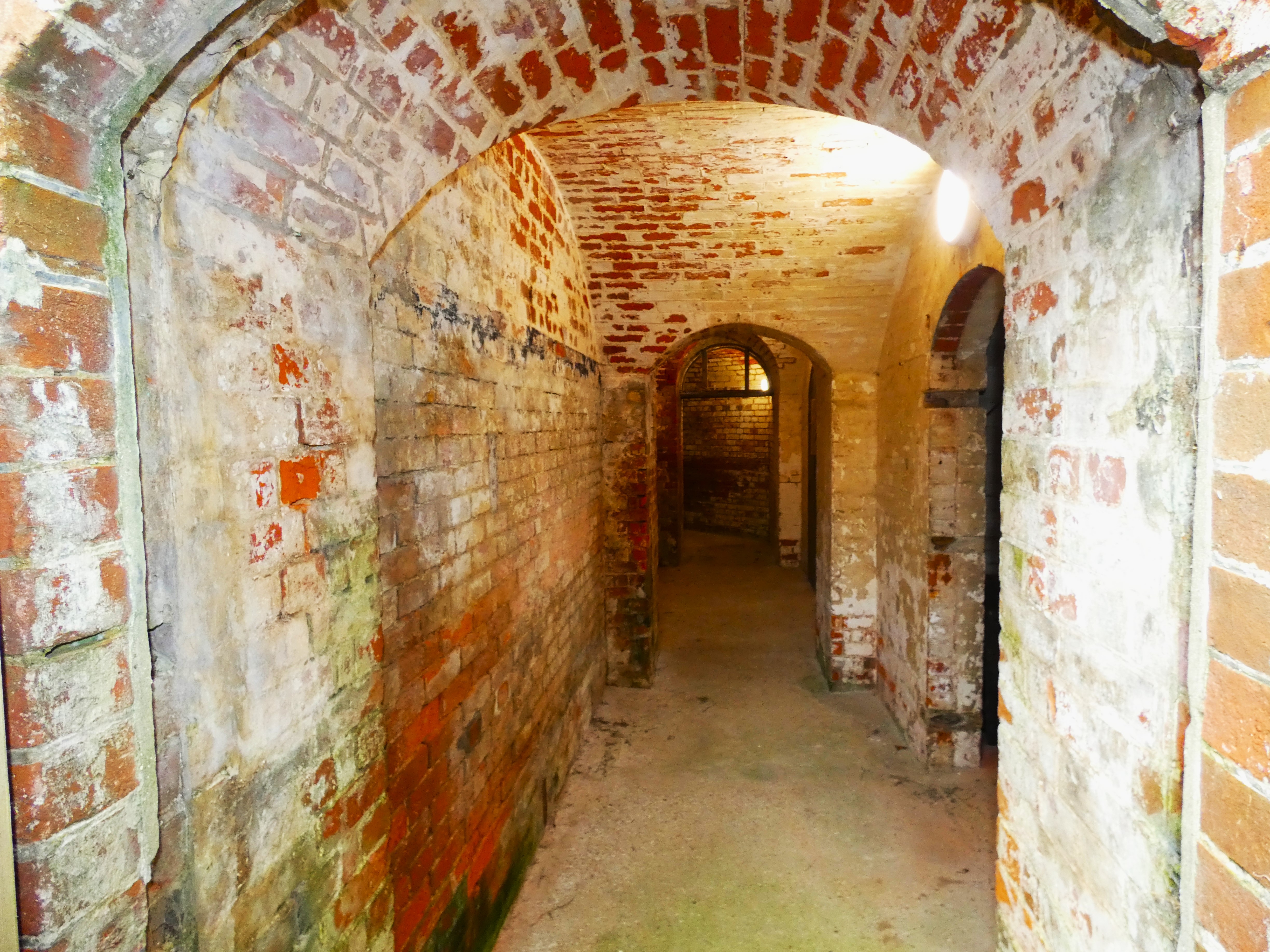
Under the fort can be found an impressive network of tunnels. One led to the cliff overlooking Freshwater Bay until destroyed by coastal erosion in recent times.

Fort Redoubt was decommissioned at the end of World War I and then sold by the army in 1928 to a Mrs Cross for for just £600 (£31,000 in today’s values). The Home Guard kept watch over the fort for possible Nazi attacks during World War II
The barracks were converted to a 2-storey private residence in 1936. The fort’s water tank then became a swimming pool. A helicopter pad was also built there. During the 1980s and 1990s, the main building was used as a tearoom.
In 2016, Fort Redoubt was put up for sale for a cool £3million.
Despite never seeing military action, the fort has had an interesting and, at times, tragic history.
The Isle of Wight’s most famous poet Alfred Lord Tennyson – who lived in nearby Farringford – is said to have been inspired by the sounds of gun practice to write his most celebrated poem: The Charge of the Light Brigade.
The composer Peter White wrote his opera Moonfleet while staying in the eponymous cottage in the grounds of the Fort.
On 2 occasions, suspected ‘spies’ have been arrested for apparently taking too great an interest in the fortifications.
!n 1914 – shortly before the outbreak of World War I – 2 Dutchmen, Jacob and Gerard Swets, were acquitted of a charge of espionage after taking photographs of Fort Redoubt in a prohibited area.
In 1915, the Revd J. Siviter – who had been serving at Totland Church – was arrested by 3 soldiers, blindfolded and frogmarched to the fort after being observed on the downs with a pair of binoculars. However, he was swiftly released when the commanding officer recognised him, laughed, and then apologised.
The clergyman received the following letter from the military authorities:
“I am very sorry that you should have been inconvenienced in the manner you were, but I feel sure you will understand that in these times [World War I] it is better to have a little overdoing of suspicions and zeal than the reverse.”
“I daresay you know that the disguise of a clergyman is, owing to their high character, a particularly formidable one with German spies.”
Fort Redoubt is also sadly associated with the tragic deaths of 4 of its garrison on 25th June 1901 when a 12-pounder quick-firing gun exploded during exercises. Captain Arthur Le Mesurier Bray, 33, and Gunner Charles Dornan, 20, were killed outright; Gunner Charles Ricketts, 29, and Bombardier Murdoch Macdonald, 23, later succumbed to their wounds.
There were many injuries. Gunner McGlocland lost his right hand; Gunner Malone had his arm blown off; Colonel Nixon was injured in the leg.
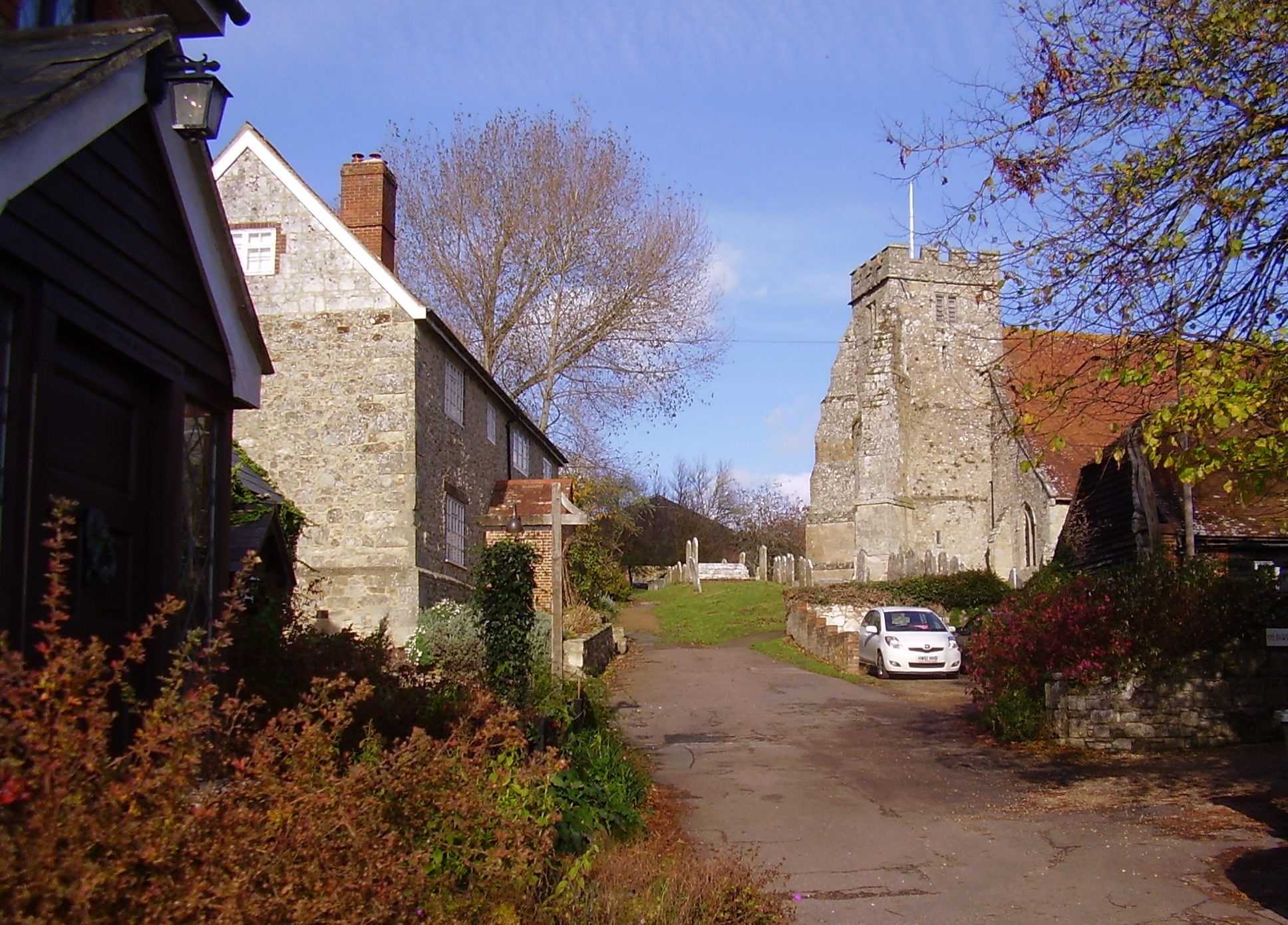
The 4 victims of the explosion were buried with full military honours at Freshwater’s All Saints Church. 1,500 troops took part in the funeral procession, and the route to the churchyard was lined with thousands of spectators.
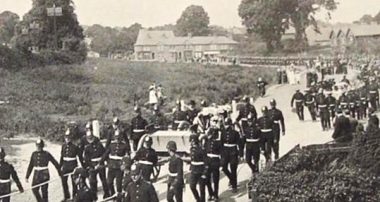
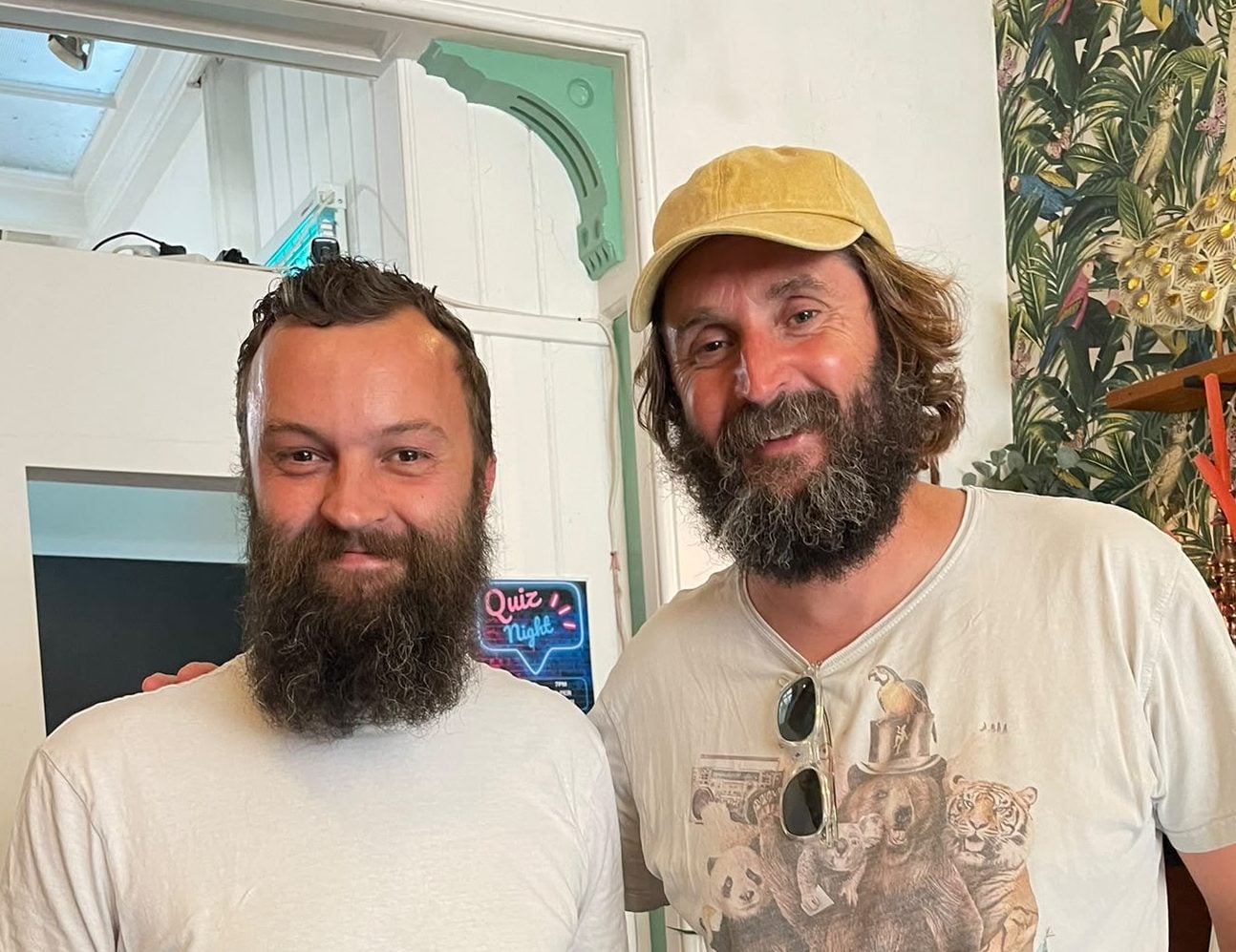
In 2016, Simon Hatch, who lives at Ford Redoubt, discovered their graves after hearing of the history of the explosion.
Simon has tended the graves ever since. The flag at Fort Redoubt is flown at half-mast every year on the anniversary of their deaths.
In our next edition of Isle of Wight Forts, Island Echo will look at some of the air defences that protected the Isle of Wight during World War II.





Nice historical story, it should be opened to the public a couple of times per year
Thank you IE – so interesting to read .
ps. You may need to check the “retrospective” dates in the sentence about the tea room….
“From 1997 until the 1990s, the main building was used as a tearoom”
Done.
Without a thank you
Thank you YJC.
A wonderful insight into our history.
Thank you.
Sounds most dad’s army ish with Vicar assumed to be a spy.
So nice the owner keeps the unfortunate soldiers graves tended too.
Please keep the island history alive absolutely fascinating
iThis is local journalism at its best,a story of facts and no political slant, no advating crypto currency, online gambling or get rich schemes like a certain article writer on the IOW news.
You have a similar fort in Bembridge which hopefully Island Echo will do a story on soon, Steynewood High Angle Battery