


















































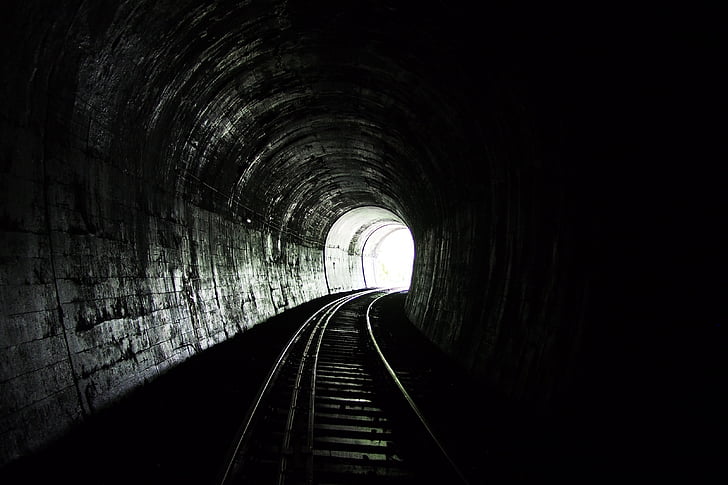

The Daily Telegraph published proposals for a submarine tunnel to connect the Isle of Wight with the British rail network on 21st November 1900 – 125 years ago today.
These proposals formed part of an official statutory notice for a Bill placed before Parliament for the necessary powers to bring the project to fruition.
The following quotations are taken from the Daily Telegraph article of that date:

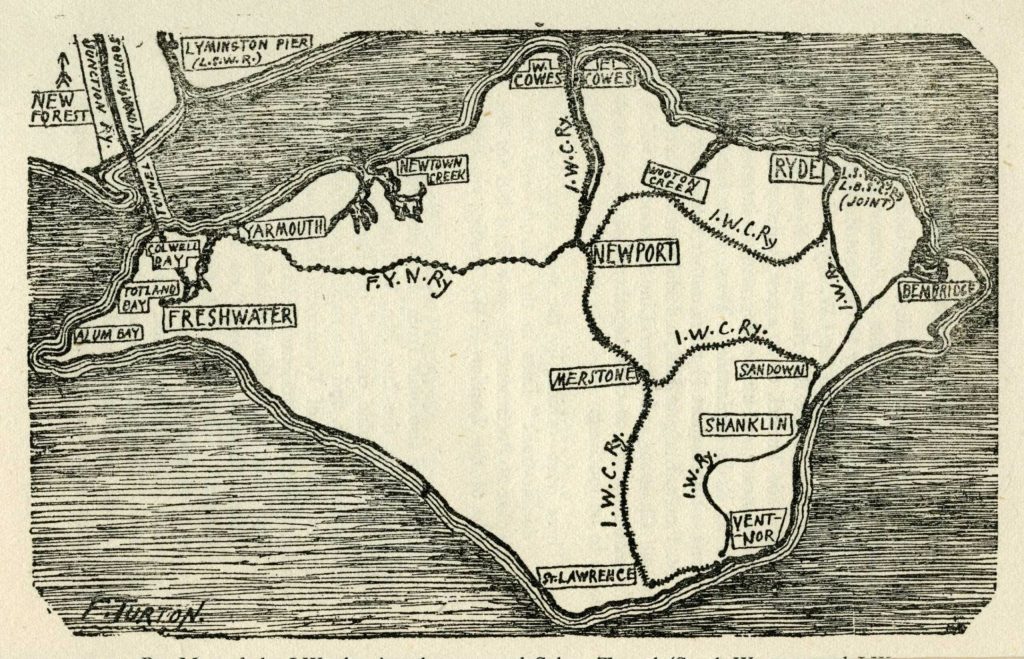
“It is proposed to burrow under the Solent from Hurst Castle to Totland Bay. The advantage of this selection is that a tunnel of not more than two miles in length will unite the Hampshire coast and the Isle of Wight, and the construction of some seven miles of line will place the railway system of Great Britain in direct connection with that of the Island.
“We appear destined to see trains running between various parts of the country and Ventnor, Sandown, Ryde and Cowes, and the length of the journeys correspondingly cut down. The Island will be easily accessible all year round, will no longer be liable to have its communication with the mainland cut off by for or storm, and will take its place as one of the most charming of winter resorts within speedy reach of London.
“An independent company, stated to be powerfully backed, has the enterprise in hand. The Bill seeks authority to construct a railway from a point in the parish of Sway, on the Brockenhurst and Lymington line, to the Solent.
“Hurst Castle projects well out into the Solent, protected by an accumulation of shingle, which is never submerged. The new railway will keep to the lee or northern side of this protection, and by gradual descent will reach the tunnel. After a journey of three or four minutes’ duration beneath the Solent, the traveller will again emerge into daylight, and a line of some two miles in extent will bring him to Freshwater and place him in connection with the railway system of the Island.”
The Daily Telegraph writer believed it would be possible to travel between Newport and London in 2 hours and 6 minutes – the same time as from London to Bournemouth. He did not think it would lead to the discontinuation of the ferry services as many tourists enjoyed the prospect of sea trips.

It was estimated that the cost of the tunnel would be less than £750,000 (over £80million in today’s values). It was thought the tunnel could be completed within 2-and-a-half years of the passing of the Act Of Parliament.
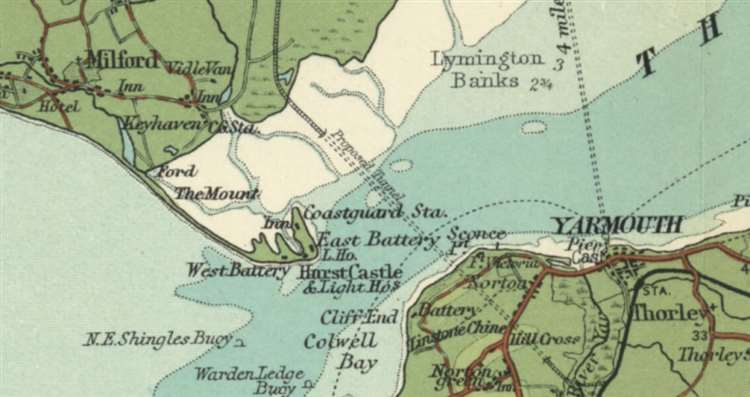
If everything had gone to plan, a fixed link between the Isle of Wight and the mainland would have been in place in 1904.
The article concluded:
“Three years hence, we may possibly see through trains taking people down to Cowes every day during the yachting week and bringing them back to town in time for dinner. At all events, London will be brought into much closer communication with a picturesque and salubrious Island, of which, owing to a geographical accident, now to be overcome, it has never been able to reap full benefits.”
Of course, the tunnel was never built. Has this been the Isle of Wight’s fortune or misfortune? Let us know in the comments.


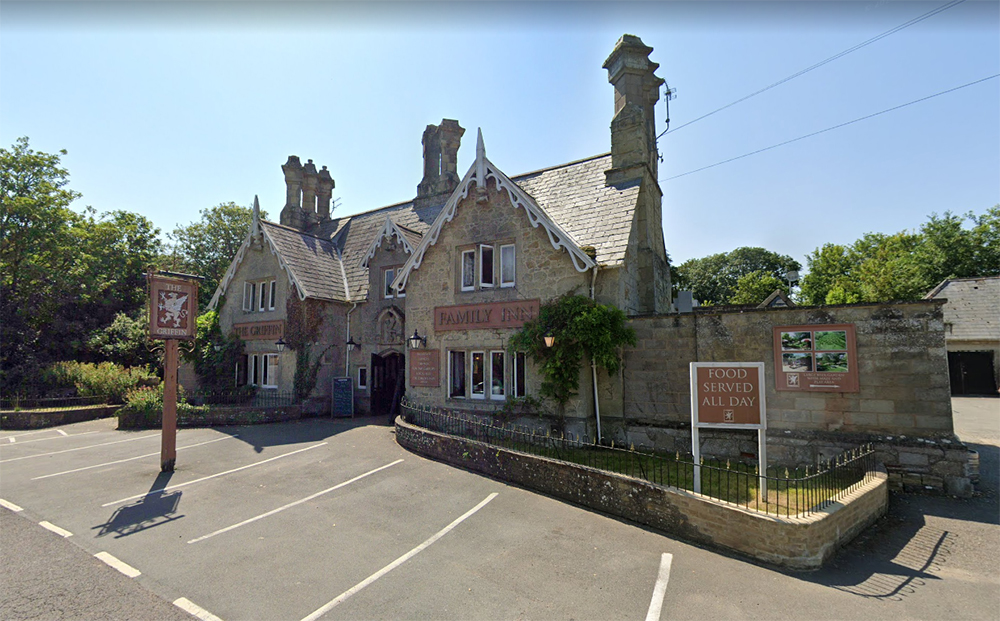
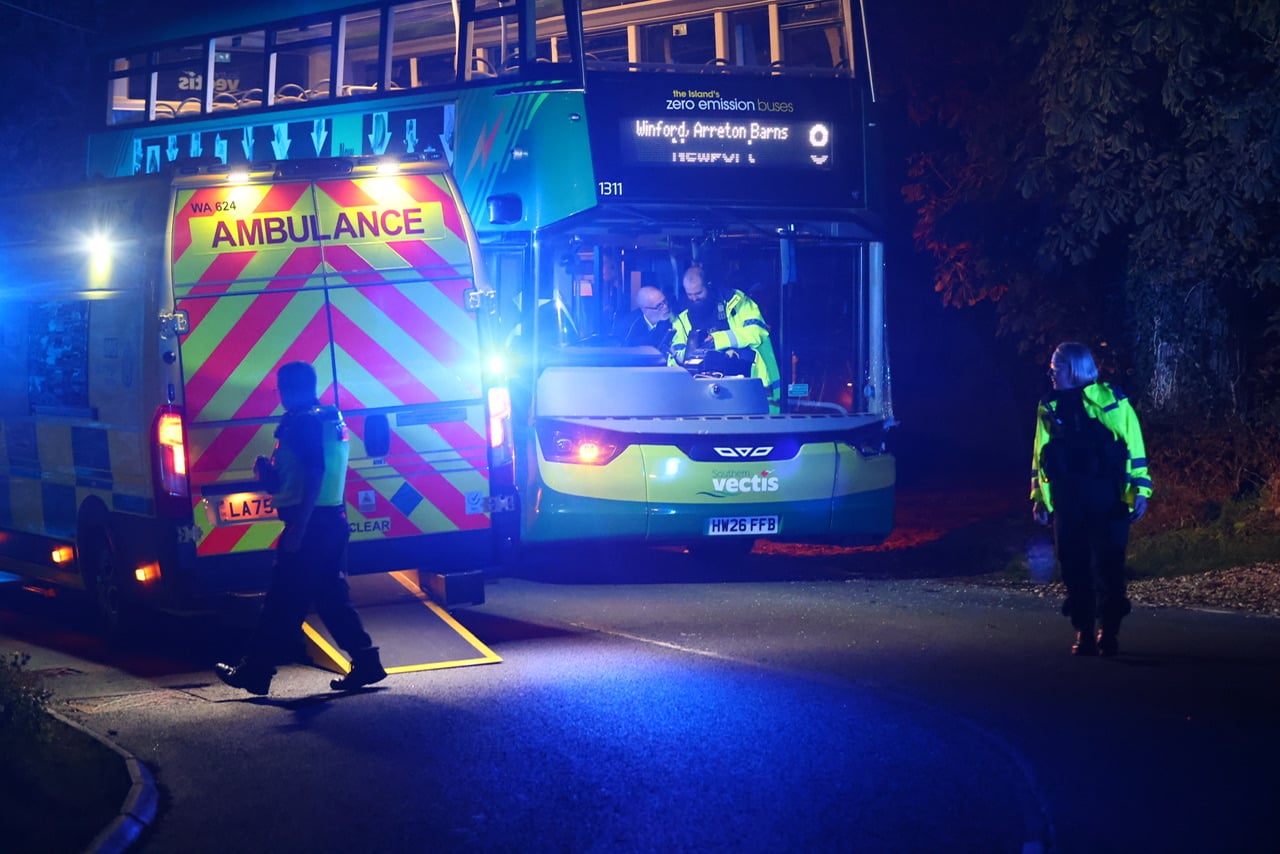







Very big misfortune, for if they did go ahead with it, the train line would still be on Island !!
The saddest thing is seeing the old map of the islands railways.
Should never have been scrapped.
Proved by how successful Havenstreet Railway is today.
The same mentality that drives right wing politics today was in play at the time Beeching proposed his cuts. The Conservative Transport Minister from 1959 -64, Ernest Marples, was a founder and shareholder of a road construction company Marples Ridgeway which built roads and motorways. Closing railway lines was financially sound but took no notice of the social impact. Sadly, Harold Wilson did nothing to stop the process when he became PM in 1964.
What you forgot to mention in your labour are wonderful party political broadcast was even in the the early 1960’s the wondrous british rail was costing the taxpayer 1 billion pounds a year in subsidy, or 5 per cent of our GDP, it was a shambles then and will be again under this governments plans for re nationalisation, there will be strikes every week for some spurious reason and still you cannot get them to run on time no matter how much money you throw at them.
Many of the railways on the European mainland are national assets. There must be something wrong with the way politicies are planned or implimented. The railways are important especially for the Southeast as commuting to London would be impossible by road, and there would not be suitable jobs outside London.
Your spot on, labour can’t go a month without a strike due to the many union members in it’s government who agree with them.
Such a great opportunity that is much needed now.
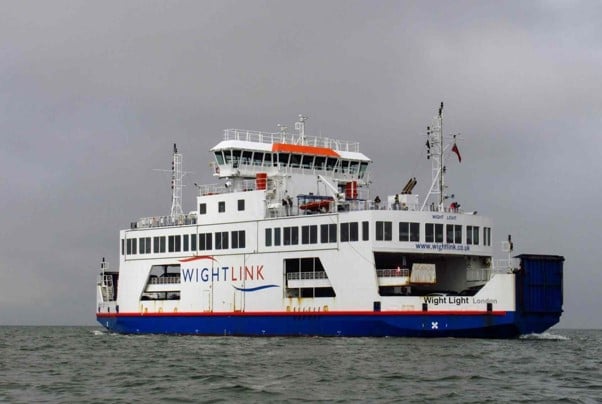
One way to dispose of the ferry companies.
Dont want don’t need a fixed link, if it’s not broken don’t try to fix it?
The ferry’s are all that’s needed or the island will be swamped all year round.
A fixed link would bring the island into the 21st century.
Better job prospects for Islanders and better health
options.
Etc etc
If the ferries were affordable and reliable, I would agree, but as we all know………
How out of touch you are. The Island economy is declining.
So true. If only. But will never happen as it’s too innovative and forward thinking. That’s threatening for many Islanders.