









































Last year’s Autumn Budget included the announcement of higher gambling taxes from April 2026. How will this affect the UK’s gambling industry and will it lead to more players gambling on unregulated sites on the black market?
While many MPs are in favour of such a move, others (and those in the regulated gambling industry) are concerned about the growth of illegal gambling. Labour MP Alex Ballinger considers the new measures to be “protecting people by incentivising gambling companies not to work in those areas.”
We’re just a few months away now from seeing remote gaming duty being increased from 21% to 40% as per the site rating casino bonuses. Next year will see General Betting Duty for remote betting rise to 25% from its current 15%. Both increases have been condemned by the gambling industry, particularly the online sector.


The Betting and Gaming Council (BGC) have been especially critical of the scheduled tax rises. They describe the regulated betting and gaming industry (those companies granted a licence by the UK Gambling Commission (UKGC) as “one of the UK’s few globally successful sectors.” The upward change in tax rates will “put at risk” that success.
One of their main concerns is that the tax rises will “distort consumer behaviour and drive customers out of the regulated market and into the arms of the harmful illegal black market.” The BGC believes that the actions of Chancellor Rachel Reeves are “not just short-sighted but dangerous.”
To understand that accusation, it is important to look at the unlicensed gambling market and why it is considered to be so dangerous. The black market presents problems for not just the regulated sites but also those who play at them and the Treasury.
As well as the tax increases, the past year has seen the UK’s online gambling industry face stricter regulation. The government and the UKGC wish to see the industry become safer for its players. This has included maximum stake limits introduced for online slot games that are felt to be highly addictive.
Players aged 18-24 are considered most at risk and they are now limited to staking a maximum £2 per spin. For older players, the maximum stake is £5 per spin. Despite these new limits, online slots continue to be highly profitable for online casinos.

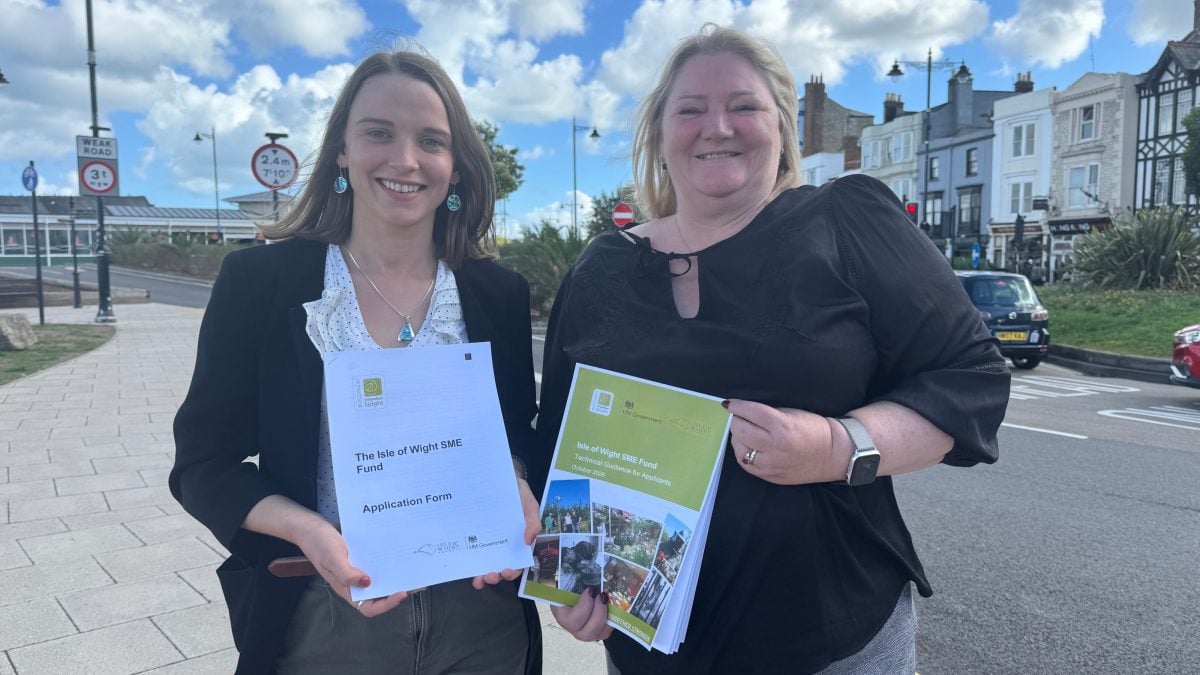
There have also been changes made to the bonuses that sites can offer. Wagering requirements have now been capped at 10x. With a mandatory levy also being introduced for UK gambling companies and funds raised could help those on the Isle of Wight who are suffering from gambling harm. But will the changes actually make gambling safer for players?
The stricter regulation that has been introduced only applies to the regulated industry. Those sites operating on the black market do not have to adhere to the new rules. They do not have maximum stake limits for online slots.
Sites can still make offers to customers that have high wagering requirements and other terms and conditions that can be considered to be unfair. No age checks or affordability checks take place either making it considerably less safe for those who join the sites.
The illegal sites do not make any contributions to the mandatory levy and no tax payments are made to the Treasury. If more players begin to gamble at these sites that will affect the amount of additional tax revenue that is expected to be received.
Conservative MP Louie French has previously said that he does not “mind bashing the bookies” but is worried about the unregulated market growing as has happened in other countries (for example, the Netherlands) when stricter measures have been introduced. The MP believes the unregulated sites are “far more dangerous for children and adults alike.”
Labour MP Gareth Snell referred to a report from the Office for Budget Responsibility. That mentioned that more players would join unregulated sites. The MP said that this would “raise much less revenue and, ultimately, will be much more damaging to our economy.”
In addition to concerns over the black market, MPs have also been talking in the Commons about possible job losses in the industry. Since the tax increases were announced, gambling companies have been considering making cuts. That could see some land-based shops in the Isle of Wight closing.
Grainne Hurst, the CEO of the BGC, has said that MPs “were right to highlight the real-world consequences of further gambling tax rises which will result in job losses, shop closures and will drive customers towards the unsafe and harmful black market.” The CEO added that the tax increases have “handed a gift” to the black market. Her advice to the government is to “take an evidence-led approach that supports jobs and growth, protects funding for charities and avoids rewarding the illegal and harmful black market.”
Some decisions made regarding tax increases have been subject to some form of U-Turn. There is no sign of any changes being made to the gambling tax announcements. Just how the tax increases and any further stricter regulation will affect the gambling industry is going to be fascinating..