






























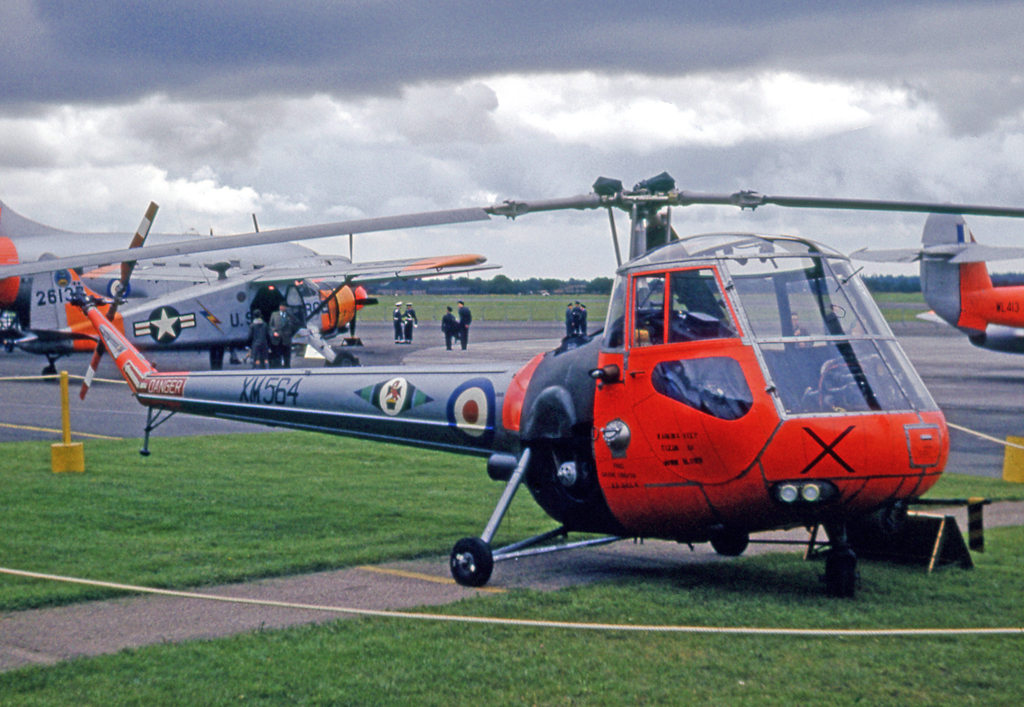

East Cowes’ Saunders-Roe (SARO) was involved in the design and construction of parts for the revolutionary Skeeter helicopter.
There are few technological innovations of the 20th century in which the Isle of Wight has not been involved. In the previous century, we designed and built revolutionary airships, flying boats, hydrofoils, hovercraft, space rockets and electric cars, to name but a few.
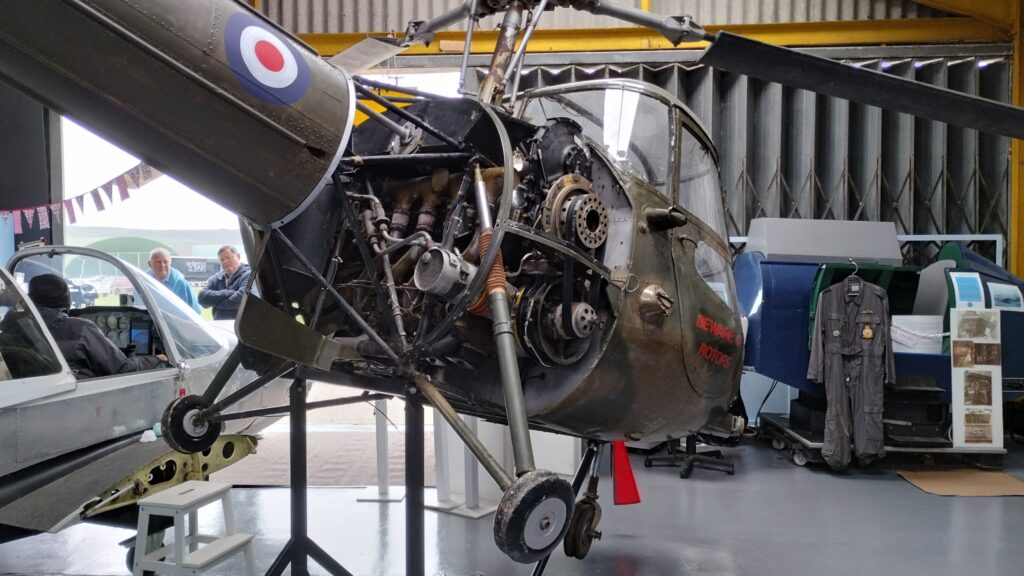
In this edition of Made on the Wight, Island Echo examines the development of the Skeeter helicopter – colloquially known as ‘the flying tadpole’ – which was the forerunner of the British army and navy helicopters used in conflicts such as Northern Ireland and the Falklands War.


It was given the flying tadpole moniker as its shape was said to resemble that of a legged tadpole just before it absorbs its tail to emerge as a young frog. However, despite its ungainly appearance, the Skeeter was reportedly highly responsive and incredibly smooth to fly.
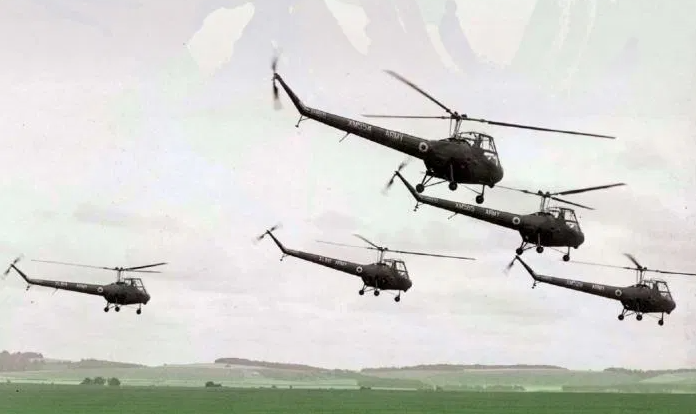
The story of the Skeeter begins in 1947 with the Cierva Autogiro Company of Eastleigh. The company had been set up to further the designs of Spanish engineer Juan de la Cierva, a Spanish engineer and pilot, who was sadly killed in an air accident in the 1930s.
The first prototype Skeeter made its maiden flight at Eastleigh Airfield in 1948. It was intended as both a civilian craft and for use in aerial observation duties for the military. A Mark 2 version of the Skeeter was then produced with a more powerful engine that performed its first flight in 1949. However, the Mark 2 suffered from severe ground resonance problems (similar to the behaviour of a washing machine when clothes are concentrated in one place during the spin cycle). The problems proved so great that the Mark 2 destroyed itself during ground testing the following year.
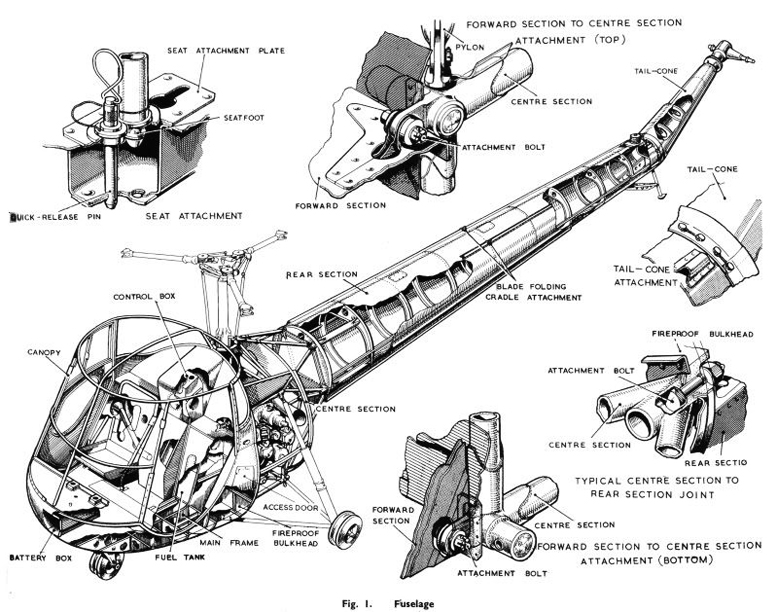
Despite the problems with the original Skeeters, the British Ministry of Supply made orders for 3 of the helicopters – two Mark 2s and a Mark 3 – for use with the RAF and Royal Navy.
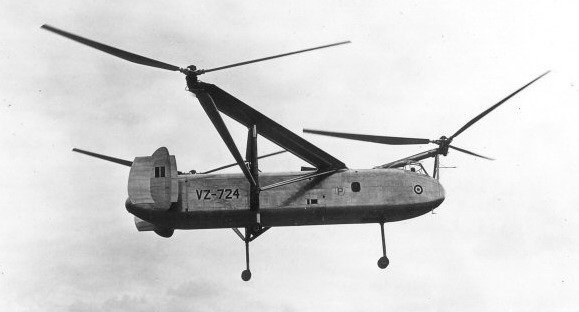
Tragedy struck the Cierva Autogiro Company in the summer of 1950 when the high profile fatal crash of the Cierva Air Horse led to their main financial backer withdrawing his involvement in helicopter development. In 1951, Saunders Roe completed its take over of Cierva’s helicopter development contracts. From that point, much of the design, testing and production of parts was to take place in East Cowes.

By 1953, the British Army was looking for a low cost 2-seat helicopter, suitable for reconaissance, casualty evacuation and training. The helicopter required flight endurance of one hour and the ability to carry light cargos and stretcher-bound wounded troops. The Skeeter Mark 5 met many of the requirements, leading to an order for 4 Mark 6s being placed.
The Skeeter could cruise at a speed of 106mph, had a range of 260miles and could fly for 3 hours to a total height of 12,800feet.
The improved and revamped Skeeter made a favourable impression on West German government officials, leading to a sizeable order – on condition that it was also adopted by the British armed forces. In 1956, the Government finally ordered 64 Skeeters, with delivery commencing in 1958.
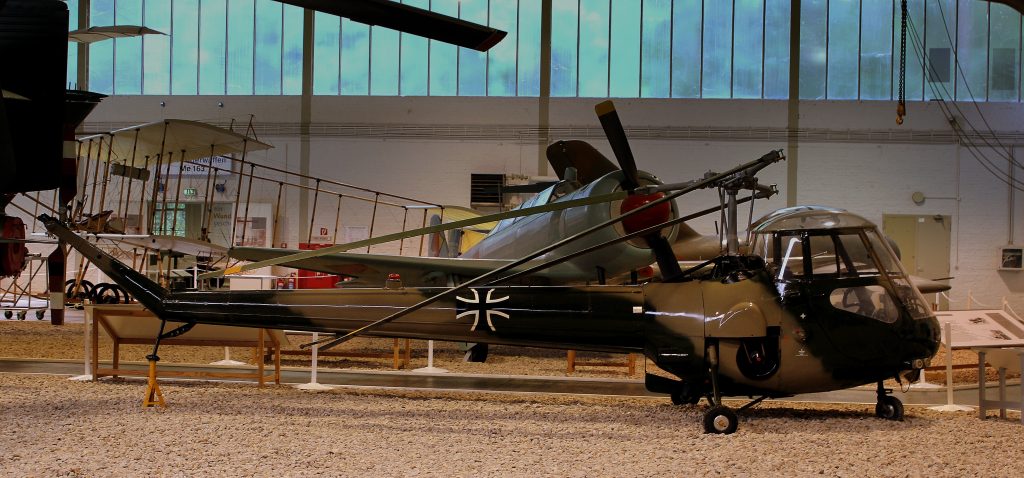
The next development of Saro was the P.531. This was a larger version of the Skeeter with 5 seats (later 6) which used turbine power. The first P.531 flew on 20th July 1958. 3 were delivered to the Royal Navy’s Fleet Air Arm for trials and familiarisation. This led to an order for a further 30.
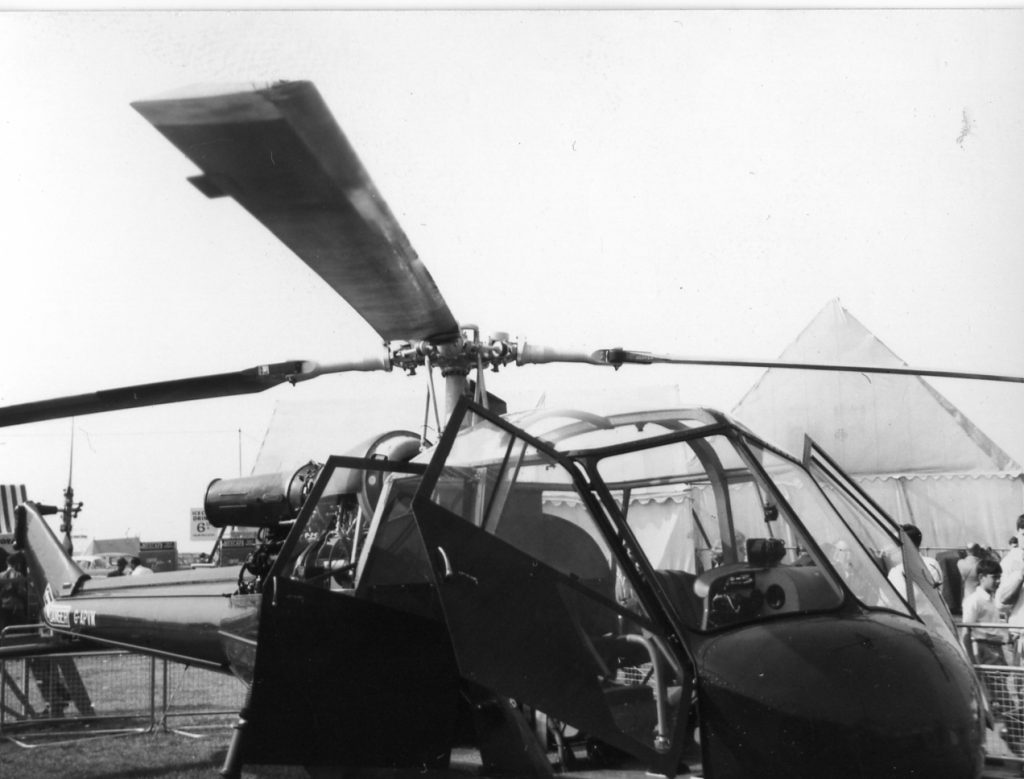
Saro also had an order of 8 P.531s from the Army Air Corps. These were to be known as the Saro Sprite.
However, before either order could be completed, the helicopter activities of Saro were merged with those of Westland Aircraft (based in Yeovil in Somerset) in 1960. The 30 ordered by the Royal Navy were given the moniker of the Westland Wasp; those used for the operations of the army became known as the Westland Scout.
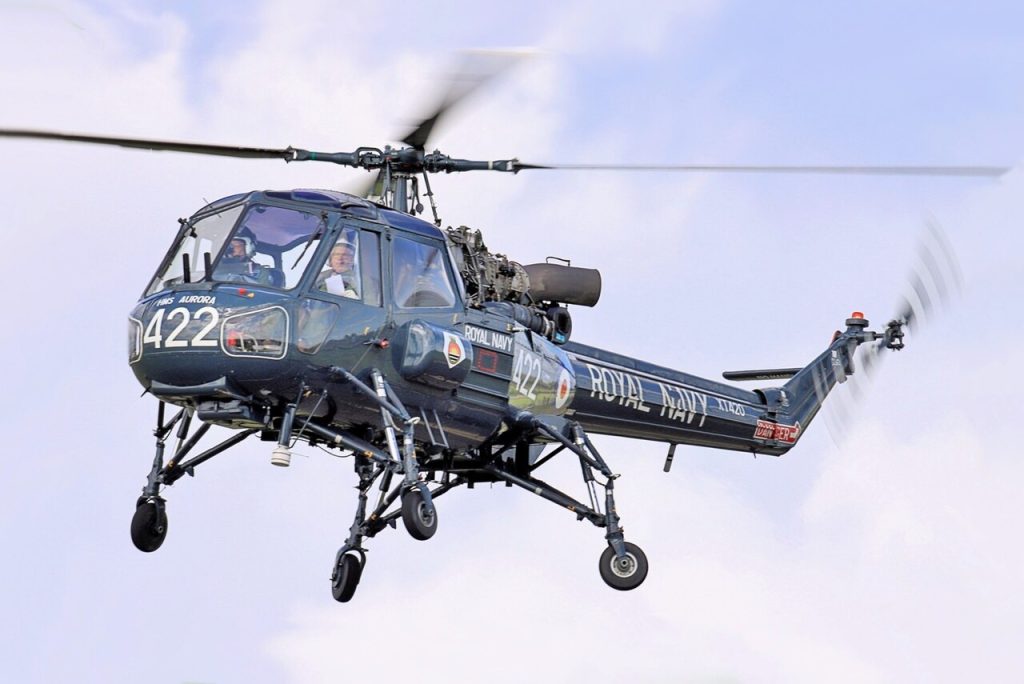
The Scouts formed the backbone of the British Army Air Corps throughout the 60s and into the 80s, playing an important role in both the Falklands War and Northern Ireland troubles.
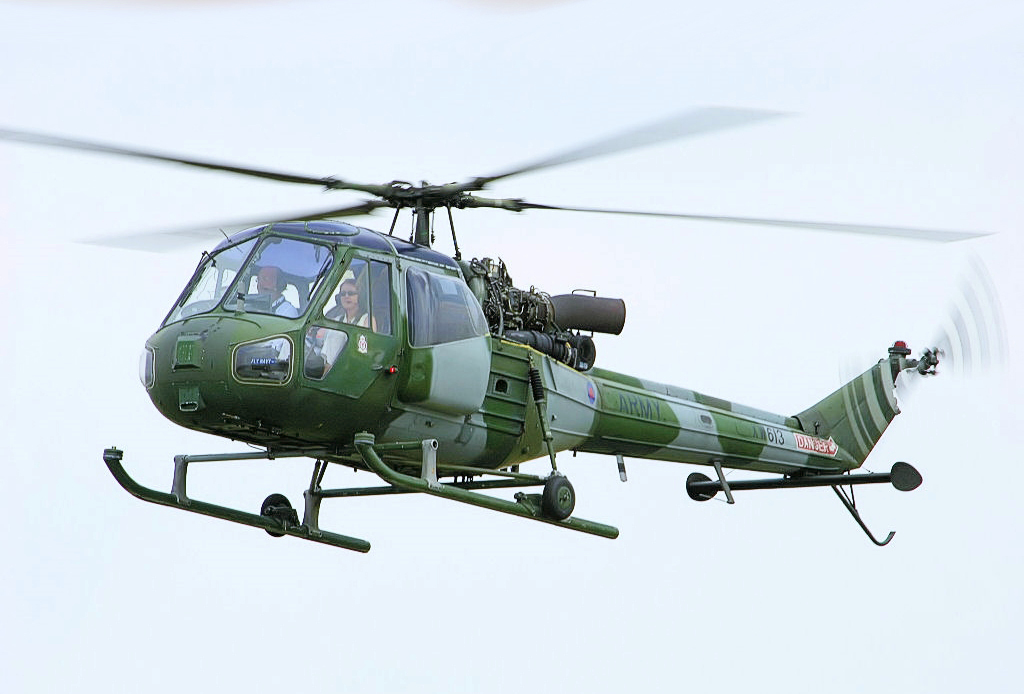
The Westland Wasp was even more successful as a submarine hunter and killer. In 1982, 3 Wasps from HMS Endurance and HMS Plymouth forced the surrender of Argentinian sbumarine Santa Fe in South Georgia after it had been stuck by anti-ship missiles. The Wasps were also highly successful exports, seeing service in the Royal Malaysian Navy, Royal New Zealand Navy, Royal Netherlands Navy as well as the Brazilian, Indonesian and South African navies.
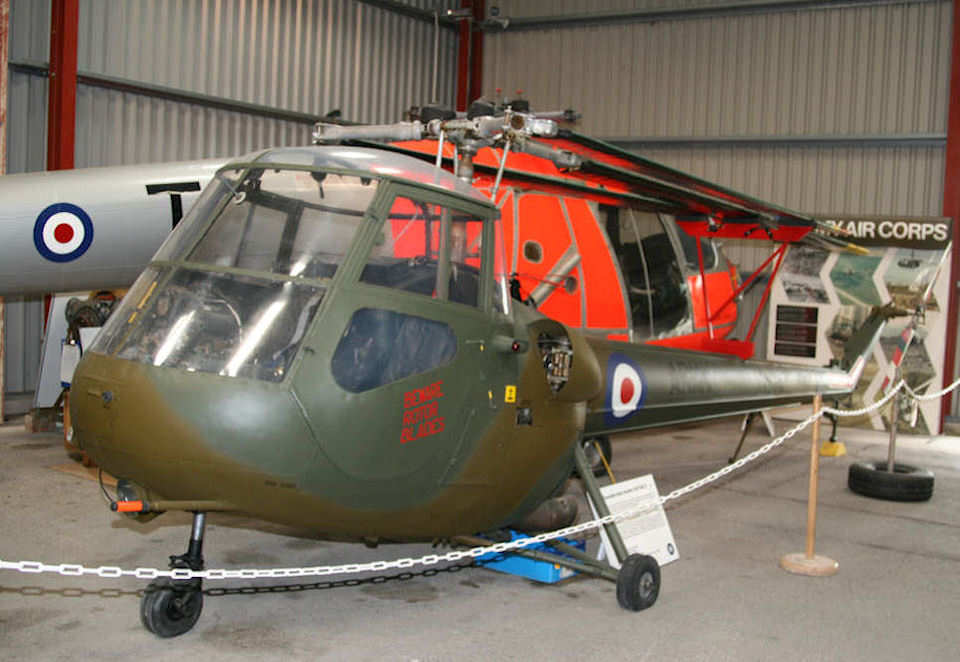
14 Skeeter helicopters remain to this day in Poland, Germany and the United States. One can be seen on the Isle of Wight – at the Wight Aviation Museum at Sandown Airport.