















































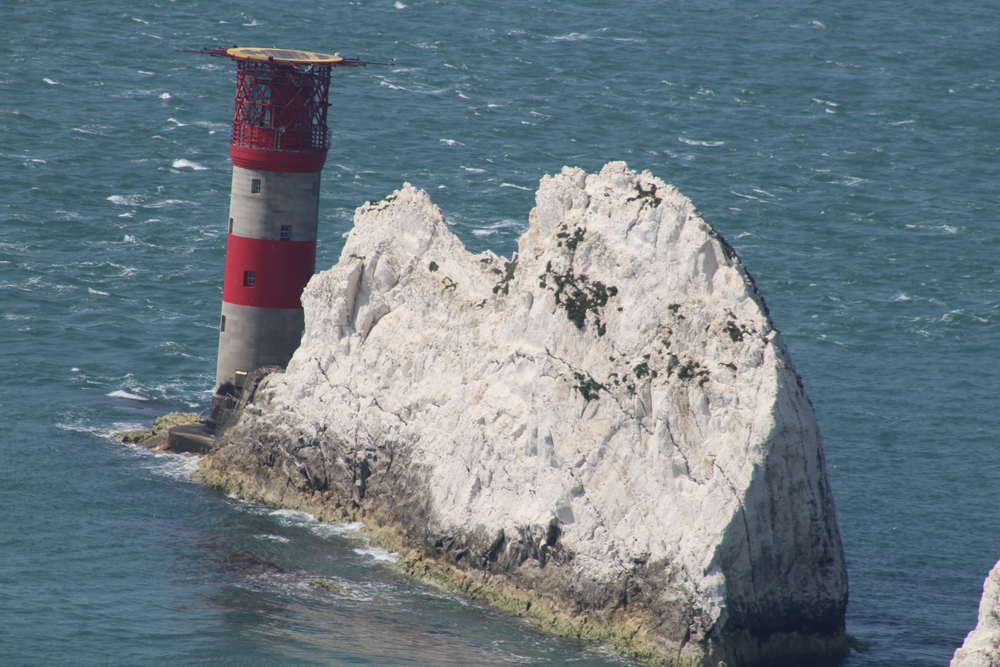

One of the Isle of Wight’s most famous landmarks – the dramatic chalk stacks of The Needles – was officially secured for the nation on 13th September 1975, 50 years ago today.
The deal ended years of uncertainty over the site’s future, ensuring this iconic stretch of coastline would remain protected for generations to come.
The purchase was made possible through public donations to the National Trust’s Neptune Coastline Campaign, launched in 1965 to safeguard Britain’s most treasured shores from overdevelopment. At the time, the £17,000 purchase price – equivalent to around £165,000 today – was a significant sum, raised through a combination of individual contributions, legacies and local fundraising events.


The Needles’ story is as much about defence as it is about natural beauty. The Old Battery, perched above the sea and built in the 1860s, remained an active military post during both World Wars. In 1944, radar equipment was installed, and the site’s guns were used to deter German torpedo boats attempting night landings on the Island’s vulnerable western coast.
Further inland, the New Battery – constructed in 1895 to take pressure off the fragile cliffs near the Old Battery – went on to play a more unexpected role in British history. From the 1950s to the 1970s, it became one of the UK’s most secretive rocket testing facilities. Beneath the surface, in fortified underground laboratories, scientists developed rockets such as Black Knight and Black Arrow. It was here that technology was refined for the 1971 launch of Prospero X-3, the only all-British satellite to reach orbit.
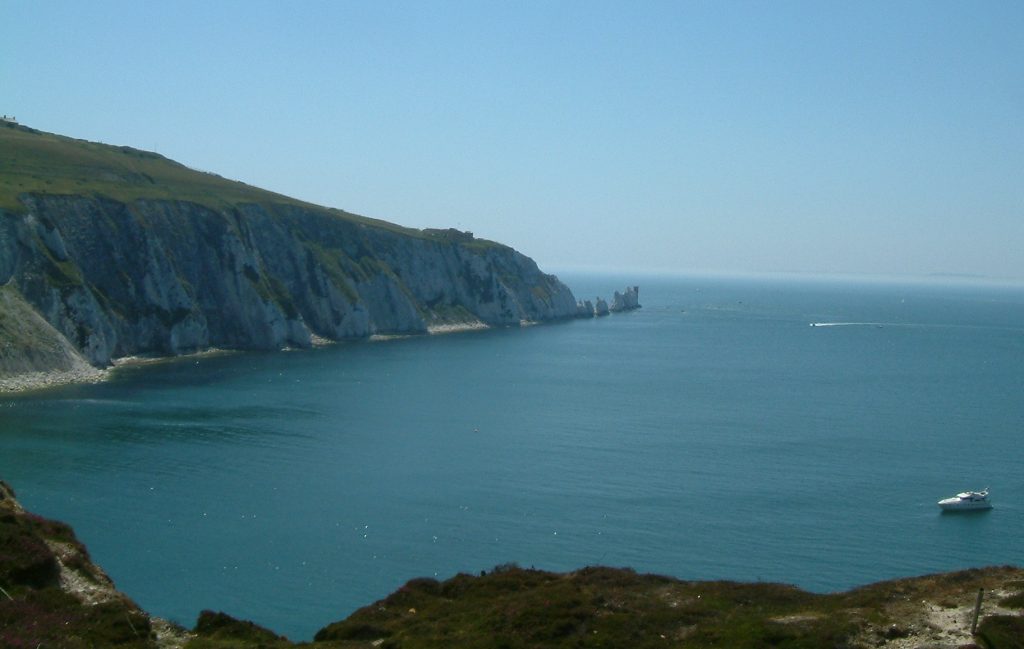
When the rocket testing programme ended in the early 1970s, the military left, and the site’s future became uncertain. With no guaranteed public access and the risk of commercial development a real possibility, local campaigners feared losing one of the Island’s most cherished viewpoints. The National Trust – already committed to protecting key stretches of coastline – identified the Needles headland as a priority for its Neptune Coastline Campaign.
The successful purchase on 13th September 1975 secured not only the famous chalk stacks but also the historic Old and New Batteries, surrounding downland and access paths. The site was placed into the Trust’s care, guaranteeing its preservation in perpetuity.

Since then, the National Trust has maintained and restored both Batteries, opening them to the public so visitors can explore their military past and Cold War secrets. Footpaths along the cliffs remain open, offering panoramic views across the Solent and out to sea. What was once a fortress and later a high-security research base is now a destination for walkers, photographers, and those simply seeking the Island’s most dramatic sunset.