





























































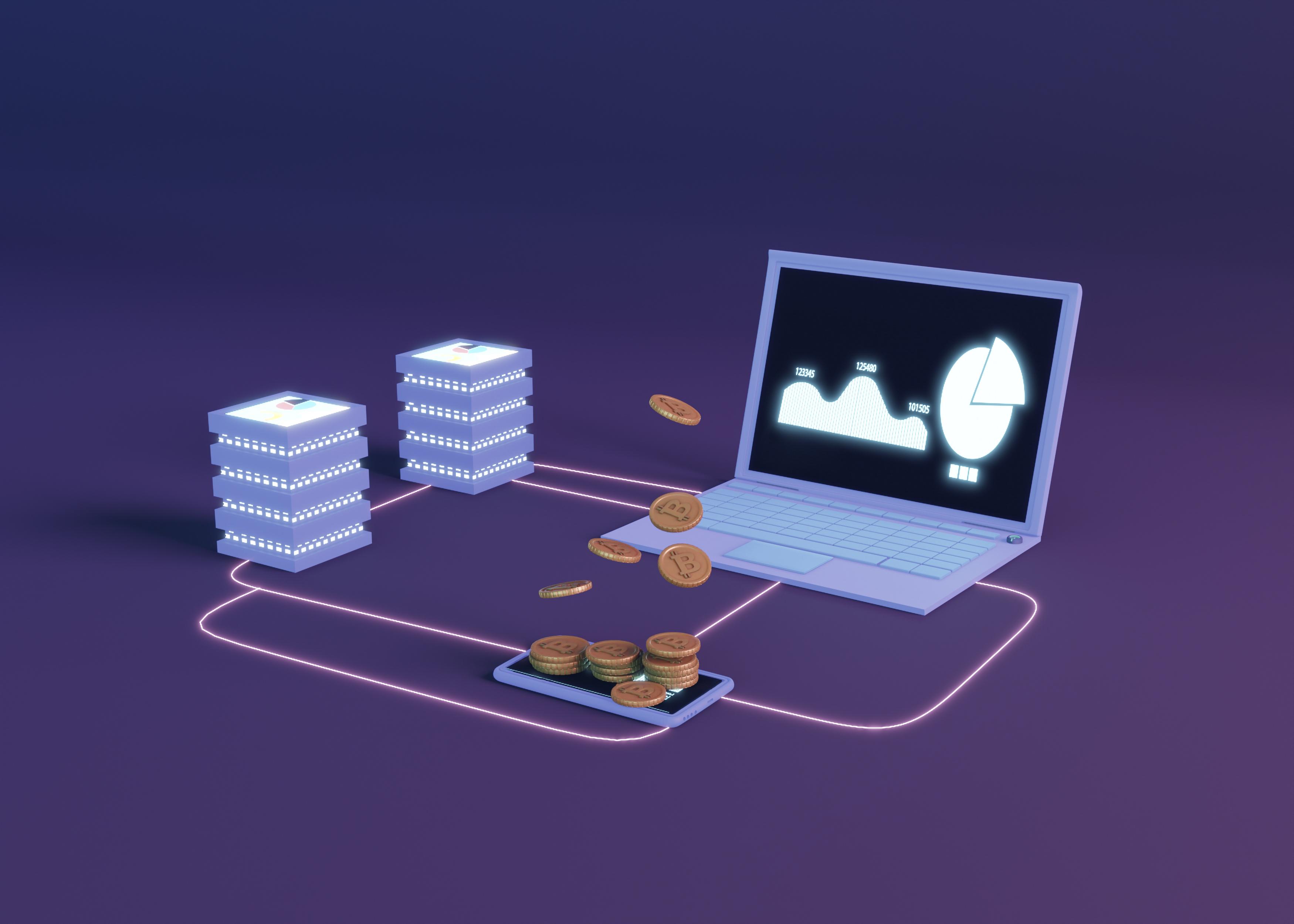

Discover the transformative journey of real-world assets entering the realm of Decentralized Finance (DeFi). From tokenization to enhanced liquidity and transparency, explore how DeFi is reshaping traditional ownership and transfer processes. To give you the information you need in order to make the best trading choices visit AltrixEdge.
Real-World Asset Use Cases in DeFi
One of the prominent use cases of real-world assets in DeFi is the tokenization of real estate properties. By converting property ownership rights into digital tokens, individuals can invest in fractional ownership, providing access to a wider pool of investors. This tokenization process also offers increased liquidity and enables seamless property transactions, eliminating intermediaries and reducing costs.


Artwork and collectibles are another domain where DeFi is making a significant impact. Tokenizing art and collectibles allows for fractional ownership, enabling more people to invest in valuable assets. Additionally, it enhances transparency and provenance tracking, providing an immutable record of ownership and the artwork’s history. This creates new opportunities for artists, collectors, and investors to participate in the art market.
Tokenizing intellectual property (IP) rights offers creators and inventors the ability to monetize their work efficiently. By representing IP rights as digital tokens on the blockchain, creators can easily manage and enforce their rights while receiving royalties through smart contracts. This introduces a transparent and automated system for IP licensing and revenue distribution, benefiting both creators and consumers.
DeFi also presents exciting possibilities for the tokenization of commodities and revolutionizing supply chain finance. By representing commodities such as gold, oil, or agricultural products as tokens, participants can trade them seamlessly on decentralized platforms. This brings efficiency, transparency, and accessibility to commodity markets, allowing a broader range of investors to participate in these traditionally exclusive sectors.
The integration of real-world assets into DeFi opens up a world of opportunities, transforming traditional industries and financial systems. Real estate, art, intellectual property, and commodities are just a few examples of how tokenization and DeFi are reshaping the way we interact with assets. As the ecosystem evolves and regulatory frameworks adapt, we can expect further advancements and broader adoption of real-world assets in DeFi, ultimately leading to a more inclusive, efficient, and transparent financial landscape.
Future Implications and Opportunities

The integration of real-world assets into the DeFi space holds tremendous implications and opens up a world of opportunities for both individuals and industries. Here are some key future implications and opportunities to consider:
The adoption of real-world assets in DeFi has the potential to disrupt traditional financial systems. By removing intermediaries, reducing costs, and increasing accessibility, DeFi offers a decentralized alternative to traditional financial institutions. This can lead to increased financial inclusivity and empower individuals who were previously excluded from certain investment opportunities.
Tokenization of real-world assets can unlock previously illiquid markets and create new avenues for liquidity. By fractionalizing assets, individuals can gain exposure to a diverse range of investments, enabling them to diversify their portfolios. Moreover, the global nature of DeFi allows investors from around the world to participate in previously restricted markets, stimulating economic growth and fostering cross-border collaborations.
DeFi and real-world asset integration present opportunities for new financing models. For instance, property owners can leverage tokenization to raise capital by selling fractional ownership tokens. Similarly, artists can tokenize their work and receive funding through initial token offerings, enabling them to pursue their creative endeavors. These innovative financing models have the potential to democratize access to capital and reshape traditional funding mechanisms.
The utilization of blockchain technology in DeFi ensures enhanced transparency and security for real-world asset transactions. Smart contracts provide tamper-proof agreements and automate the execution of predefined conditions, reducing the risk of fraud or manipulation. Additionally, the immutable nature of blockchain records enables transparent tracking of asset ownership and transaction history, mitigating disputes and enhancing trust among participants.
As real-world assets continue to enter the DeFi space, there will be an increasing need for collaboration between traditional and decentralized systems. Regulatory frameworks will need to evolve to accommodate these new asset classes while ensuring consumer protection and market stability. Additionally, partnerships between traditional financial institutions and DeFi platforms can facilitate the integration of real-world assets and bring institutional expertise to the decentralized ecosystem.
Conclusion
As real-world assets integrate into DeFi, the implications are far-reaching. Disrupting traditional finance, unlocking liquidity, innovating financing models, enhancing transparency, and fostering collaboration are just the beginning. Embrace the exciting possibilities of real-world assets entering the decentralized finance ecosystem and anticipate a future of transformative change.