











































Part 2 of our Isle of Wight at War series recalls the last time a foreign army landed on the Isle of Wight.
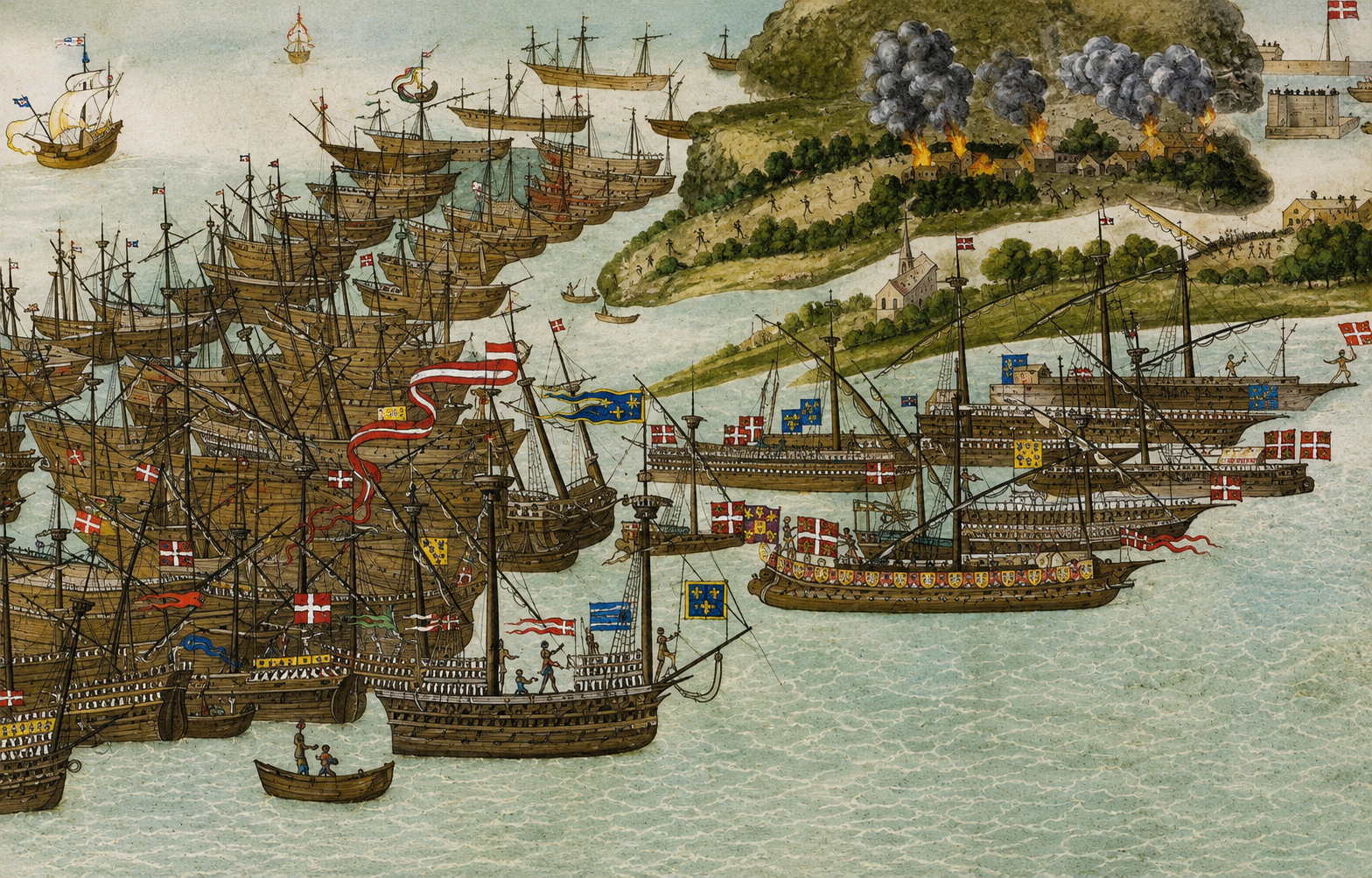
By the summer of 1545, England and France were once again at war. Henry VIII and Francis I had assembled powerful fleets to fight for control of the Solent. As the opposing ships clashed, Henry watched from Southsea Castle.
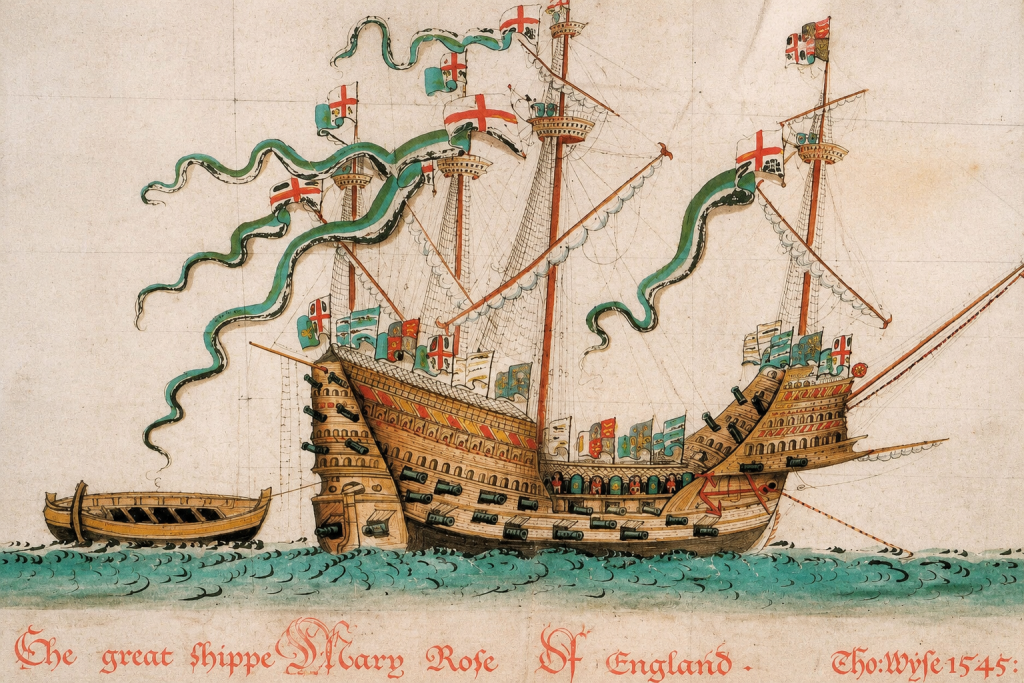
Having fired a broadside, the Mary Rose was turning when she is thought to have been caught by a sudden gust of wind. The warship heeled sharply, water poured through her open gunports and she sank within minutes. Of a crew of at least 400 men, fewer than 35 escaped.


The French still failed to gain control of the Solent and instead turned their attention to the Isle of Wight.
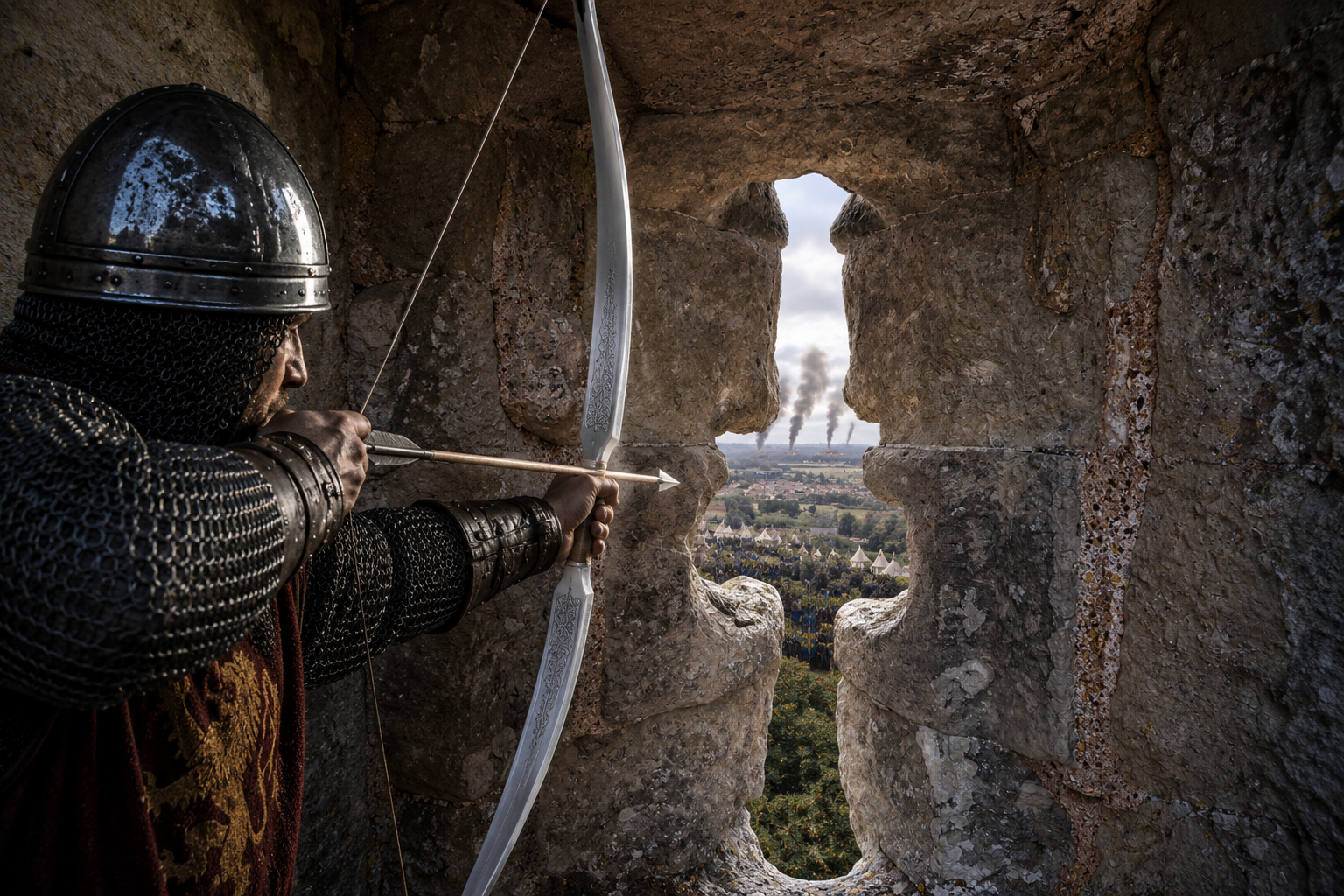
Only about 9,000 people lived on the Island, yet centuries of French raids had ensured they were ready. Every able-bodied man underwent military training, while some women were taught archery. A chain of warning beacons linked the high ground across the Island and, once lit, gave defenders precious time to gather before the enemy could advance inland. As the beacons blazed across the downs, militia companies assembled, livestock was driven inland and defenders hurried to the threatened coastline.
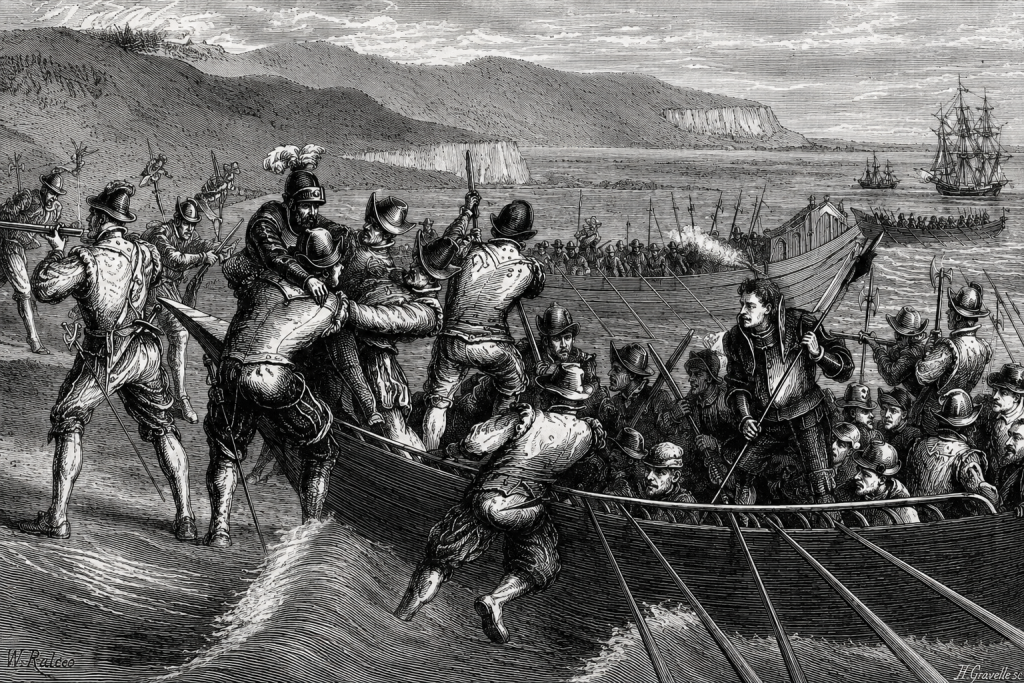
French Admiral Claude d’Annebault divided his army into 3 landings at St Helens, Bonchurch and Sandown.
The first attack came at St Helens. A small coastal fort had spent hours bombarding the approaching fleet but was overwhelmed as French troops came ashore. The defenders were forced to withdraw while the invaders plundered Bembridge, St Helens, Nettlestone and Seaview.
The largest landing took place at Monk’s Bay beneath St Boniface Down. Expecting little resistance, French soldiers advanced inland after coming ashore unopposed. Instead they met determined Island militia and English troops. The first assault was driven back after fierce fighting, but the French regrouped and attacked again in greater strength. Fighting spread across the slopes beneath the Down as the Islanders struggled to contain the advancing enemy. Outnumbered, the defenders eventually gave way and retreated towards higher ground, but they had denied the French the swift breakthrough they had expected.

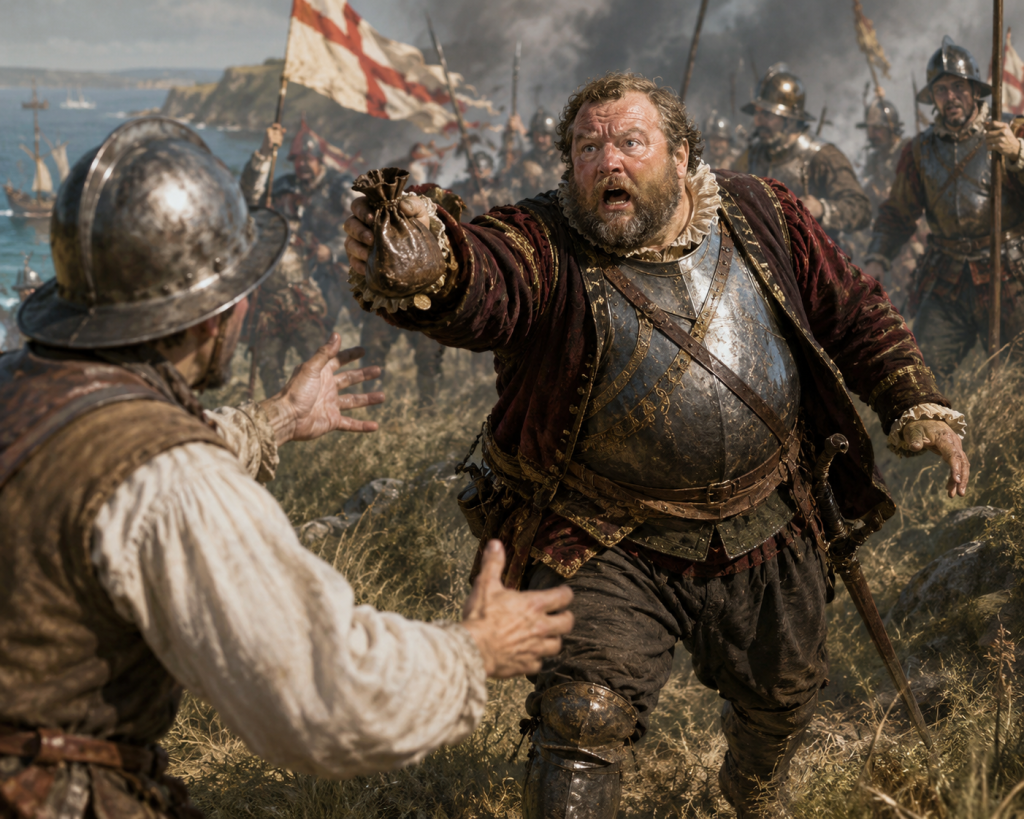
Captain Robert Fyssher, one of the English commanders, was said to have been too heavily built to escape on foot. As French troops closed in, he reportedly offered £100, an enormous sum at the time, to anyone who could bring him a horse.
According to later tradition, no horse arrived in time and Fyssher was killed. Some historians believe his desperate plea may have inspired William Shakespeare’s famous line in Richard III:
‘A horse! A horse! My kingdom for a horse!’
The third landing came near Sandown, where Henry VIII had already begun building a new artillery fort to guard the eastern entrance to the Solent. The castle was still unfinished and soldiers, labourers and local militia fought side by side to defend it. Although the French landed in strength, they were unable to capture the position or establish the secure base needed for a march across the Island.
Despite landing thousands of troops, the French failed to secure the foothold they needed. Every extra day ashore stretched their supply lines as food, water and ammunition had to be ferried across the Solent while the English fleet remained a constant threat. Around Sandown, English troops and Island militia repeatedly attacked the French positions, making it increasingly difficult for the invaders to hold their ground.
After several days ashore, the French commanders abandoned the invasion. Their troops were recalled to the fleet and, on 28th July 1545, the French invasion fleet turned for home, bringing the final French invasion of the Island to an end.
Henry VIII acted quickly to strengthen the Island against any future attack. Sandown Castle was completed, while powerful new artillery forts were built or strengthened at Yarmouth, East Cowes and West Cowes. Together they formed a chain of coastal defences designed to stop another invasion before enemy troops could establish themselves ashore.
No foreign army has landed on the Isle of Wight since the summer of 1545. More than 480 years later, it remains the last successful enemy landing on the Island and the closest the Isle of Wight has come to conquest since the Middle Ages.