











































Generations of schoolchildren have found amusement in changing the ‘P’ on Apse Heath’s village sign into an ‘R’. But behind the familiar joke is the story of a village whose very existence can be traced to what was found beneath the surrounding heath.
Few Isle of Wight villages were created by geology. Apse Heath was. While most villages grew around a church, a manor or productive farmland, Apse Heath emerged during the 19th century because the clay beneath the surrounding heath created an industry that attracted workers, homes and businesses.
The village takes its name from a landscape that has almost disappeared. ‘Apse’ is an old Island word for the aspen tree, while ‘heath’ recalls the open, uncultivated ground that once covered this part of the Island. The sandy soils were poor for farming and remained largely untouched. Hidden beneath lay beds of clay deposited millions of years ago. Farmers found little to attract them to the heath, but brickmakers eventually discovered exactly what they needed. Those clay deposits would provide the raw material that gave birth to the village.


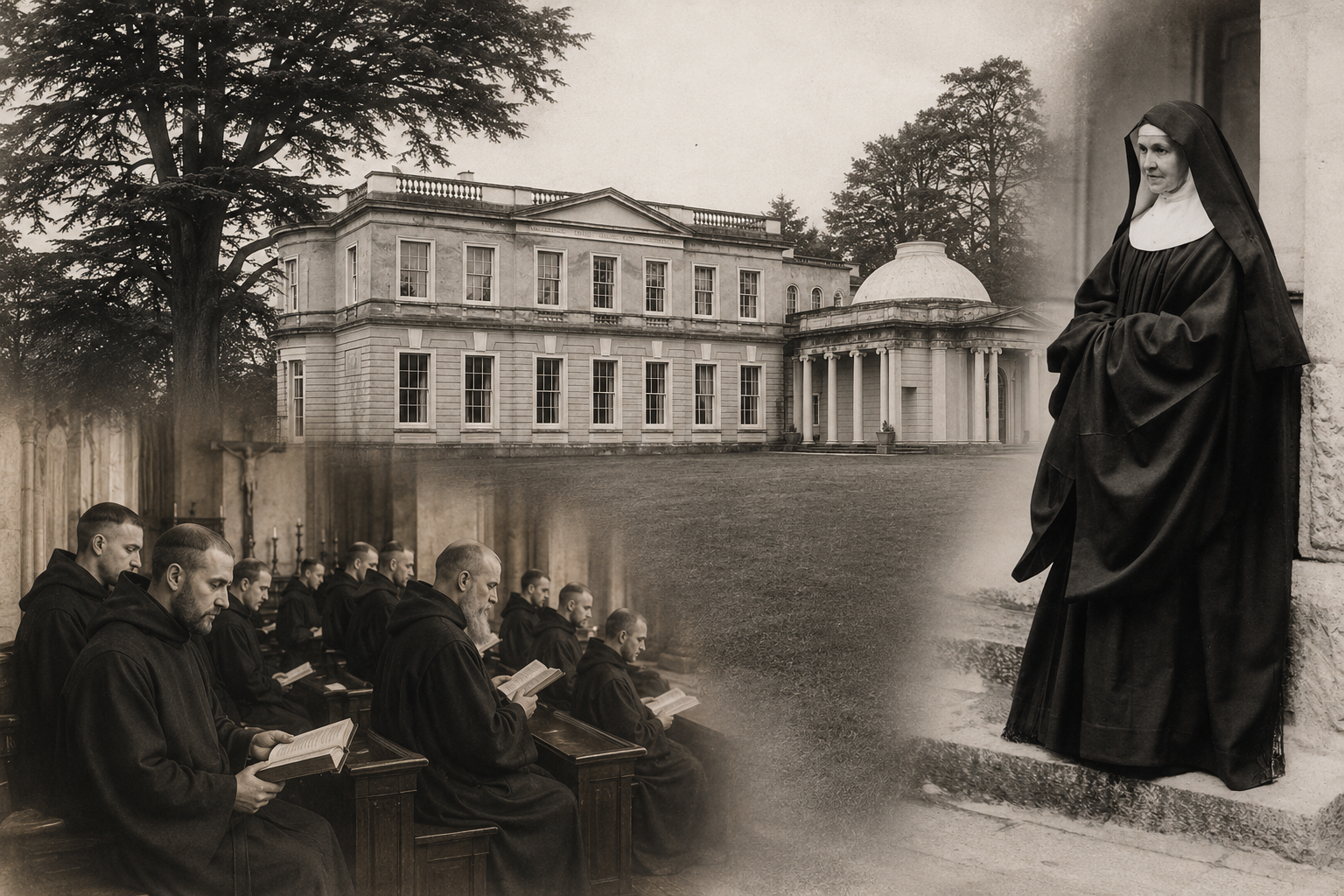
Long before there was a village, there was Apse Manor. Recorded in the Domesday Book of 1086, it was one of the Island’s oldest estates. Early in the 12th century, Richard de Redvers granted the manor to Christchurch Priory. The priory owned the estate for almost 400 years before Henry VIII’s Dissolution of the Monasteries brought it into Crown ownership.
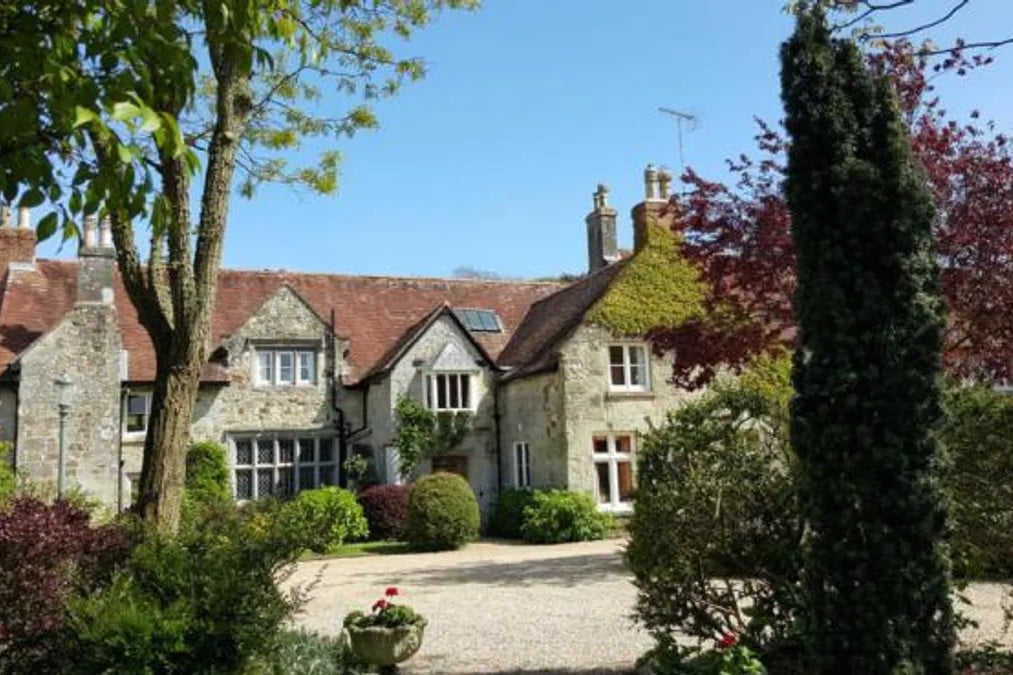
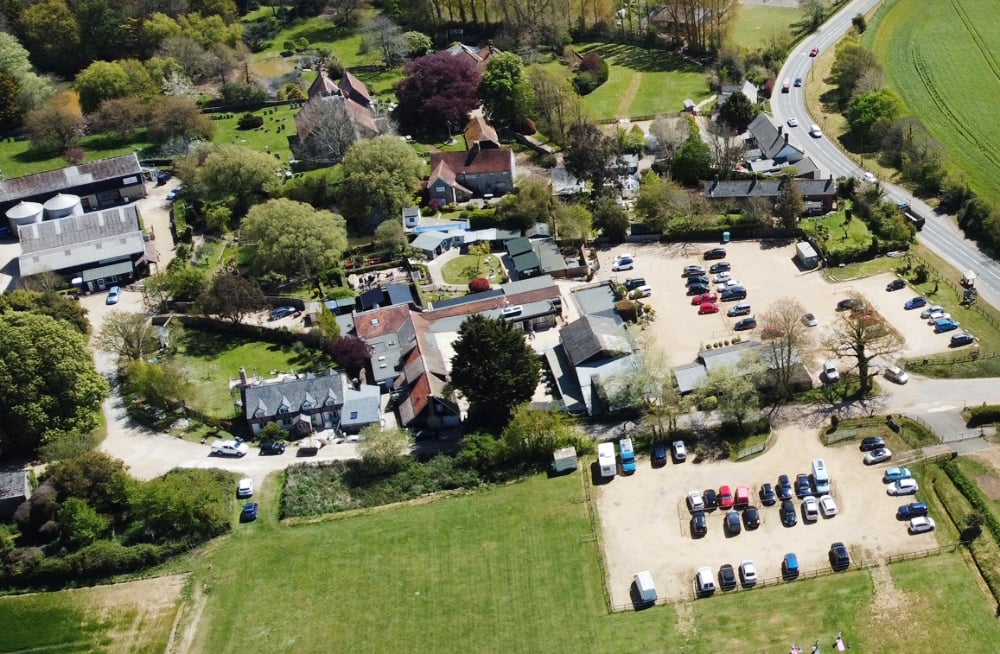
The present manor house was built in the late 16th century on the site of its medieval predecessor. For centuries it stood at the centre of a large agricultural estate, with the surrounding countryside worked by generations of tenant farmers while the heath beyond remained open and sparsely populated. The manor, rather than the modern village, was the focus of local life. Ownership later passed through the Worsleys and Lord Yarborough before Richard Webster, Lord Alverstone, bought the estate in 1896.
Lord Alverstone later donated the land on which Apse Heath’s new chapel would be built, linking the ancient manor with the village that was beginning to grow around the crossroads.
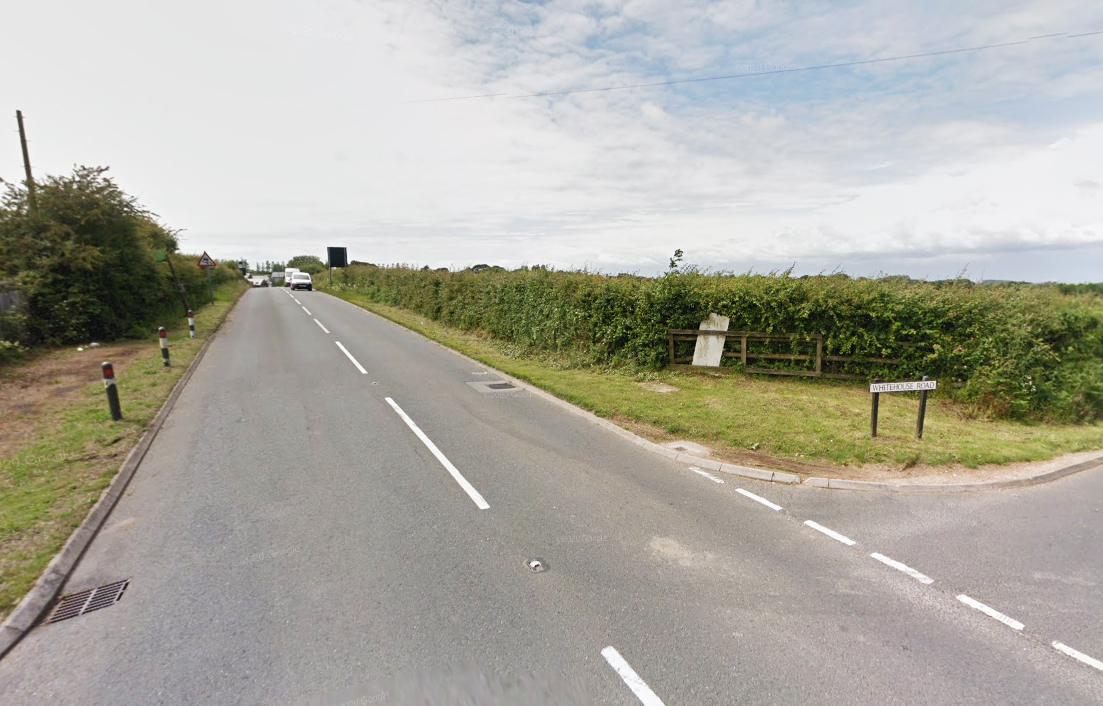
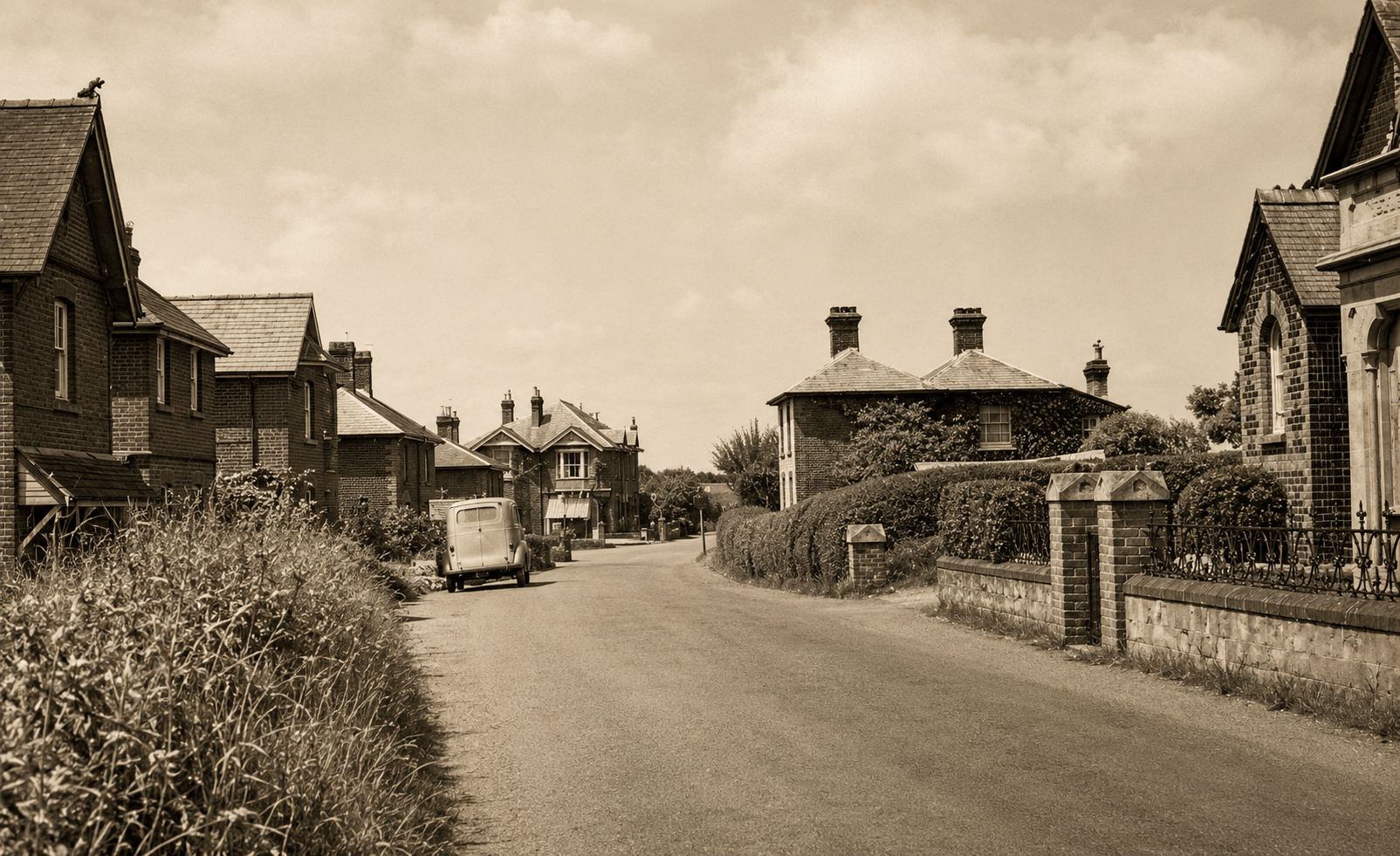
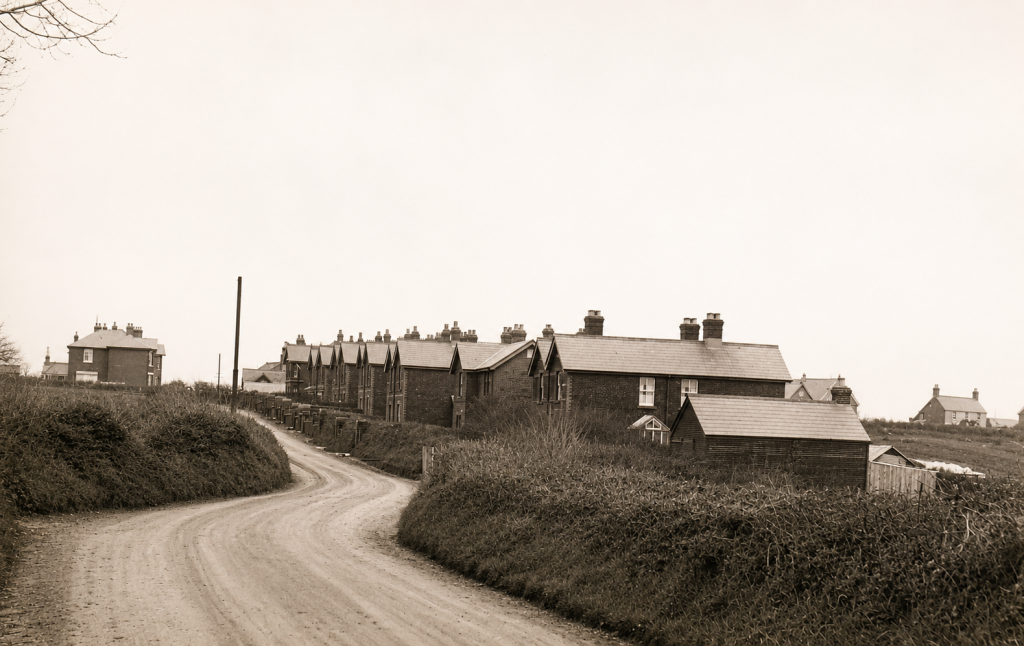
For centuries, the crossroads between Newport, Shanklin, Alverstone and Ventnor was simply where four roads met. The settlement known today as Apse Heath did not begin to develop until the brickworks created a reason for people to live and work there.

By the late Victorian period, the Apse Heath Brick Works had been established on the Ventnor Road between the crossroads and Whiteley Bank. Operated for many years by the Mew family, the works became one of the area’s principal employers and helped meet the demand for bricks as towns and villages across the Island expanded. Clay was dug from nearby pits before being worked in the pug mill, moulded into bricks and fired in kilns.
Brickmaking remained remarkably traditional. In 1938, the company was still advertising for a horse to power its pug mill, where clay was mixed before being pressed into moulds. Two years later, the business merged with the Gunville Brick and Tile Company, bringing independent brickmaking at Apse Heath to an end. One of the former clay pits later filled with water to become Gear Gap Pond, which was eventually stocked with freshwater fish for local anglers.
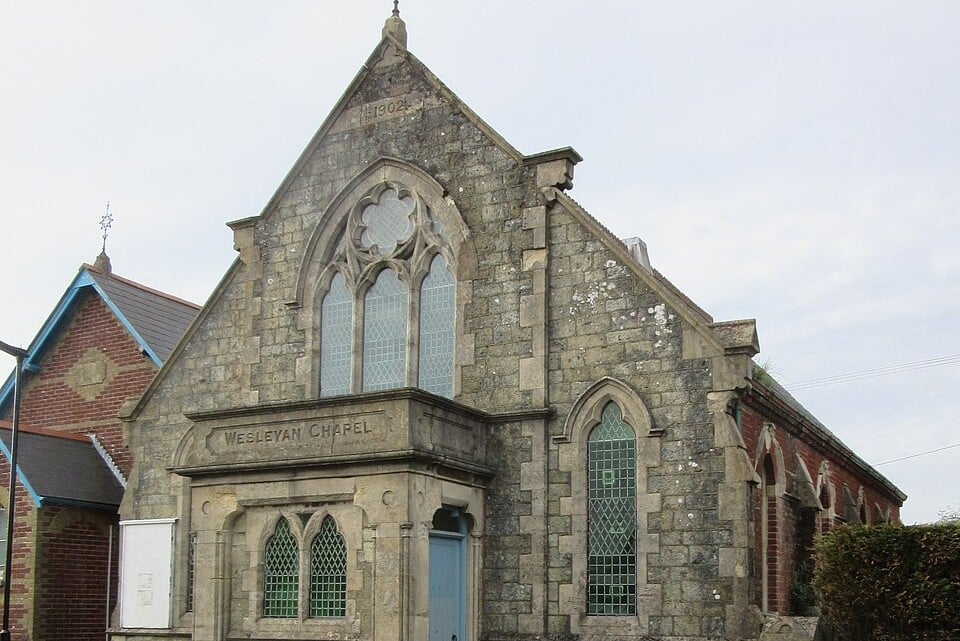
The growing community soon needed its own place of worship. The Bible Christians established a chapel in 1875, but it was soon outgrown. A larger chapel was built alongside it on land donated by Lord Alverstone and opened in April 1903 after its foundation stone had been laid by the Hon. Mrs Arthur Webster, Lord Alverstone’s daughter-in-law.
The original chapel became the Sunday School and, for more than a century, the two buildings served generations of village residents. By the early 21st century the congregation had dwindled to little more than a dozen worshippers. The chapel closed in 2013 and both buildings have since been converted into homes.
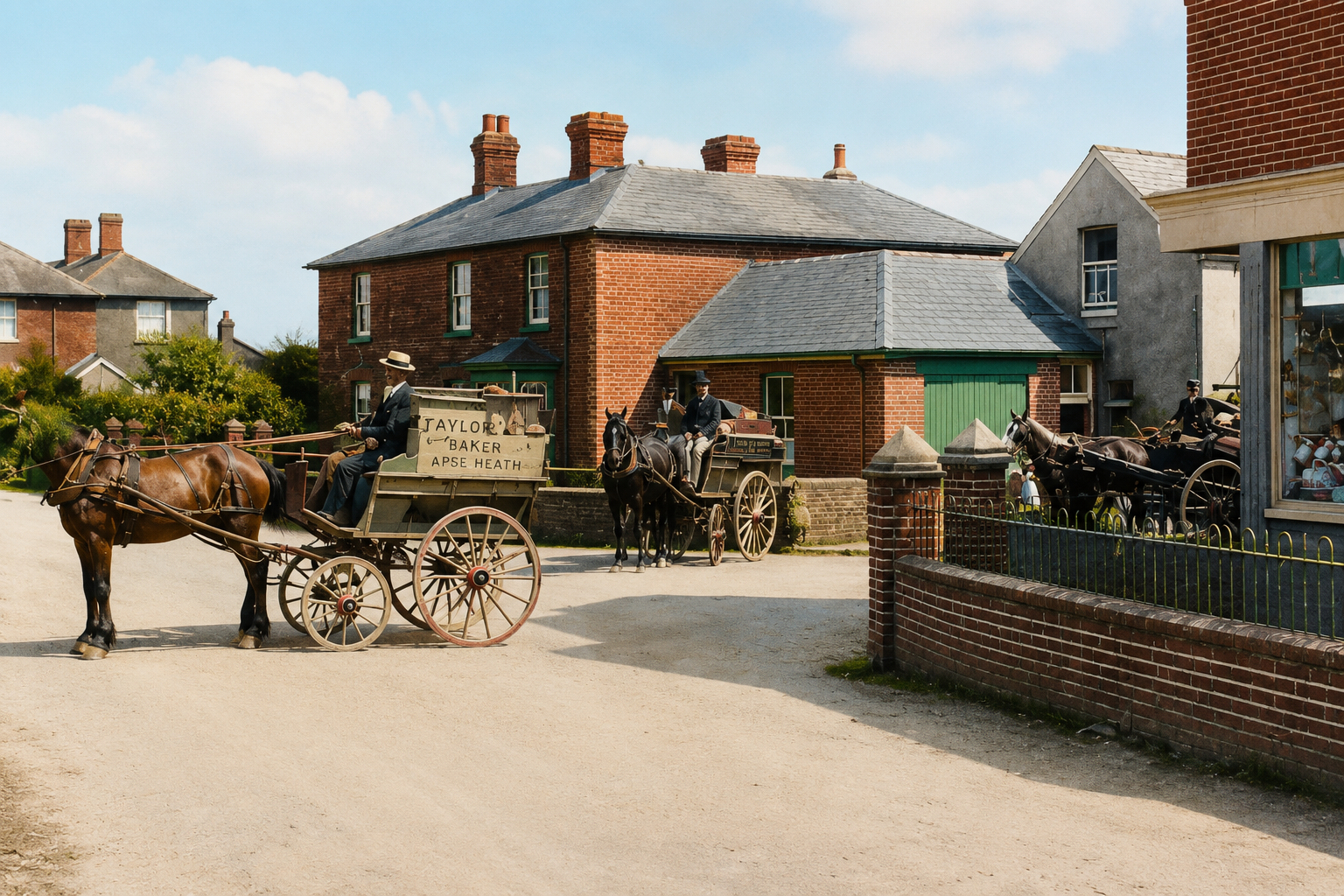
As the village expanded, other businesses followed. One of the best remembered was Taylor’s Bakehouse, whose horse and cart delivered bread throughout the surrounding district.
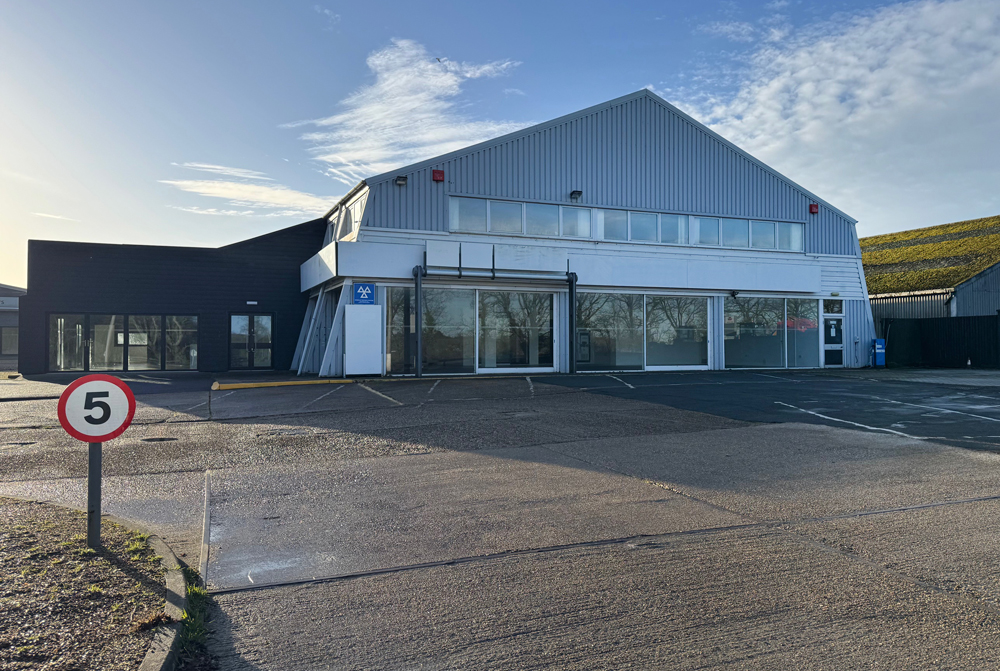
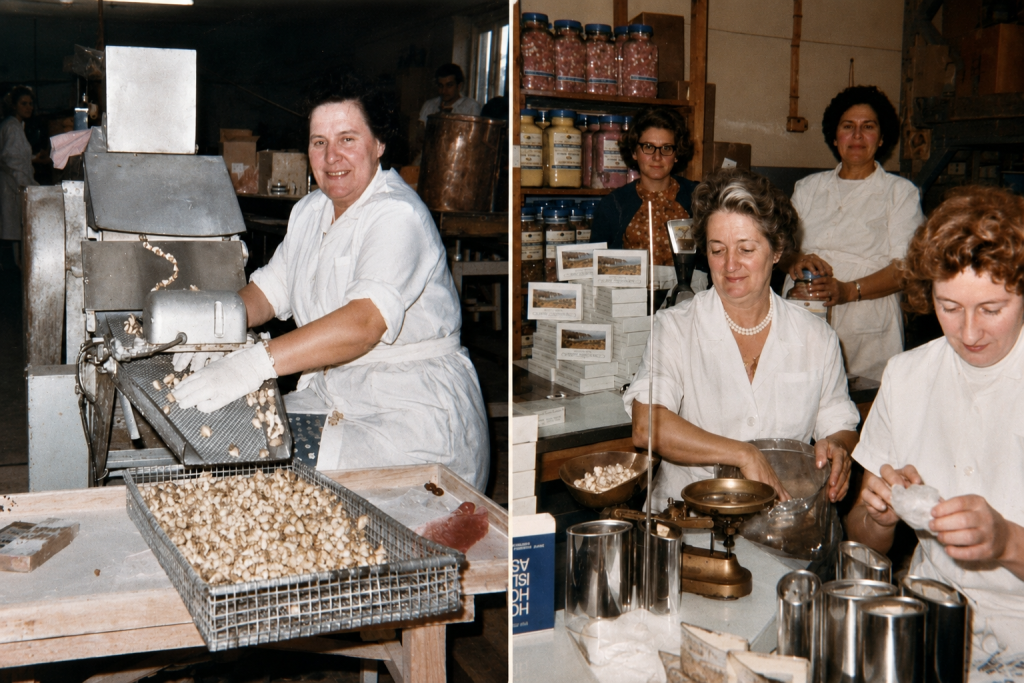
The bakery later became the Island Maid confectionery factory, remembered by many Islanders for its rock, fudge, coconut ice and the popular Wight Mints. By the 1980s, Isle of Wight Shortbread had also joined the range. The packing department occupied the building opposite today’s Raj’s Post Office, while the main factory stood nearby on the site now occupied by modern housing. Island Maid also operated shops in Sandown and at The Needles, becoming a familiar name across the Isle of Wight.
Raj’s Post Office occupies premises once known as Squibbs, a name still remembered by many residents.
Today, the brickworks have disappeared and the heath has long since been developed, but the village they created remains, its origins still lying beneath the roads, houses and gardens of modern Apse Heath.